Curt’s Top Shelf
Photographs that carry Curt Scaglione's red TOP SHELF stamp, which marks the pieces he counts among his best. Identified by eye from the stamp on each photograph (2026-09-27), after a red-pixel search narrowed the candidates. Curt should confirm or correct this list; edit it here and re-run build_assets.py.
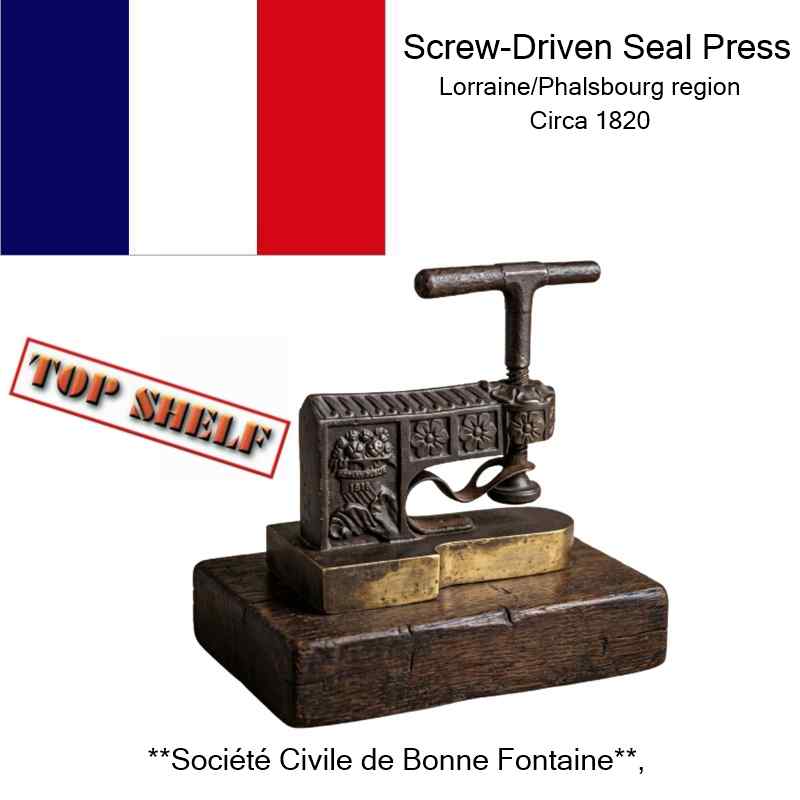
Screw-Driven Seal Press, Lorraine/Phalsbourg region, circa 1820 Top Shelf
See it in the 3D museum · Curt’s page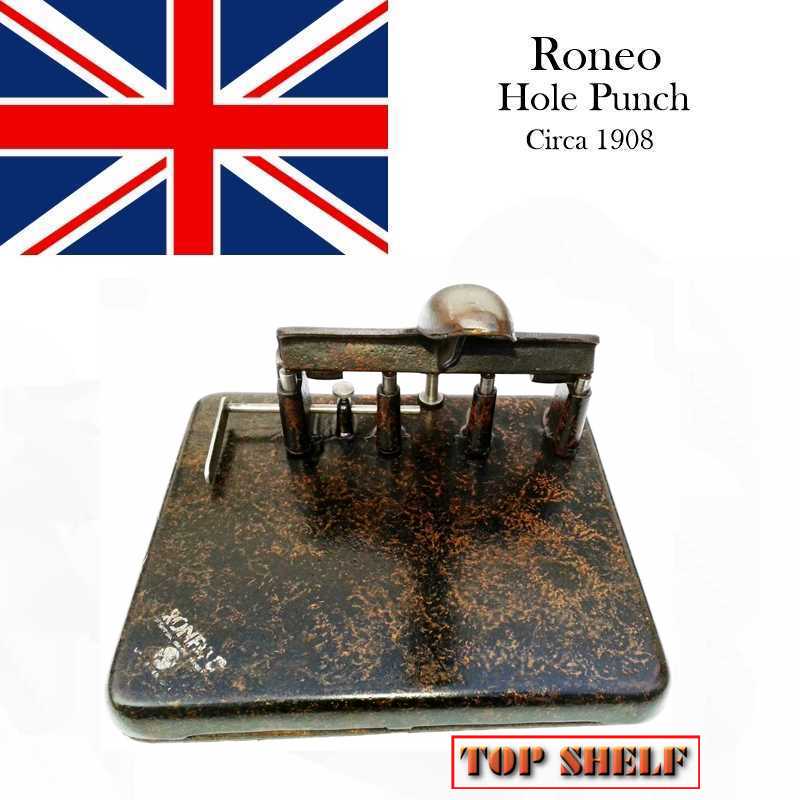
Roneo Hole Punch, circa 1908, United Kingdom Top Shelf
See it in the 3D museum · Curt’s page“The Roneo brand was so ubiquitous in Britain that the term “Roneo machine” became a generic term in the English language for a stencil duplicator.”
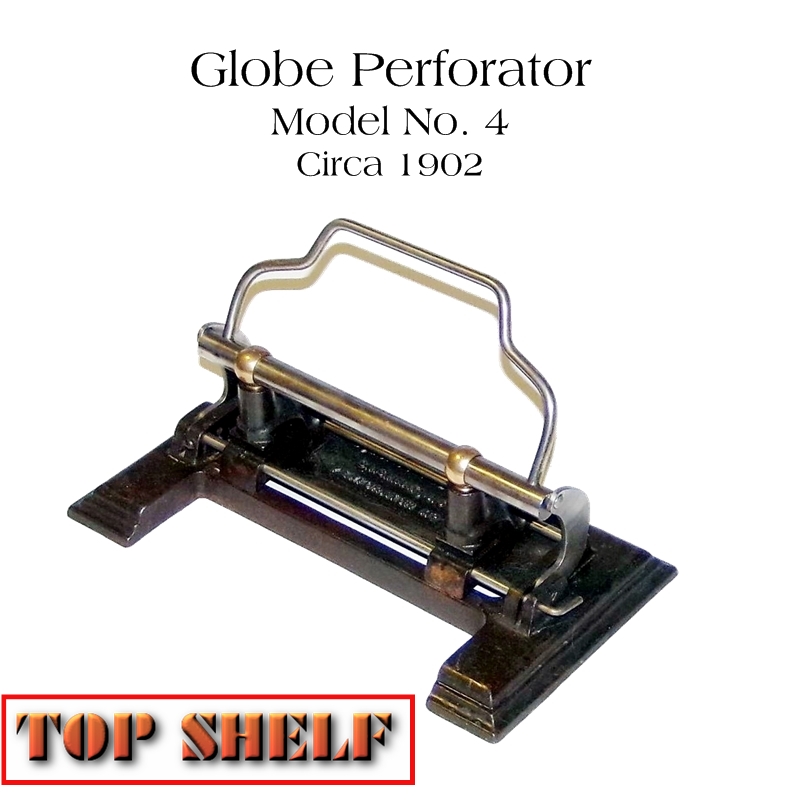
Globe Perforator Model No. 4, circa 1902 Top Shelf
See it in the 3D museum · Curt’s page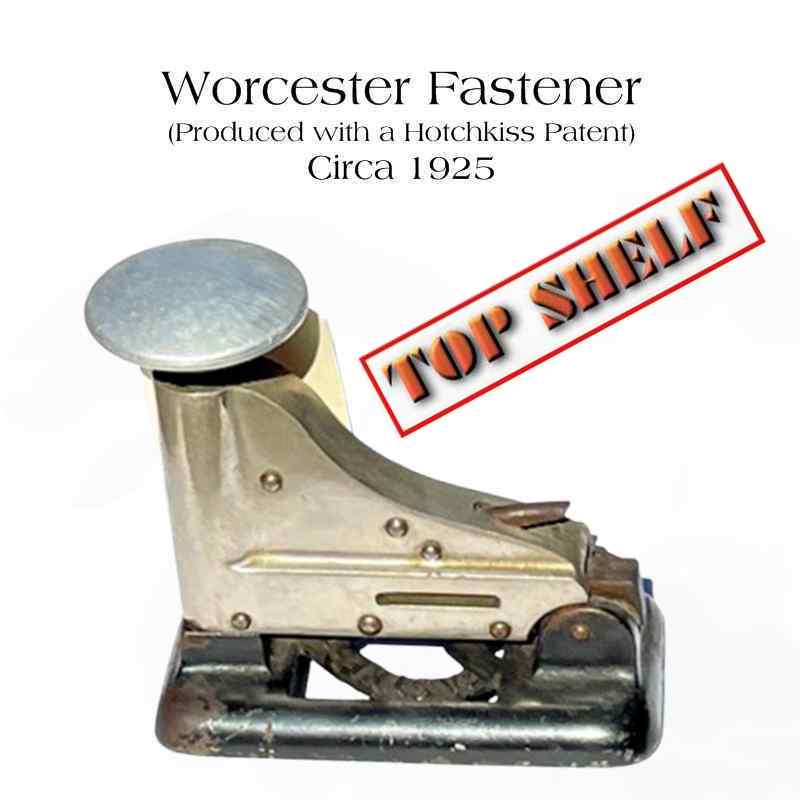
Stapler (1925) Top Shelf
See it in the 3D museum · Curt’s page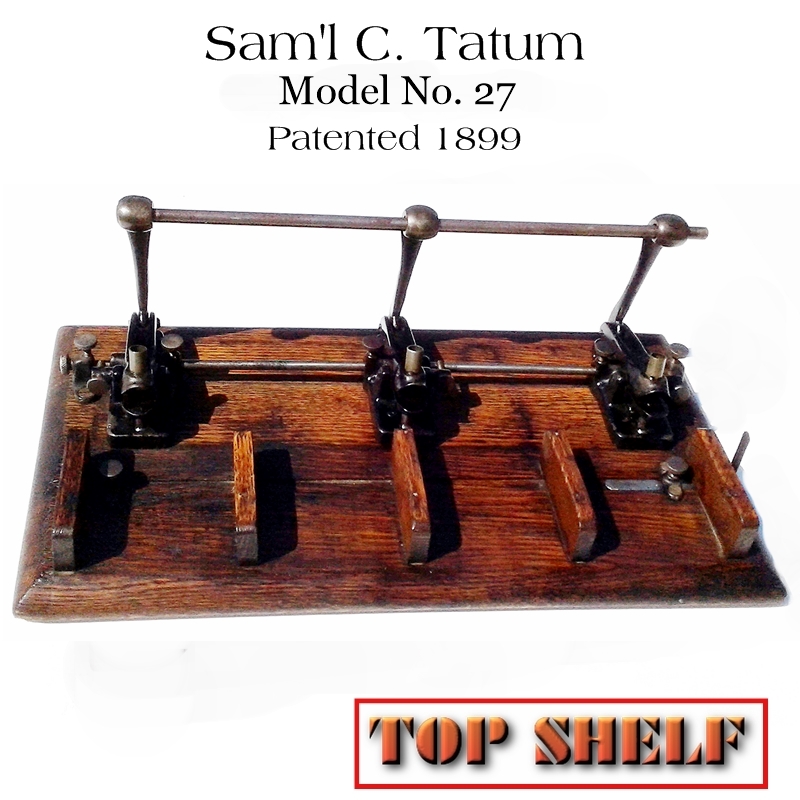
Tatum Hole Punch 1899 Top Shelf
See it in the 3D museum · Curt’s page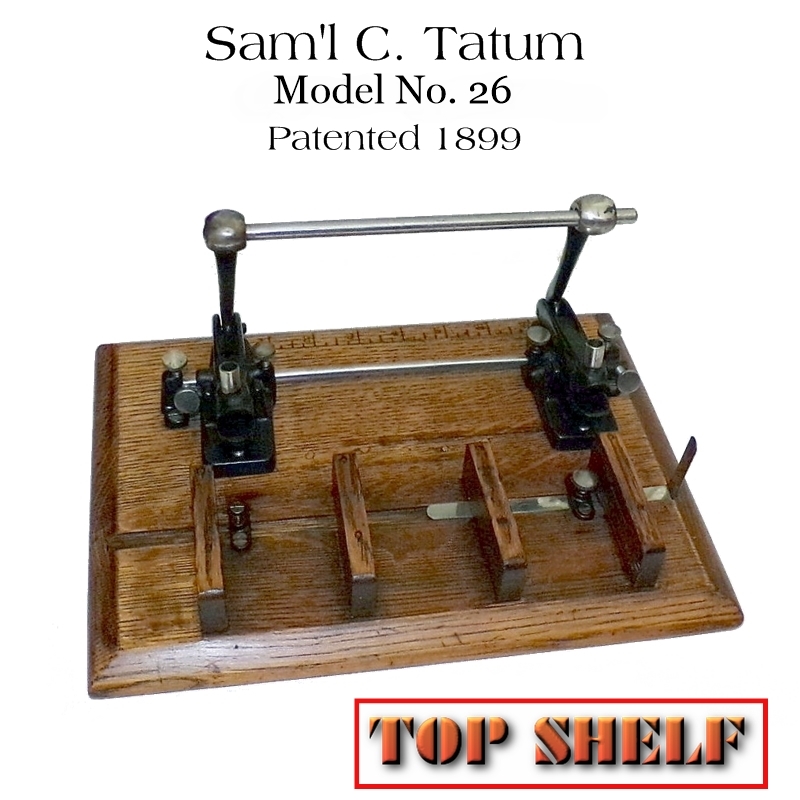
Tatum Hole Punch 1899 Top Shelf
See it in the 3D museum · Curt’s page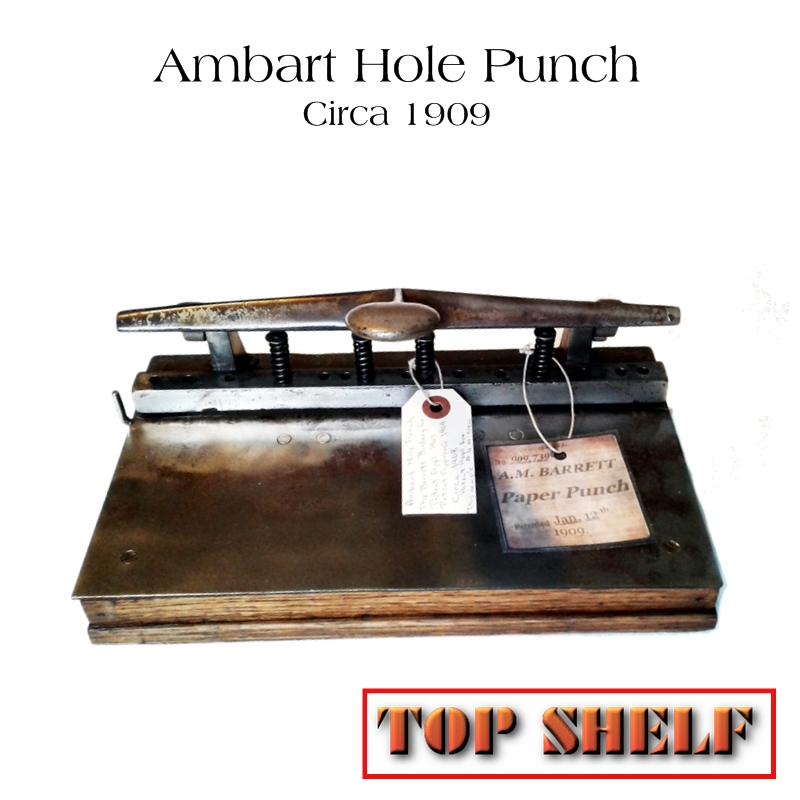
Ambart Hole Punch 1909 Top Shelf
See it in the 3D museum · Curt’s page“The Ambart was said to replace seven or more punches.”
“The Ambart is made entirely of iron and steel and is set on an oak base, which forms a box to catch the punchings.”
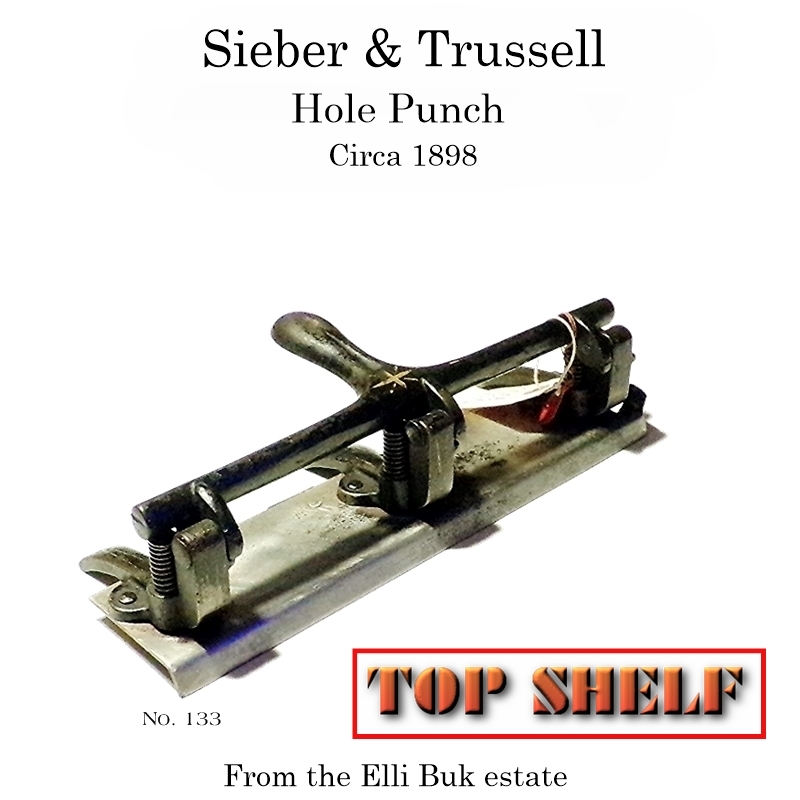
S&T Hole Punch 1898 Top Shelf
See it in the 3D museum · Curt’s page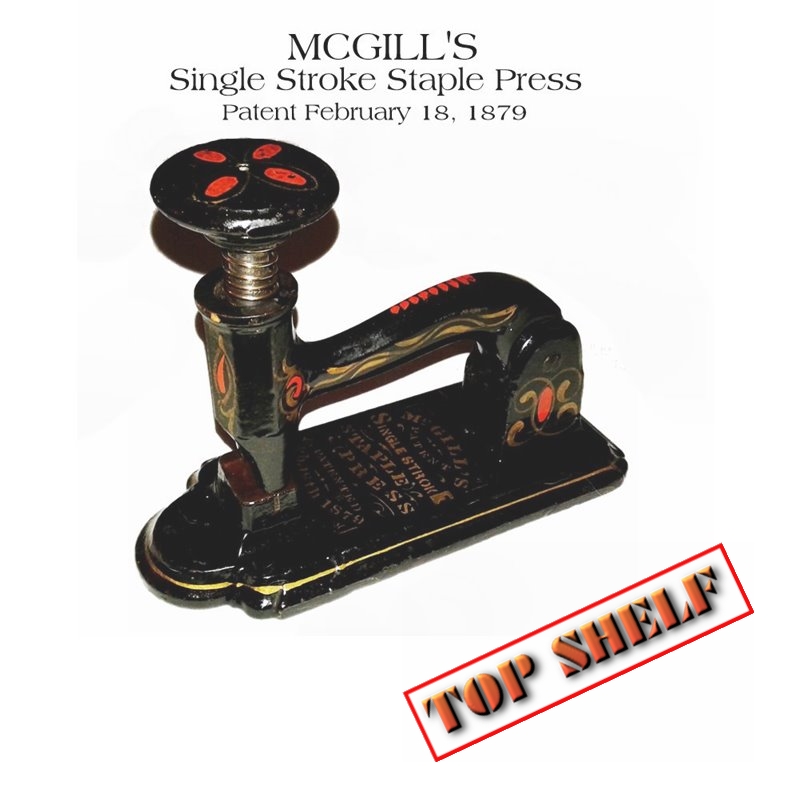
McGills 1879 Top Shelf
See it in the 3D museum · Curt’s pageMake: McGill. Model: Single Stroke Staple Press. Made by: George W. McGill. Information: Circa 1879.
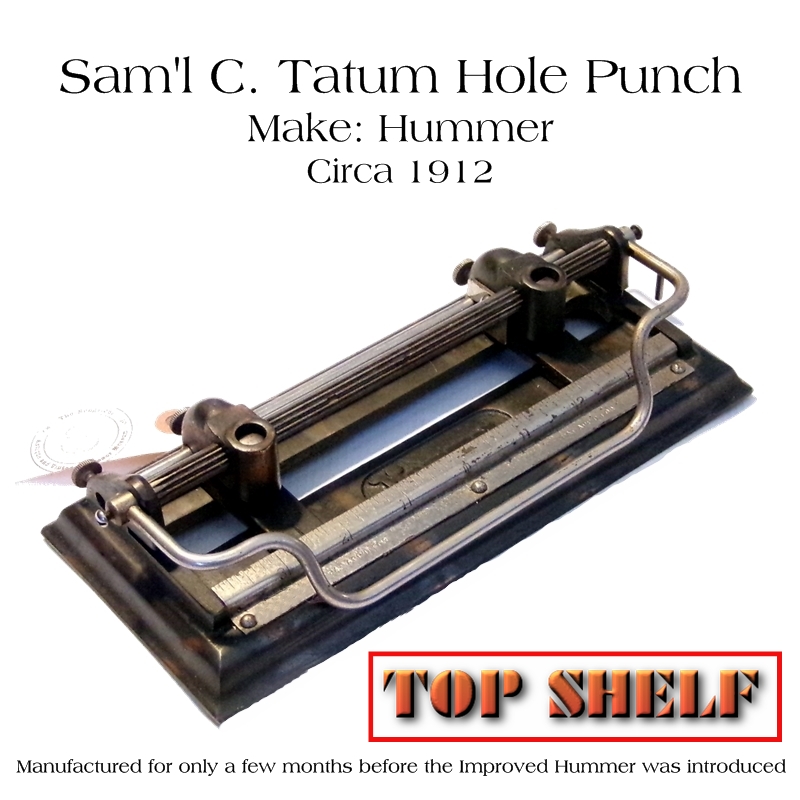
Tatum Hole Punch 1912 Top Shelf
See it in the 3D museum · Curt’s page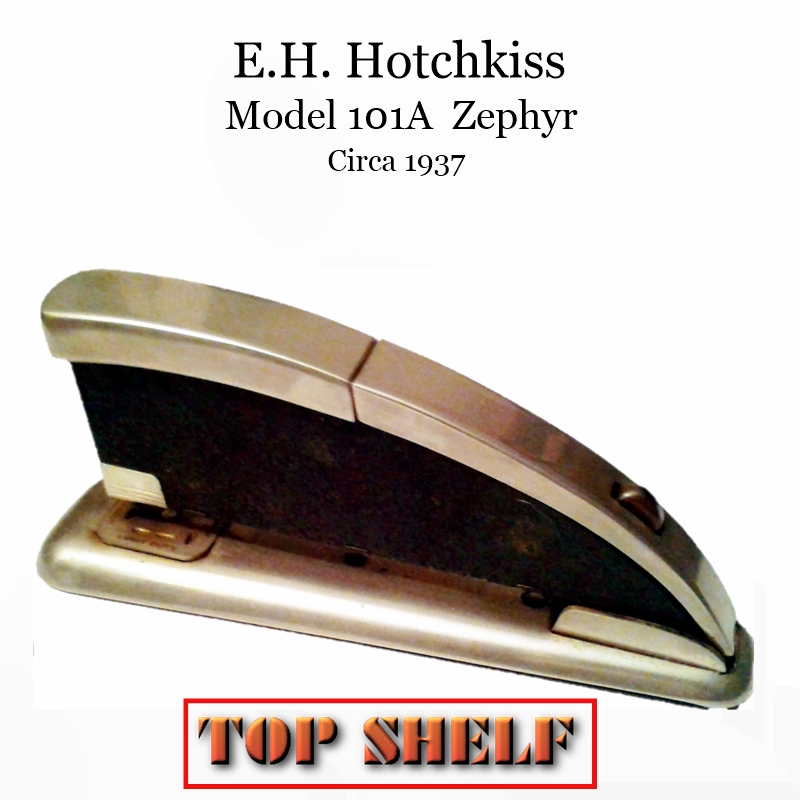
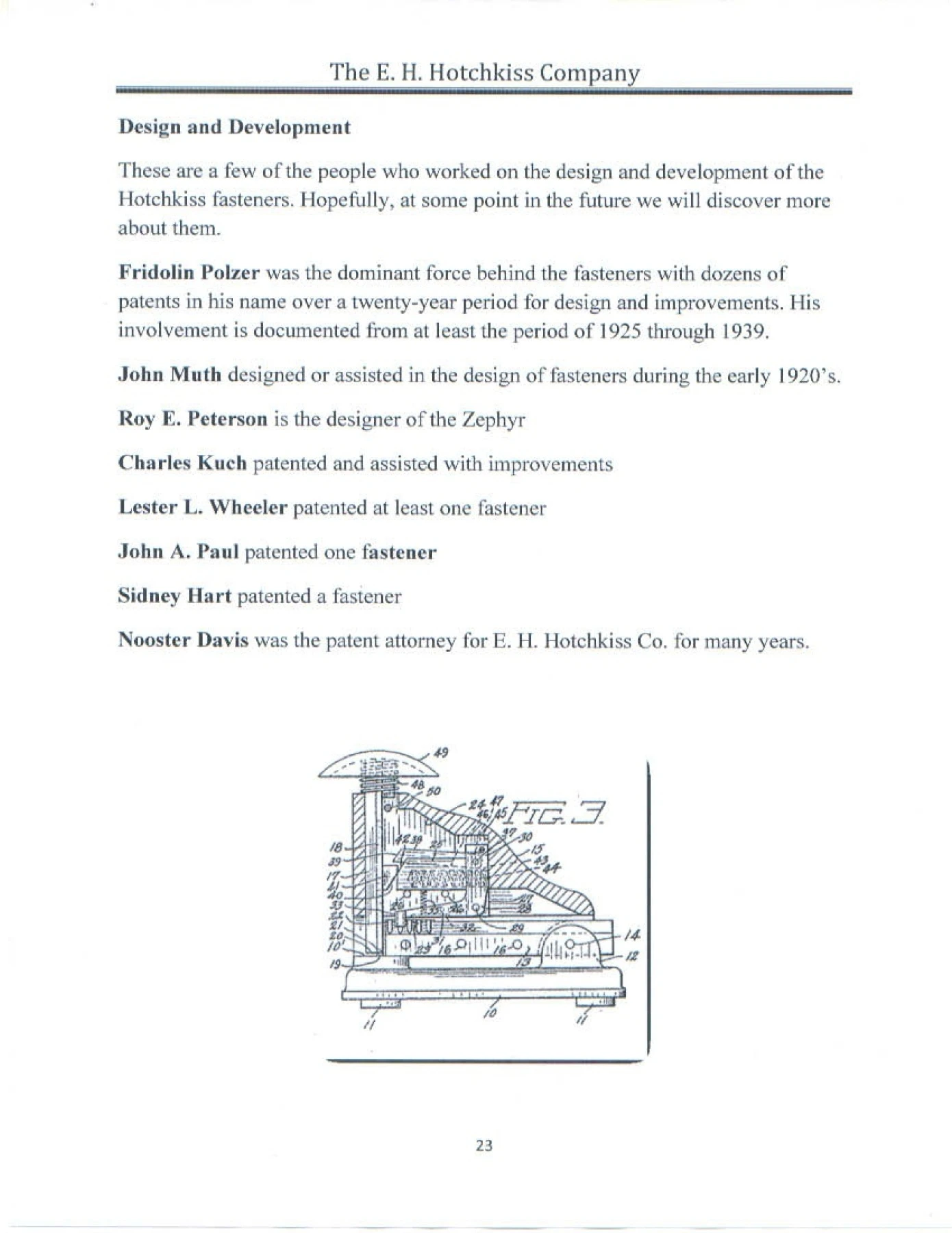
Hotchkiss Zephyr 1937 Top Shelf
See it in the 3D museum · Curt’s pageRoy E. Peterson is the designer of the Zephyr.
Fridolin Polzer was the dominant force behind the fasteners with dozens of patents in his name over a twenty-year period for design and improvements. His involvement is documented from at least the period of 1925 through 1939.
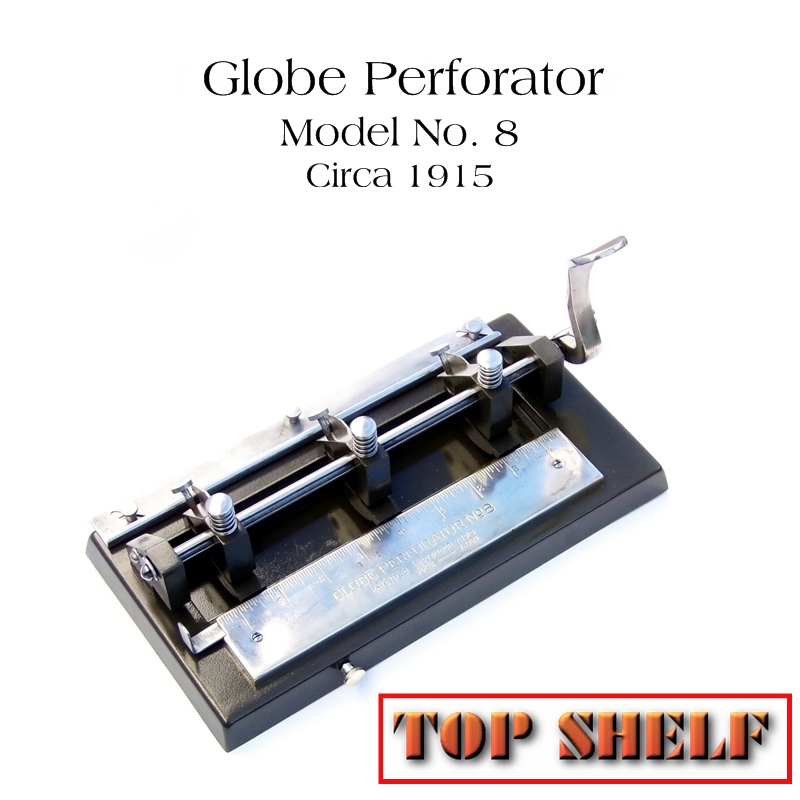
Globe Perforator Model No. 8, circa 1915 Top Shelf
See it in the 3D museum · Curt’s page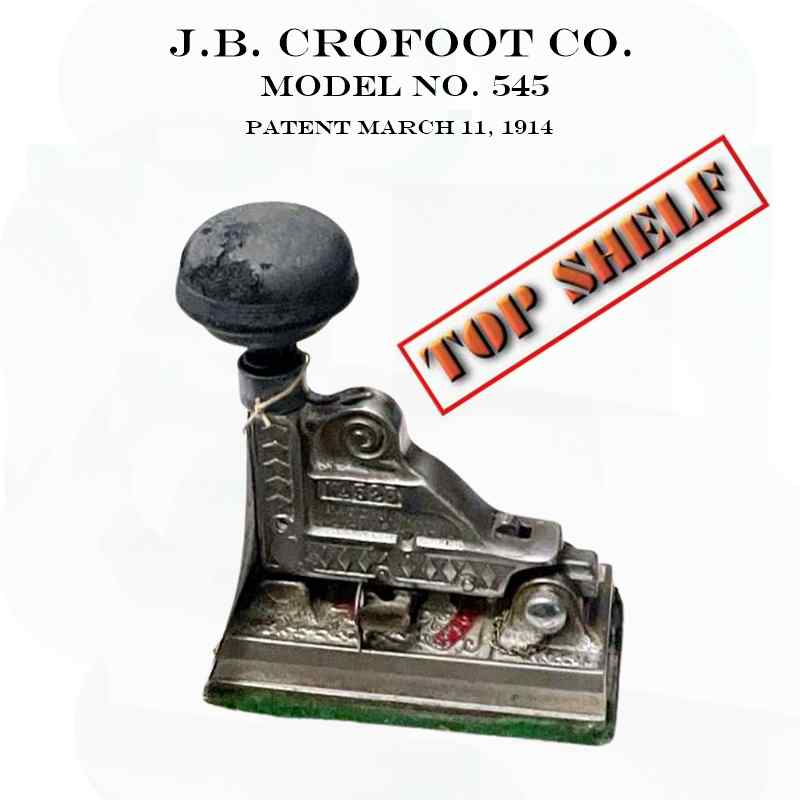
J.B. Crofoot Co., Model No. 525, 1928 Top Shelf
See it in the 3D museum · Curt’s pageMake: Crofoot. Model: Desk Top. Made by: J. B. Crofoot Company, Chicago, Illinois. Information: Circa 1917.
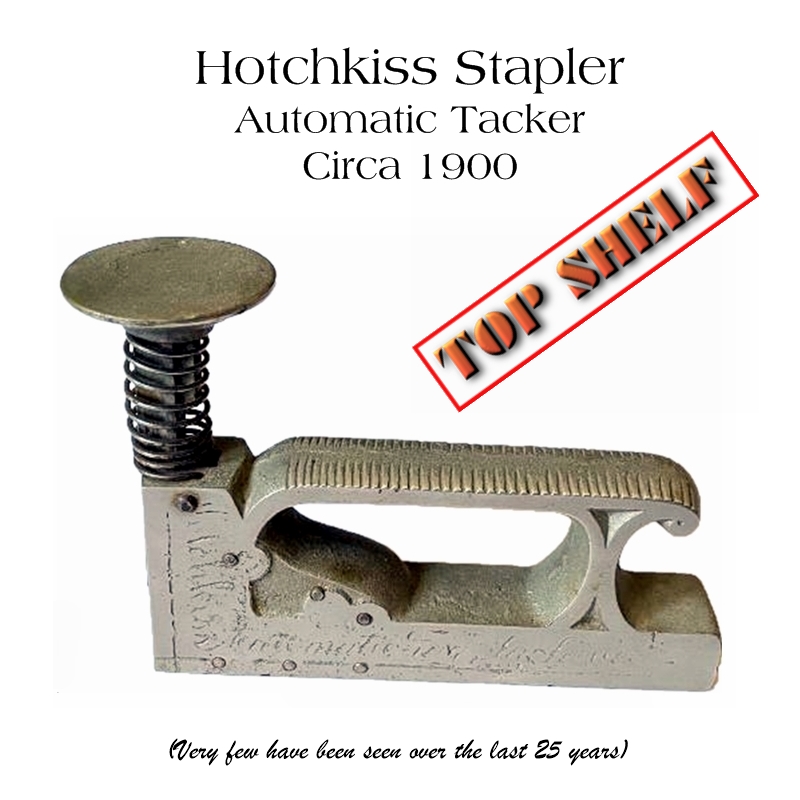
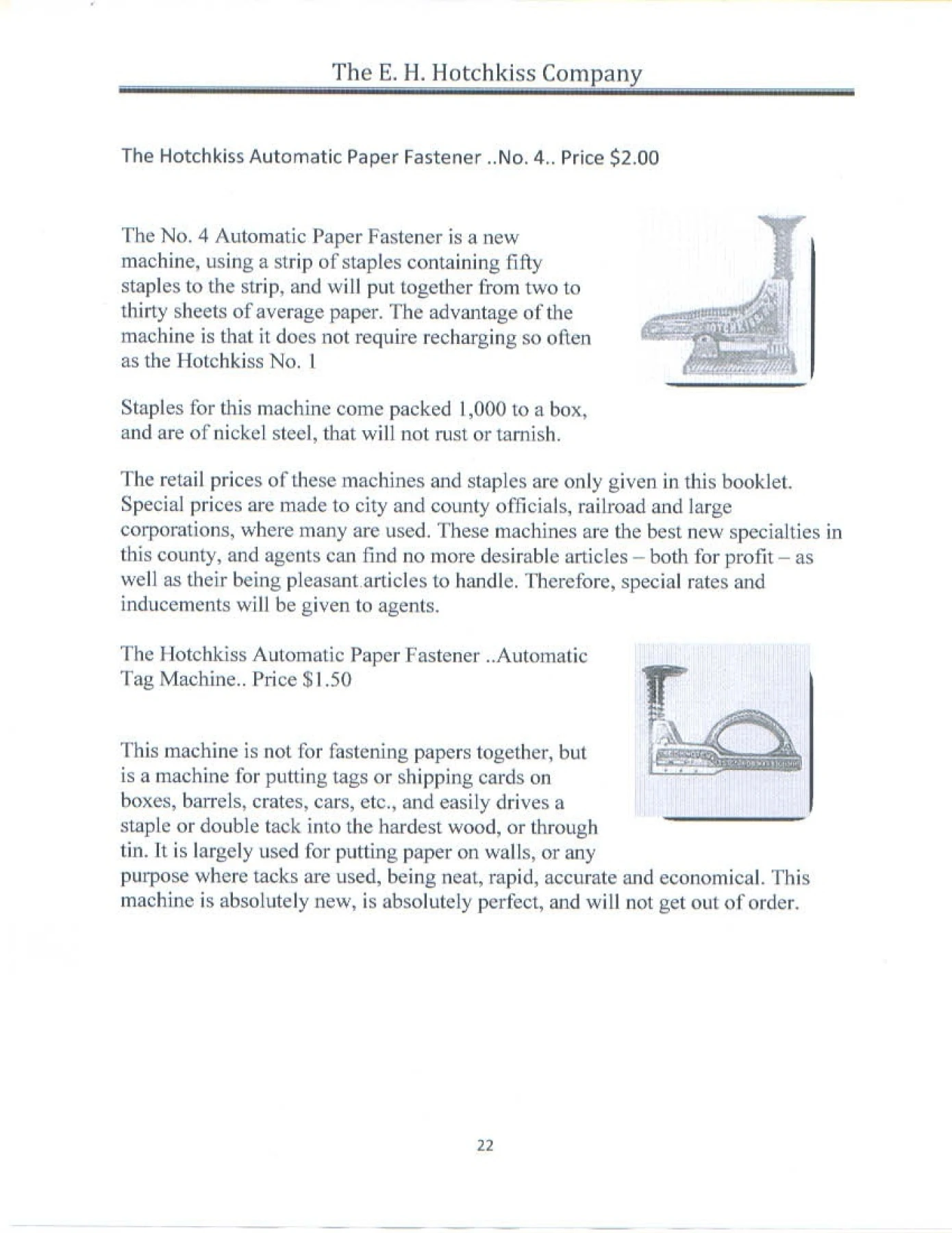
Hotchkiss Stapler, Automatic Tacker, circa 1900 Top Shelf
See it in the 3D museum · Curt’s pageThe Hotchkiss Automatic Tag Machine. Price $1.50.
Not for fastening papers together, but for putting tags or shipping cards on boxes, barrels, crates, cars, etc., and easily drives a staple or double tack into the hardest wood, or through tin.
E.H. Hotchkiss, p. 22 (from an early 1900s Hotchkiss brochure)
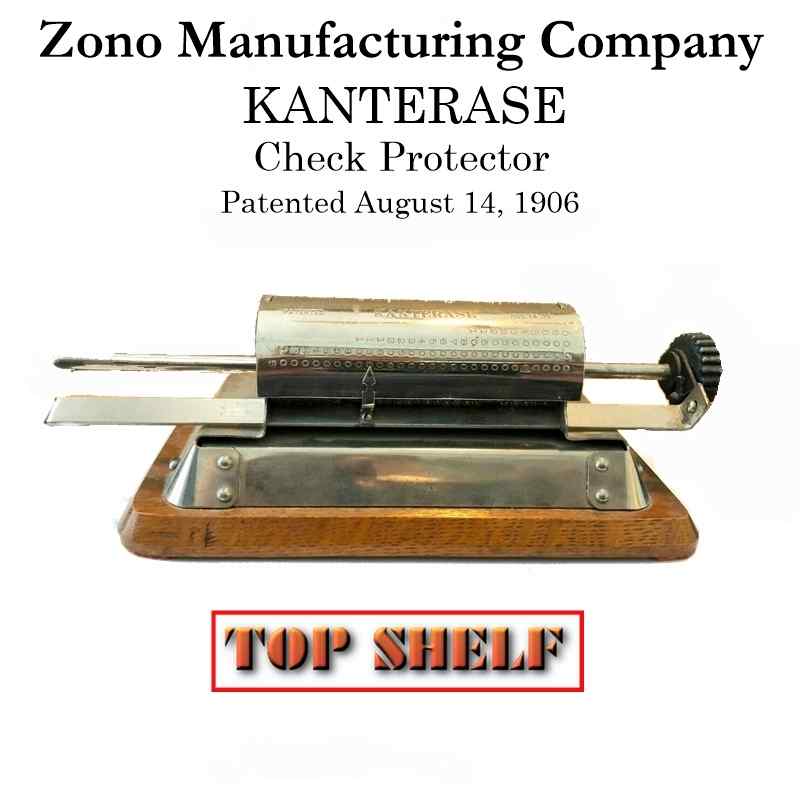
ZONO Check Protecter circa 1906 Top Shelf
See it in the 3D museum · Curt’s page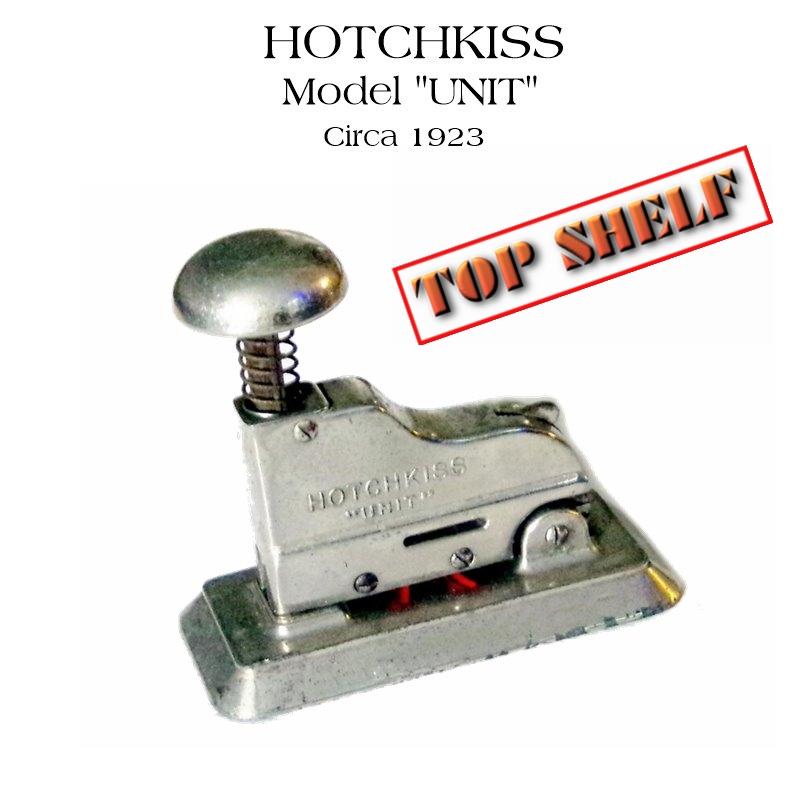
Hotchkiss 1923 Top Shelf
See it in the 3D museum · Curt’s page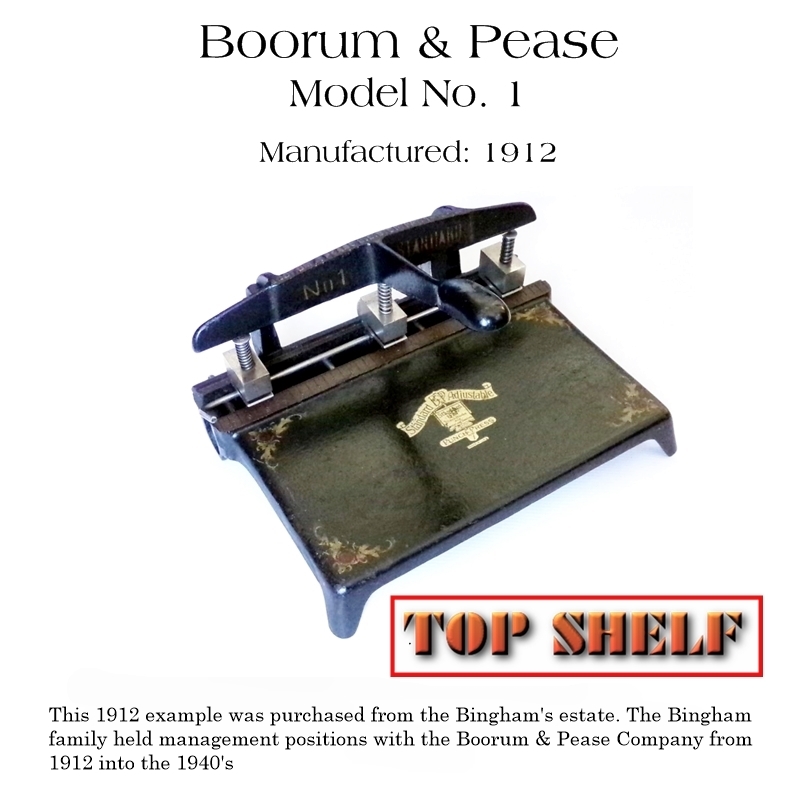
Boorum & Pease Perforator 1912 Top Shelf
See it in the 3D museum · Curt’s page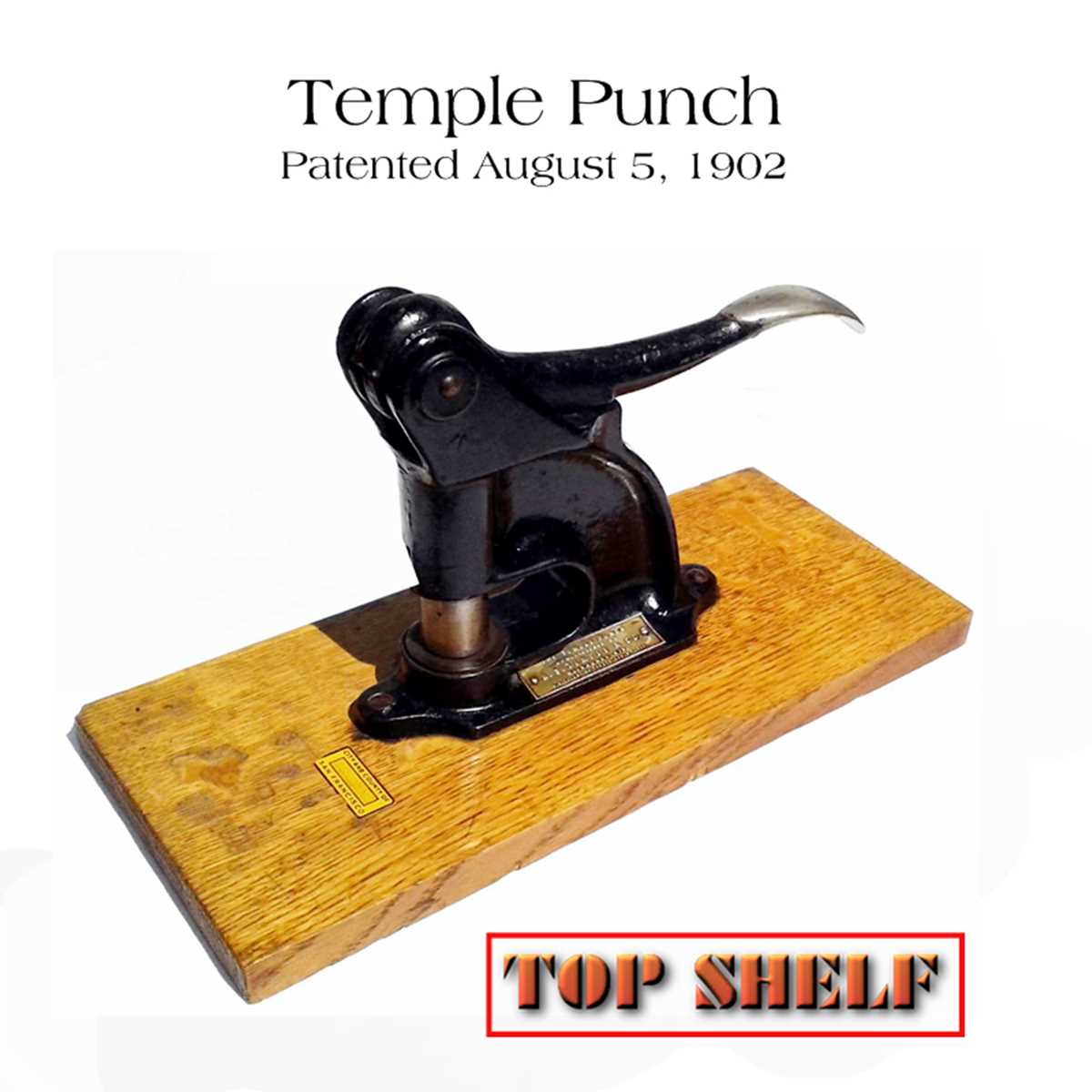
Temple Punch 1902 Top Shelf
See it in the 3D museum · Curt’s page“Indications are that the machine was produced and marketed by the Tengwall File and Ledger Company. The Temple Hole Punch was advertised in Tengwall Talks, the monthly Tengwell sales magazine, in 1902.”
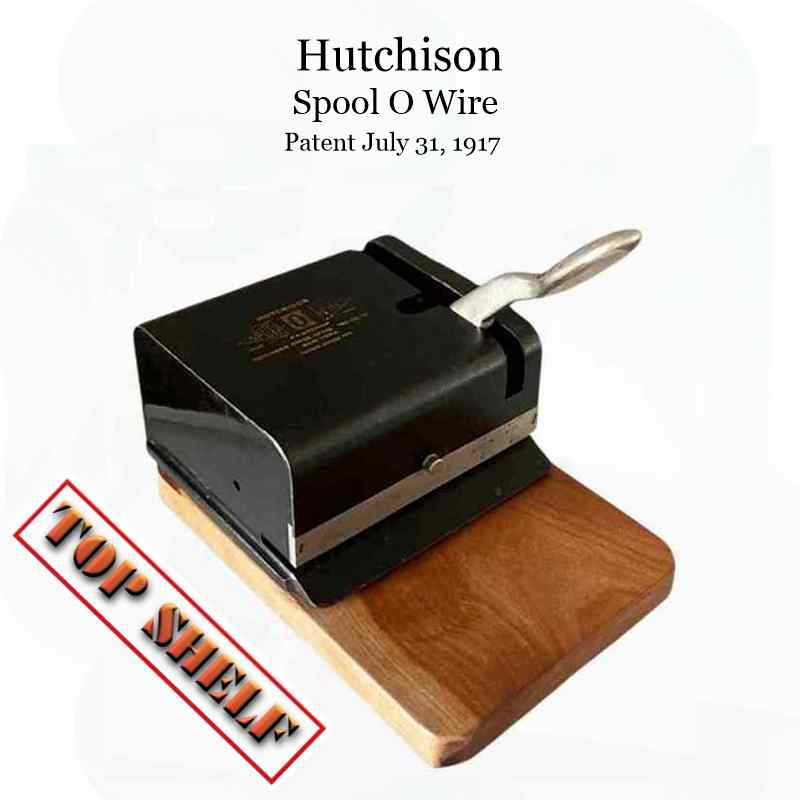
Hutchison Spool O Wire, patent July 31, 1917 Top Shelf
See it in the 3D museum · Curt’s page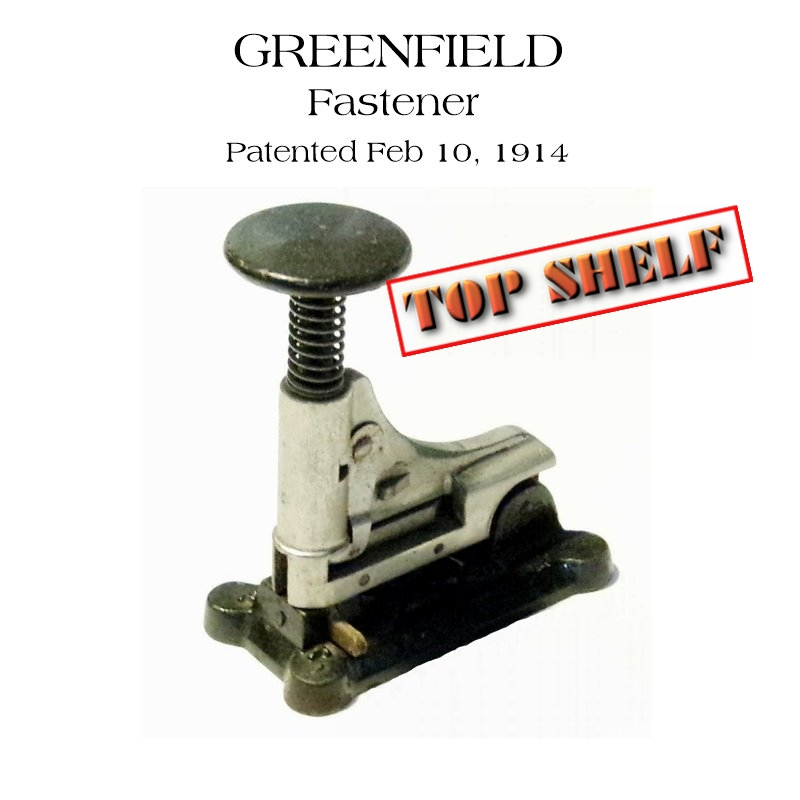
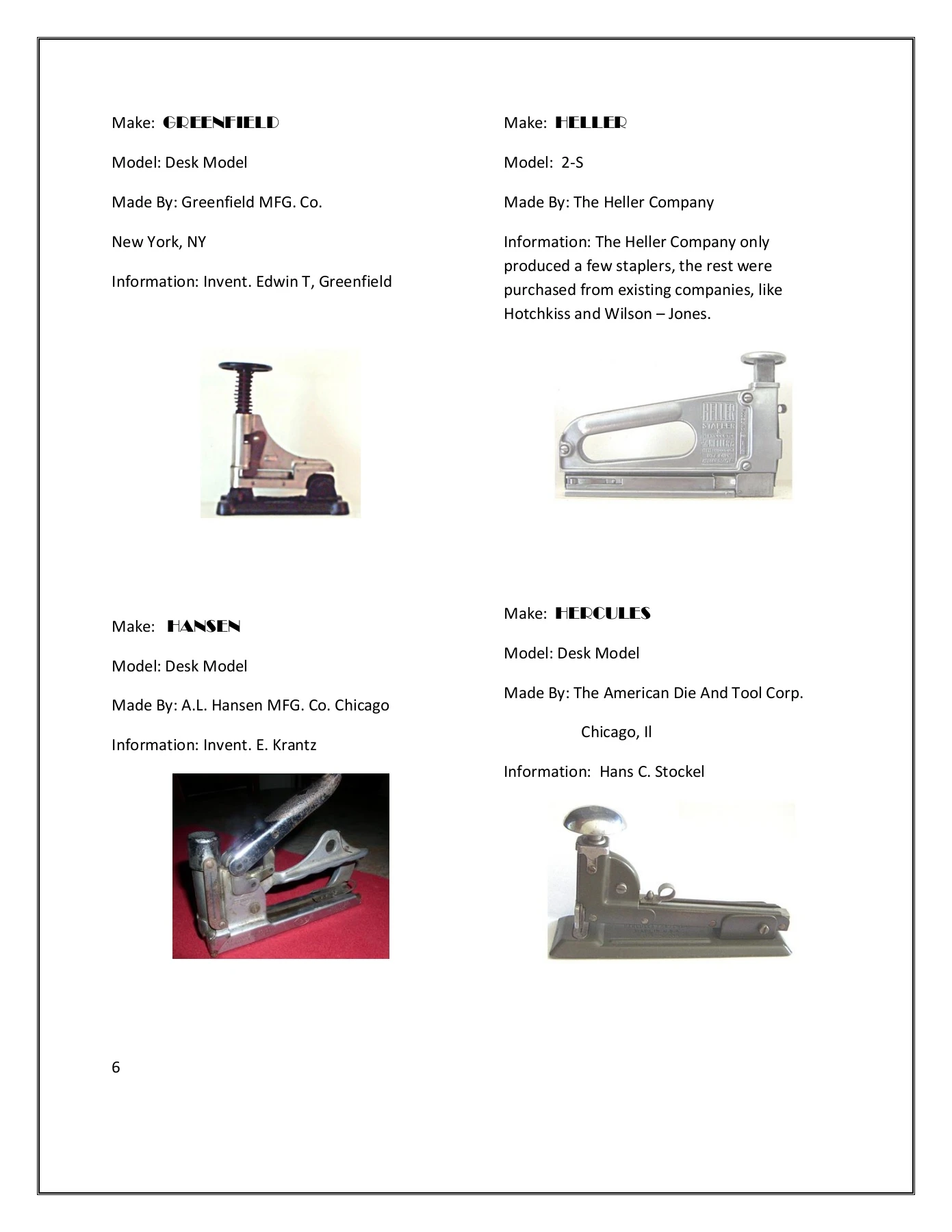
Greenfield 1914 Top Shelf
See it in the 3D museum · Curt’s page“Model B (1919): Patented in 1918 and sold in 1919, the Model B refined the feeding dog and added the two-position anvil, marking the first known stapler with this capability.”
Make: Greenfield. Model: Desk Model. Made by: Greenfield MFG. Co., New York, NY. Information: Invented by Edwin T. Greenfield.
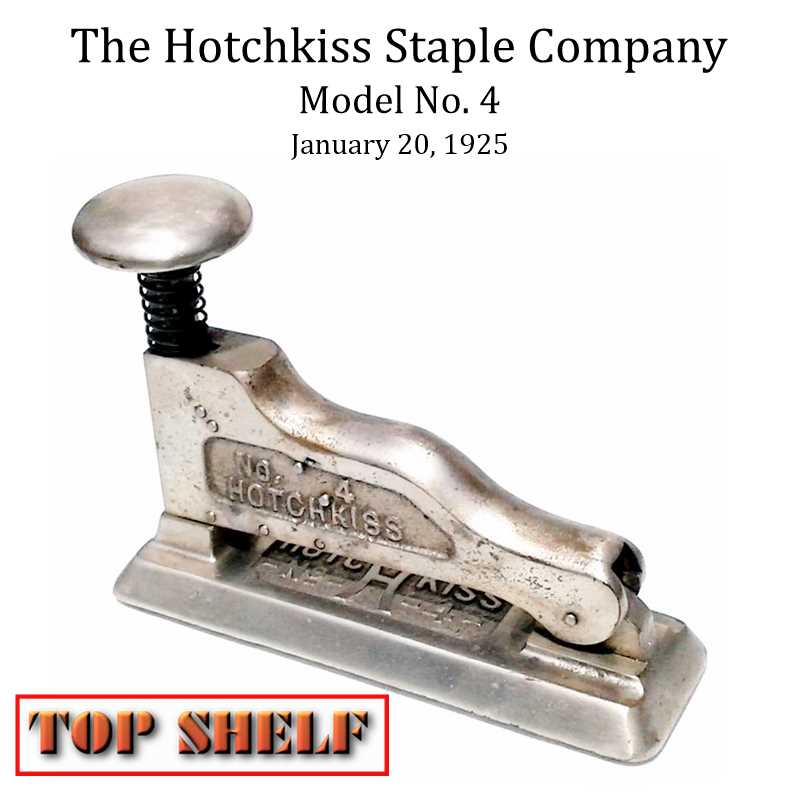
Hotchkiss No. 4 Stapler (1925) Top Shelf
See it in the 3D museum · Curt’s page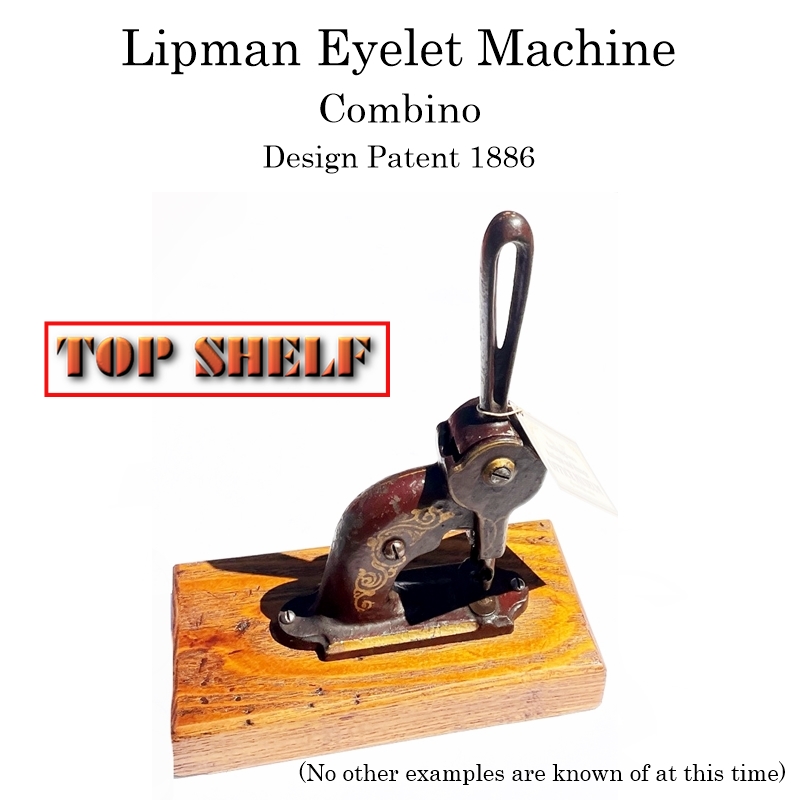
Lipman Eyelet Machine 1886 Top Shelf
See it in the 3D museum · Curt’s page“Lipman later marketed his own version of a similar eyelet machine in 1886, after the Steinmetz patent expired.”
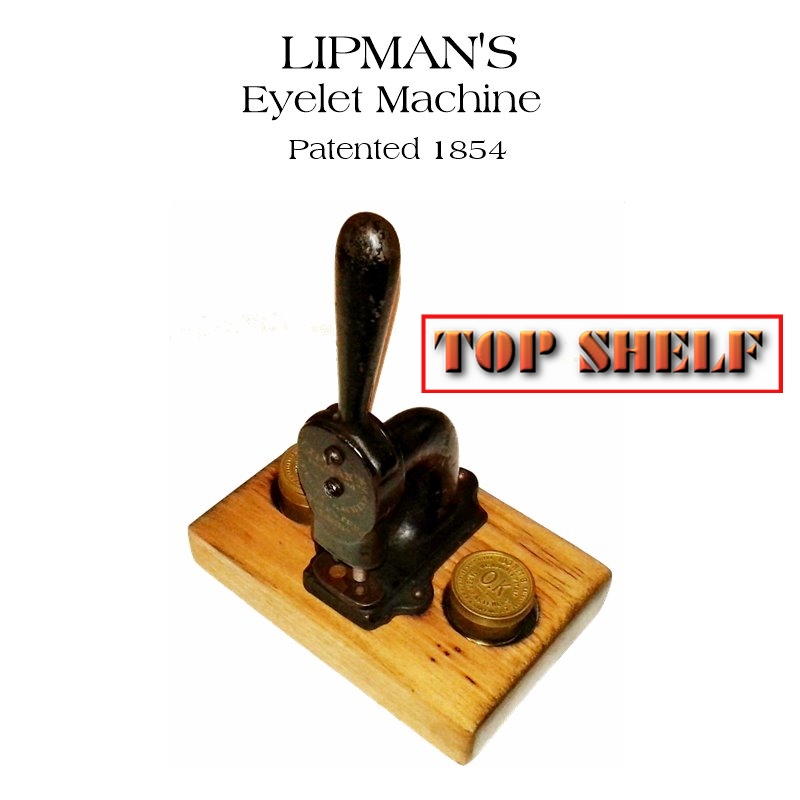
Lipman's Eyelet Machine, patented 1854 Top Shelf
See it in the 3D museum · Curt’s page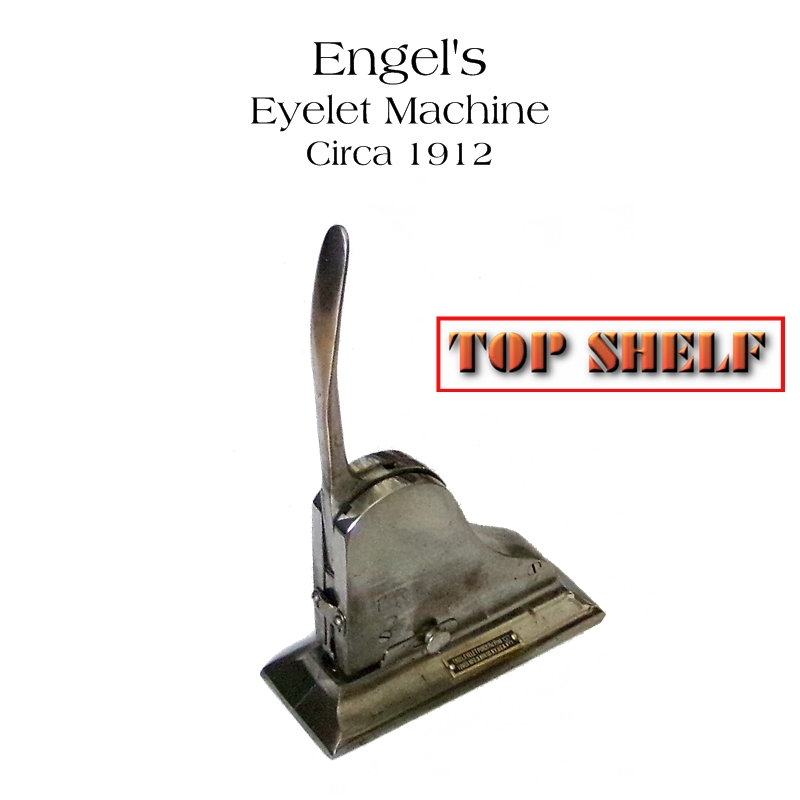
Engel Eyelet Machine 1912 Top Shelf
See it in the 3D museum · Curt’s page“It represented an advancement in automation in that it used strips of eyelets rather than requiring the operator to insert individual eyelets one at a time.”
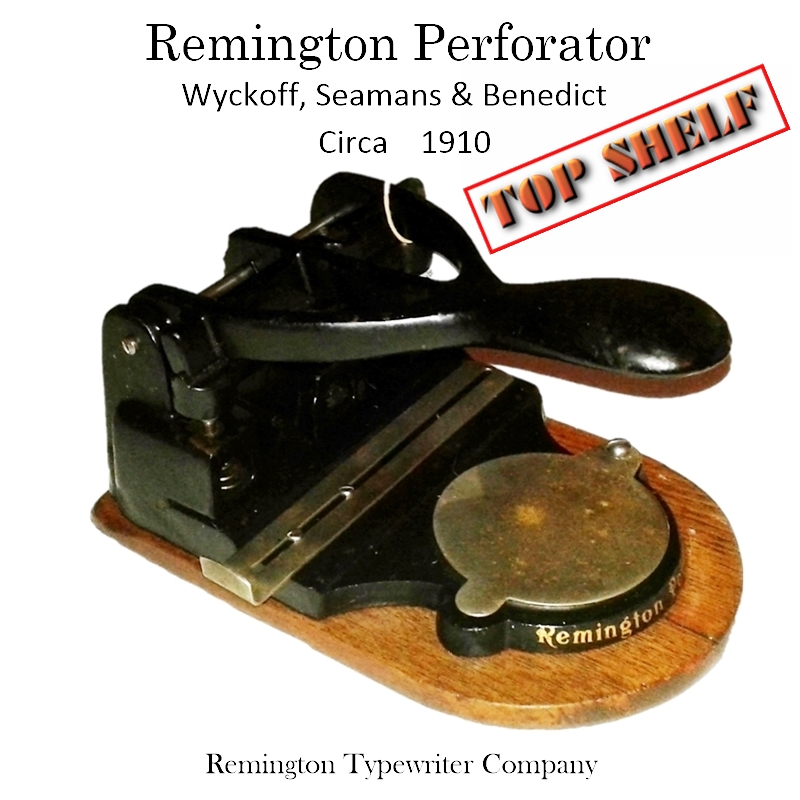
Remington Perforator 1910 Top Shelf
See it in the 3D museum · Curt’s page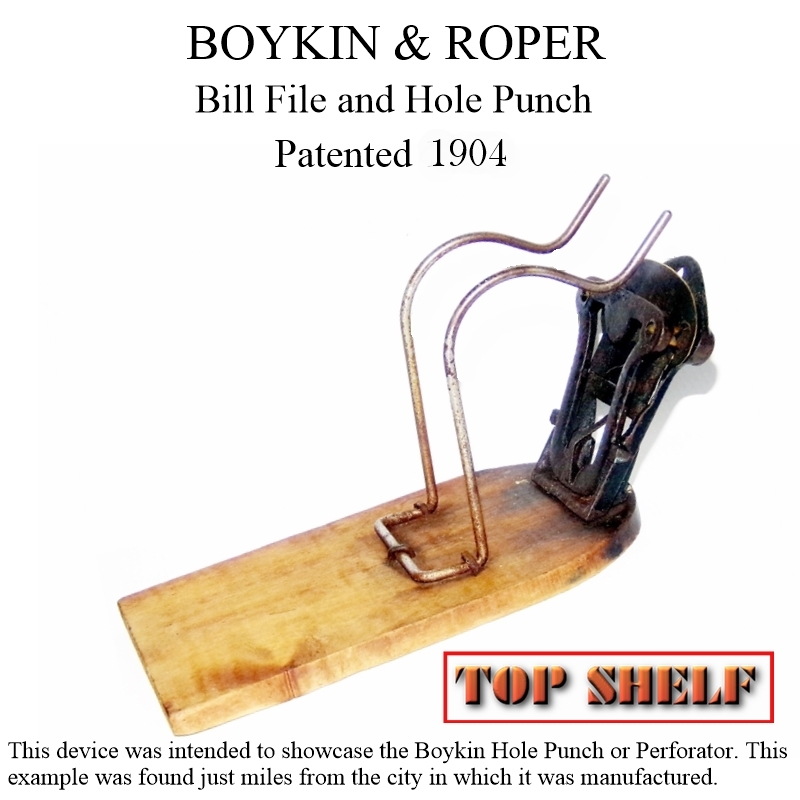
Boykin & Roper Bill File and Hole Punch, patented 1904 Top Shelf
See it in the 3D museum · Curt’s page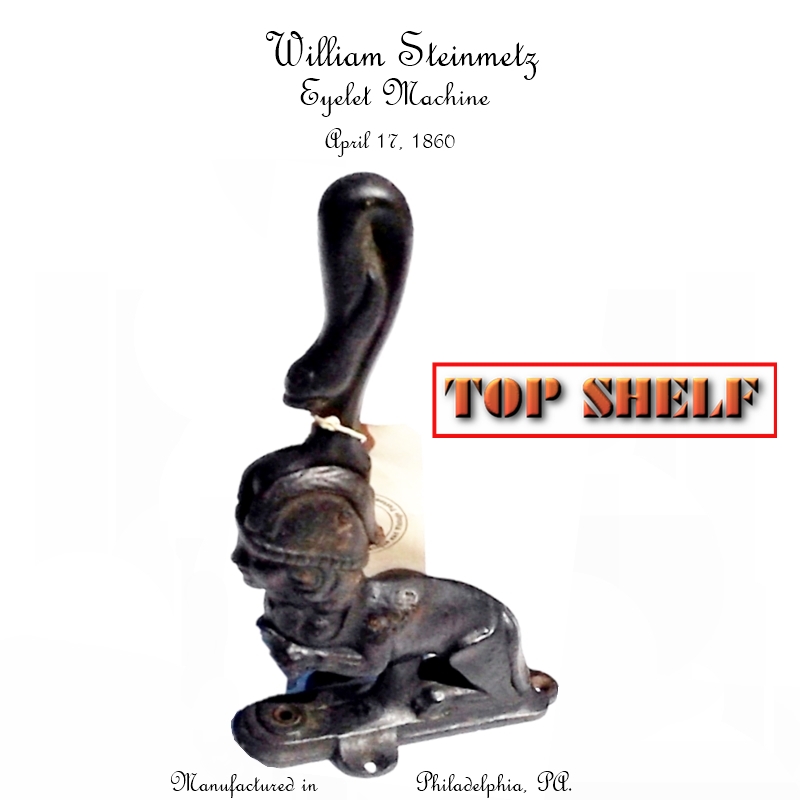
William Steinmetz Eyelet Machine, patented April 17, 1860, Philadelphia Top Shelf
See it in the 3D museum · Curt’s page“The machine’s helmet (top casting) is marked with: “Steinmetz” “Philadelphia” “Pat April 17, 1860” indicating both the inventor and patent date.”
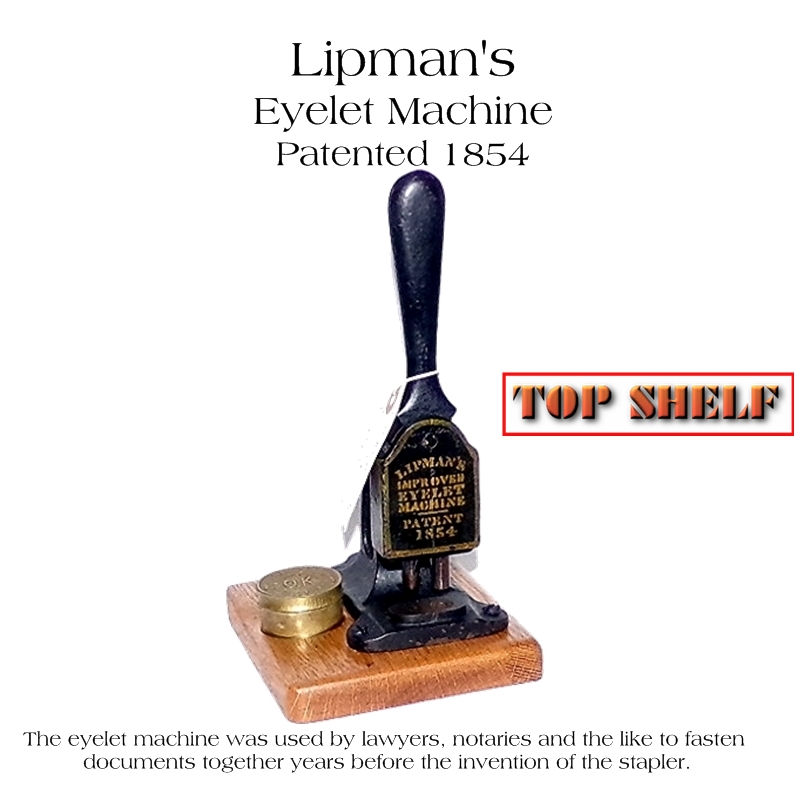
Lipman Eyelet Machine 1854 Top Shelf
See it in the 3D museum · Curt’s page“The eyelet machine as a standardized marketplace product dates to 1854, when Hymen Lipman invented and marketed the first eyelet press.”
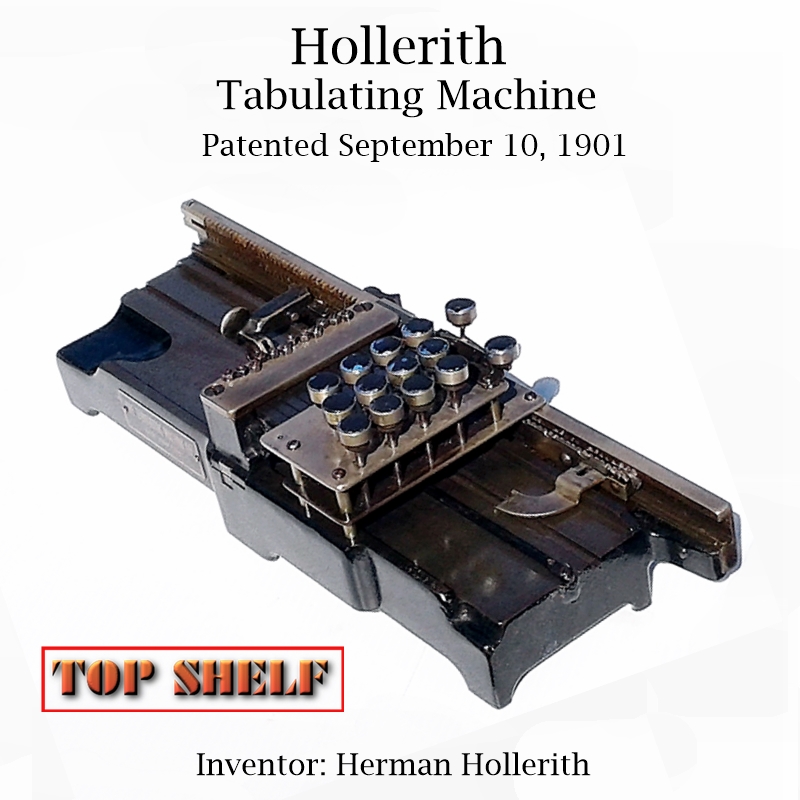
Hollerith Tabulating 1901 Machine Top Shelf
See it in the 3D museum · Curt’s page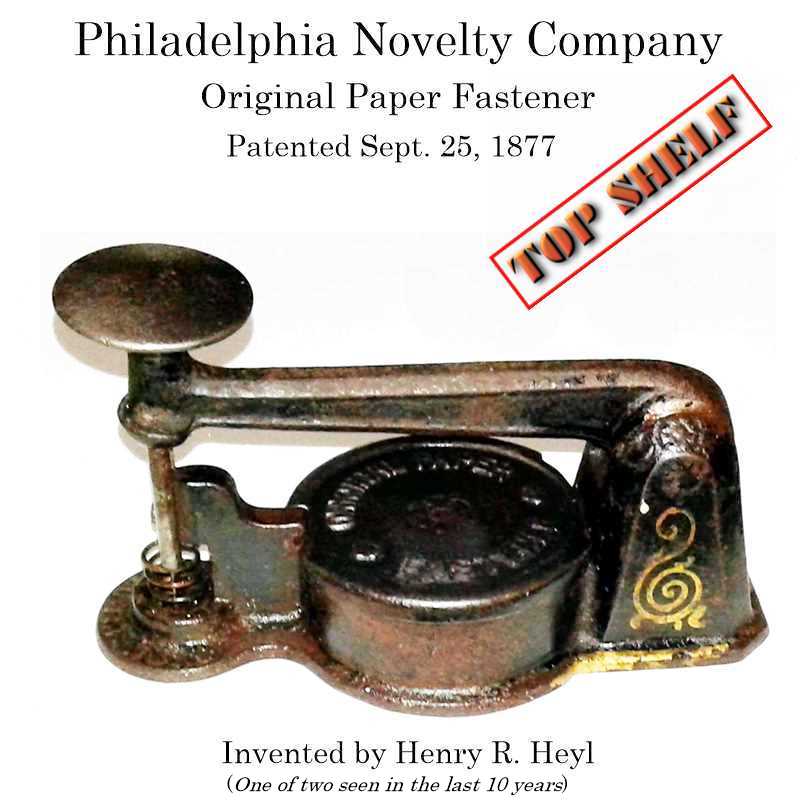
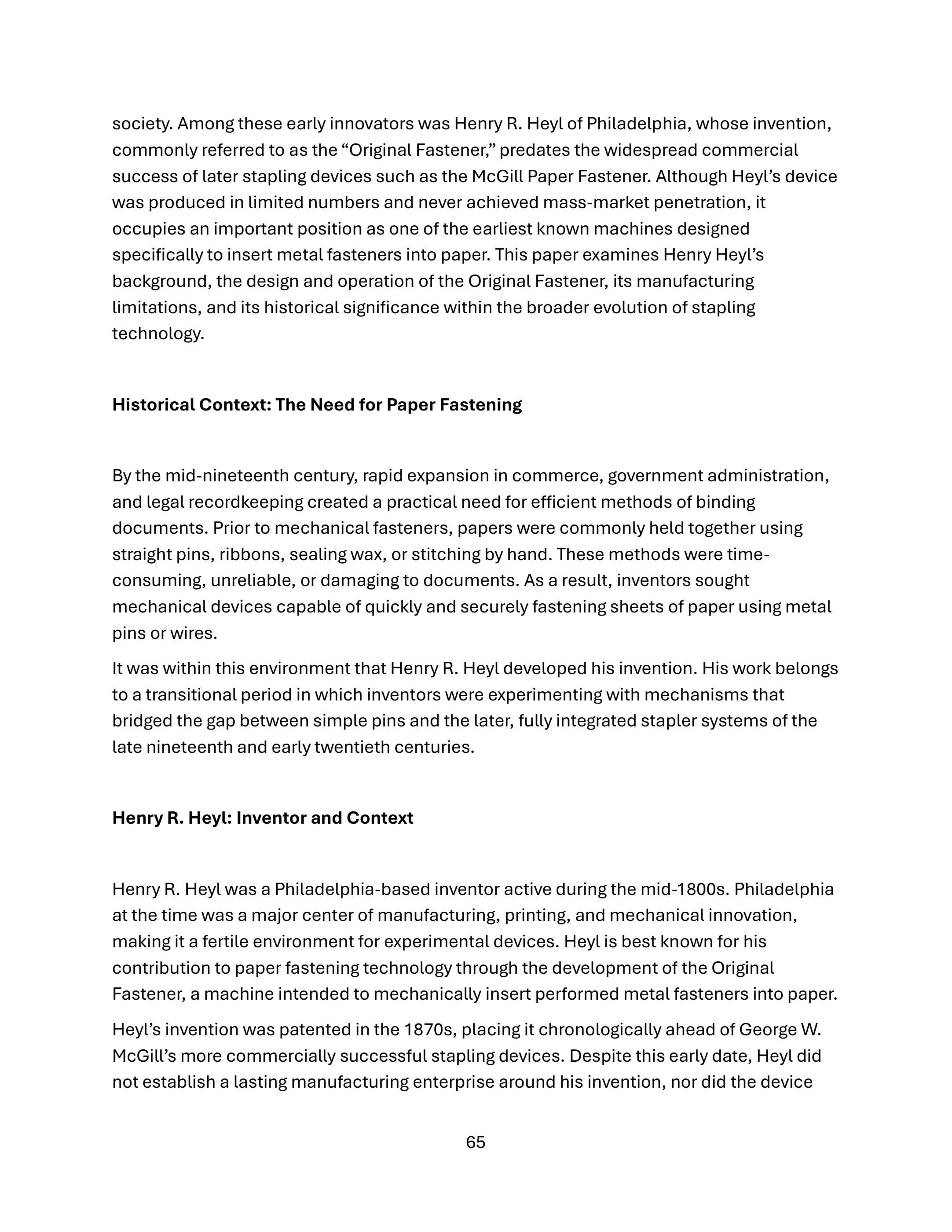
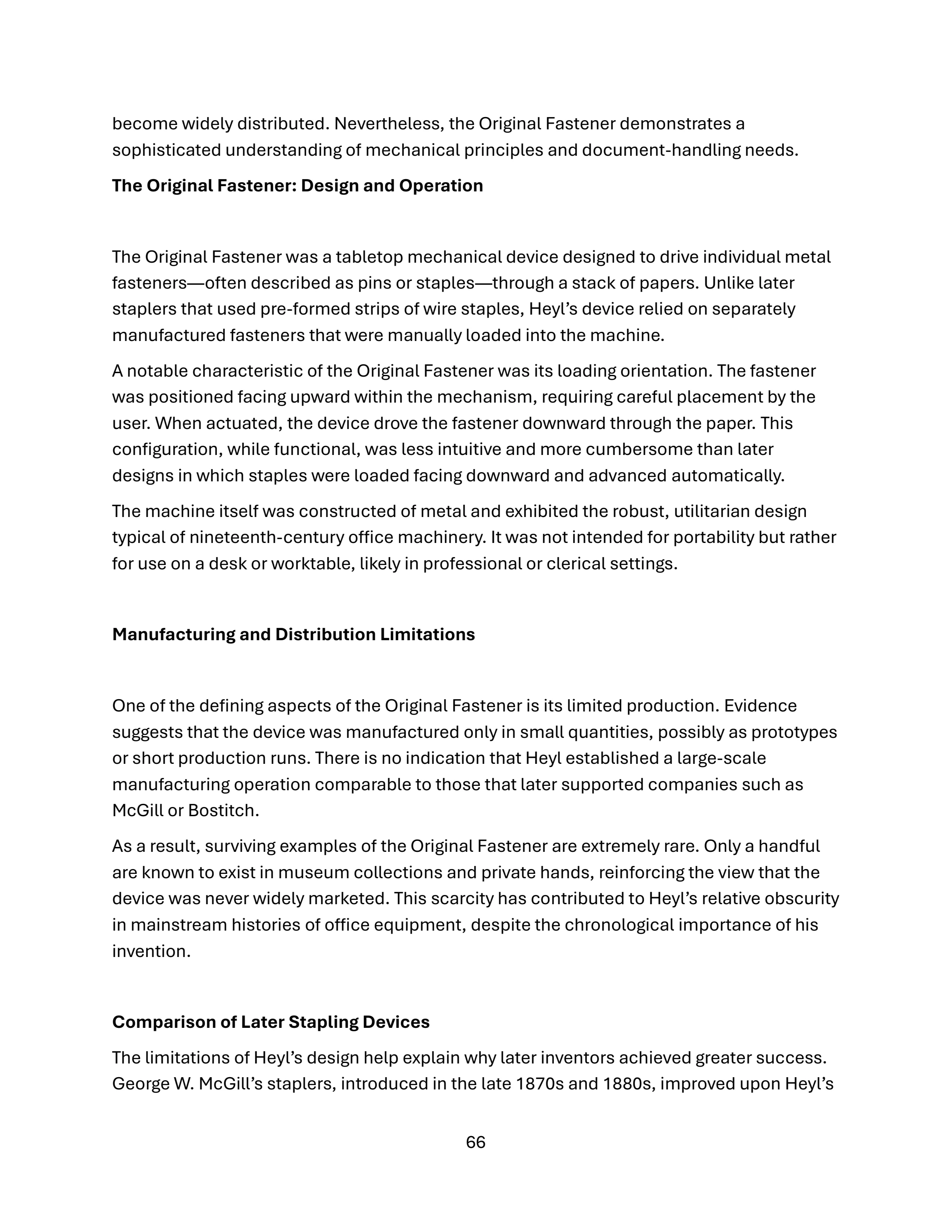
Original Paper Fastener 1877 Top Shelf
See it in the 3D museum · Curt’s page“Invented by Henry R. Heyl (One of two seen in the last 10 years)”
Henry R. Heyl of Philadelphia, whose invention, commonly referred to as the “Original Fastener,” predates the widespread commercial success of later stapling devices such as the McGill Paper Fastener … one of the earliest known machines designed specifically to insert metal fasteners into paper.
A notable characteristic of the Original Fastener was its loading orientation. The fastener was positioned facing upward within the mechanism, requiring careful placement by the user. When actuated, the device drove the fastener downward through the paper.
Surviving examples of the Original Fastener are extremely rare. Only a handful are known to exist in museum collections and private hands.
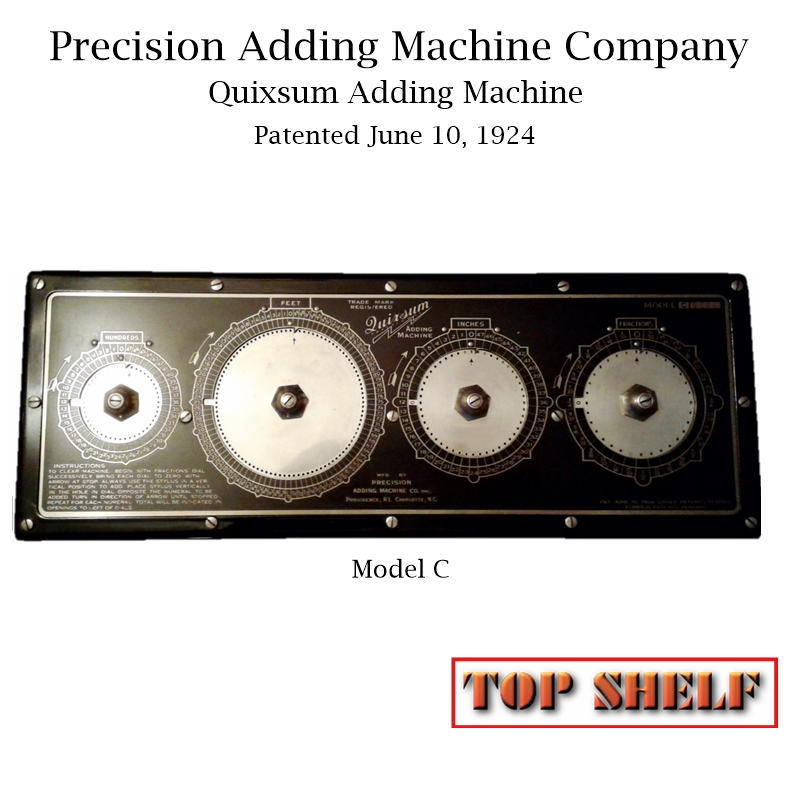
Quixsum Adding Machine, Model C, patented June 10, 1924 Top Shelf
See it in the 3D museum · Curt’s page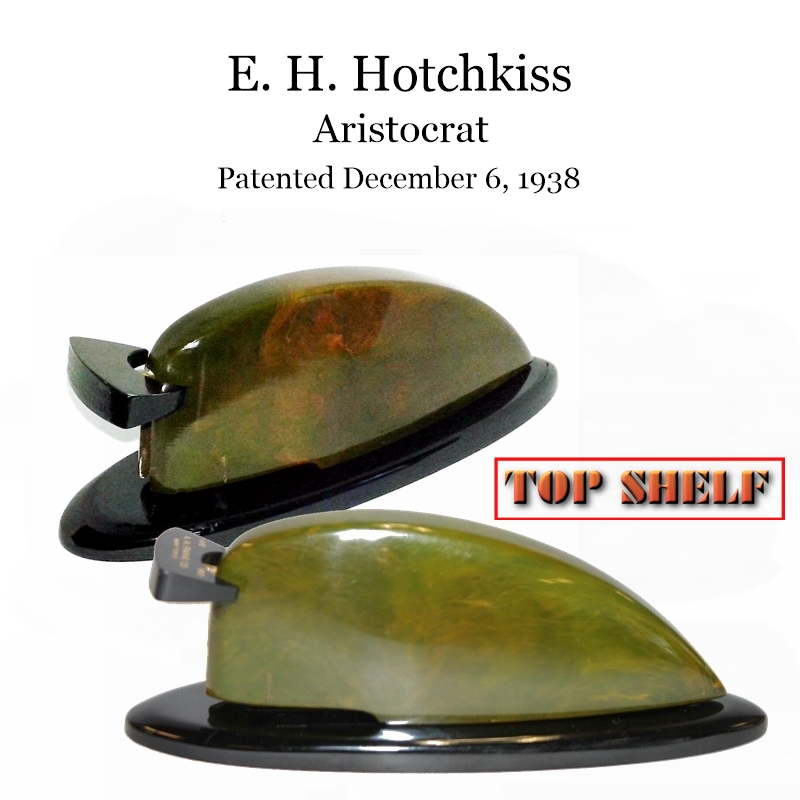
Hotchkiss Aristocrat 1938 Top Shelf
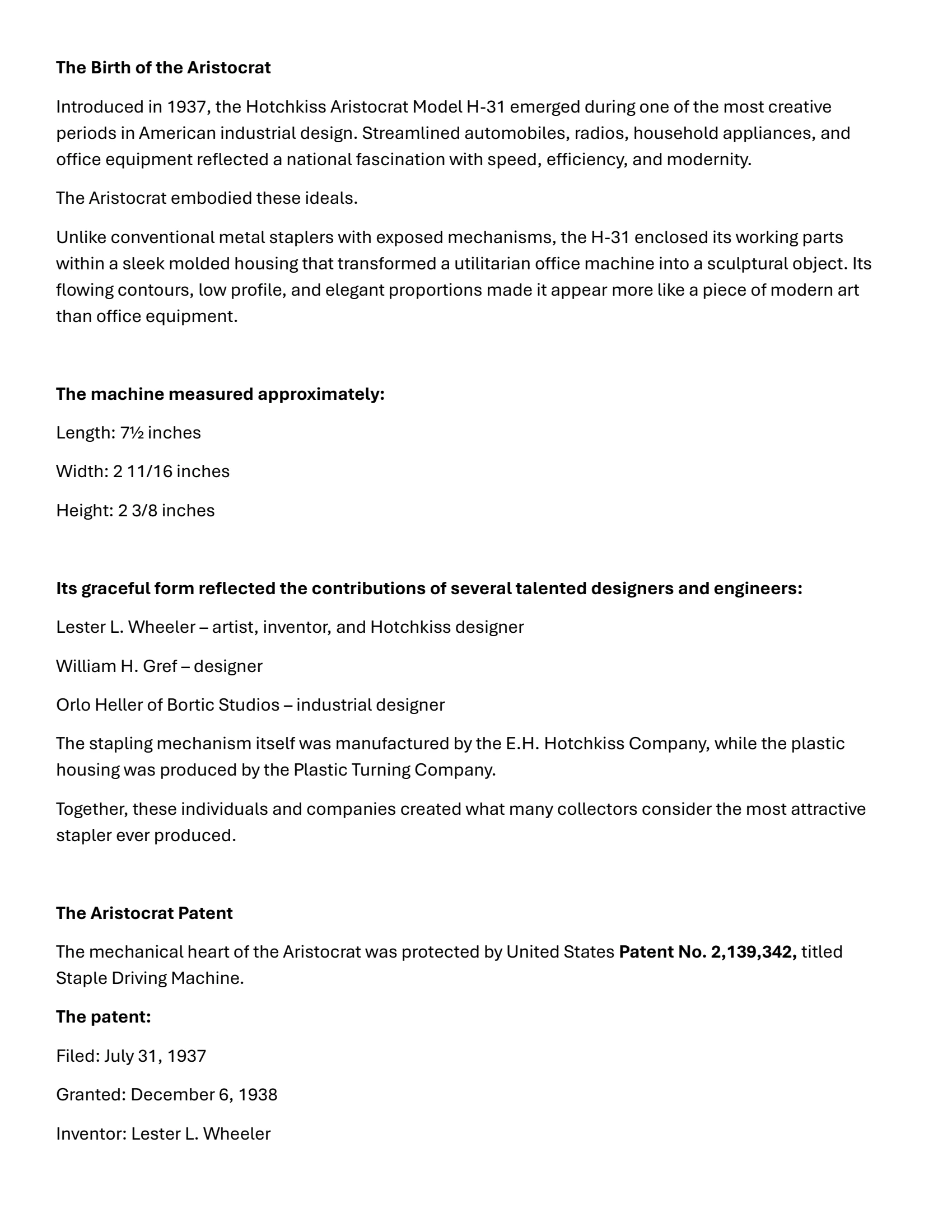
See it in the 3D museum · Curt’s page“Today, the Hotchkiss Aristocrat is widely regarded as one of the most desirable and collectible staplers ever produced. With fewer than a dozen documented examples presently known in museums and private collections, it may also rank among the rarest American production staplers ever manufactured.”
Introduced in 1937, the Hotchkiss Aristocrat Model H-31 … enclosed its working parts within a sleek molded housing that transformed a utilitarian office machine into a sculptural object.
The machine measured approximately: length 7½ inches, width 2 11/16 inches, height 2 3/8 inches.
Designers: Lester L. Wheeler (artist, inventor, and Hotchkiss designer), William H. Gref, and Orlo Heller of Bortic Studios. The stapling mechanism was manufactured by the E.H. Hotchkiss Company; the plastic housing by the Plastic Turning Company.
Protected by United States Patent No. 2,139,342, Staple Driving Machine: filed July 31, 1937; granted December 6, 1938; inventor Lester L. Wheeler.
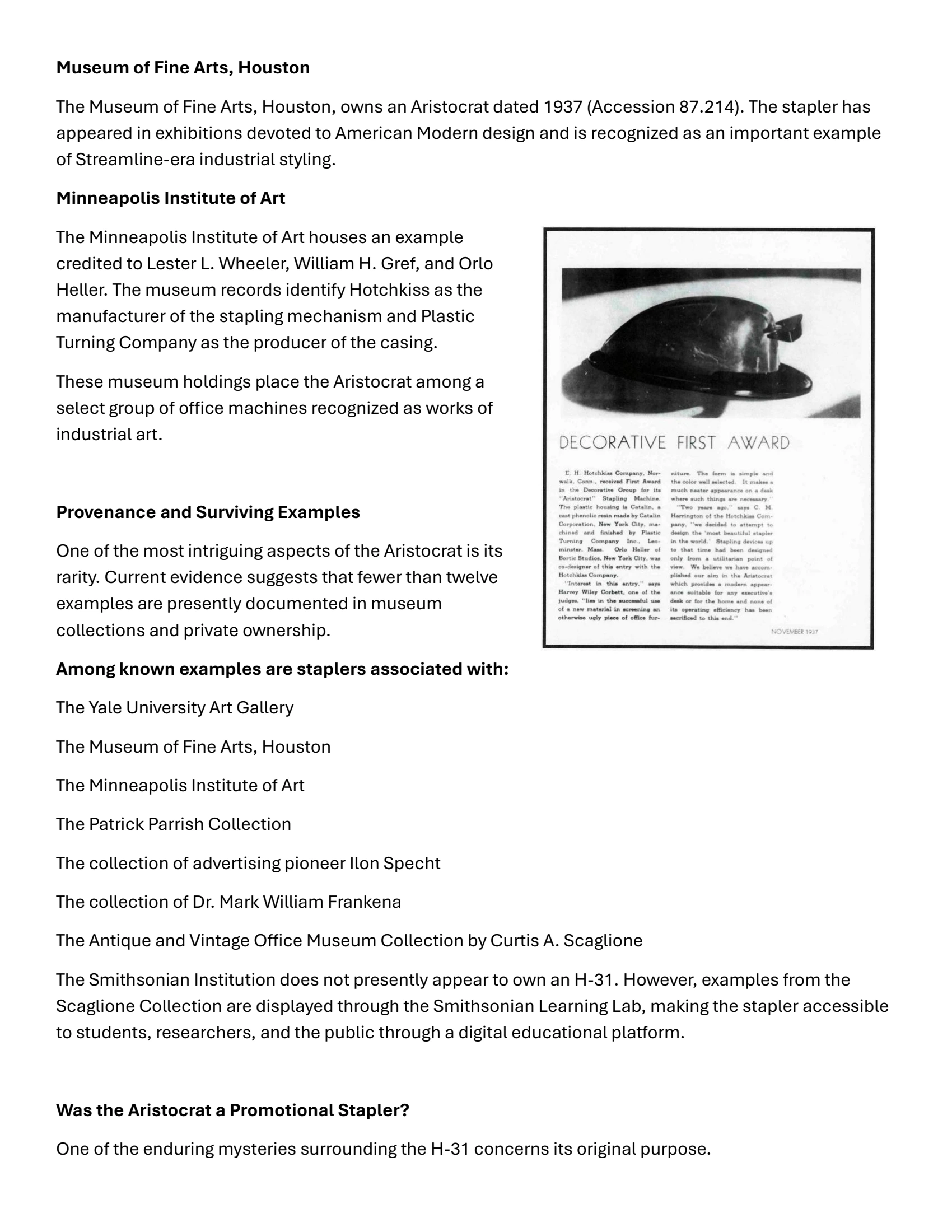
The Museum of Fine Arts, Houston, owns an Aristocrat dated 1937 (Accession 87.214). The Minneapolis Institute of Art houses an example credited to Lester L. Wheeler, William H. Gref, and Orlo Heller.
Current evidence suggests that fewer than twelve examples are presently documented in museum collections and private ownership. Among known examples are staplers associated with the Yale University Art Gallery, the Museum of Fine Arts, Houston, the Minneapolis Institute of Art … and the Antique and Vintage Office Museum Collection by Curtis A. Scaglione.
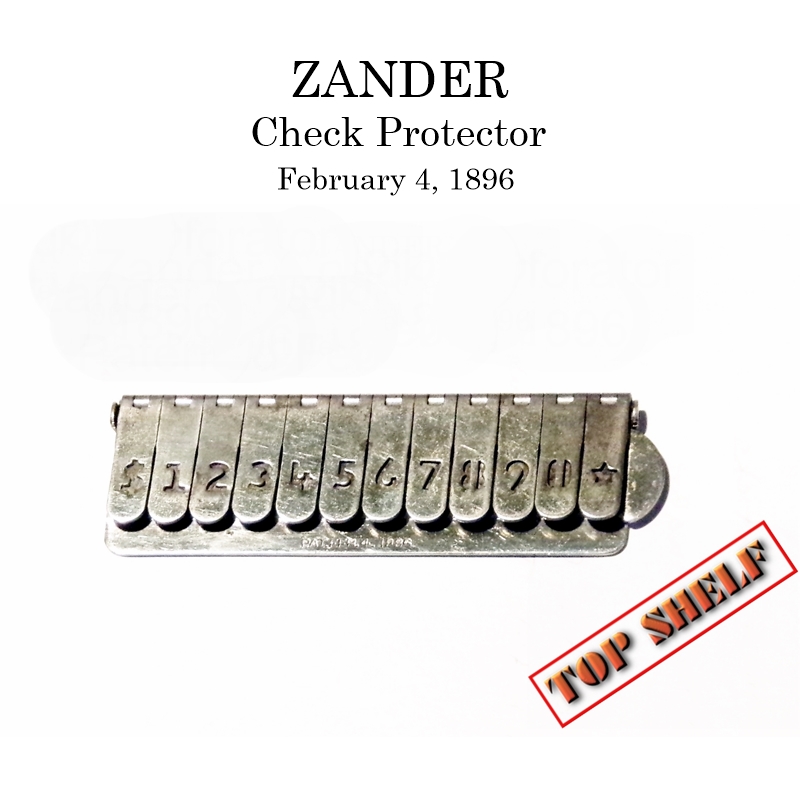
Zander Check Protecter circa 1896 Top Shelf
See it in the 3D museum · Curt’s page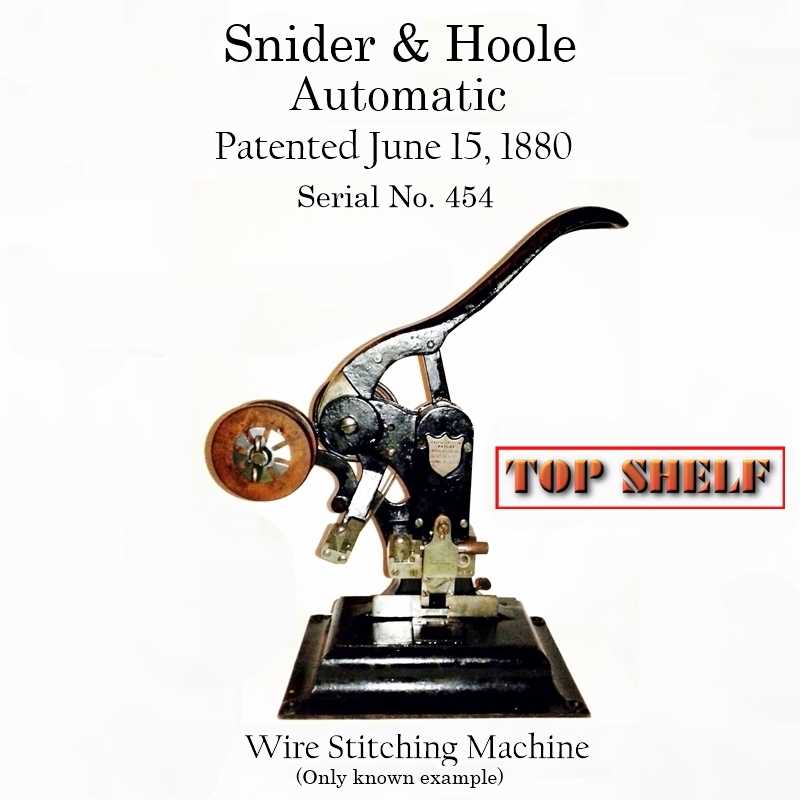
Automatic Wire Stitching Machine 1880 Top Shelf
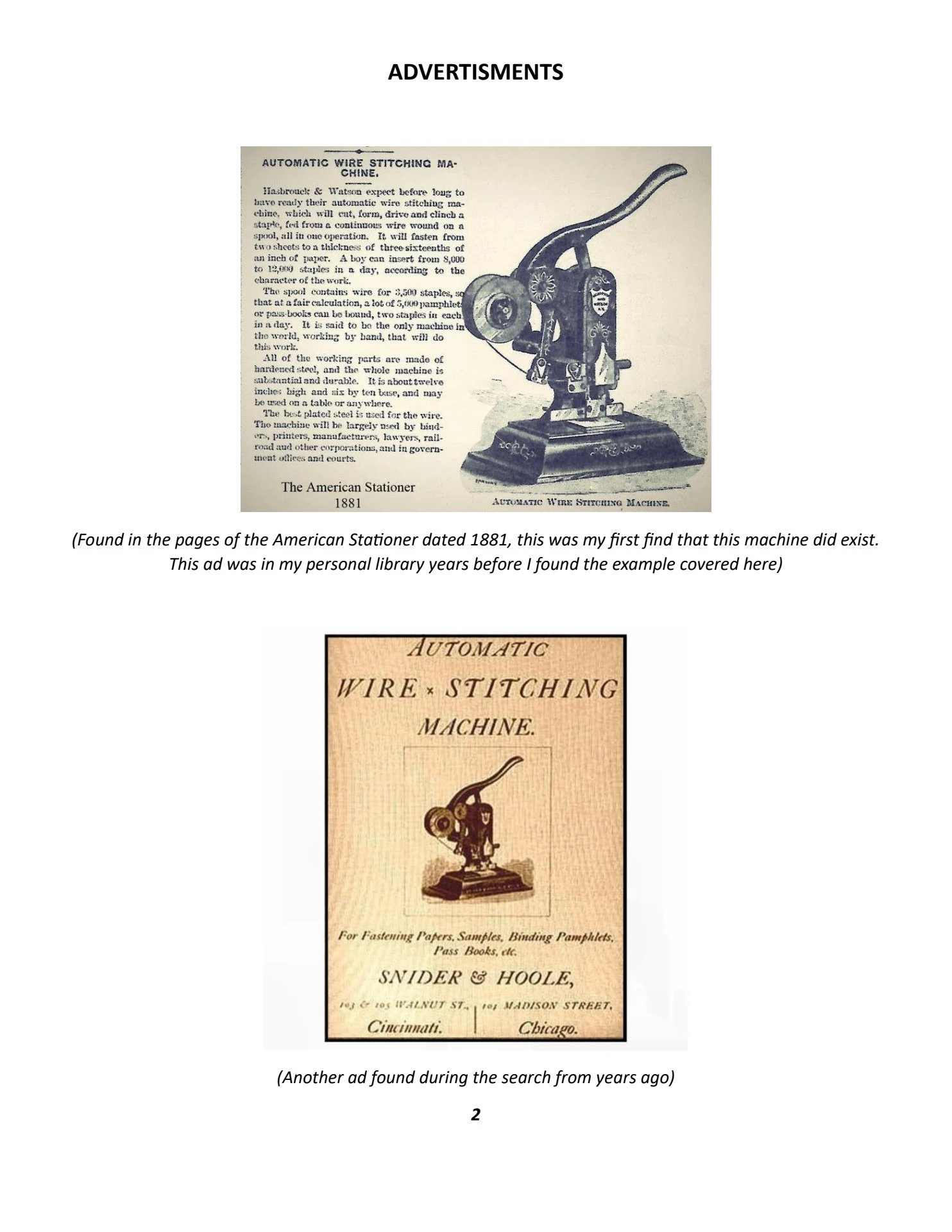
See it in the 3D museum · Curt’s page“For years it was common belief that the Automatic Wire Stitching Machine was lost to history.”
“Production was not started until 1881. It is believed that not many were produced and as of this date, this example is the lone survivor.”
“This stapler comes from a gentleman's estate that lived in City Beach, Western Australia. This person was reportedly a missionary.”
“As I do every day, I conduct what I call, the never-ending search. As in this case, I was running searches on rare machines that I already had but wouldn’t mind owning another. That is when I came across the original mailer for the Automatic Wire Stitching Machine. It doesn’t get any better.”
Hasbrouck & Watson expect before long to have ready their automatic wire stitching machine, which will cut, form, drive and clinch a staple, fed from a continuous wire wound on a spool, all in one operation.
It will fasten from two sheets to a thickness of three-sixteenths of an inch of paper. A boy can insert from 8,000 to 12,000 staples in a day, according to the character of the work. The spool contains wire for 3,500 staples.
All of the working parts are made of hardened steel … It is about twelve inches high and six by ten base, and may be used on a table or anywhere.
Automatic Wire Stitching Machine, p. 2 (an 1881 trade journal notice)
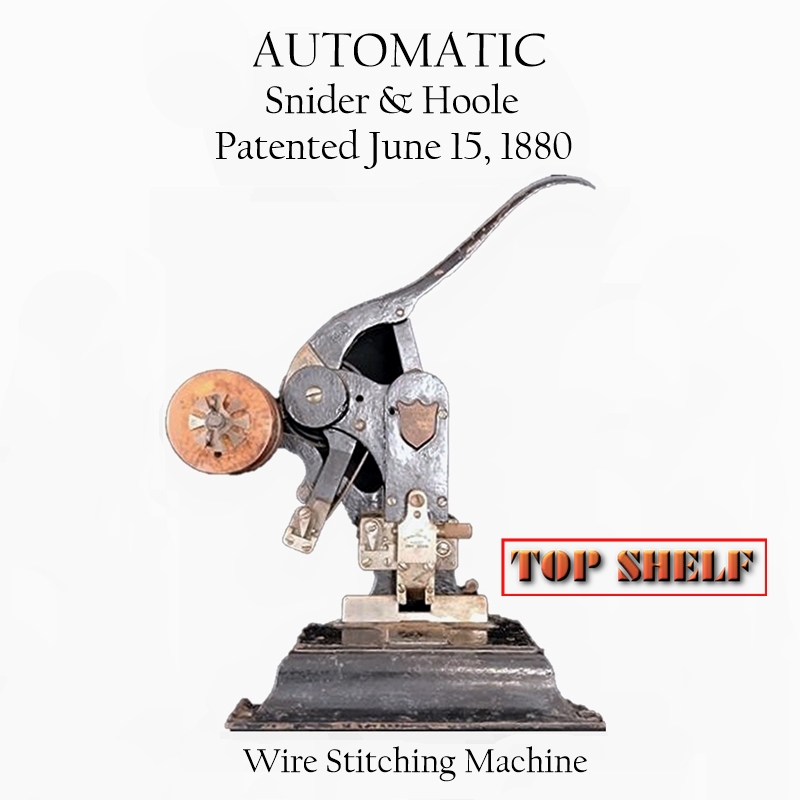
Automatic (1880) Top Shelf
See it in the 3D museum · Curt’s page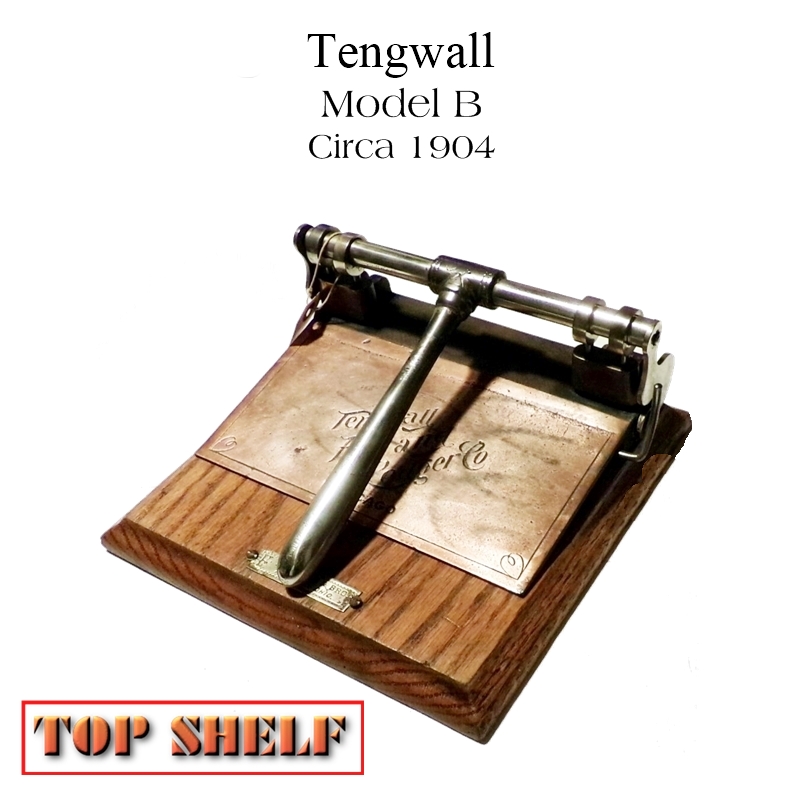
Tengwall Model B, circa 1904 Top Shelf
See it in the 3D museum · Curt’s page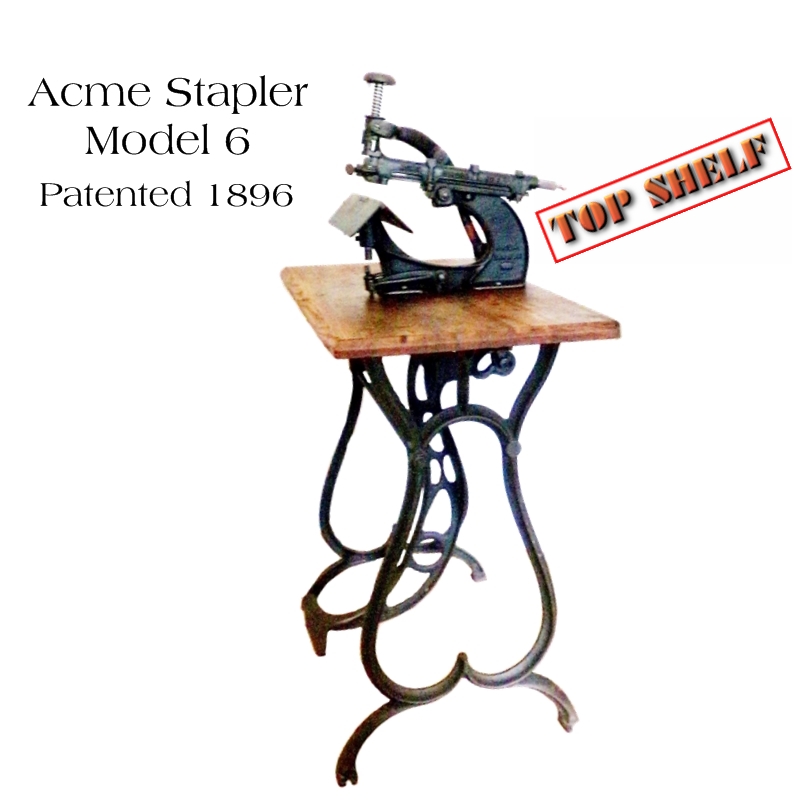
Acme Model 6, patented 1895 Top Shelf
See it in the 3D museum · Curt’s page“…this extremely hard to find machine is now complete and in working order.”


Staplers
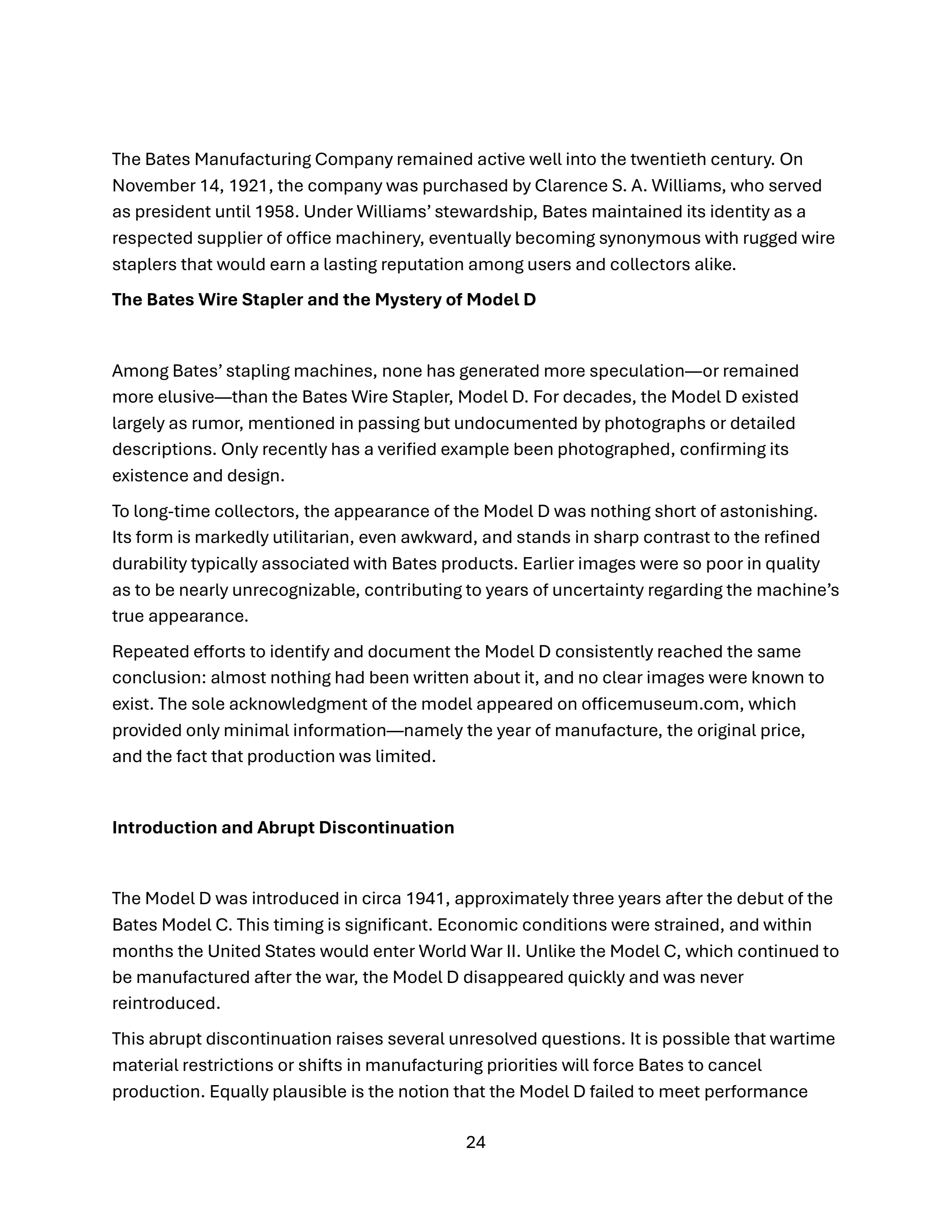
Staplers have been around since the late 1870's therefore, we have a great selection of antique and vintage machines for review and examination. The development of staplers really took off in the early 1900's and improvements followed. Many machines produced today are based on designs dating the early 1930's. Today, we refer to this office machine as a stapler. But early paper fasteners included the Eyelet machine and pin fasteners. Even now, some examples are proving to be more desirable to collectors and are harder to find. When examining the early machines, it easy to see these machines are historic. They were developed and manufactured during the mechanical revolution. Simple in design yet dependable. These 19th century and early 20th century designs are what you would expect of the era and this is where the concept of paper fasteners began.
See this gallery in the 3D museum · Curt’s page for Staplers
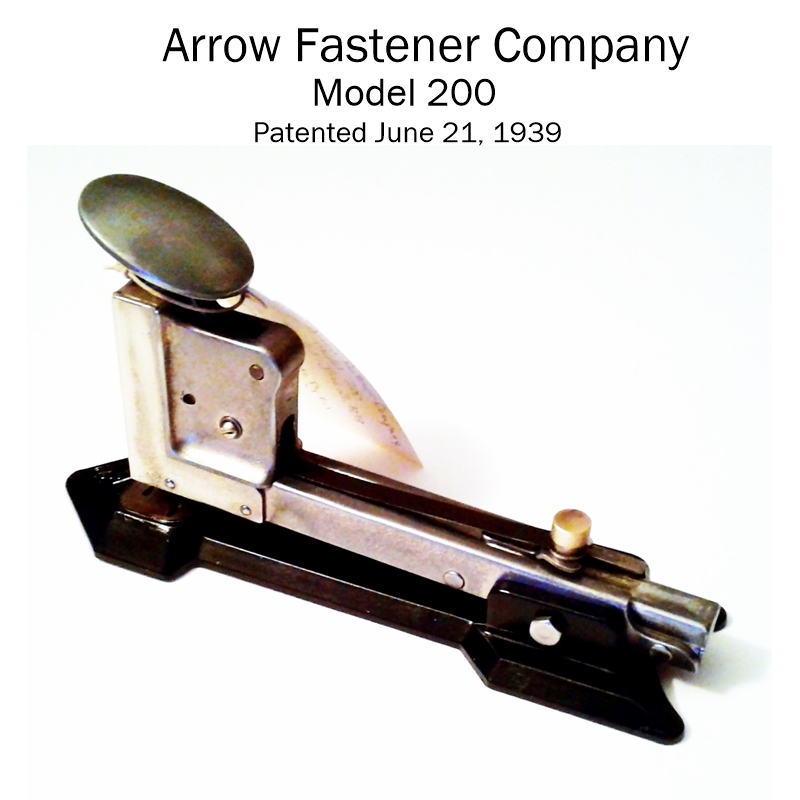
Arrow Fastener 1939
See it in the 3D museum · Curt’s page“Model 200 was patented in 1939 and consider a desirable addition to any collection.”
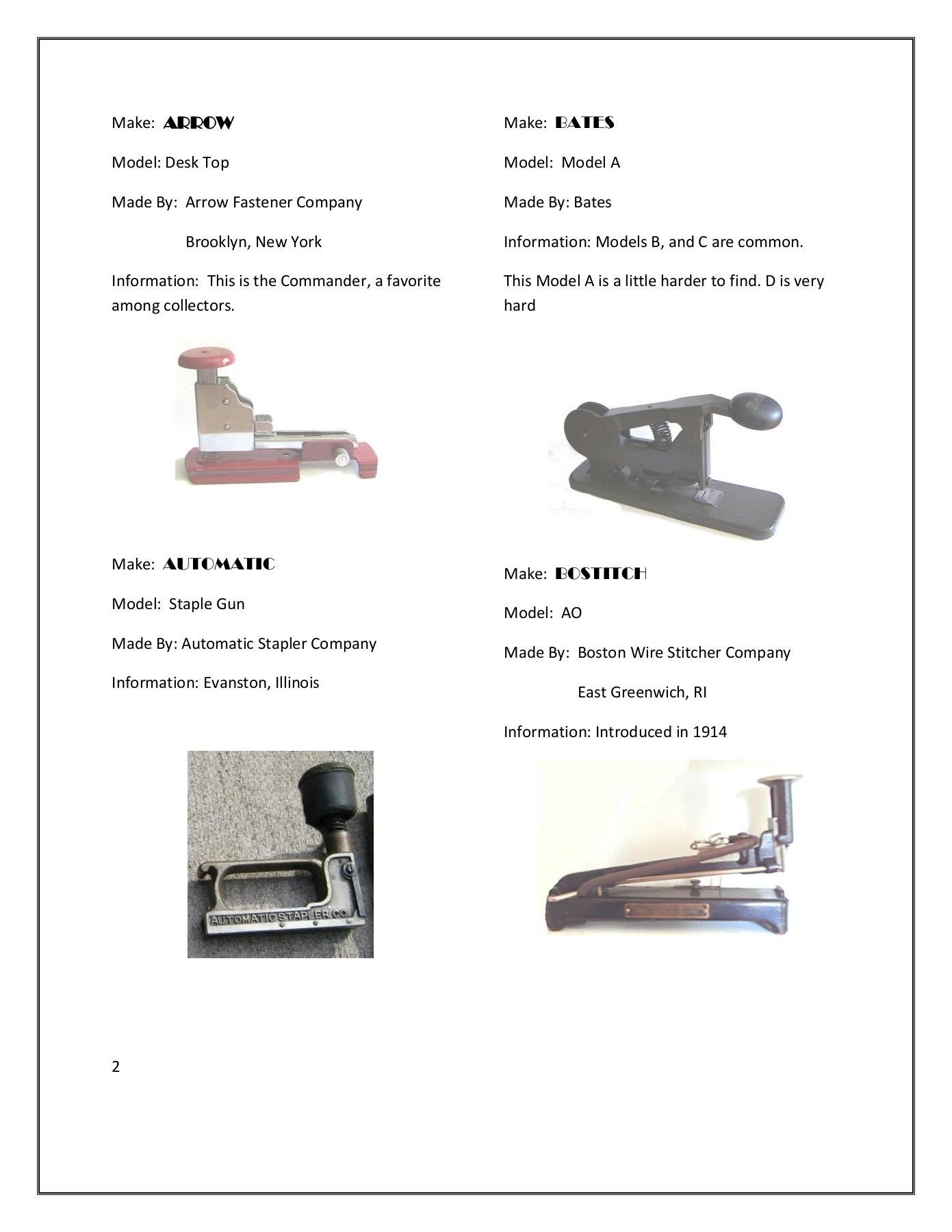
Make: Arrow. Made by: Arrow Fastener Company, Brooklyn, New York. (The Arrow pictured in the register is the Commander, “a favorite among collectors.”)
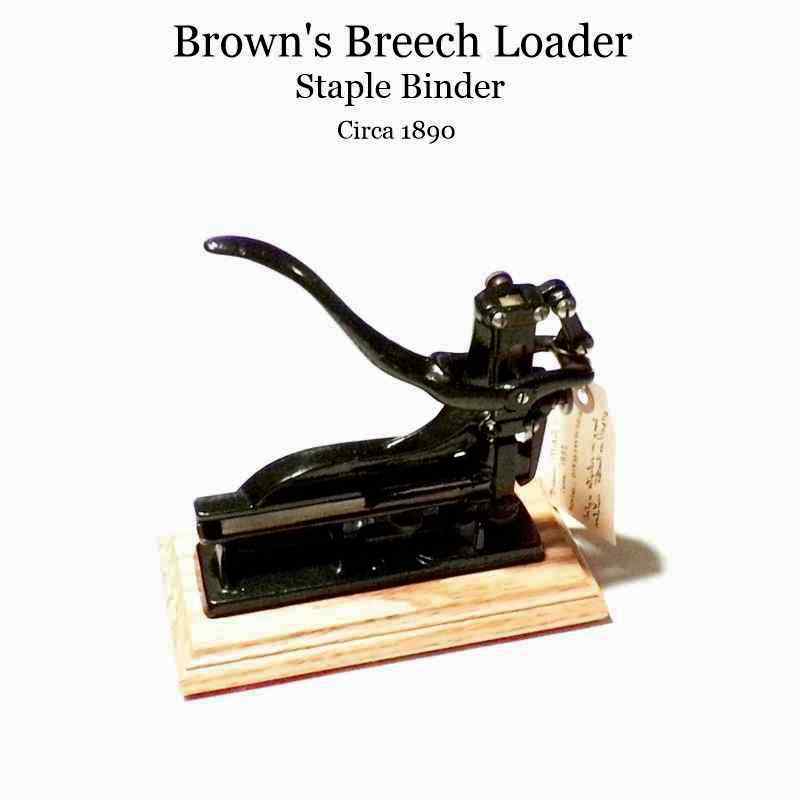
Brown's Breech Loader Staple Binder, circa 1890
See it in the 3D museum · Curt’s page“The Brown Staple Company later became the Acme Staple Company.”
These machines trace back to inventions and machines produced by William J. Brown Jr., an early stapling machine inventor and operator in Philadelphia. He originally designed and patented several stapling and fastener machines in the 1880s and later formed the Acme Staple Company in 1894.
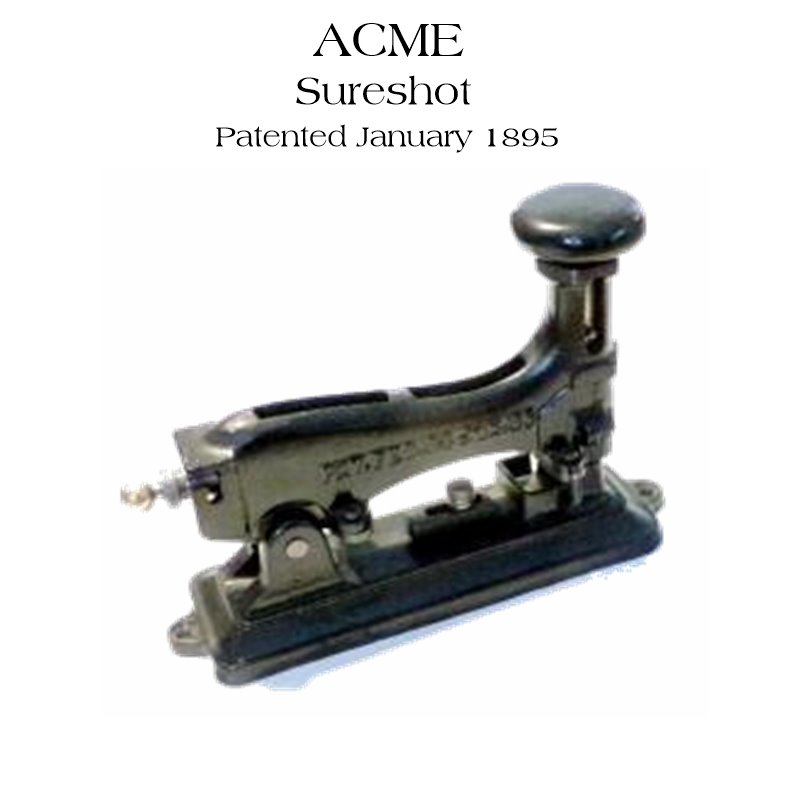
Acme stapler 1895
See it in the 3D museum · Curt’s page“The introduction of the Acme Sure Shot in late 1894 represents the culmination of Brown's Pre-Acme development work.”
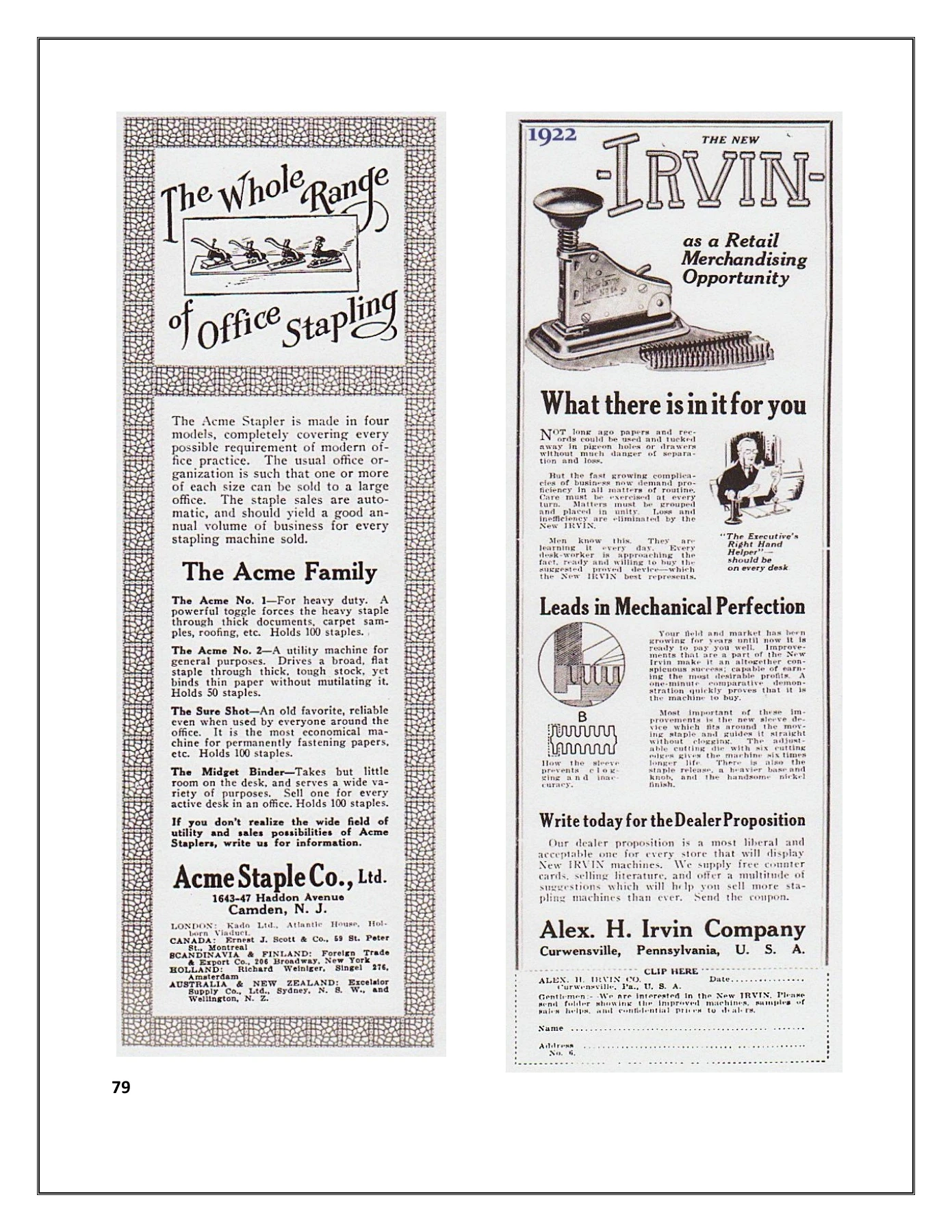
The Sure Shot—An old favorite, reliable even when used by everyone around the office. It is the most economical machine for permanently fastening papers, etc. Holds 100 staples.
Guide To Antique and Vintage Fasteners, p. 79 (a period Acme Staple Co. advertisement)
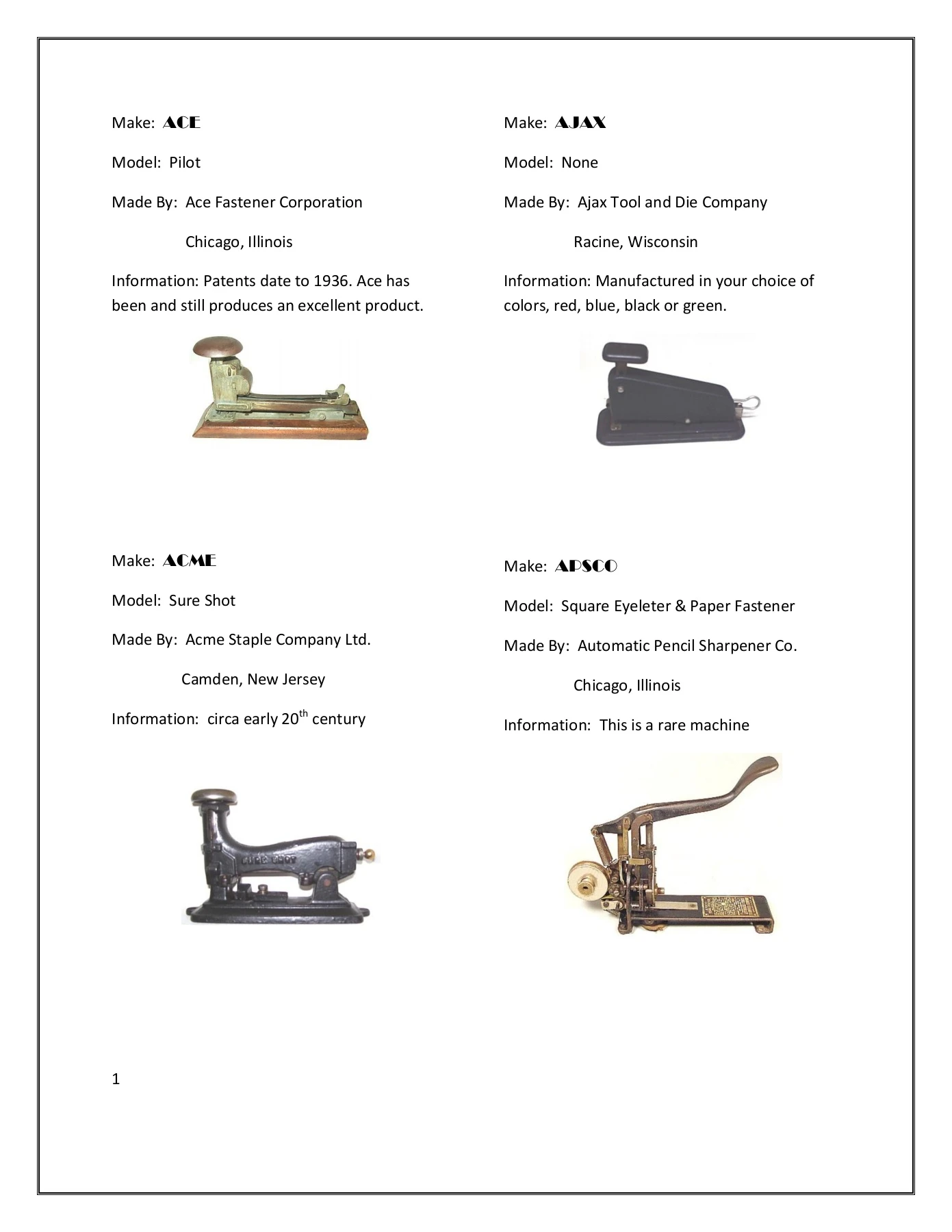
Make: Acme. Model: Sure Shot. Made by: Acme Staple Company Ltd., Camden, New Jersey. Information: circa early 20th century.
Acme Model 6, patented 1895 Top Shelf
See it in the 3D museum · Curt’s page“…this extremely hard to find machine is now complete and in working order.”
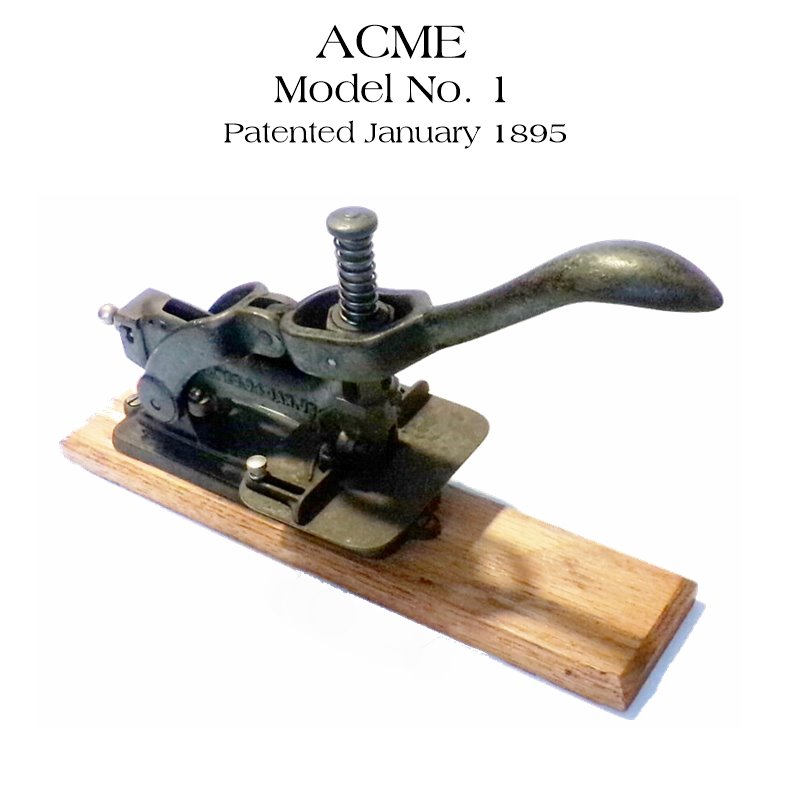
Acme Model No. 1, patented January 1895
See it in the 3D museum · Curt’s pageThe Acme Stapler is made in four models, completely covering every possible requirement of modern office practice.
The Acme No. 1—For heavy duty. A powerful toggle forces the heavy staple through thick documents, carpet samples, roofing, etc. Holds 100 staples.
Guide To Antique and Vintage Fasteners, p. 79 (a period Acme Staple Co. advertisement)
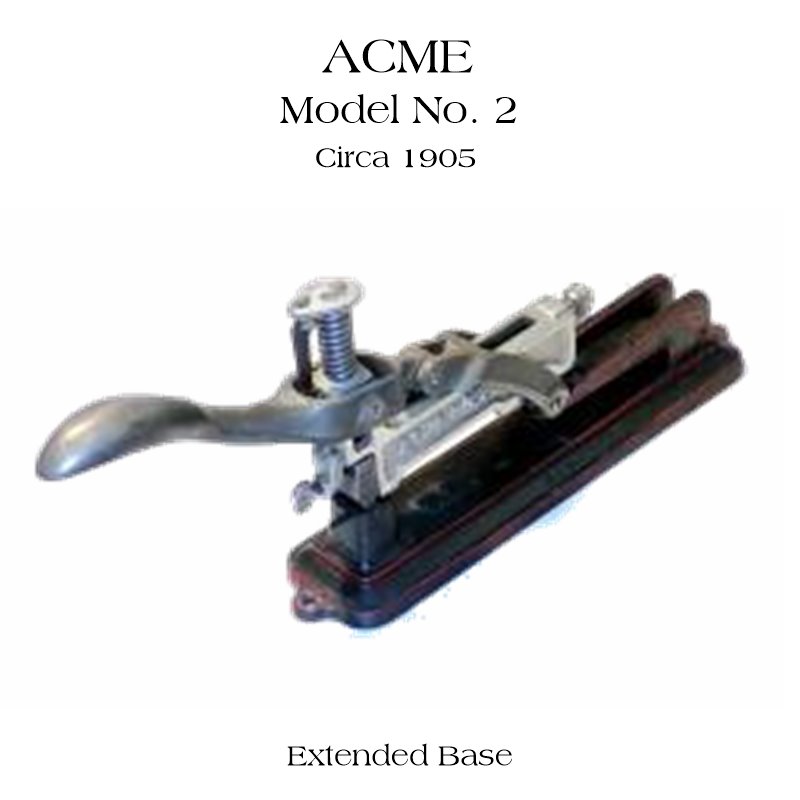
Acme stapler 1905
See it in the 3D museum · Curt’s pageThe Acme No. 2—A utility machine for general purposes. Drives a broad, flat staple through thick, tough stock, yet binds thin paper without mutilating it. Holds 50 staples.
Guide To Antique and Vintage Fasteners, p. 79 (a period Acme Staple Co. advertisement)
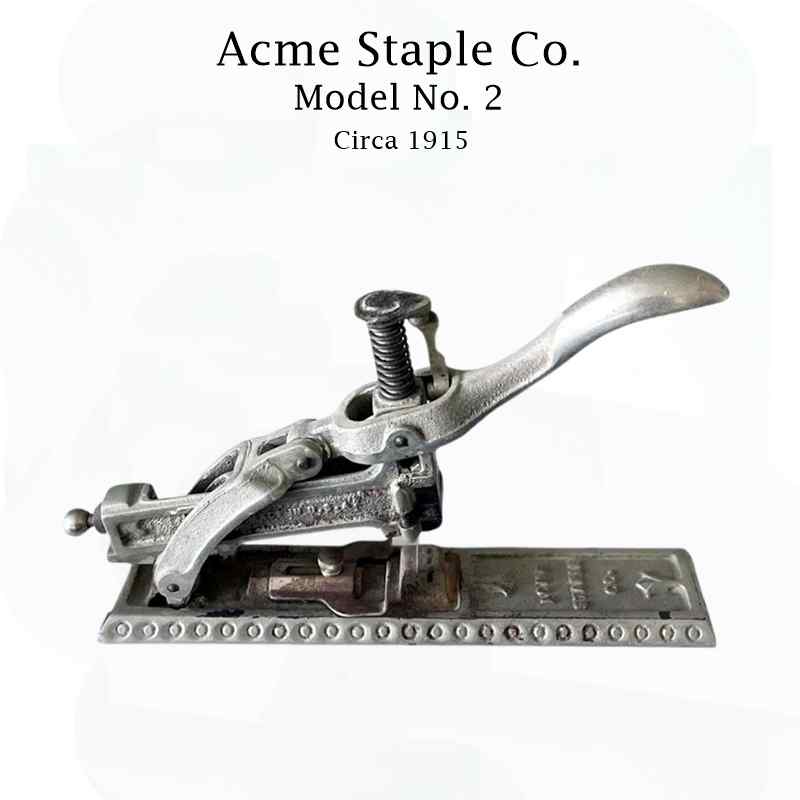
Acme Staple Co. Model No. 2, circa 1915
See it in the 3D museum · Curt’s pageThe Acme No. 2—A utility machine for general purposes. Drives a broad, flat staple through thick, tough stock, yet binds thin paper without mutilating it. Holds 50 staples.
Guide To Antique and Vintage Fasteners, p. 79 (a period Acme Staple Co. advertisement)
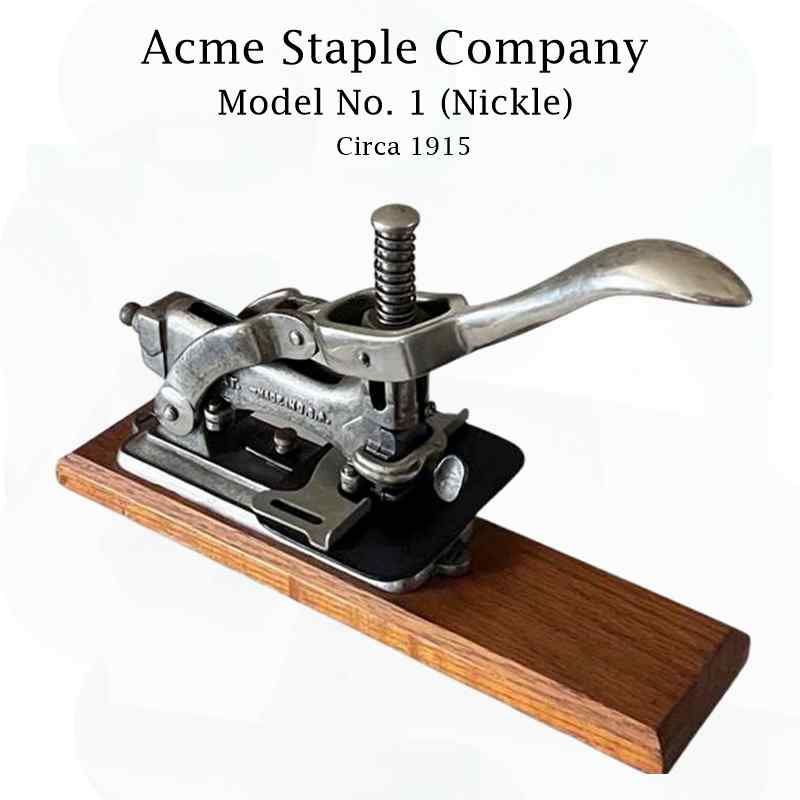
Acme Model No. 1, circa 1915
See it in the 3D museum · Curt’s pageThe Acme No. 1—For heavy duty. A powerful toggle forces the heavy staple through thick documents, carpet samples, roofing, etc. Holds 100 staples.
Guide To Antique and Vintage Fasteners, p. 79 (a period Acme Staple Co. advertisement)
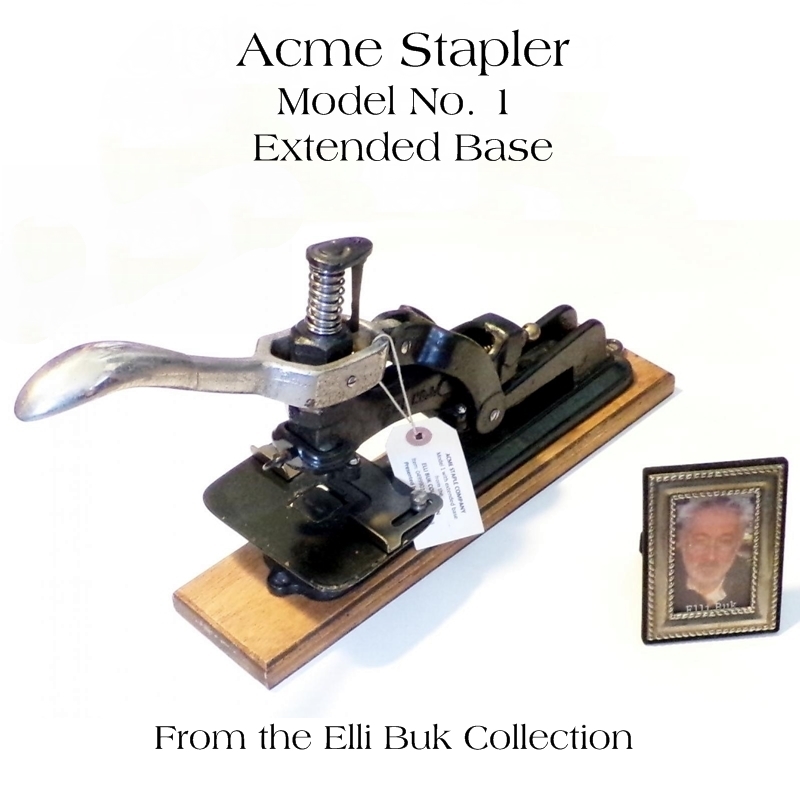
Acme stapler 1916
See it in the 3D museum · Curt’s page“Acme Number 1 previously part of the Elli Buk Collection and bought by Curtis Scaglione at auction.”
“Elli was a good friend to all.”
The Acme No. 1—For heavy duty. A powerful toggle forces the heavy staple through thick documents, carpet samples, roofing, etc. Holds 100 staples.
Guide To Antique and Vintage Fasteners, p. 79 (a period Acme Staple Co. advertisement)
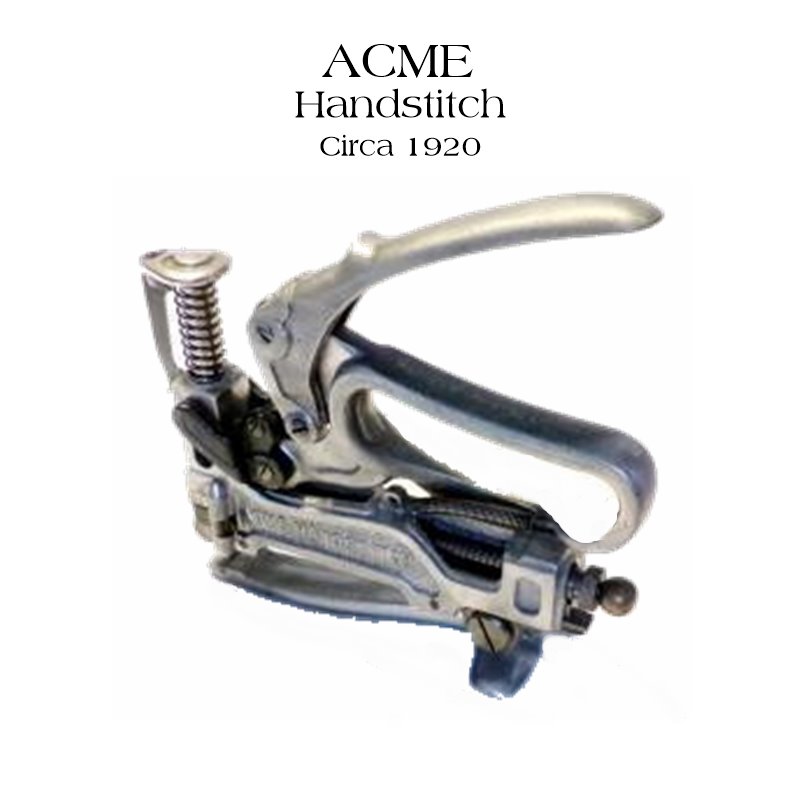
Acme stapler 1920
See it in the 3D museum · Curt’s page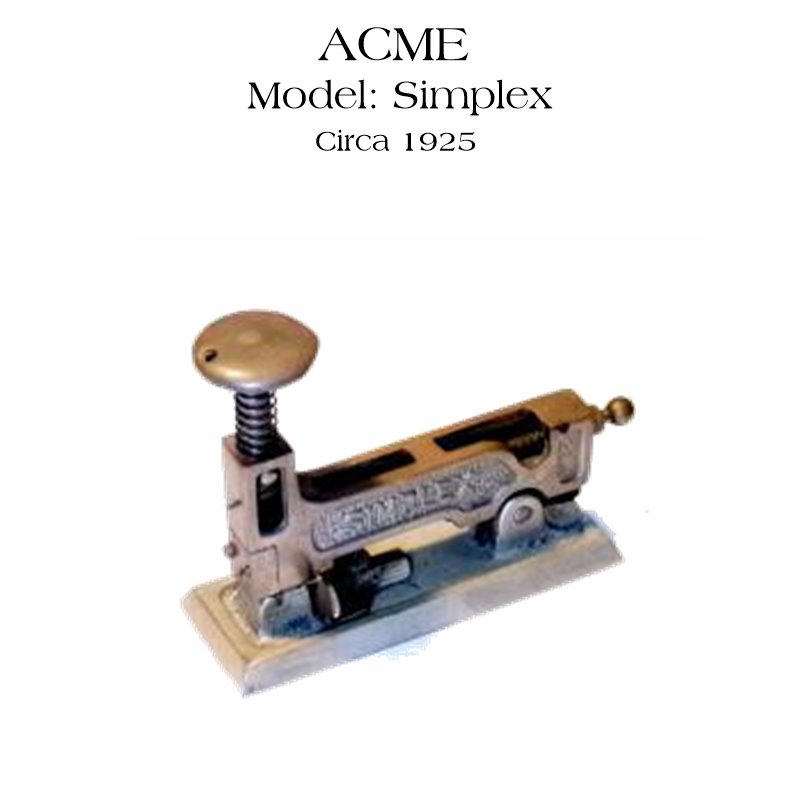
Acme Simplex, circa 1925
See it in the 3D museum · Curt’s pageAutomatic Wire Stitching Machine 1880 Top Shelf
See it in the 3D museum · Curt’s page“For years it was common belief that the Automatic Wire Stitching Machine was lost to history.”
“Production was not started until 1881. It is believed that not many were produced and as of this date, this example is the lone survivor.”
“This stapler comes from a gentleman's estate that lived in City Beach, Western Australia. This person was reportedly a missionary.”
“As I do every day, I conduct what I call, the never-ending search. As in this case, I was running searches on rare machines that I already had but wouldn’t mind owning another. That is when I came across the original mailer for the Automatic Wire Stitching Machine. It doesn’t get any better.”
Hasbrouck & Watson expect before long to have ready their automatic wire stitching machine, which will cut, form, drive and clinch a staple, fed from a continuous wire wound on a spool, all in one operation.
It will fasten from two sheets to a thickness of three-sixteenths of an inch of paper. A boy can insert from 8,000 to 12,000 staples in a day, according to the character of the work. The spool contains wire for 3,500 staples.
All of the working parts are made of hardened steel … It is about twelve inches high and six by ten base, and may be used on a table or anywhere.
Automatic Wire Stitching Machine, p. 2 (an 1881 trade journal notice)
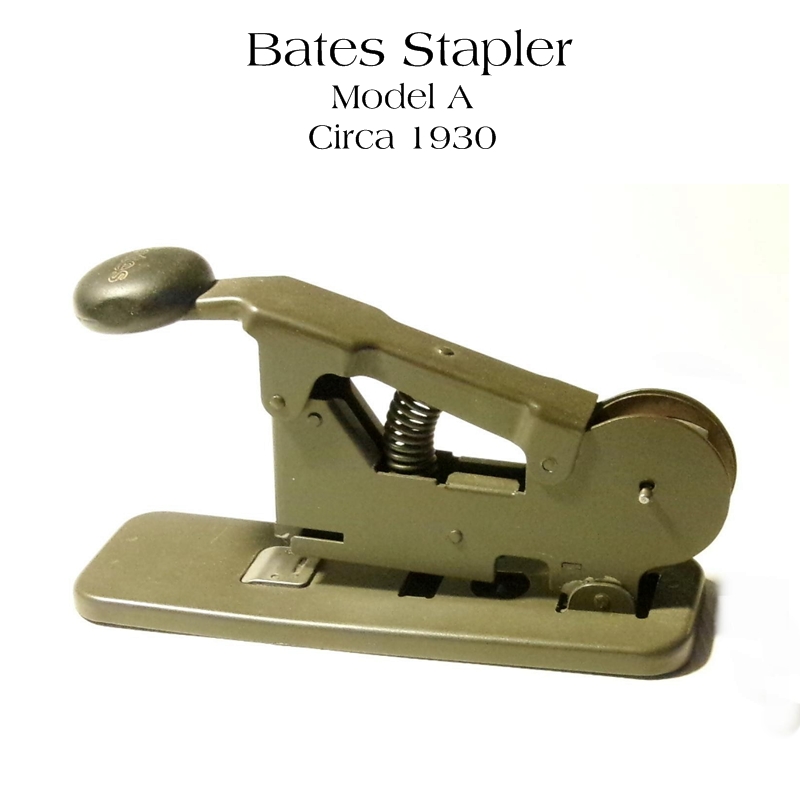
Bates Stapler, Model A, circa 1930
See it in the 3D museum · Curt’s page“This example has been completely restored”
Curt’s chronology of the Bates line: Model A (circa 1930), Model B (circa 1931), Model B, revised (circa 1935), Model C (circa 1938), Model D (circa 1941).
Make: Bates. Model: Model A. Information: Models B, and C are common. This Model A is a little harder to find. D is very hard.
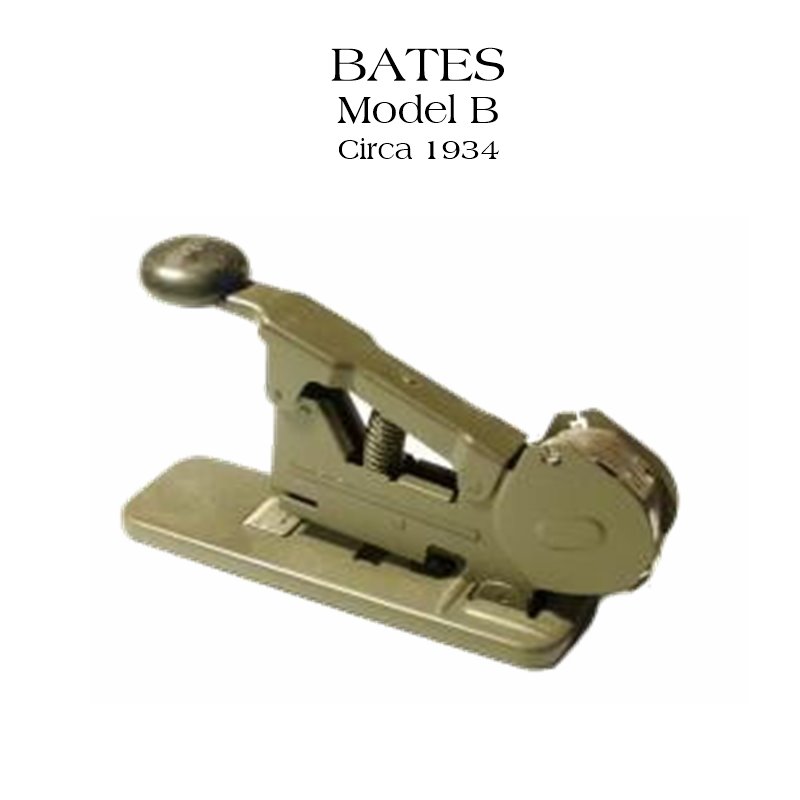
Bates Model B, circa 1934
See it in the 3D museum · Curt’s page“Charles Tager was also known for his work on other stapler mechanisms, including the wire spool mechanism used in Bates B and C staplers”
Curt’s chronology of the Bates line: Model A (circa 1930), Model B (circa 1931), Model B, revised (circa 1935), Model C (circa 1938), Model D (circa 1941).
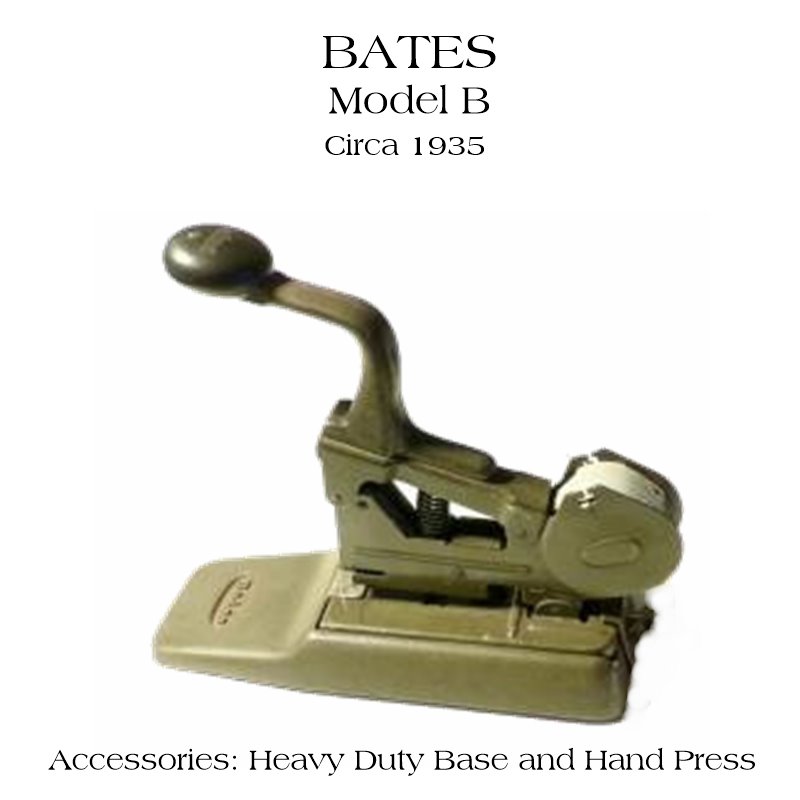
Bates Model B, circa 1935
See it in the 3D museum · Curt’s page“Charles Tager was also known for his work on other stapler mechanisms, including the wire spool mechanism used in Bates B and C staplers”
Curt’s chronology of the Bates line: Model A (circa 1930), Model B (circa 1931), Model B, revised (circa 1935), Model C (circa 1938), Model D (circa 1941).
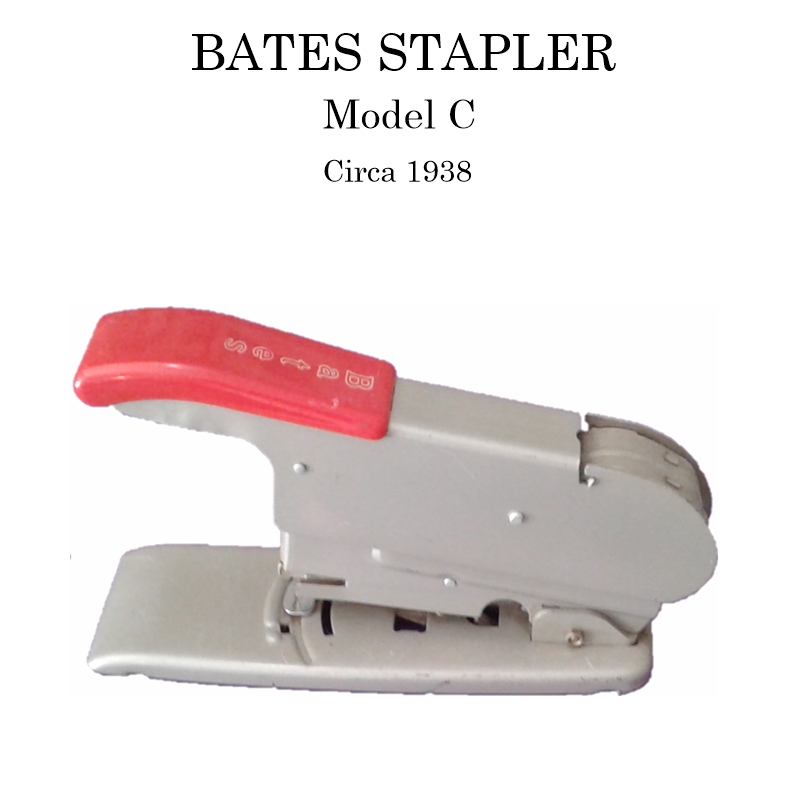
Bates Model C 1938
See it in the 3D museum · Curt’s page“Charles Tager was also known for his work on other stapler mechanisms, including the wire spool mechanism used in Bates B and C staplers”
The Model C continued to be manufactured after the war; the Model D followed it in circa 1941, approximately three years after the debut of the Bates Model C.
Curt’s chronology of the Bates line: Model A (circa 1930), Model B (circa 1931), Model B, revised (circa 1935), Model C (circa 1938), Model D (circa 1941).
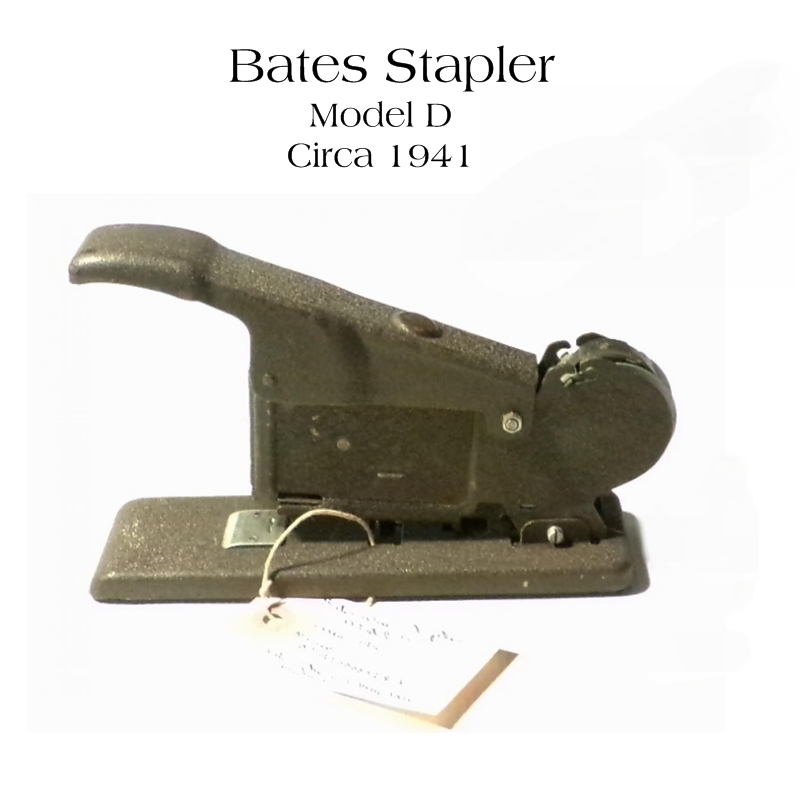
Bates stapler 1941
See it in the 3D museum · Curt’s pageAmong Bates’ stapling machines, none has generated more speculation—or remained more elusive—than the Bates Wire Stapler, Model D.
The Model D was introduced in circa 1941, approximately three years after the debut of the Bates Model C. … Unlike the Model C, which continued to be manufactured after the war, the Model D disappeared quickly and was never reintroduced.
The Model D remains a historical outlier: rare, poorly documented, and short-lived. Its survival in only a handful of known examples elevates it from mere tool to artifact.
Of the Bates models: “Models B, and C are common. This Model A is a little harder to find. D is very hard.”
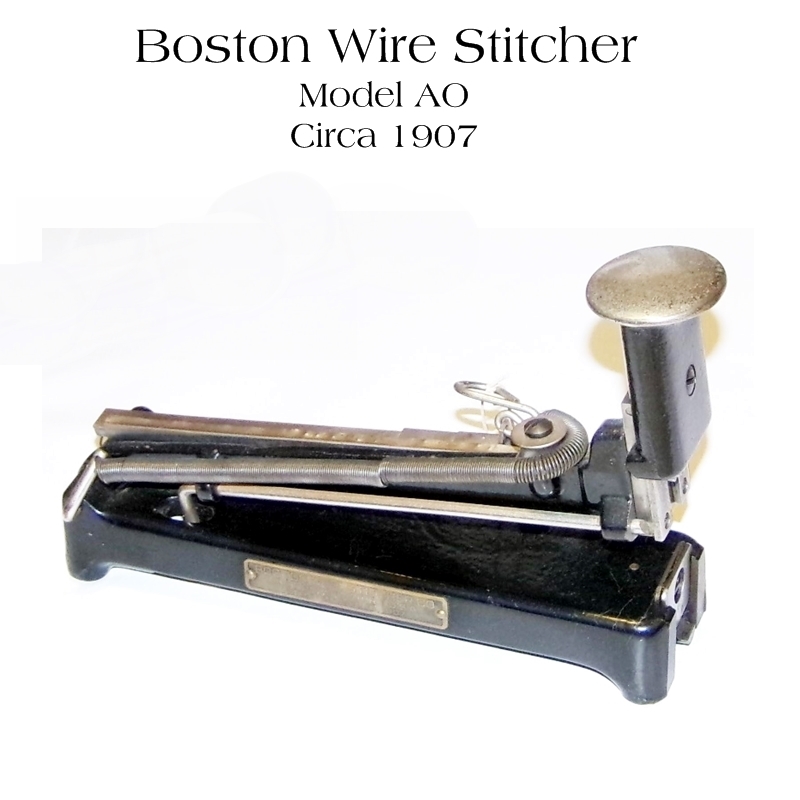
Boston Fastener 1914
See it in the 3D museum · Curt’s pageMake: Bostitch. Model: AO. Made by: Boston Wire Stitcher Company, East Greenwich, RI. Information: Introduced in 1914.
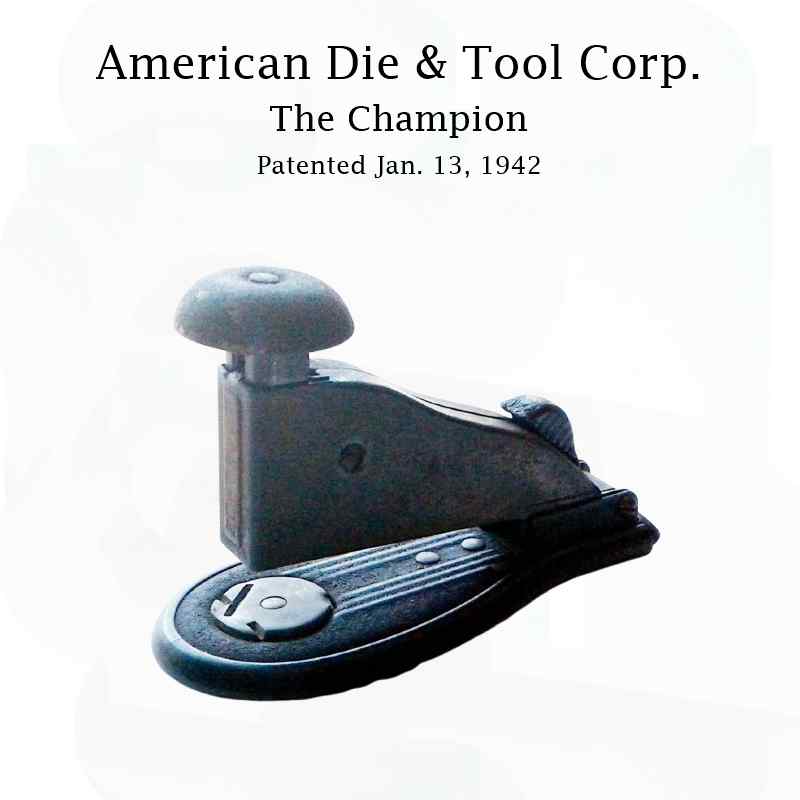
American Die & Tool Corp., The Champion, 1946 (patented January 13, 1942)
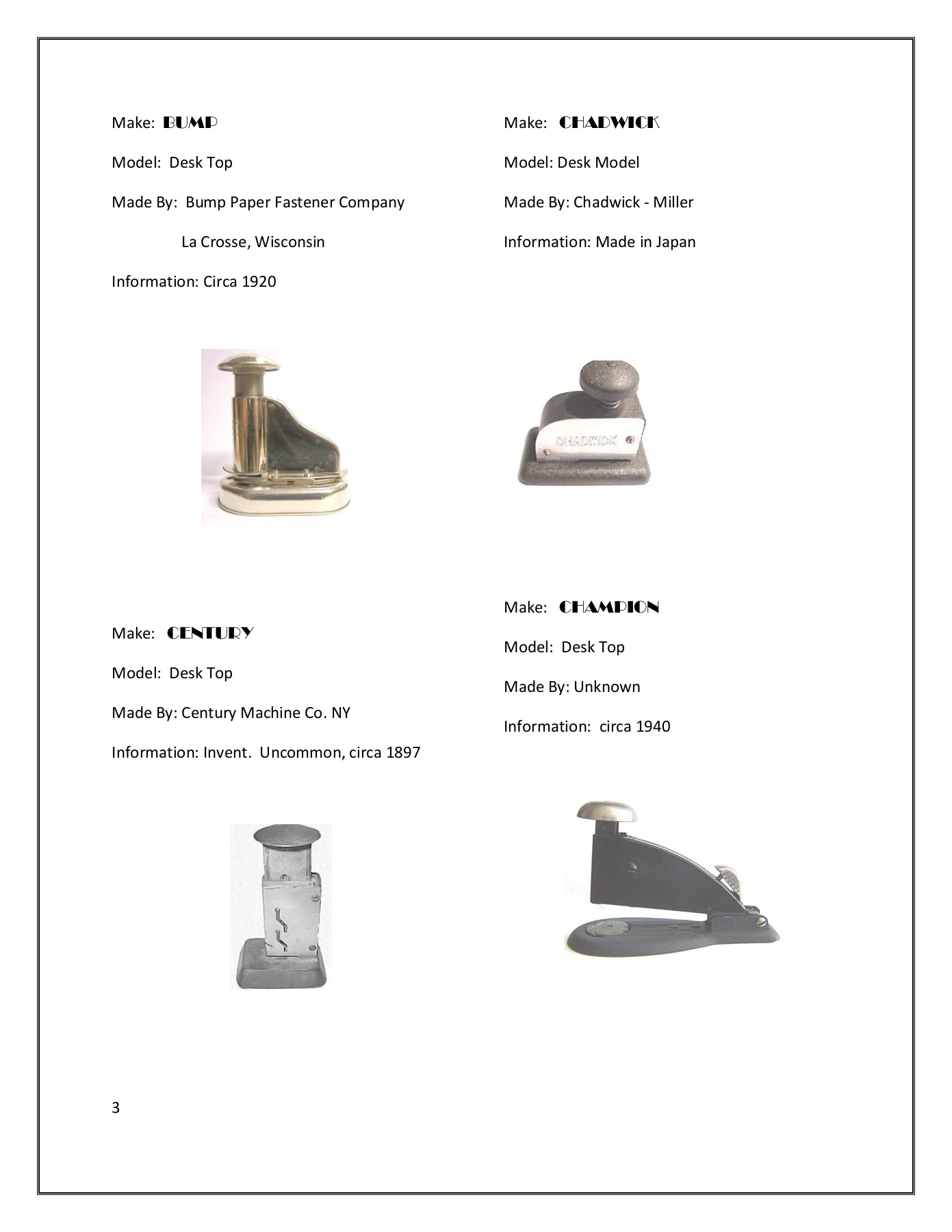
See it in the 3D museum · Curt’s pageMake: Champion. Model: Desk Top. Made by: Unknown. Information: circa 1940.
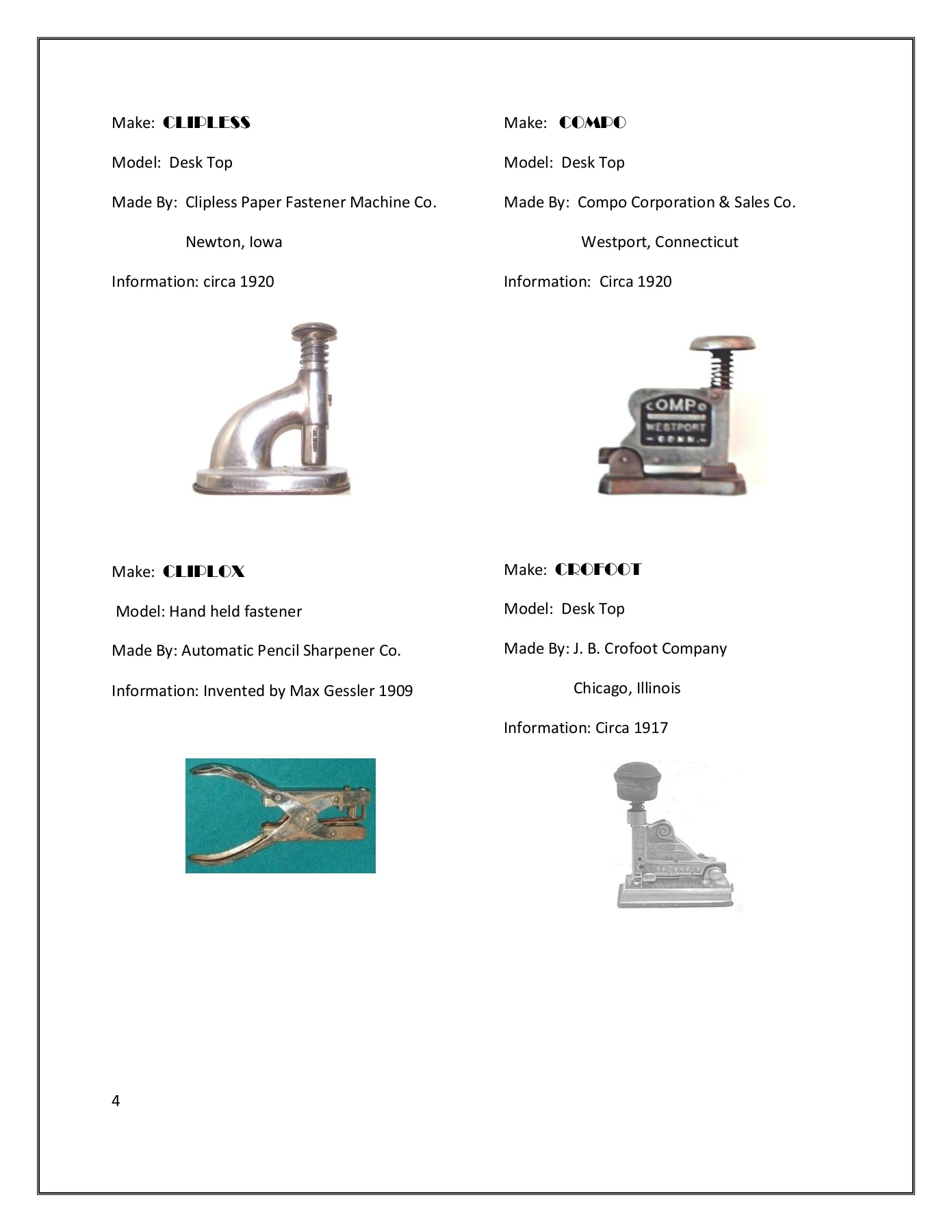
J.B. Crofoot Co., Model No. 525, 1928 Top Shelf
See it in the 3D museum · Curt’s pageMake: Crofoot. Model: Desk Top. Made by: J. B. Crofoot Company, Chicago, Illinois. Information: Circa 1917.
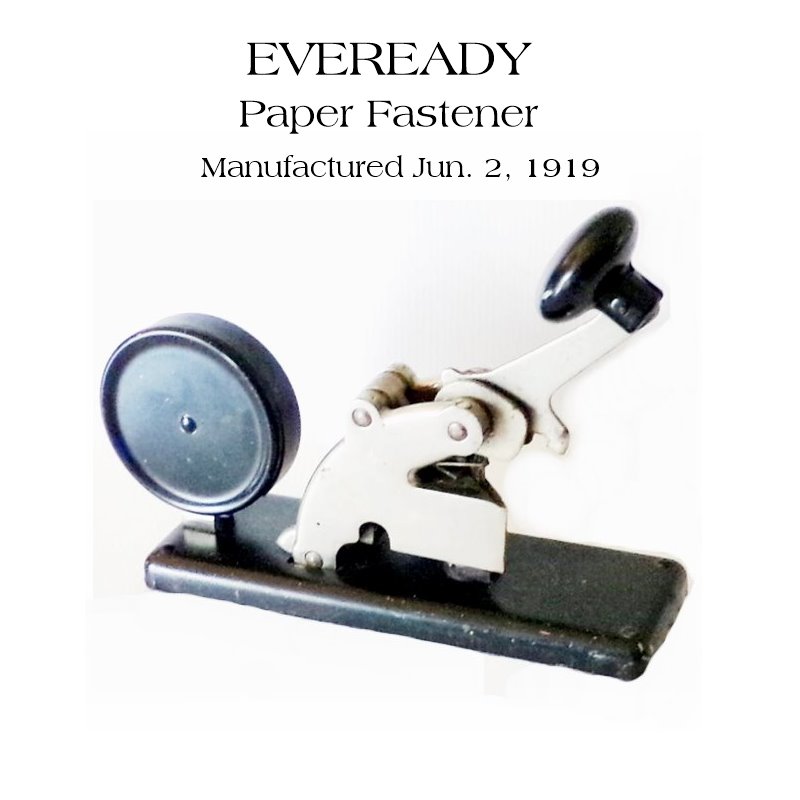
Eveready stapler 1919
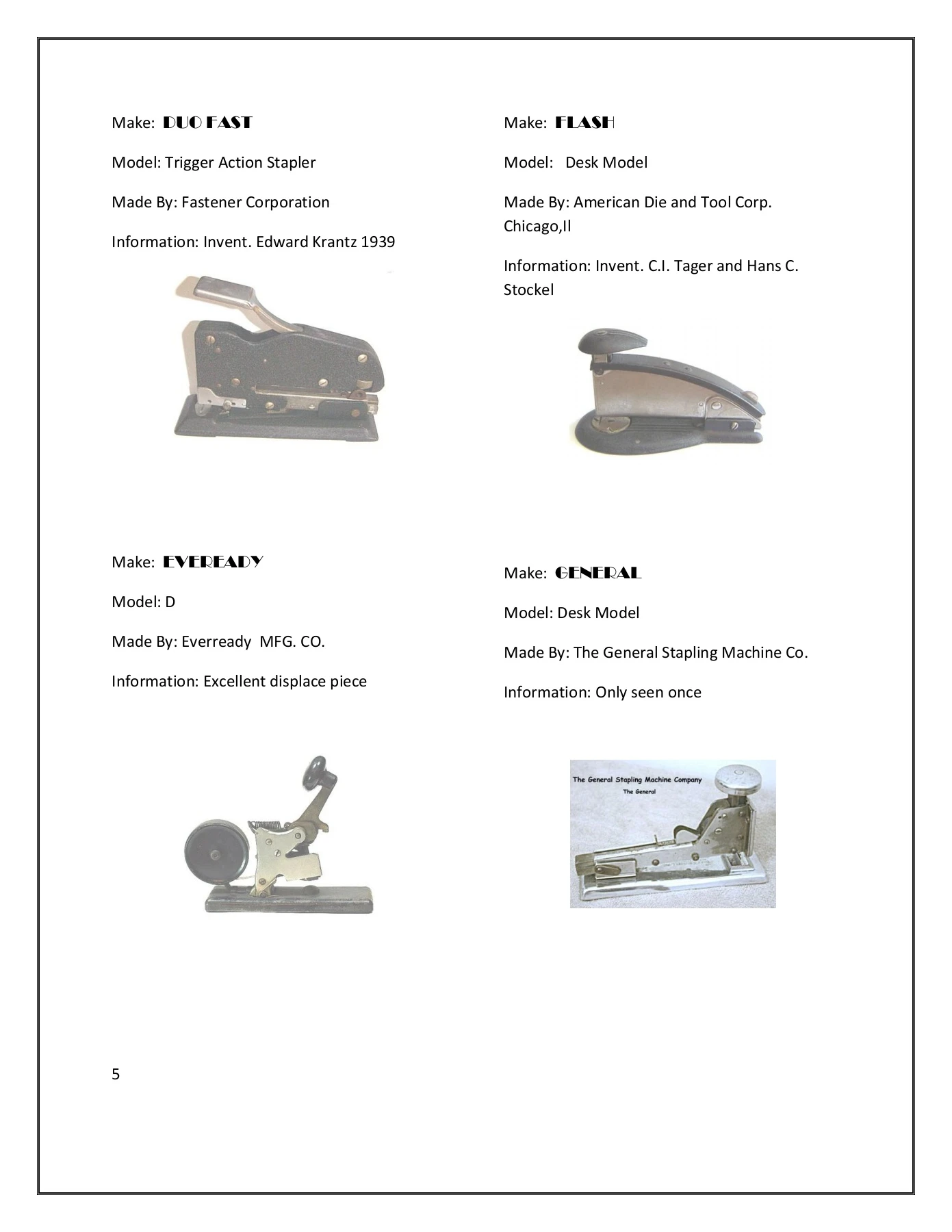
See it in the 3D museum · Curt’s pageMake: Eveready. Model: D. Made by: Eveready MFG. Co. Information: Excellent display piece.
Greenfield 1914 Top Shelf
See it in the 3D museum · Curt’s page“Model B (1919): Patented in 1918 and sold in 1919, the Model B refined the feeding dog and added the two-position anvil, marking the first known stapler with this capability.”
Make: Greenfield. Model: Desk Model. Made by: Greenfield MFG. Co., New York, NY. Information: Invented by Edwin T. Greenfield.
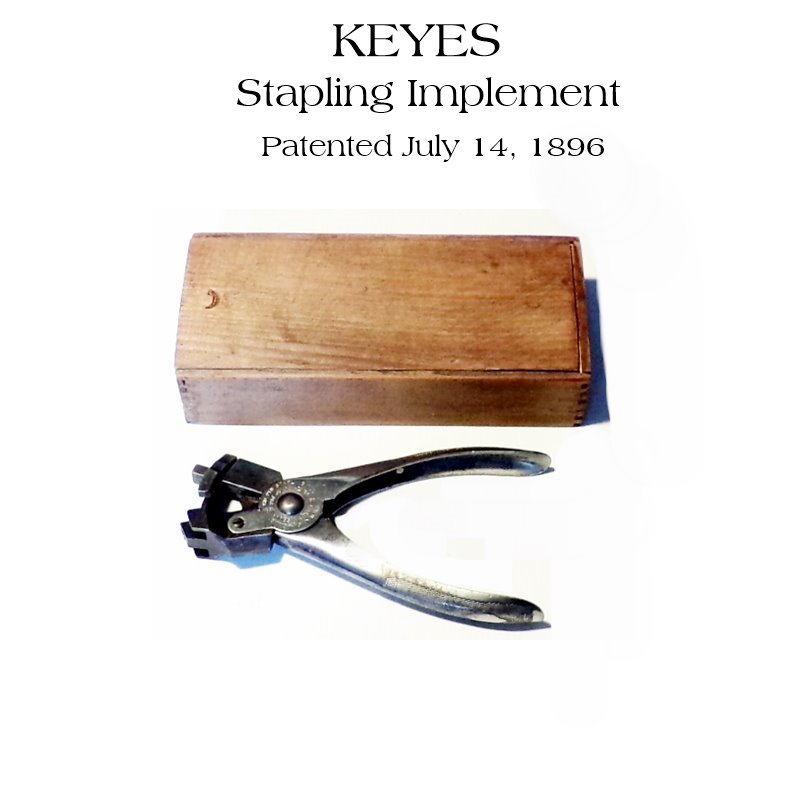
Keyes 1896
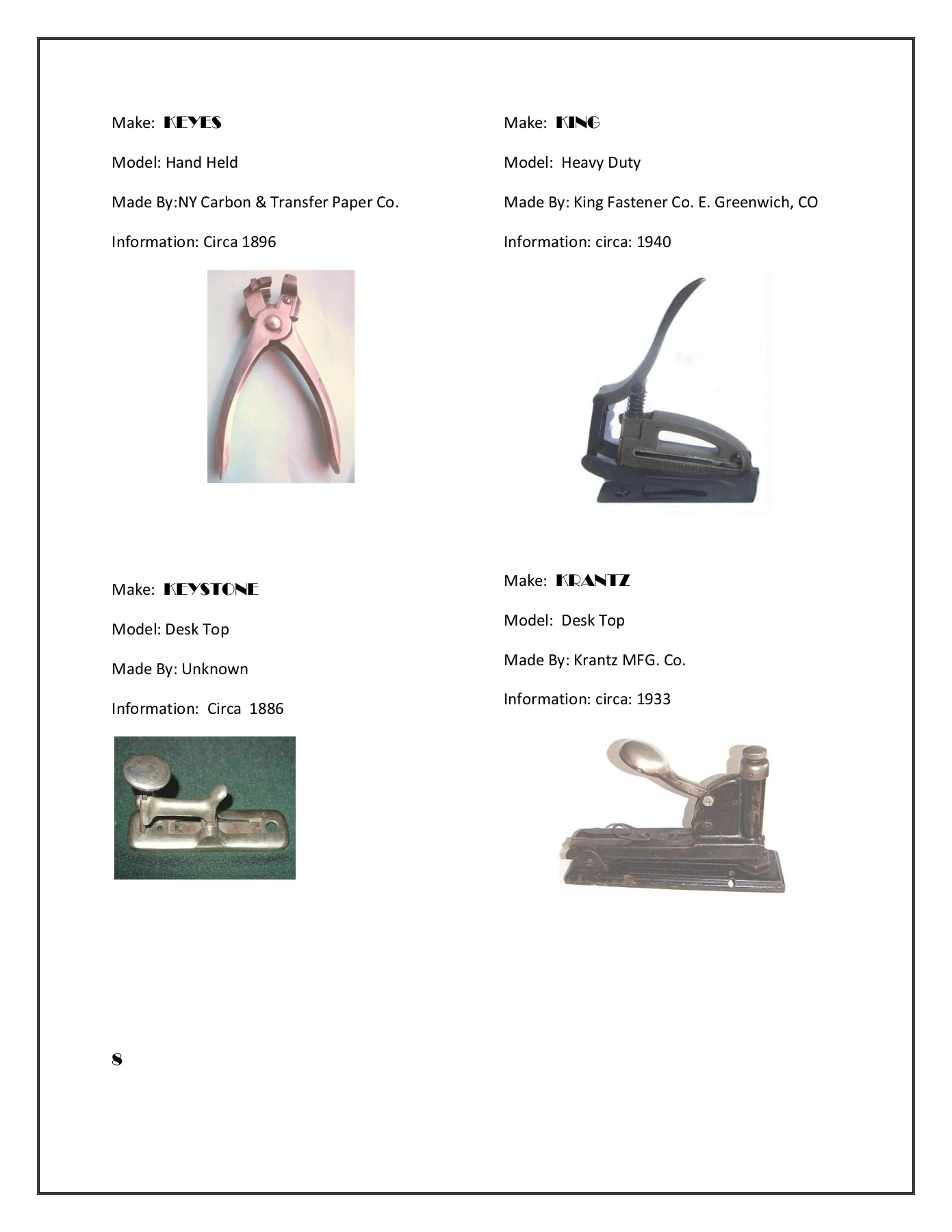
See it in the 3D museum · Curt’s pageMake: Keyes. Model: Hand Held. Made by: NY Carbon & Transfer Paper Co. Information: Circa 1896.
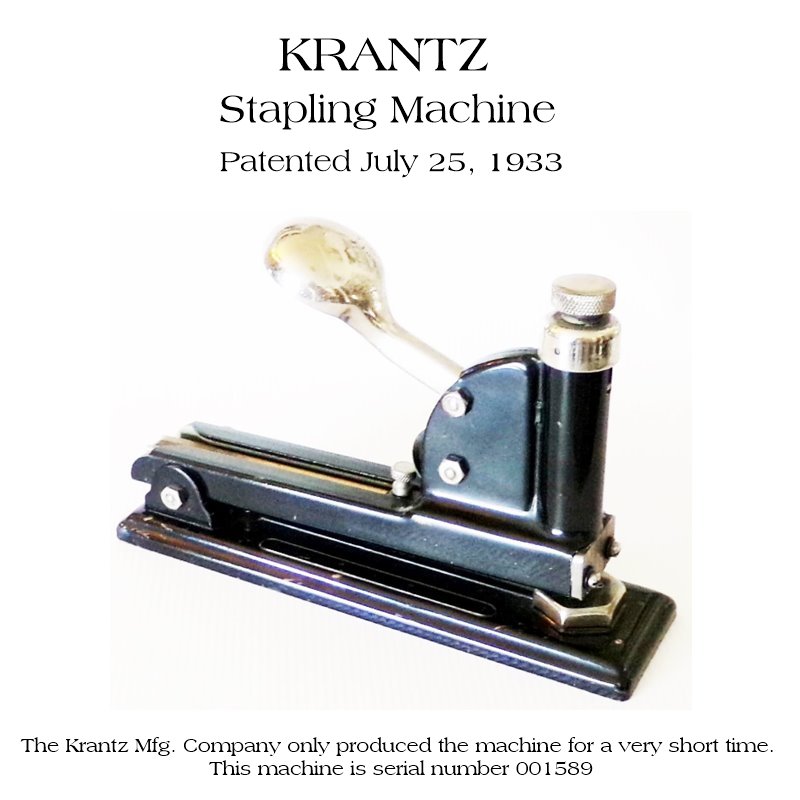
Krantz 1933
See it in the 3D museum · Curt’s page“The Krantz Mfg. Company only produced the machine for a very short time. This machine is serial number 001589”
Make: Krantz. Model: Desk Top. Made by: Krantz MFG. Co. Information: circa 1933.
Original Paper Fastener 1877 Top Shelf
See it in the 3D museum · Curt’s page“Invented by Henry R. Heyl (One of two seen in the last 10 years)”
Henry R. Heyl of Philadelphia, whose invention, commonly referred to as the “Original Fastener,” predates the widespread commercial success of later stapling devices such as the McGill Paper Fastener … one of the earliest known machines designed specifically to insert metal fasteners into paper.
A notable characteristic of the Original Fastener was its loading orientation. The fastener was positioned facing upward within the mechanism, requiring careful placement by the user. When actuated, the device drove the fastener downward through the paper.
Surviving examples of the Original Fastener are extremely rare. Only a handful are known to exist in museum collections and private hands.
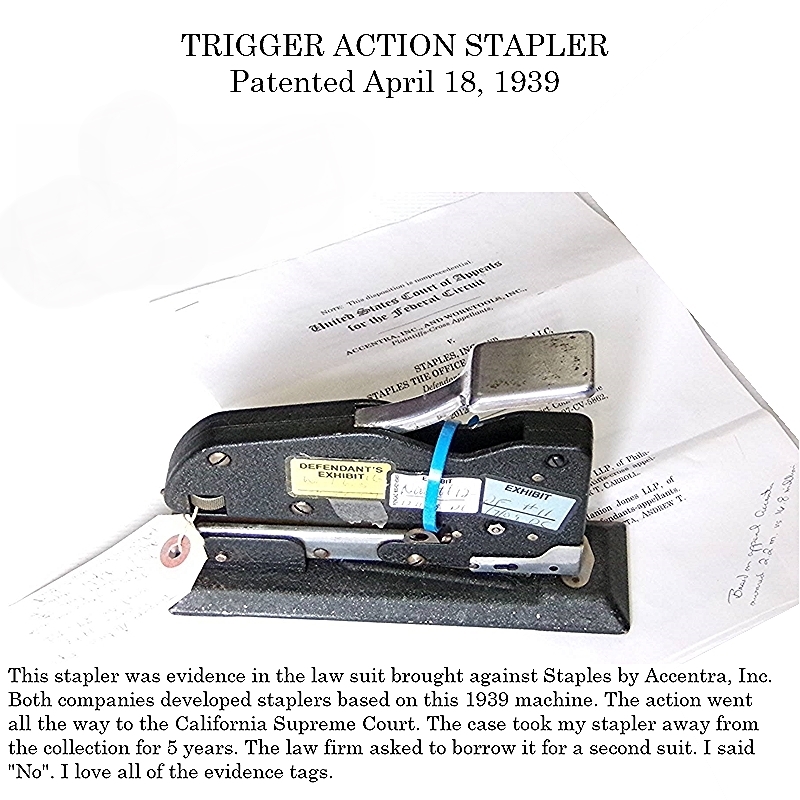
Trigger Action 1939
See it in the 3D museum · Curt’s page“This stapler was evidence in the law suit brought against Staples by Accentra, Inc. Both companies developed staplers based on this 1939 machine. The action went all the way to the California Supreme Court. The case took my stapler away from the collection for 5 years. The law firm asked to borrow it for a second suit. I said "No". I love all of the evidence tags.”
Make: Duo Fast. Model: Trigger Action Stapler. Made by: Fastener Corporation. Information: Invented by Edward Krantz, 1939.
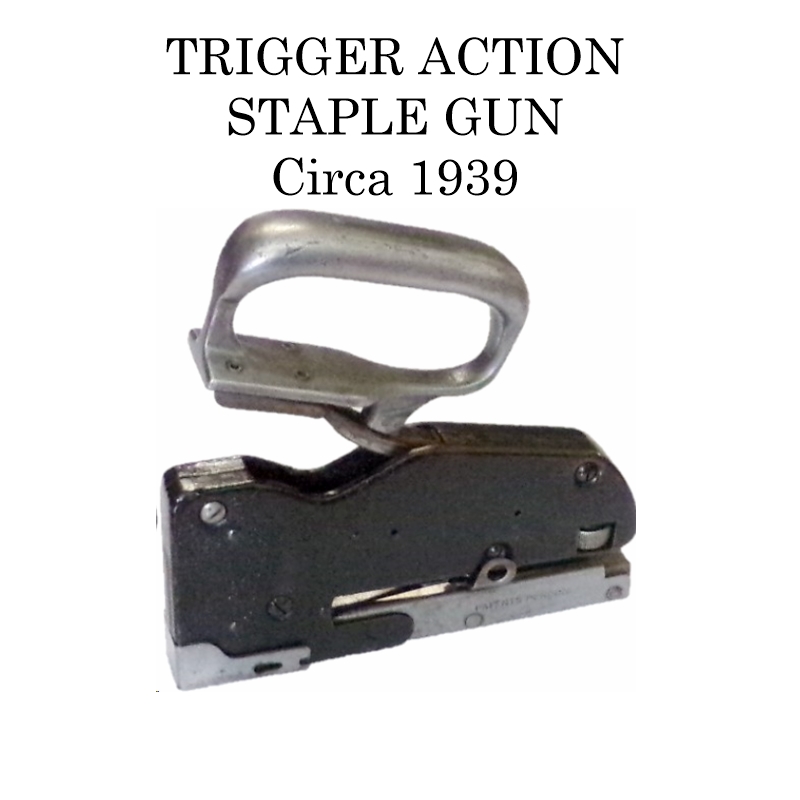
Trigger Action Staple Gun, circa 1939
See it in the 3D museum · Curt’s page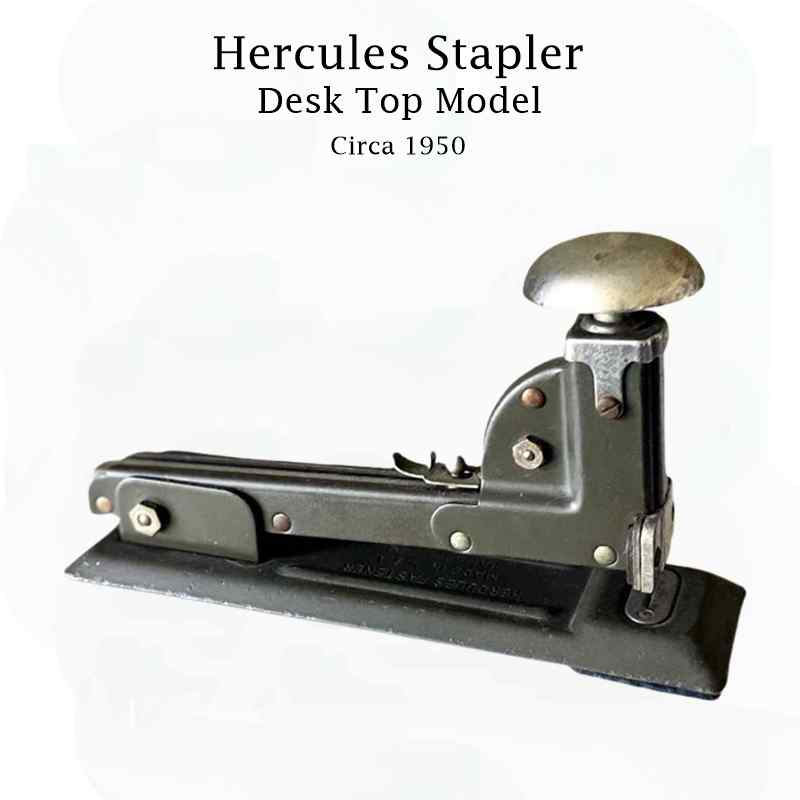
Hercules Stapler 1950
See it in the 3D museum · Curt’s pageMake: Hercules. Model: Desk Model. Made by: The American Die And Tool Corp., Chicago, Illinois. Information: Hans C. Stockel.
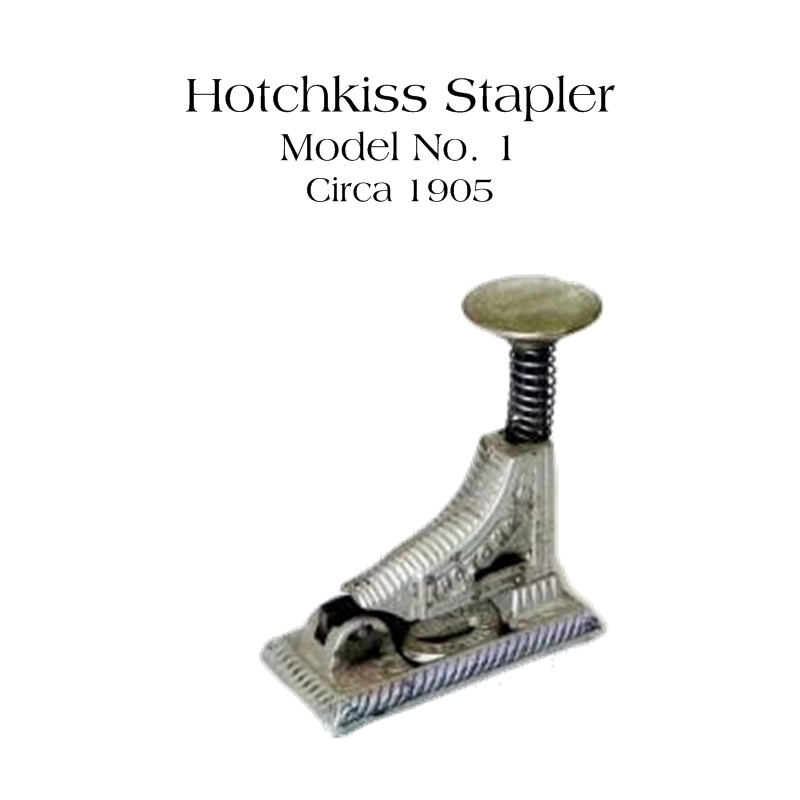
Hotchkiss Stapler, Model No. 1, circa 1905
See it in the 3D museum · Curt’s page“1910 - First shipment of the Hotchkiss Fastener to Japan (with no word to identify a paper fastener, the Japanese adopt the name “Hotchkiss”. Shortly after, Japan occupies Korea and again, “Hotchkiss” becomes the word to describe the fastener in that country)”
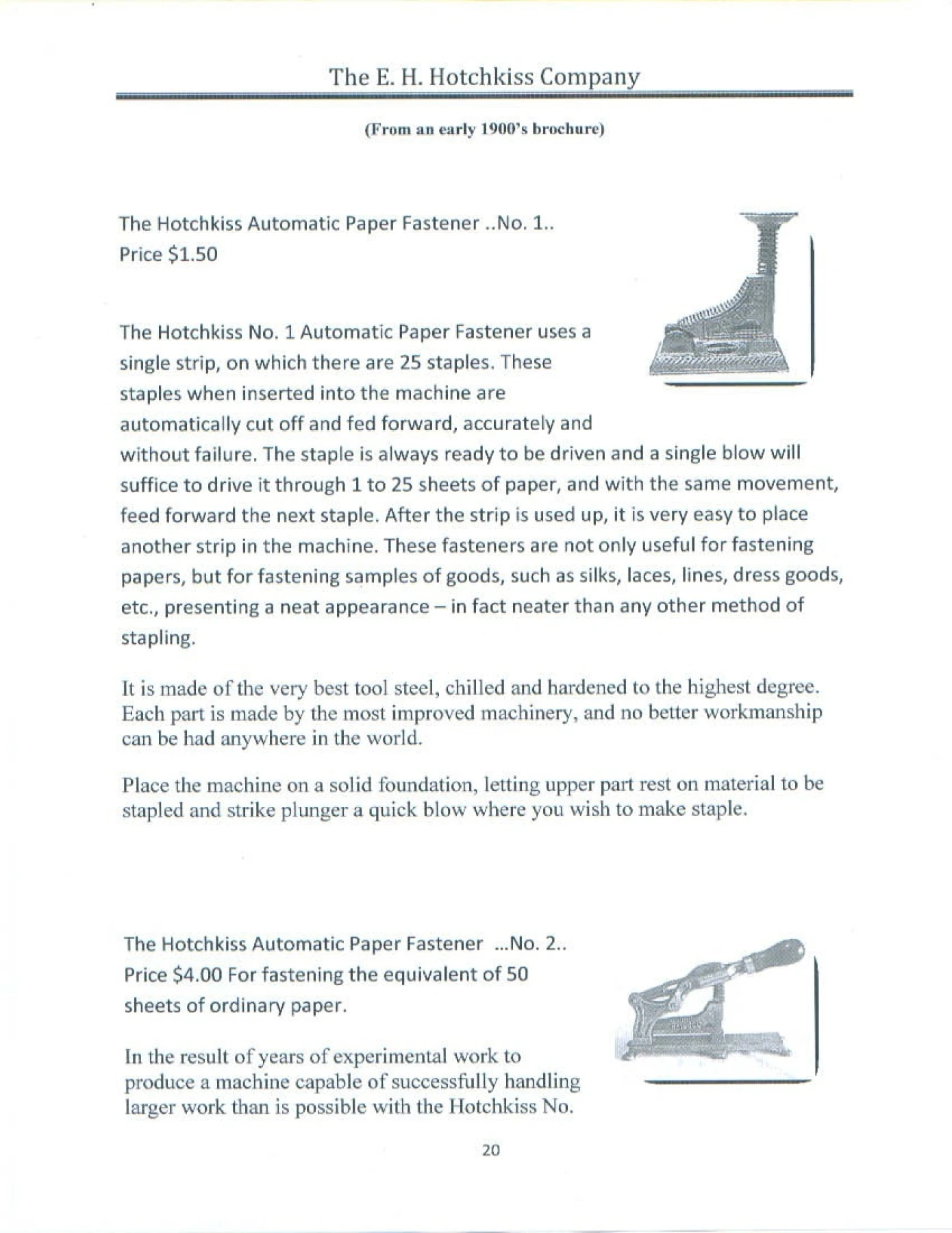
The Hotchkiss Automatic Paper Fastener, No. 1. Price $1.50.
Uses a single strip, on which there are 25 staples … a single blow will suffice to drive it through 1 to 25 sheets of paper, and with the same movement, feed forward the next staple.
It is made of the very best tool steel, chilled and hardened to the highest degree.
E.H. Hotchkiss, p. 20 (from an early 1900s Hotchkiss brochure)
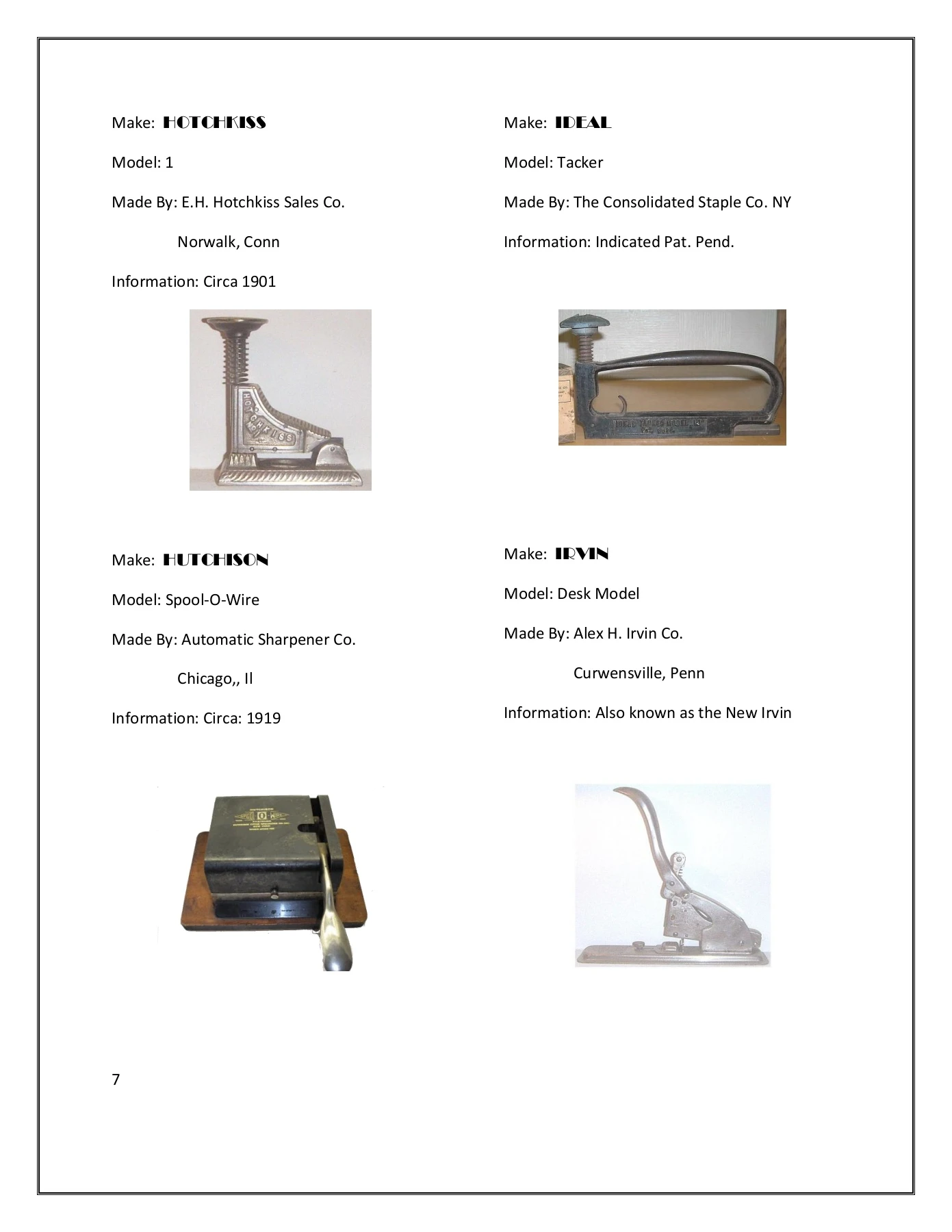
Make: Hotchkiss. Model: 1. Made by: E.H. Hotchkiss Sales Co., Norwalk, Connecticut. Information: Circa 1901.
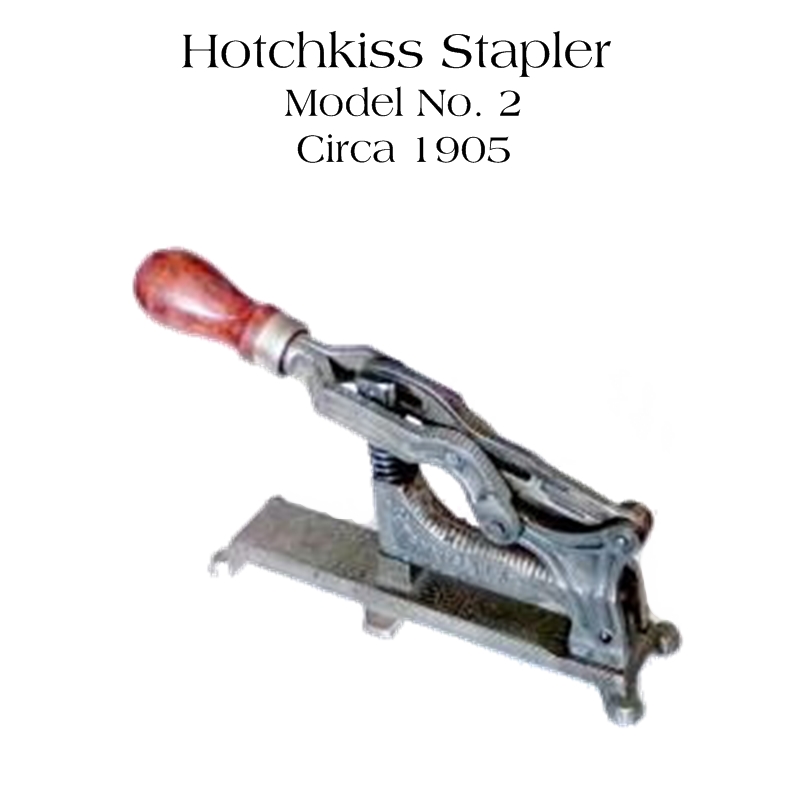
Hotchkiss Stapler, Model No. 2, circa 1905
See it in the 3D museum · Curt’s pageThe Hotchkiss Automatic Paper Fastener, No. 2. Price $4.00, for fastening the equivalent of 50 sheets of ordinary paper.
E.H. Hotchkiss, p. 20 (from an early 1900s Hotchkiss brochure)
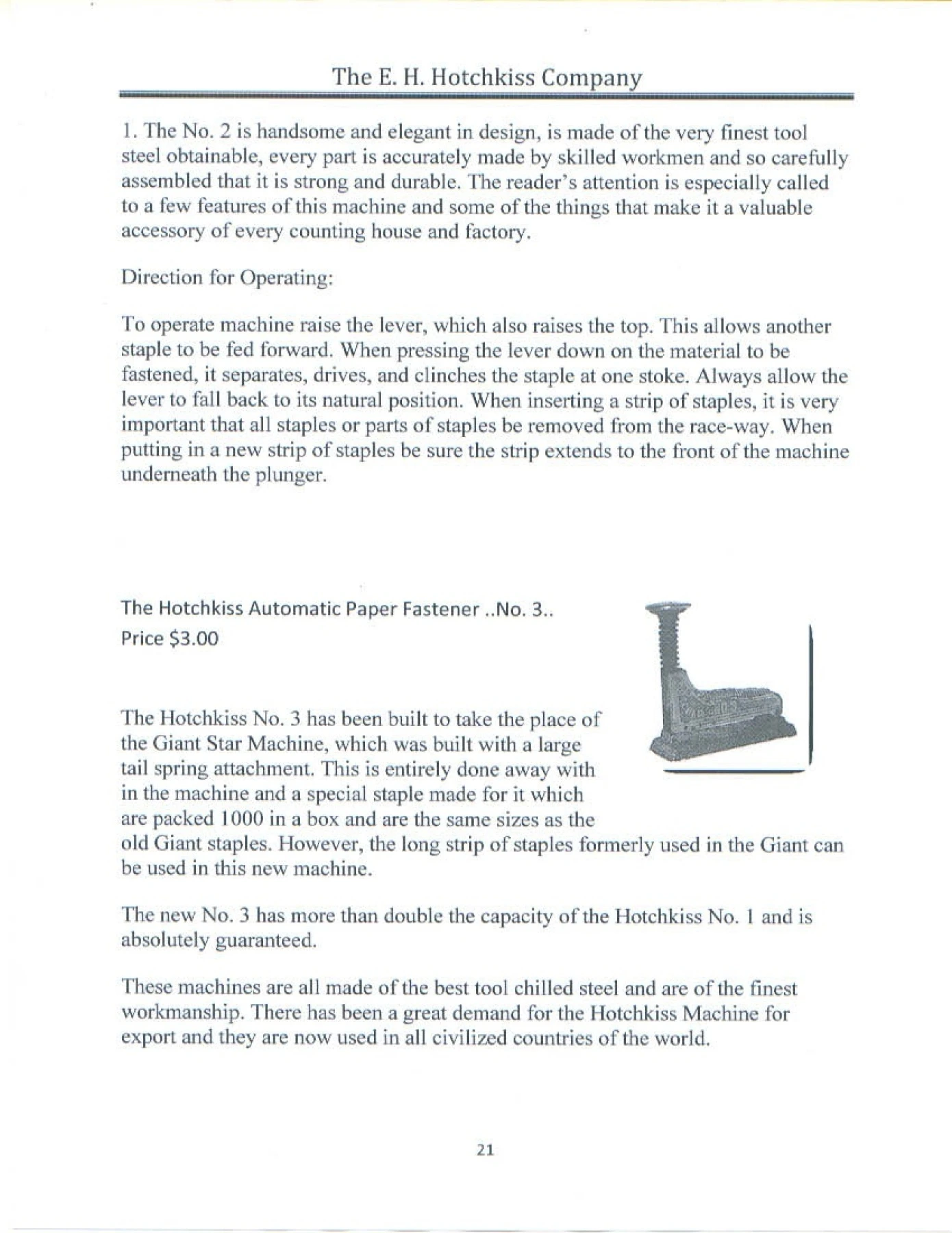
The No. 2 is handsome and elegant in design, is made of the very finest tool steel obtainable … a valuable accessory of every counting house and factory.
When pressing the lever down on the material to be fastened, it separates, drives, and clinches the staple at one stroke.
E.H. Hotchkiss, p. 21 (from an early 1900s Hotchkiss brochure)
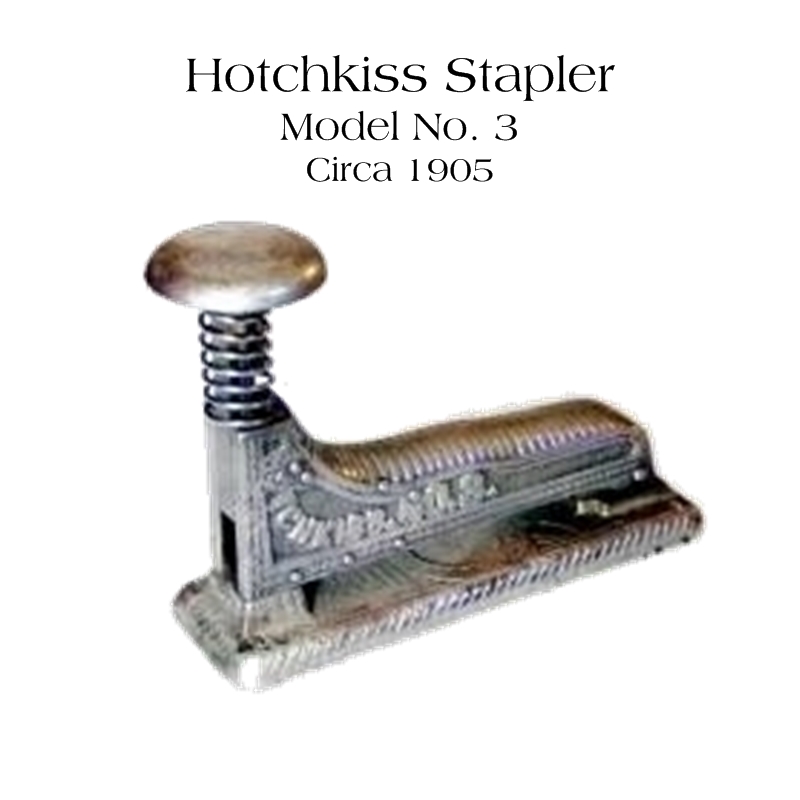
Hotchkiss Stapler, Model No. 3, circa 1905
See it in the 3D museum · Curt’s pageThe Hotchkiss Automatic Paper Fastener, No. 3. Price $3.00.
Built to take the place of the Giant Star Machine … a special staple made for it, packed 1000 in a box. The new No. 3 has more than double the capacity of the Hotchkiss No. 1.
E.H. Hotchkiss, p. 21 (from an early 1900s Hotchkiss brochure)
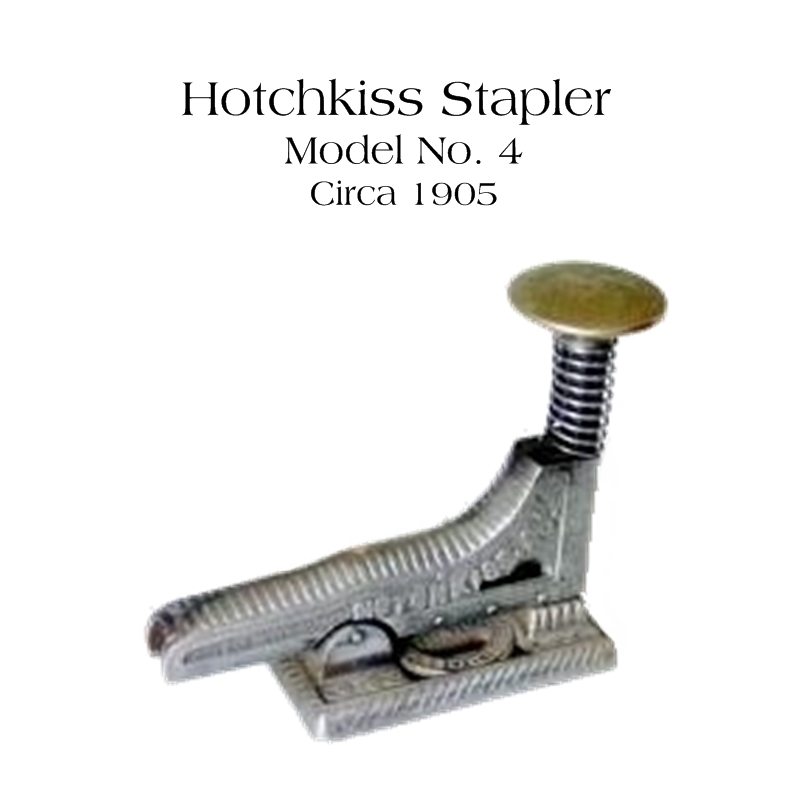
Hotchkiss Stapler, Model No. 4, circa 1905
See it in the 3D museum · Curt’s pageThe Hotchkiss Automatic Paper Fastener, No. 4. Price $2.00.
Uses a strip of fifty staples, and will put together from two to thirty sheets of average paper … does not require recharging so often as the Hotchkiss No. 1. Staples come packed 1,000 to a box, of nickel steel, that will not rust or tarnish.
E.H. Hotchkiss, p. 22 (from an early 1900s Hotchkiss brochure)
Hotchkiss Stapler, Automatic Tacker, circa 1900 Top Shelf
See it in the 3D museum · Curt’s pageThe Hotchkiss Automatic Tag Machine. Price $1.50.
Not for fastening papers together, but for putting tags or shipping cards on boxes, barrels, crates, cars, etc., and easily drives a staple or double tack into the hardest wood, or through tin.
E.H. Hotchkiss, p. 22 (from an early 1900s Hotchkiss brochure)
Hotchkiss 1923 Top Shelf
See it in the 3D museum · Curt’s page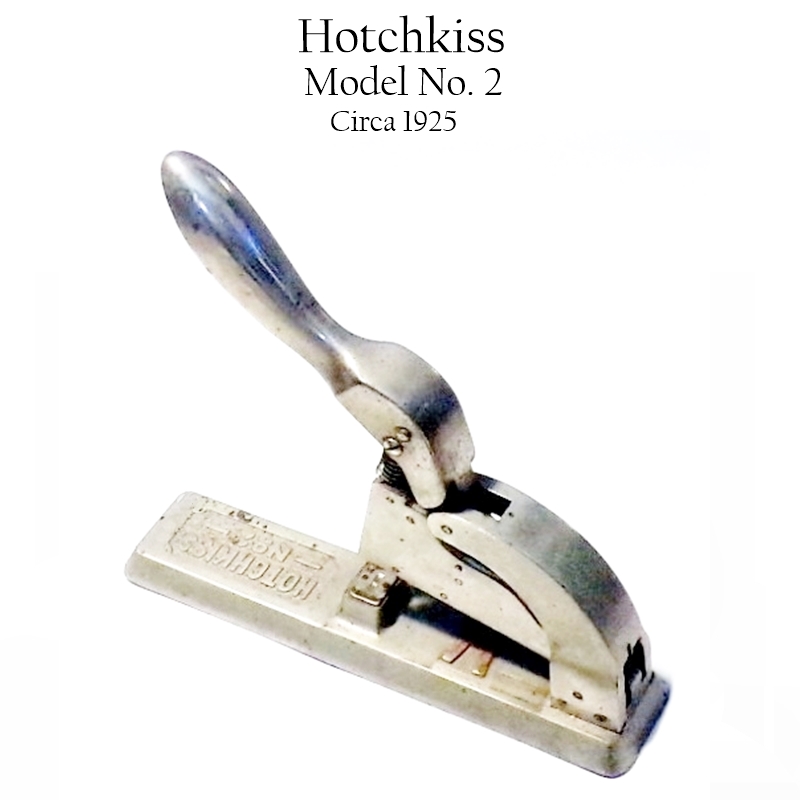
Hotchkiss 1925
See it in the 3D museum · Curt’s page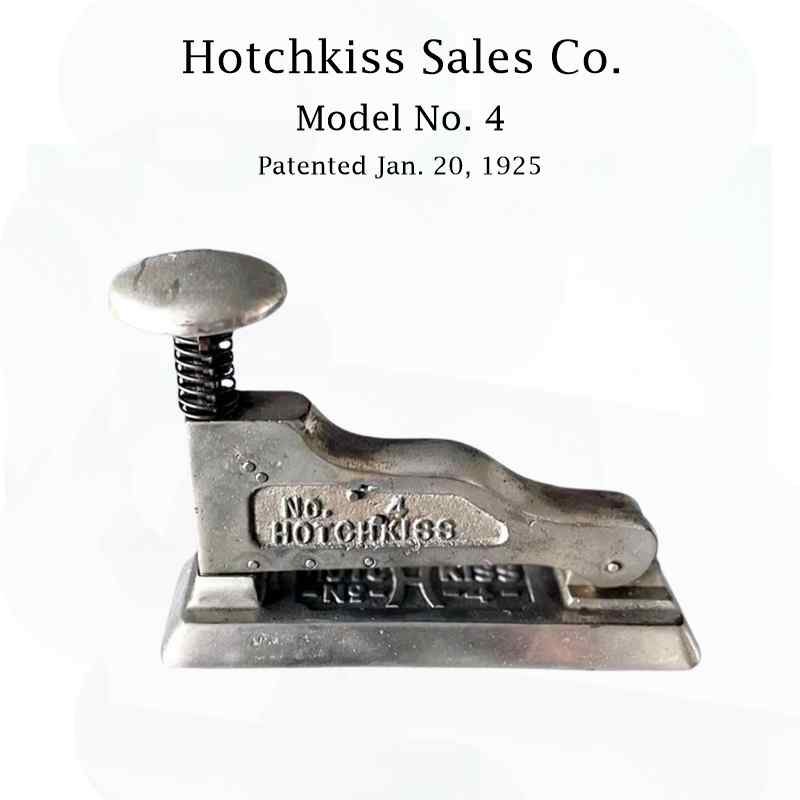
Hotchkiss Stapler No. 4 1925
See it in the 3D museum · Curt’s page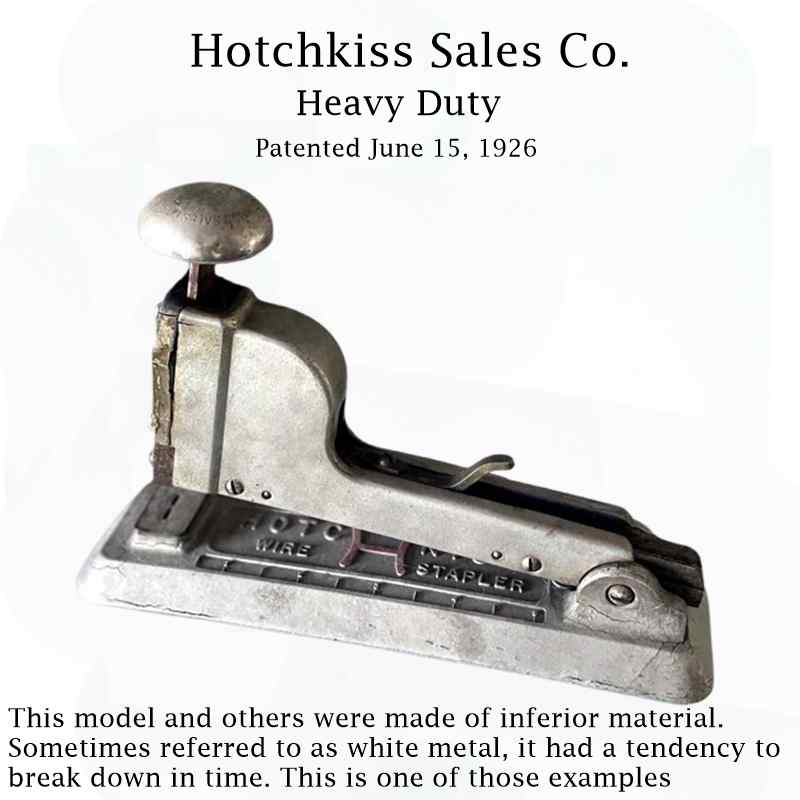
Hotchkiss Stapler Heavy Duty 1926
See it in the 3D museum · Curt’s page“This model and others were made of inferior material. Sometimes referred to as white metal, it had a tendency to break down in time. This is one of those examples”
Hotchkiss Zephyr 1937 Top Shelf
See it in the 3D museum · Curt’s pageRoy E. Peterson is the designer of the Zephyr.
Fridolin Polzer was the dominant force behind the fasteners with dozens of patents in his name over a twenty-year period for design and improvements. His involvement is documented from at least the period of 1925 through 1939.
Hotchkiss Aristocrat 1938 Top Shelf
See it in the 3D museum · Curt’s page“Today, the Hotchkiss Aristocrat is widely regarded as one of the most desirable and collectible staplers ever produced. With fewer than a dozen documented examples presently known in museums and private collections, it may also rank among the rarest American production staplers ever manufactured.”
Introduced in 1937, the Hotchkiss Aristocrat Model H-31 … enclosed its working parts within a sleek molded housing that transformed a utilitarian office machine into a sculptural object.
The machine measured approximately: length 7½ inches, width 2 11/16 inches, height 2 3/8 inches.
Designers: Lester L. Wheeler (artist, inventor, and Hotchkiss designer), William H. Gref, and Orlo Heller of Bortic Studios. The stapling mechanism was manufactured by the E.H. Hotchkiss Company; the plastic housing by the Plastic Turning Company.
Protected by United States Patent No. 2,139,342, Staple Driving Machine: filed July 31, 1937; granted December 6, 1938; inventor Lester L. Wheeler.
The Museum of Fine Arts, Houston, owns an Aristocrat dated 1937 (Accession 87.214). The Minneapolis Institute of Art houses an example credited to Lester L. Wheeler, William H. Gref, and Orlo Heller.
Current evidence suggests that fewer than twelve examples are presently documented in museum collections and private ownership. Among known examples are staplers associated with the Yale University Art Gallery, the Museum of Fine Arts, Houston, the Minneapolis Institute of Art … and the Antique and Vintage Office Museum Collection by Curtis A. Scaglione.
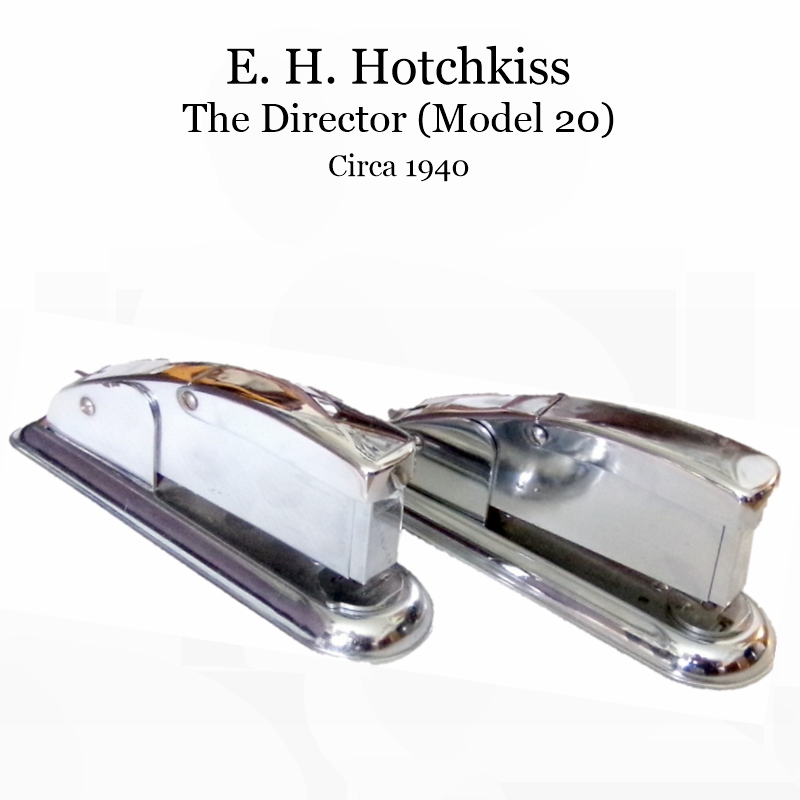
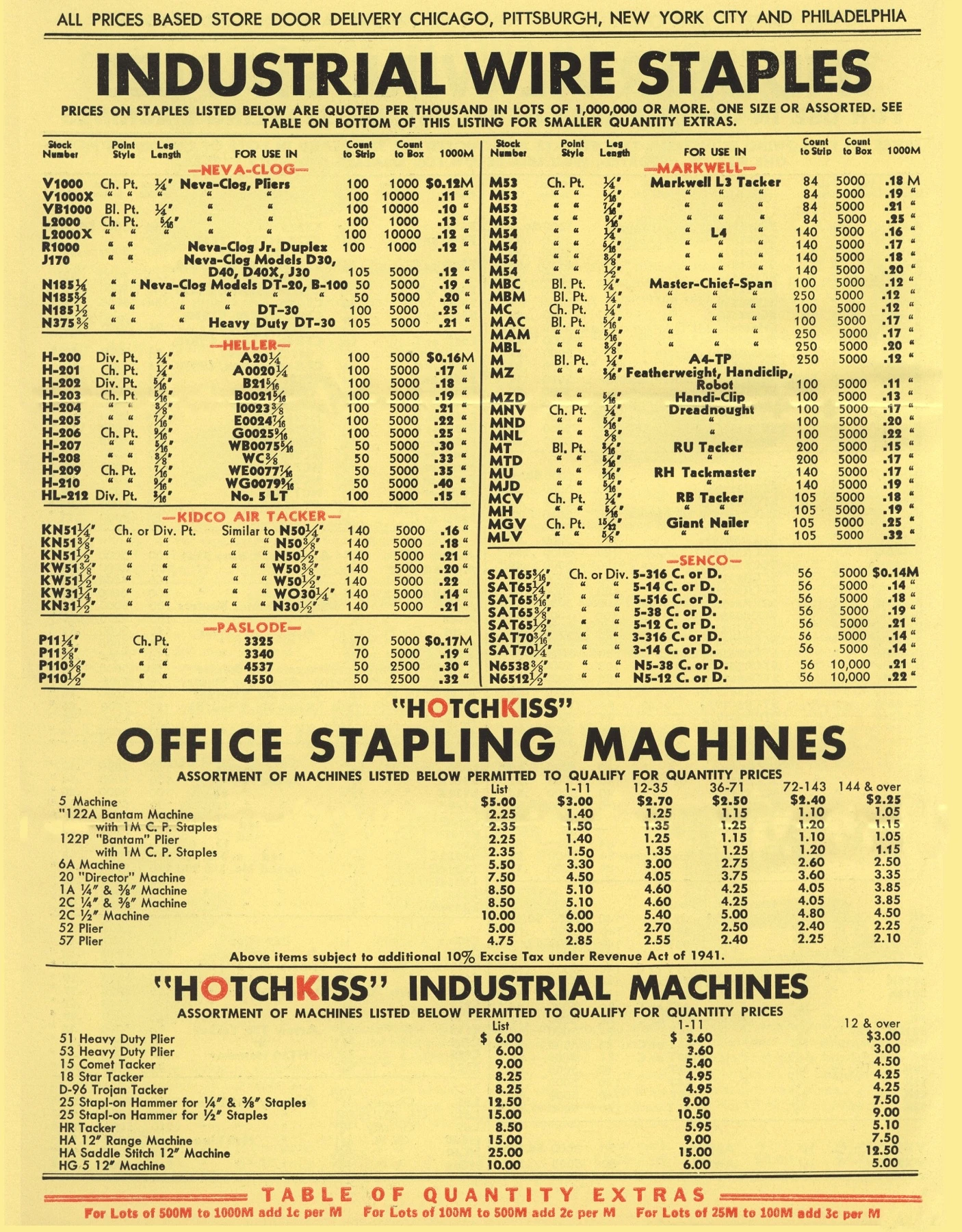
E. H. Hotchkiss, The Director (Model 20), circa 1940
See it in the 3D museum · Curt’s pageListed under "Hotchkiss" Office Stapling Machines: 20 "Director" Machine, list price $7.50.
E. H. Hotchkiss Company Catalog (Dealer's Price List No. 115, January 4, 1956), p. 4
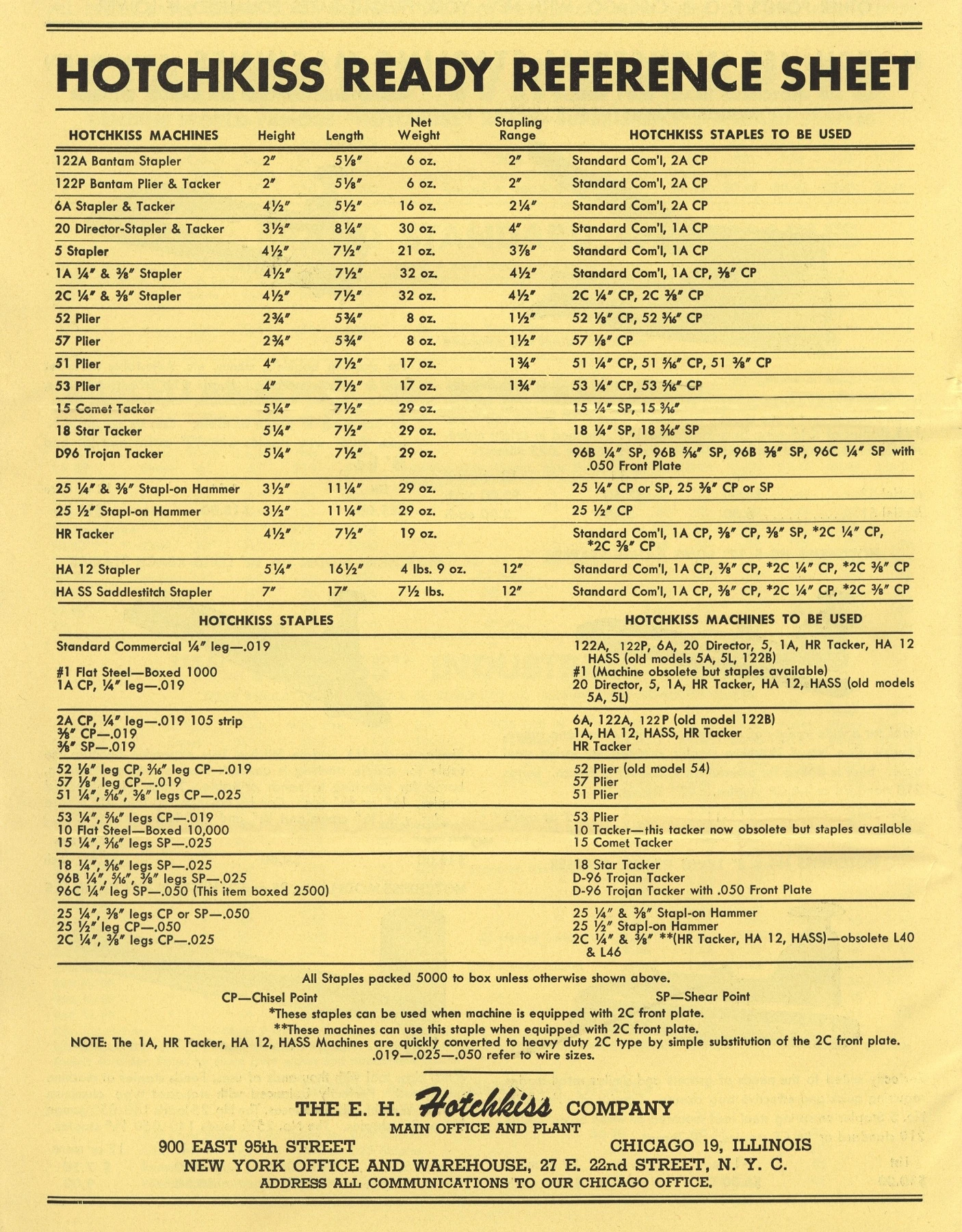
Hotchkiss Ready Reference Sheet: 20 Director-Stapler & Tacker. Height 3½", length 8¼", net weight 30 oz., stapling range 4".
Staples to be used: Standard Com'l, 1A CP (¼" leg, .019 wire; CP is chisel point).
E. H. Hotchkiss Company Catalog (Dealer's Price List No. 115, January 4, 1956), p. 8
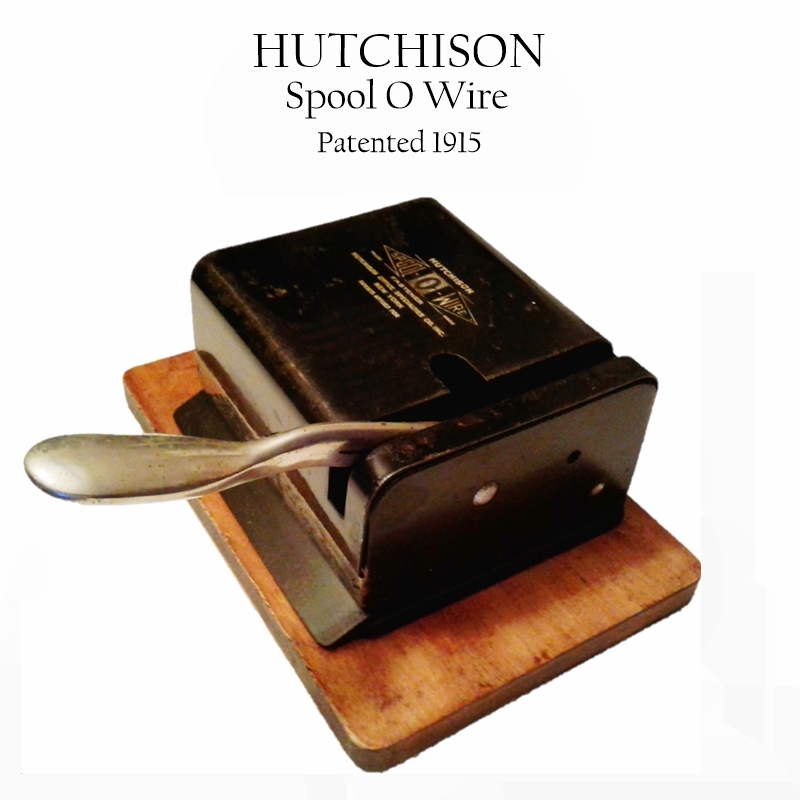
Hutchison 1915
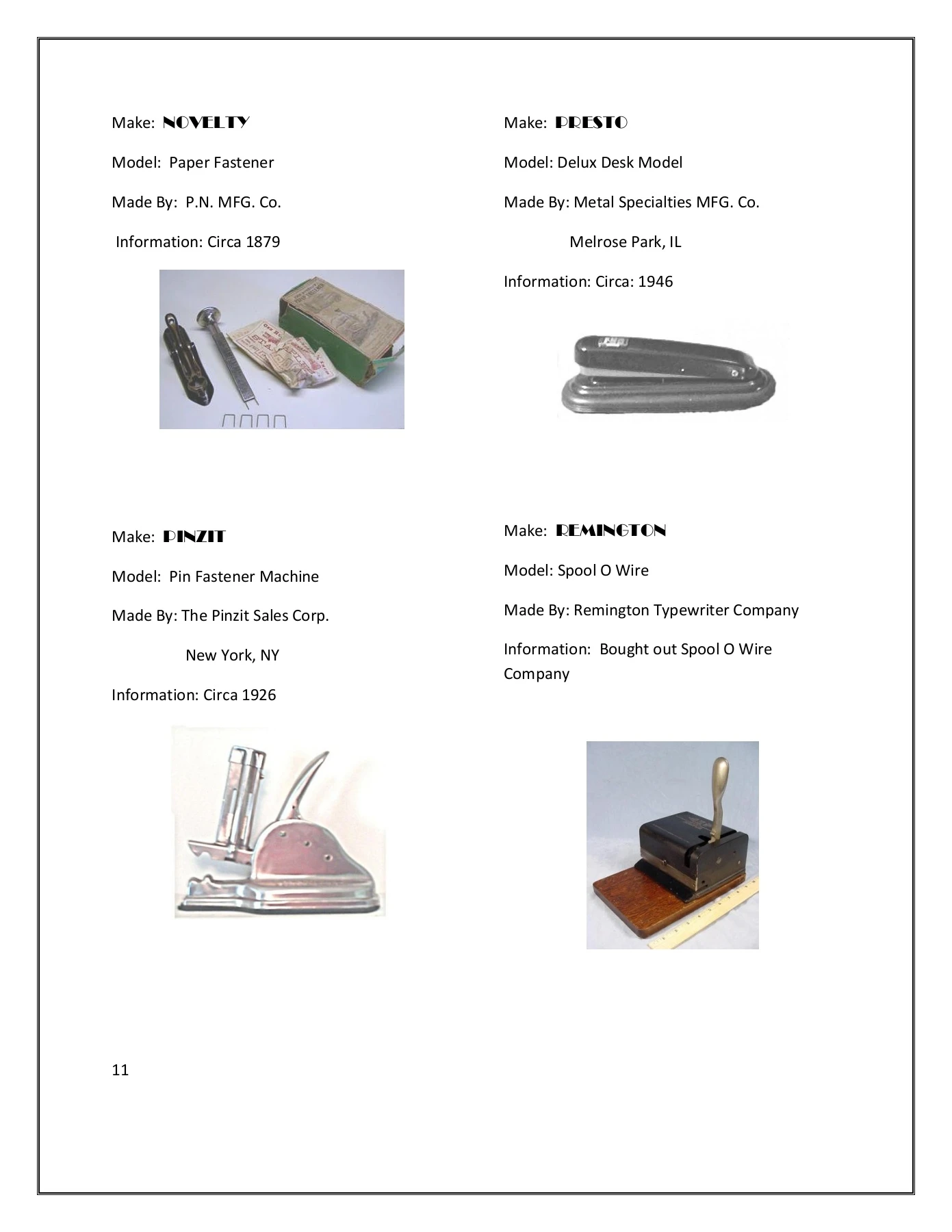
See it in the 3D museum · Curt’s pageMake: Hutchison. Model: Spool-O-Wire. Made by: Automatic Sharpener Co., Chicago, Illinois. Information: Circa 1919.
Make: Remington. Model: Spool O Wire. Made by: Remington Typewriter Company. Information: Bought out Spool O Wire Company.
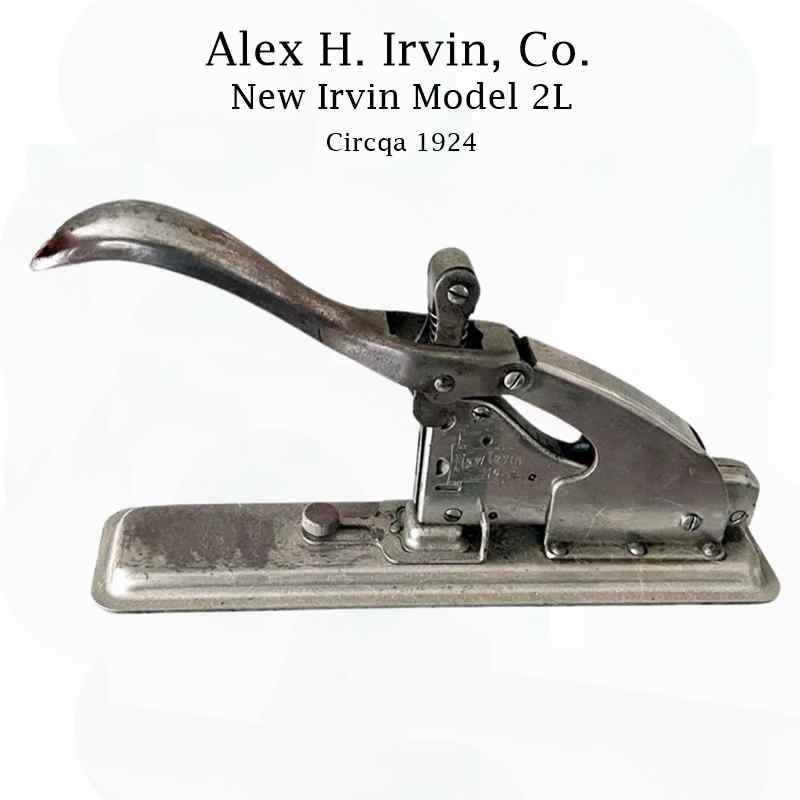
Alex H. Irvin Co., New Irvin Model 2L, circa 1924
See it in the 3D museum · Curt’s pageThe New Irvin as a Retail Merchandising Opportunity … “The Executive’s Right Hand Helper”—should be on every desk.
Most important of these improvements is the new sleeve device which fits around the moving staple and guides it straight without clogging. The adjustable cutting die with six cutting edges gives the machine six times longer life.
Guide To Antique and Vintage Fasteners, p. 79 (a 1922 Alex. H. Irvin Company advertisement)
Make: Irvin. Model: Desk Model. Made by: Alex H. Irvin Co., Curwensville, Pennsylvania. Information: Also known as the New Irvin.
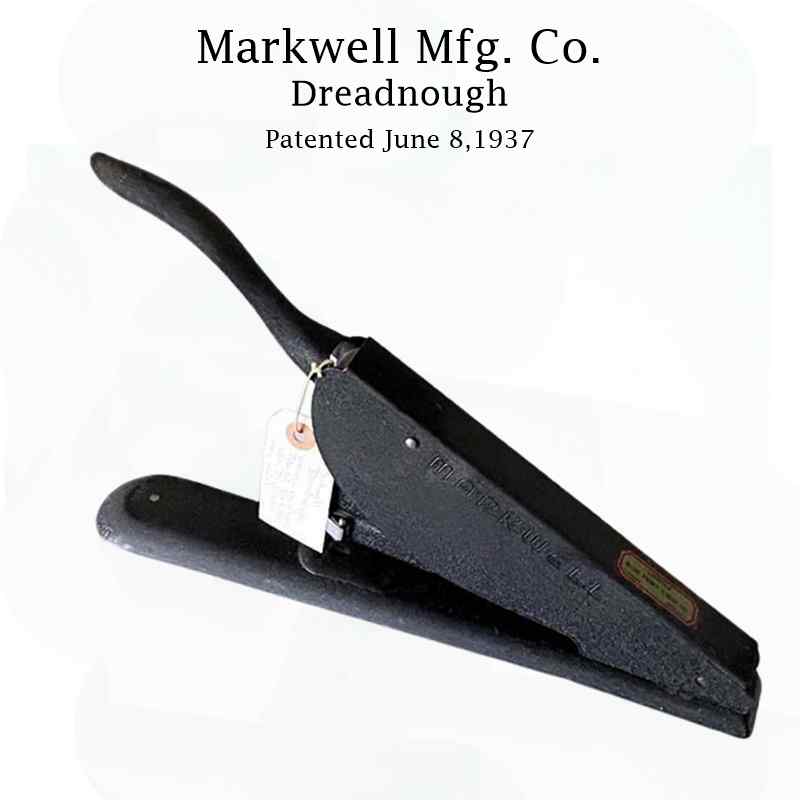
Markwell Stapler 1937
See it in the 3D museum · Curt’s page“Patented on June 8, 1937, this heavy duty stapler was considered a serious work horse.”
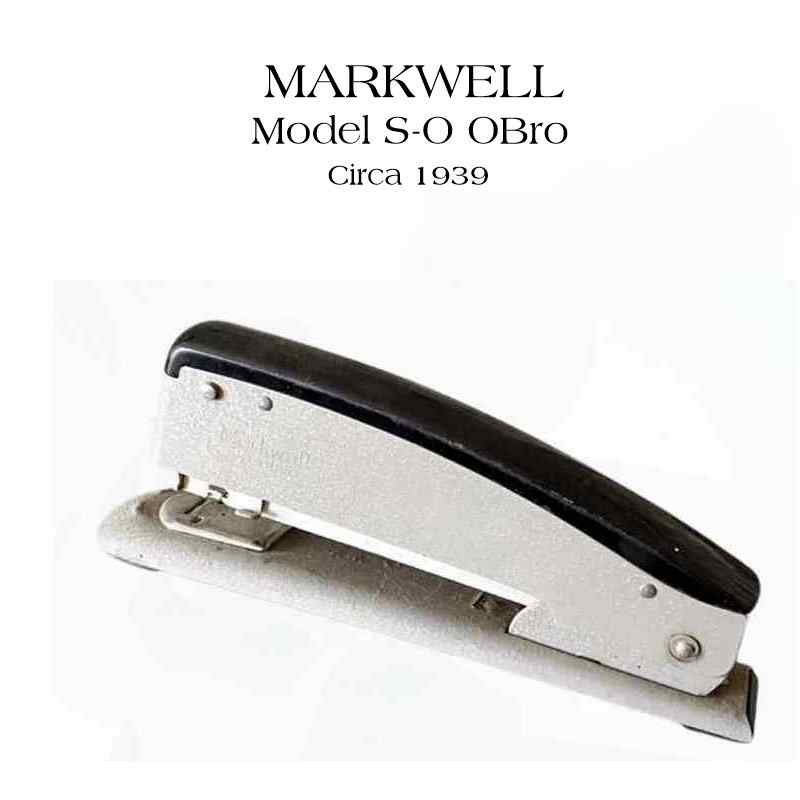
Markwell 1939
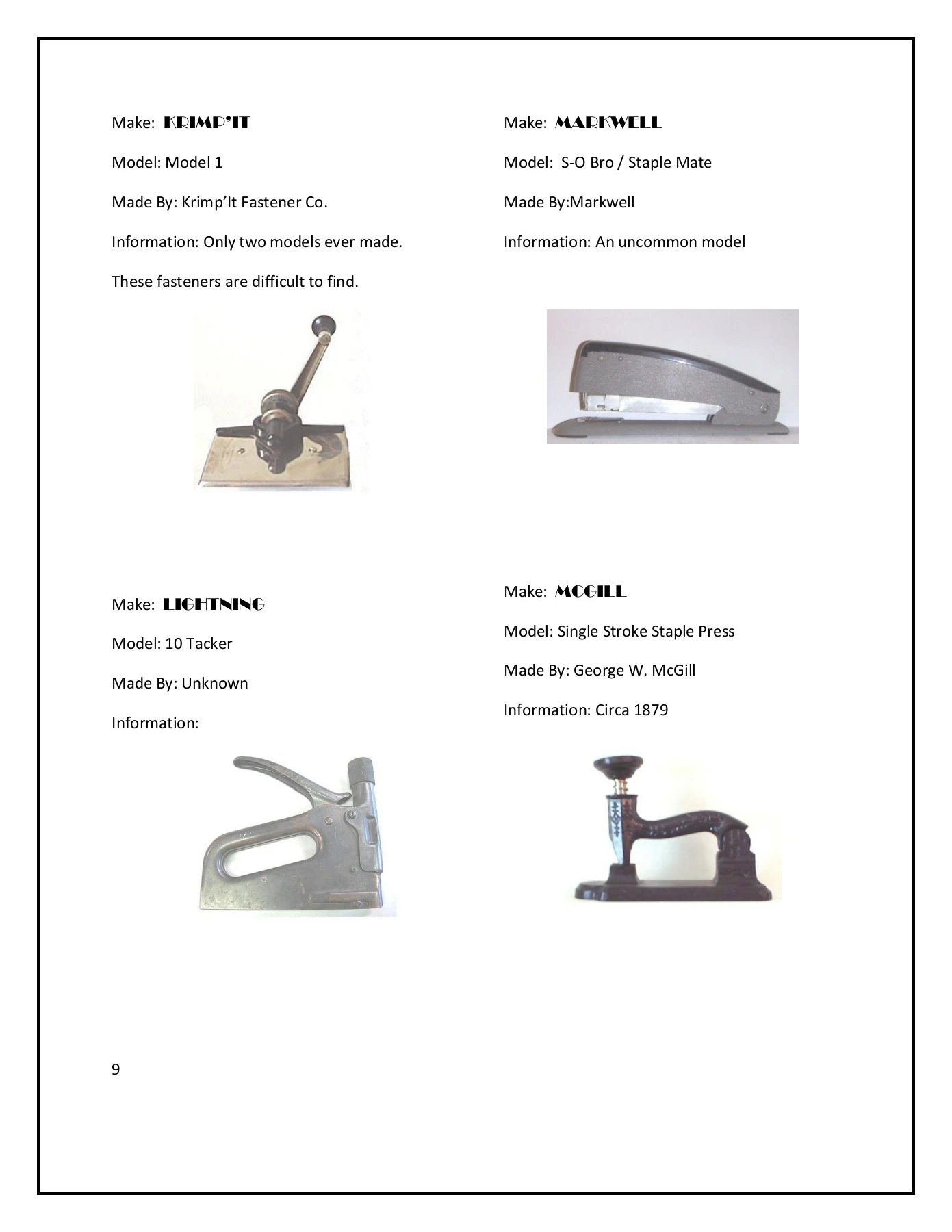
See it in the 3D museum · Curt’s pageMake: Markwell. Model: S-O Bro / Staple Mate. Made by: Markwell. Information: An uncommon model.
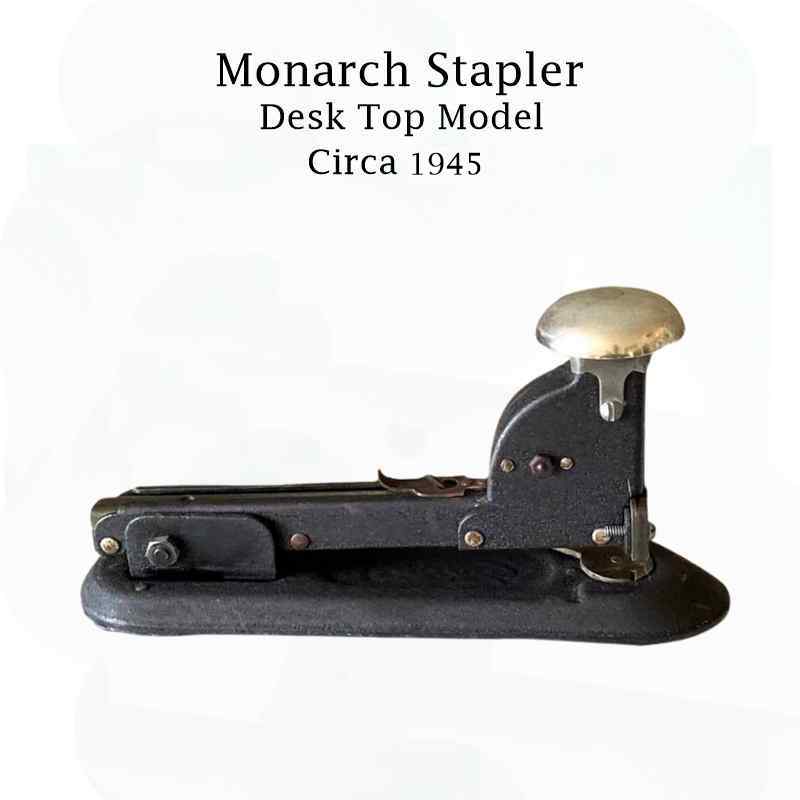
Monarch Stapler 1945
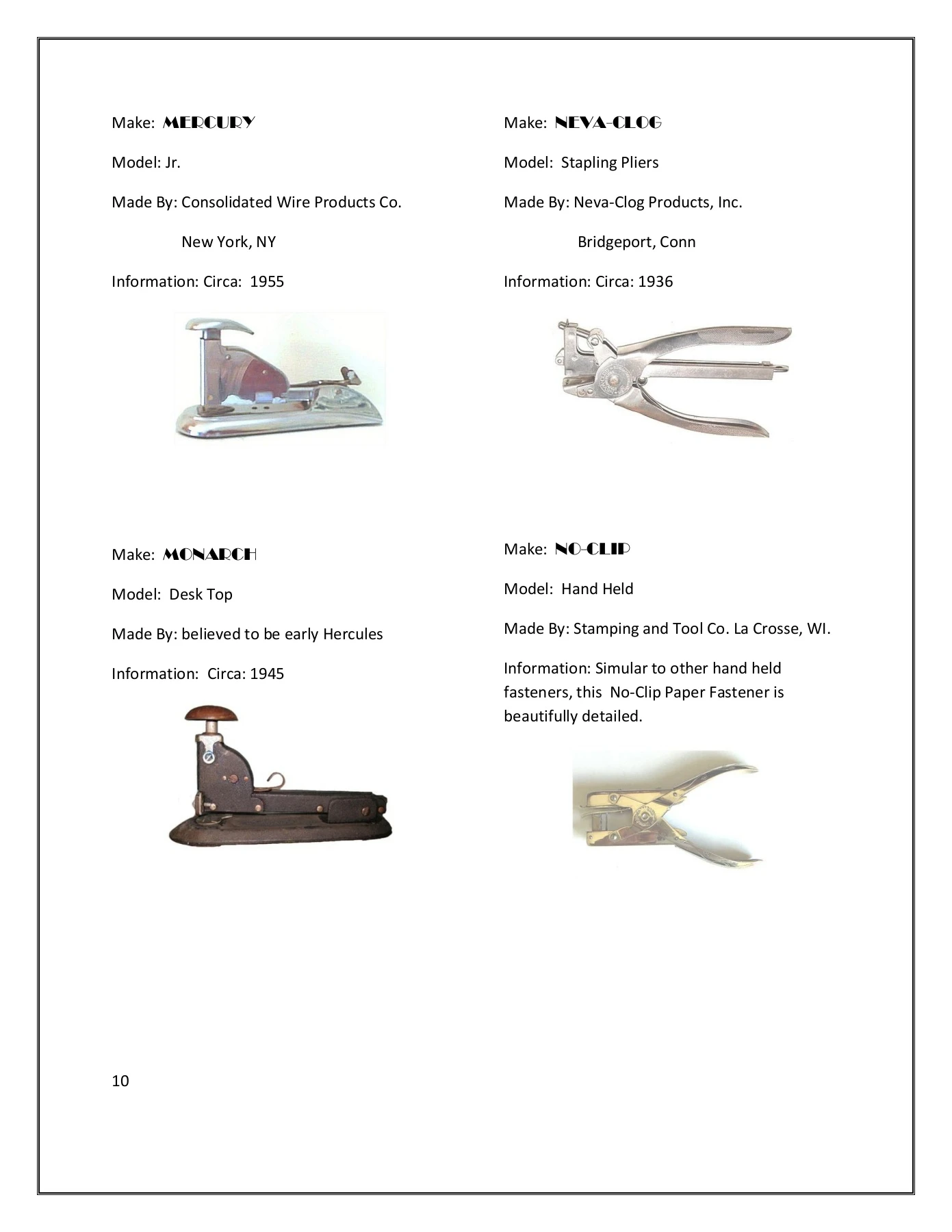
See it in the 3D museum · Curt’s pageMake: Monarch. Model: Desk Top. Made by: believed to be early Hercules. Information: Circa 1945.
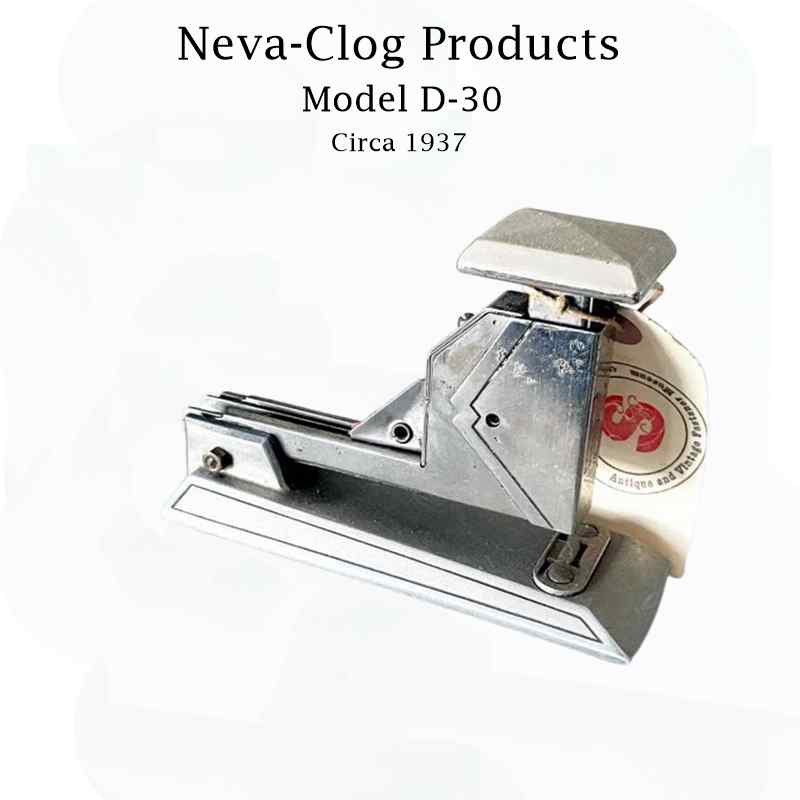
Neva Clog 1937
See it in the 3D museum · Curt’s pageMake: Neva-Clog. Made by: Neva-Clog Products, Inc., Bridgeport, Connecticut. (The register pictures their stapling pliers, circa 1936.)
Industrial wire staples still sold in 1956 for the Neva-Clog Models D30, D40, D40X, J30 (stock number J170).
E. H. Hotchkiss Company Catalog (Dealer's Price List No. 115, January 4, 1956), p. 4
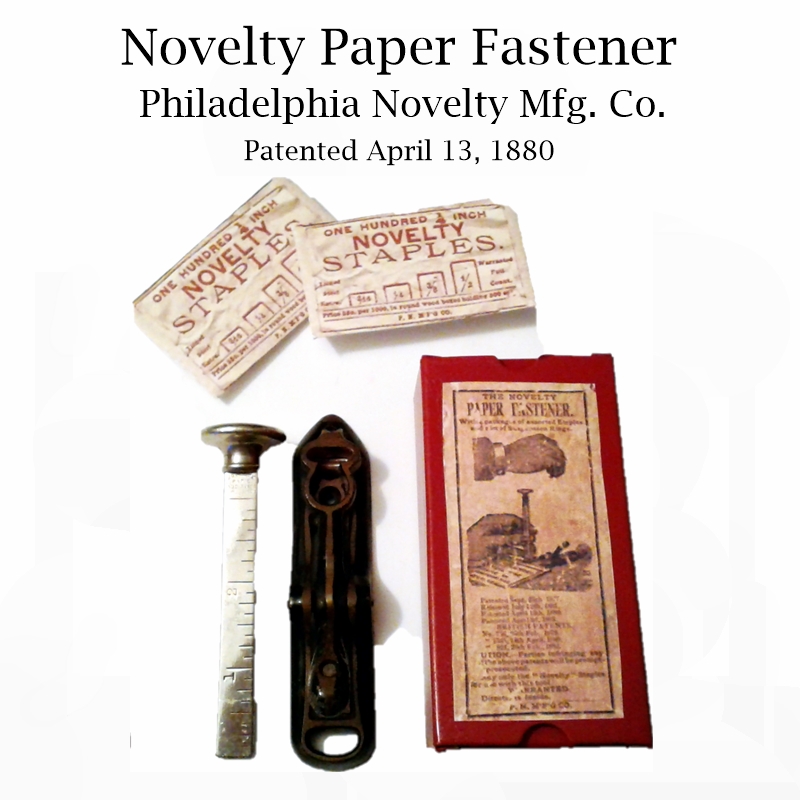
Novelty Paper Fastener 1880
See it in the 3D museum · Curt’s pageMake: Novelty. Model: Paper Fastener. Made by: P.N. MFG. Co. Information: Circa 1879.
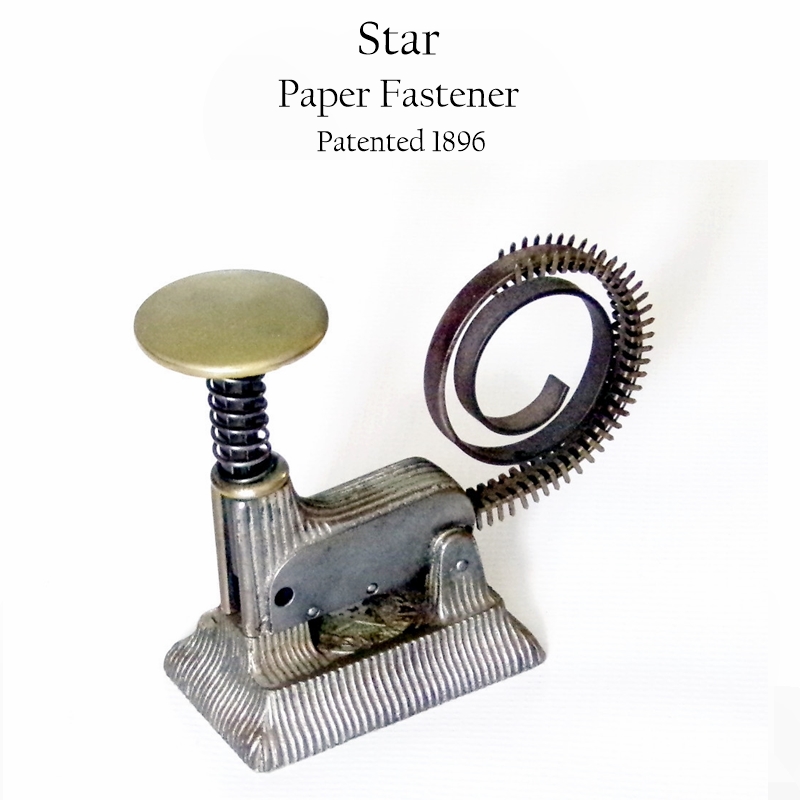
Star Paper Fastener, patented 1896
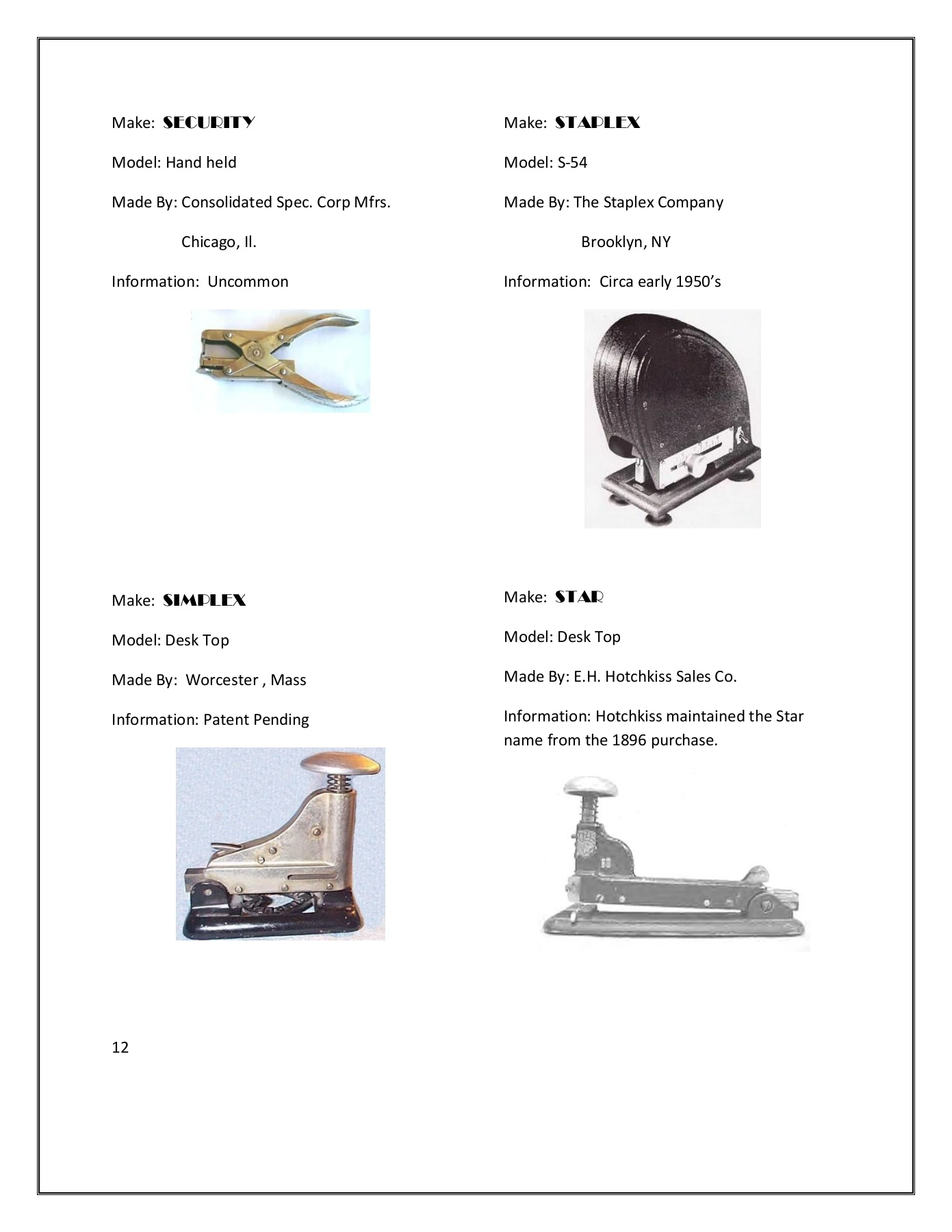
See it in the 3D museum · Curt’s pageMake: Star. Made by: E.H. Hotchkiss Sales Co. Information: Hotchkiss maintained the Star name from the 1896 purchase.
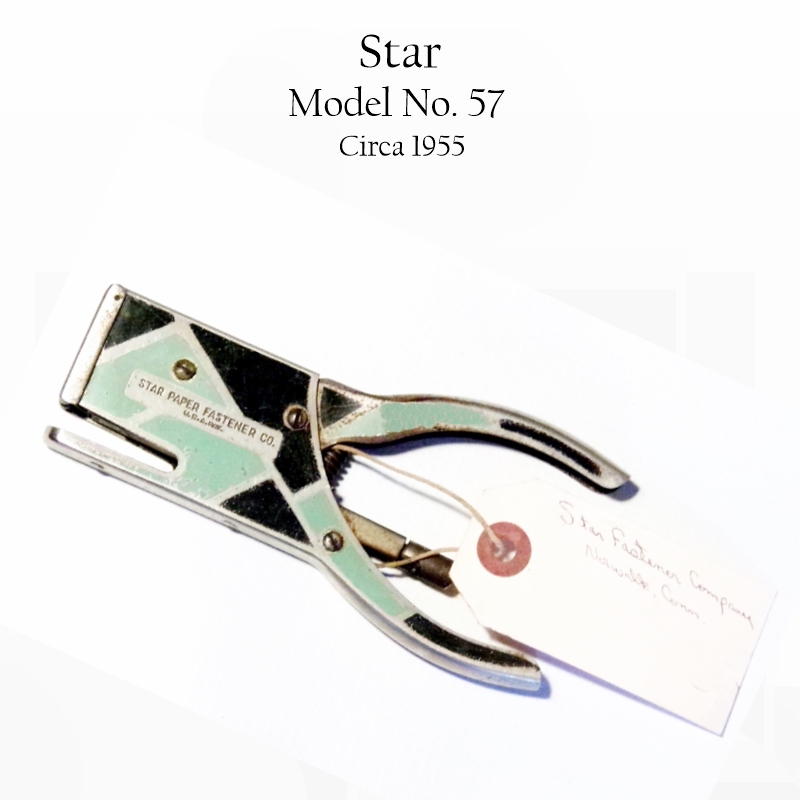
Star Stapler 1955
See it in the 3D museum · Curt’s pageHotchkiss maintained the Star name from the 1896 purchase.
Listed under "Hotchkiss" Office Stapling Machines: 57 Plier, list price $4.75.
E. H. Hotchkiss Company Catalog (Dealer's Price List No. 115, January 4, 1956), p. 4
Hotchkiss Ready Reference Sheet: 57 Plier. Height 2¾", length 5¾", net weight 8 oz., stapling range 1½". Staples: 57 ⅛" CP.
E. H. Hotchkiss Company Catalog (Dealer's Price List No. 115, January 4, 1956), p. 8
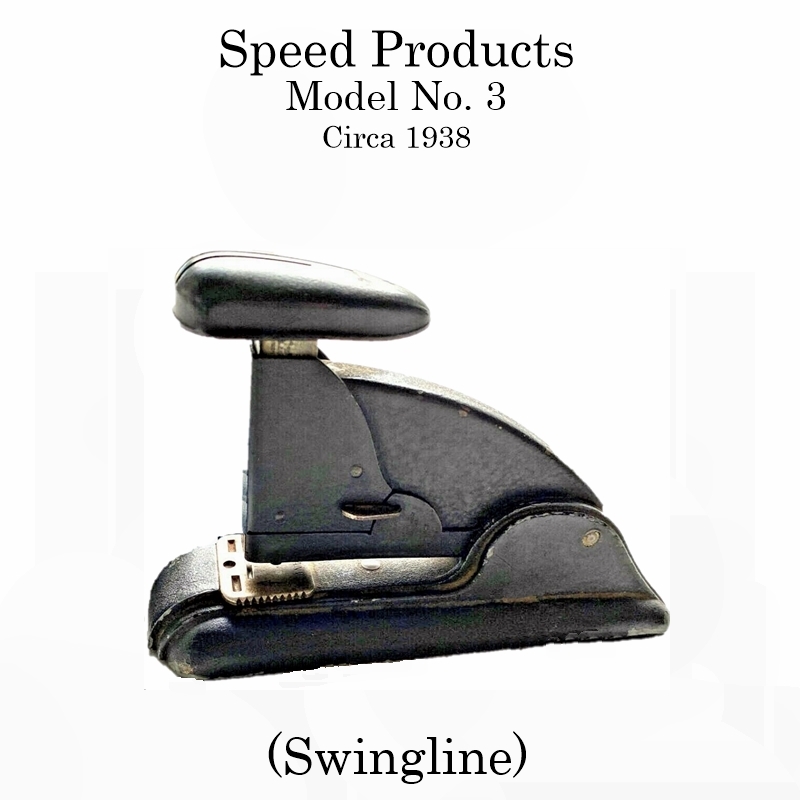
Swingline (Speed Products) Model No. 3, circa 1938
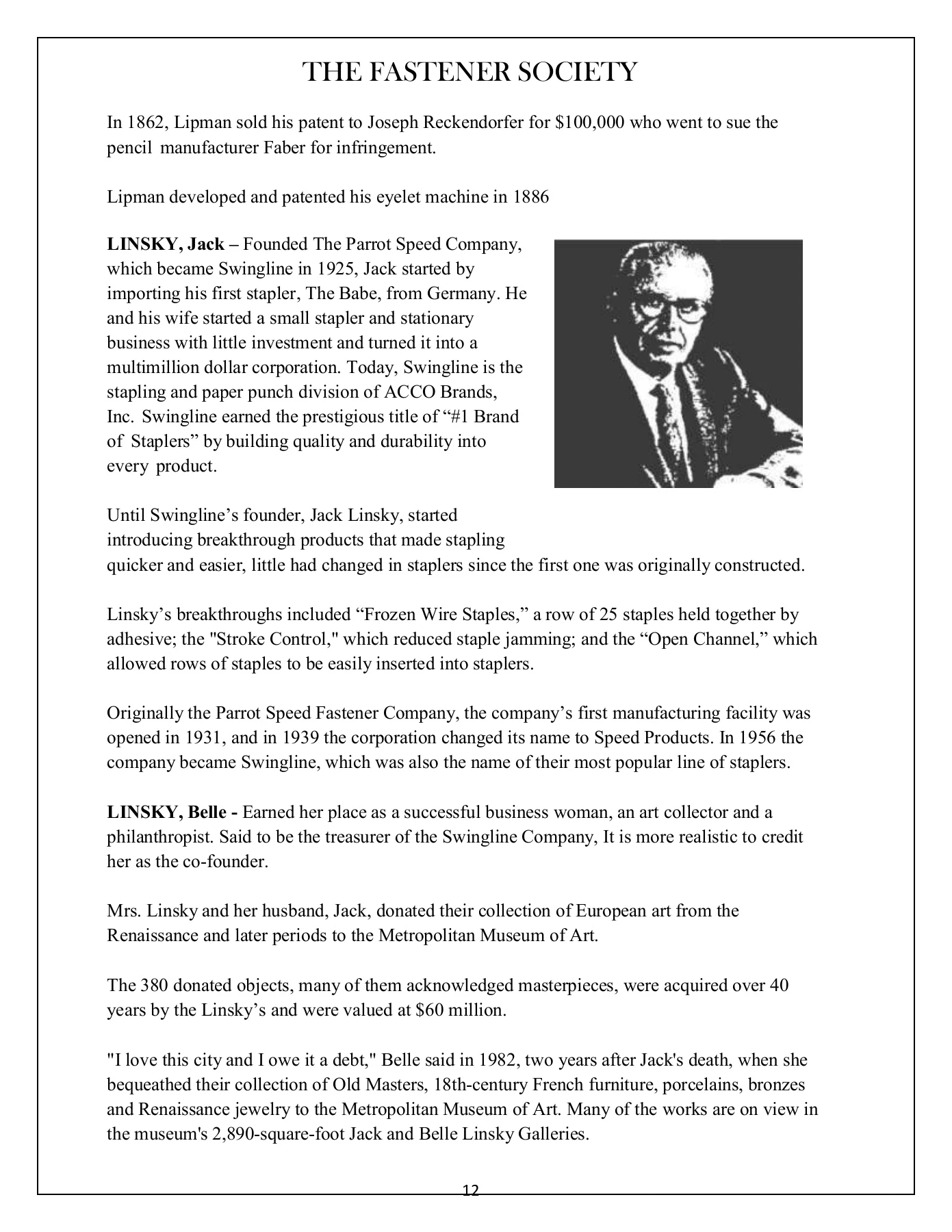
See it in the 3D museum · Curt’s pageOriginally the Parrot Speed Fastener Company, the company’s first manufacturing facility was opened in 1931, and in 1939 the corporation changed its name to Speed Products. In 1956 the company became Swingline, which was also the name of their most popular line of staplers.
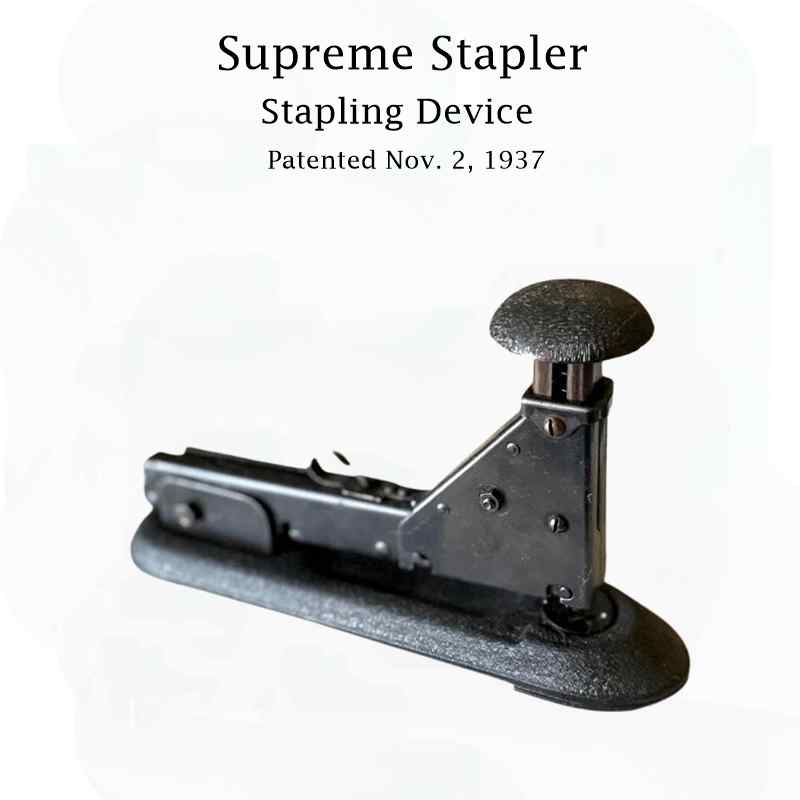
Supreme Stapler 1937
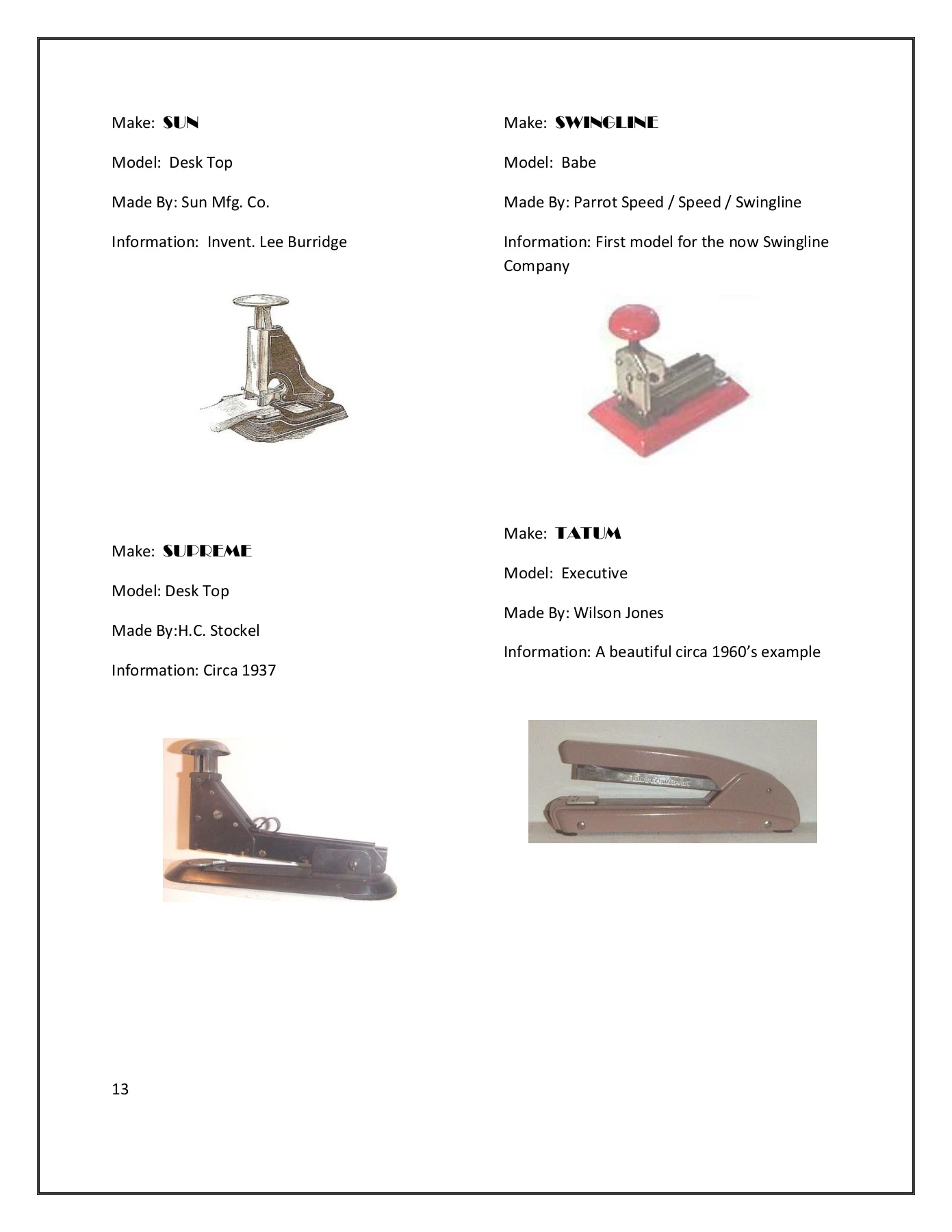
See it in the 3D museum · Curt’s pageMake: Supreme. Model: Desk Top. Made by: H.C. Stockel. Information: Circa 1937.
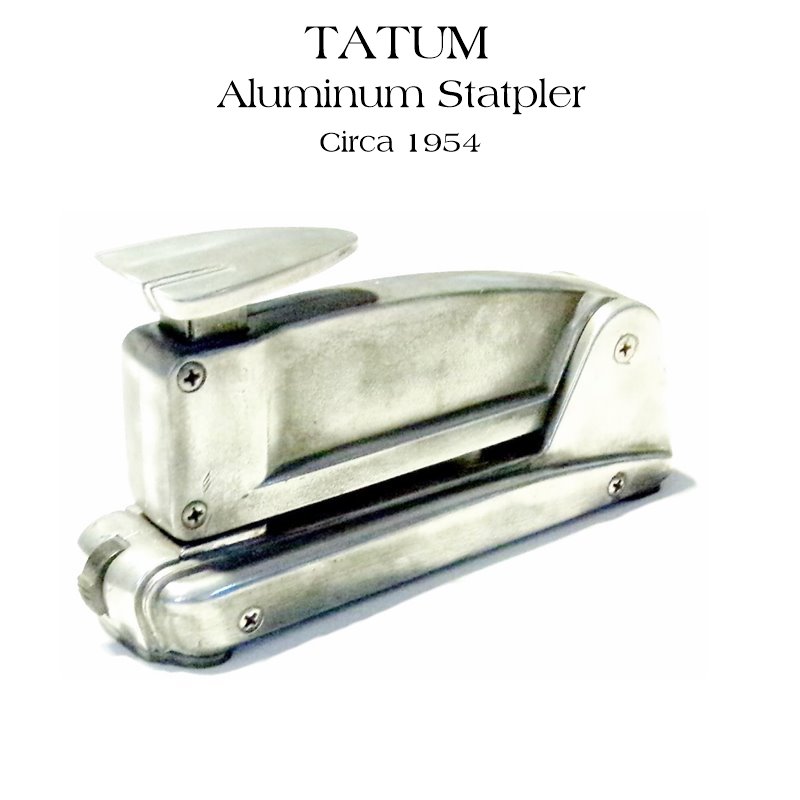
Tatum Stapler 1954
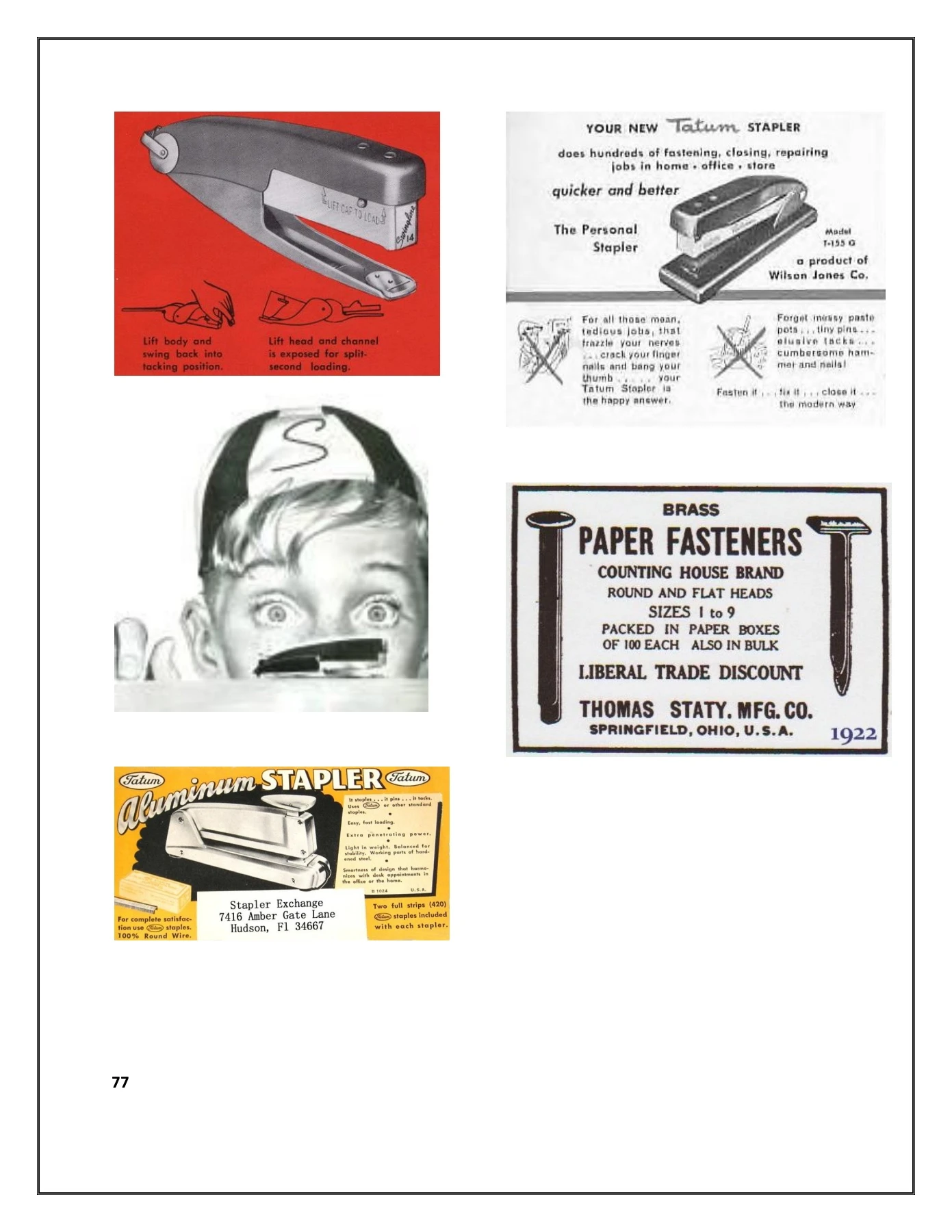
See it in the 3D museum · Curt’s pageTatum Aluminum Stapler. It staples … it pins … it tacks. Uses Tatum or other standard staples.
Easy, fast loading. Extra penetrating power. Light in weight. Balanced for stability. Working parts of hardened steel.
Smartness of design that harmonizes with desk appointments in the office or the home. Two full strips (420) Tatum staples included with each stapler.
Guide To Antique and Vintage Fasteners, p. 77 (a period Tatum advertisement)
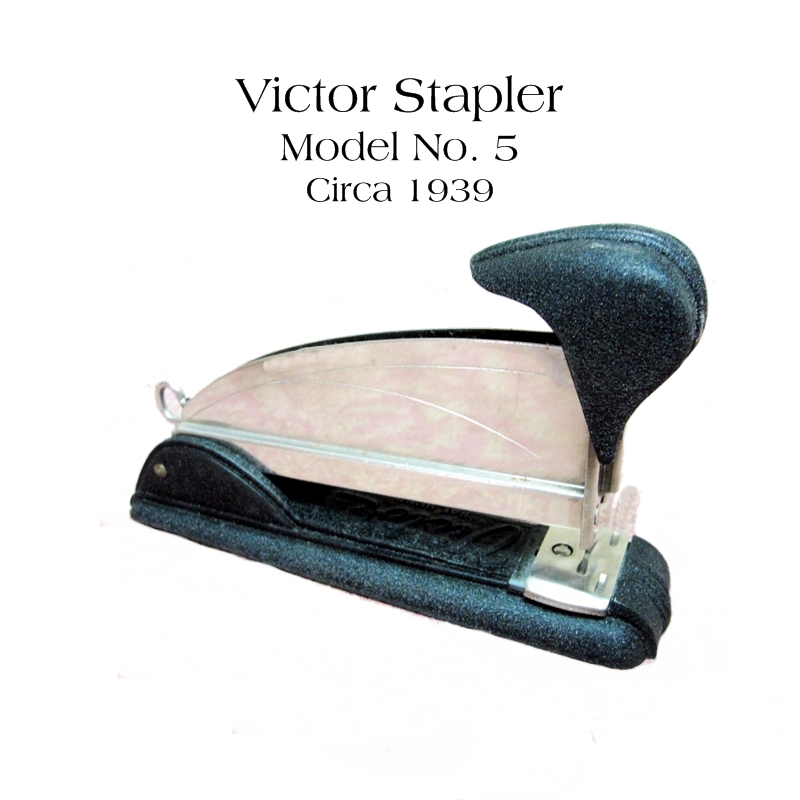
Victor Stapler 1939
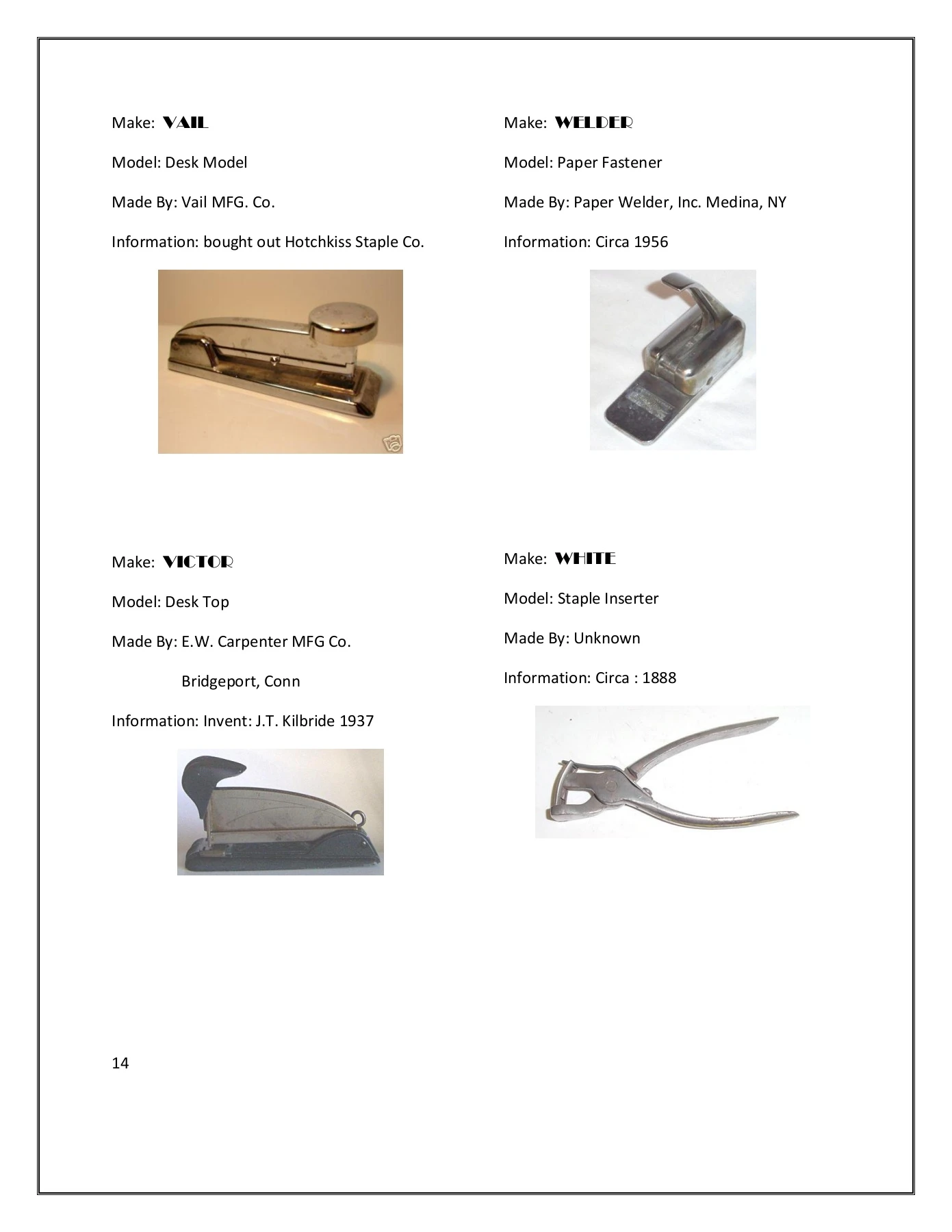
See it in the 3D museum · Curt’s pageMake: Victor. Model: Desk Top. Made by: E.W. Carpenter MFG Co., Bridgeport, Connecticut. Information: Invented by J.T. Kilbride, 1937.
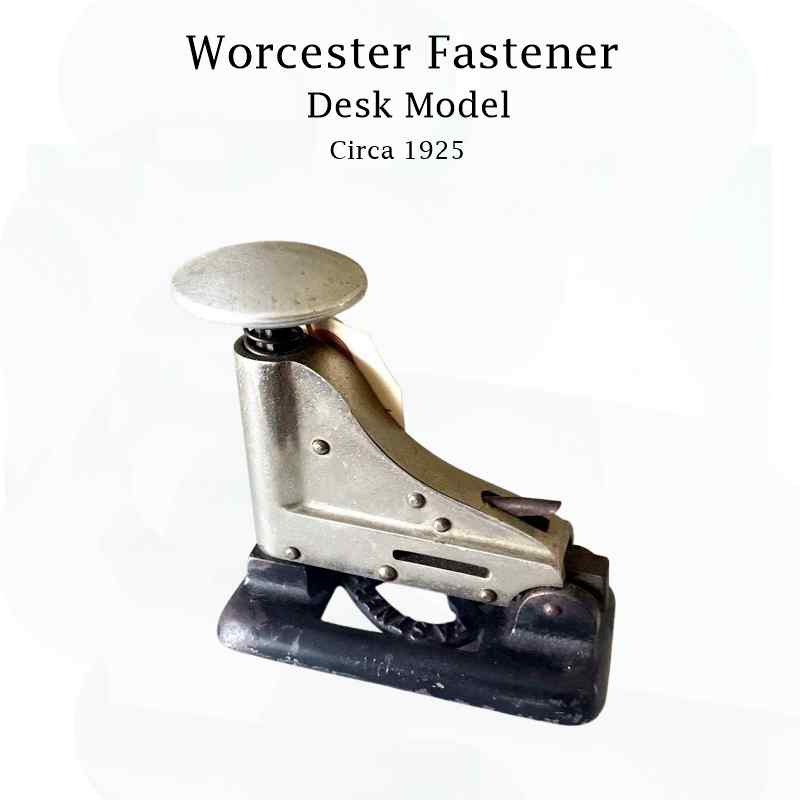
Worcester Fastener 1925
See it in the 3D museum · Curt’s pageMake: Simplex. Model: Desk Top. Made by: Worcester, Mass. Information: Patent Pending.
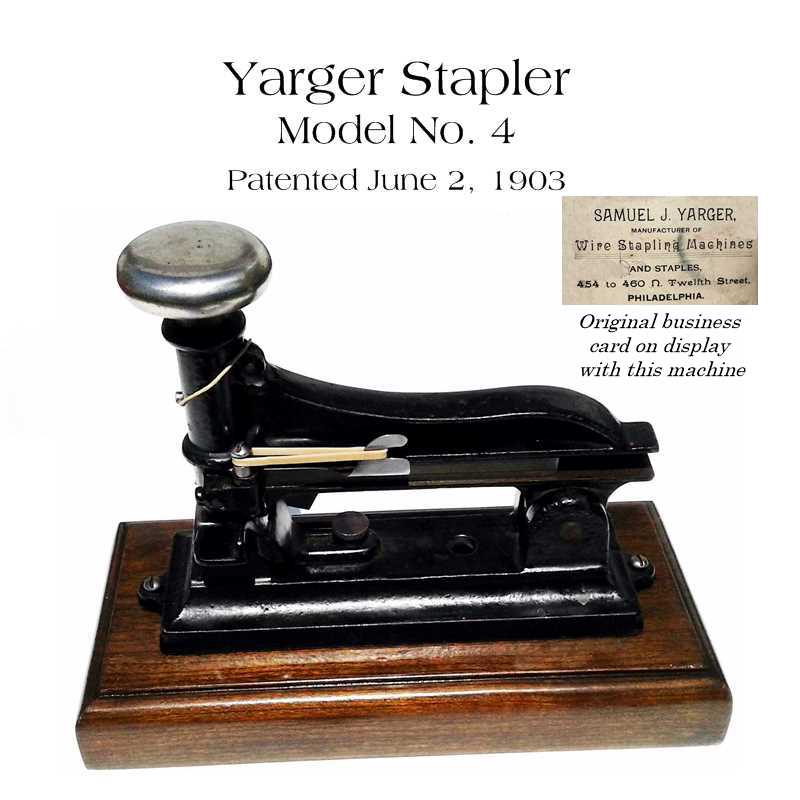
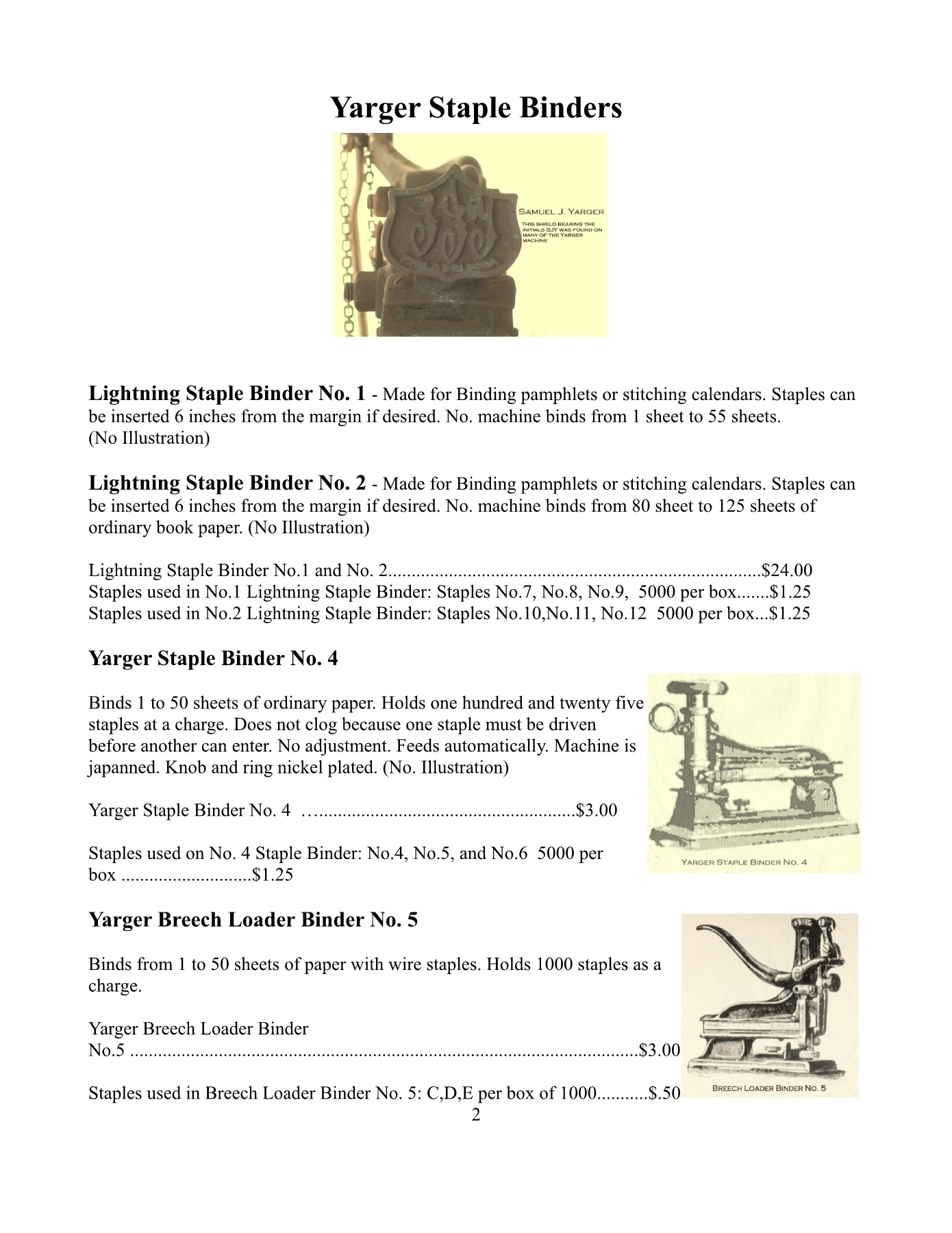
Yarger Stapler 1903
See it in the 3D museum · Curt’s pageYarger Staple Binder No. 4: Binds 1 to 50 sheets of ordinary paper. Holds one hundred and twenty five staples at a charge. Does not clog because one staple must be driven before another can enter. No adjustment. Feeds automatically. Machine is japanned. Knob and ring nickel plated.
Price $3.00. Staples used on No. 4: No. 4, No. 5, and No. 6, 5000 per box, $1.25.
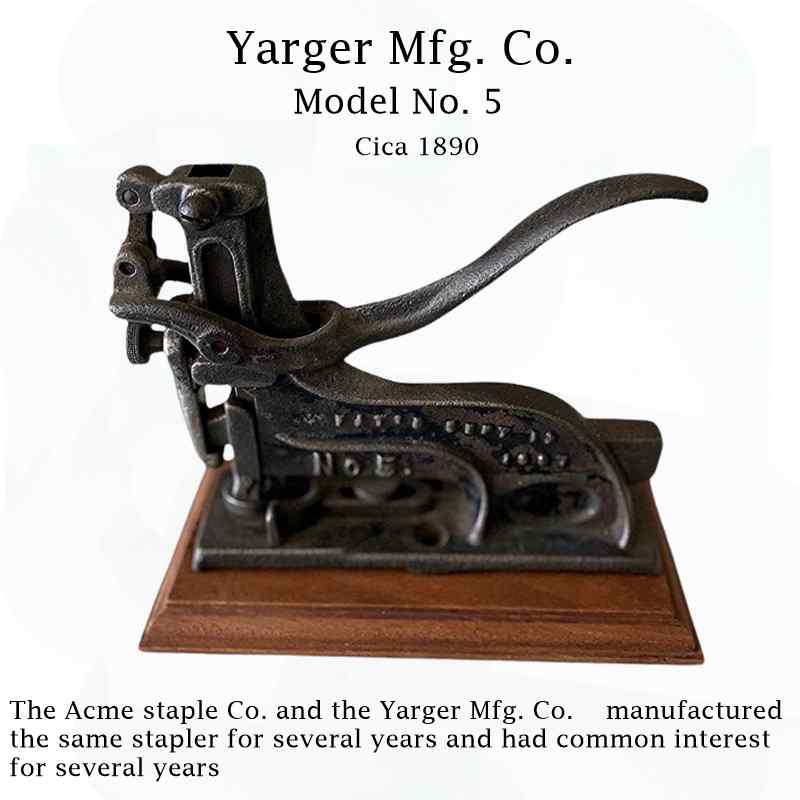
Yarger Mfg. Co. Model No. 5, circa 1890
See it in the 3D museum · Curt’s page“Many collectors mistakenly called his machines the “Yarger” after S.J. Yarger who was the sole distributor for Brown's earlier fasteners.”
“The Acme staple Co. and the Yarger Mfg. Co. manufactured the same stapler for several years and had common interest for several years”
Yarger Breech Loader Binder No. 5: Binds from 1 to 50 sheets of paper with wire staples. Holds 1000 staples as a charge.
Price $3.00. Staples used: C, D, E, per box of 1000, $.50.
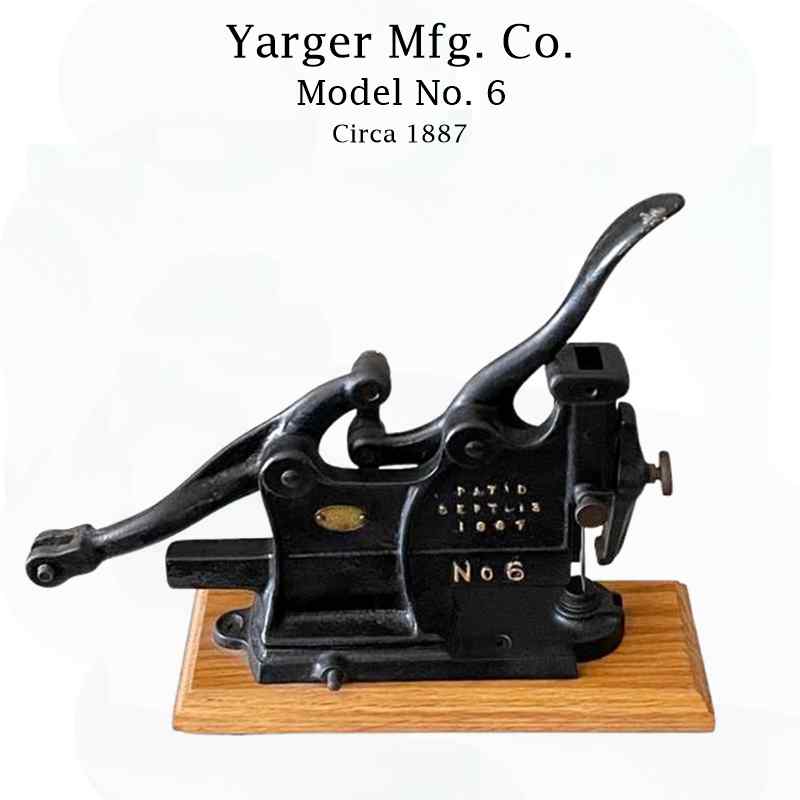
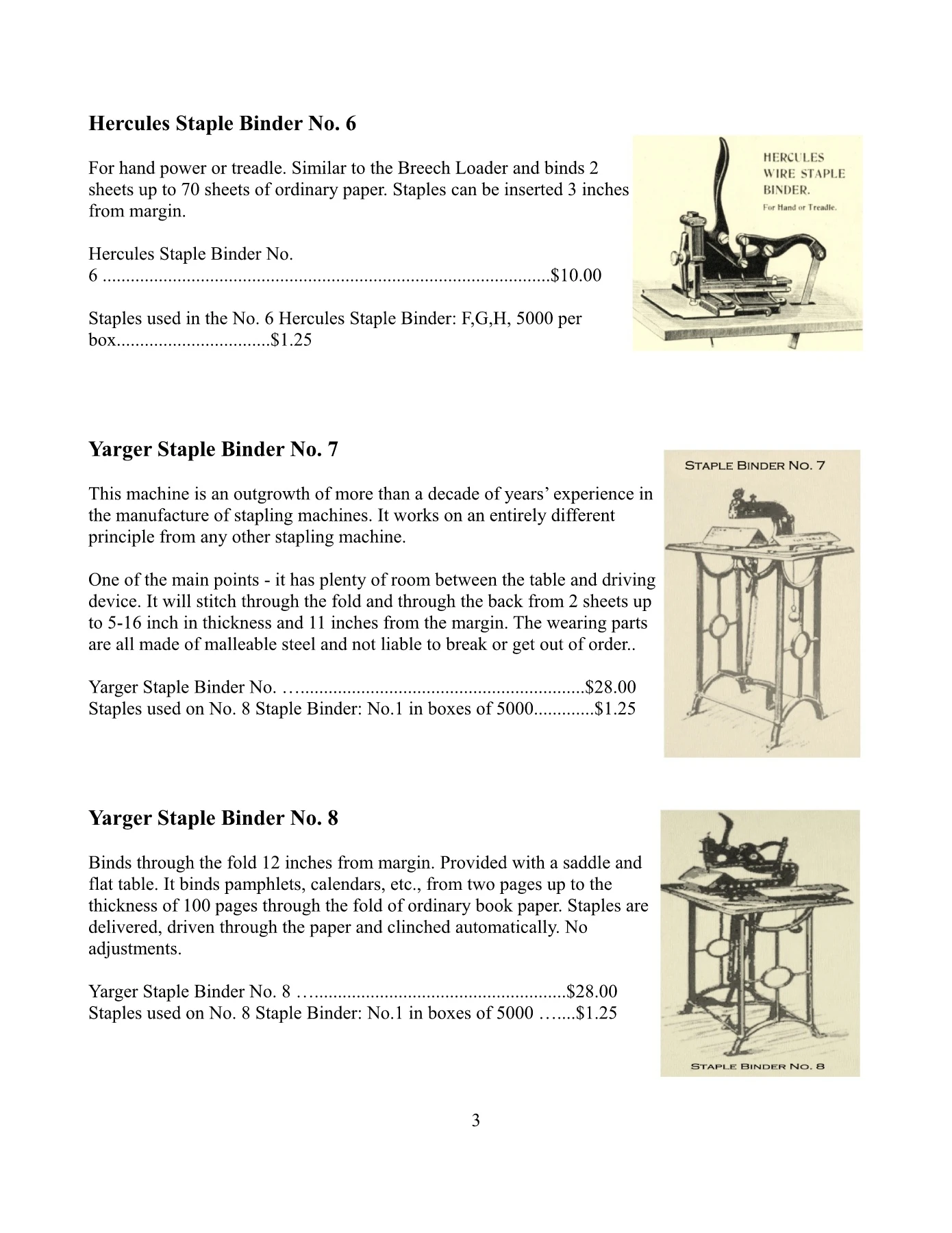
Yarger Stapler 1887
See it in the 3D museum · Curt’s pageHercules Staple Binder No. 6: For hand power or treadle. Similar to the Breech Loader and binds 2 sheets up to 70 sheets of ordinary paper. Staples can be inserted 3 inches from margin.
Price $10.00. Staples used: F, G, H, 5000 per box, $1.25.


Hole Punches
Hole punches have been around since the early 1870's therefore, we have a great selection of antique and vintage machines for review and examination. Many machines produced today are based on designs dating to 1912. Today, we refer to this office machine as a hole punch. During the period dating from 1874 to the 1930s these machines were known as paper punch, hole punchers, perforators, or paper perforators. There was no real standard for a machine that punched holds in paper. In 1882 James Shannon filed for a patent for his paper file. While the patent is for a complete paper file, his patent described the paper punch that was part of his invention. After reviewing the patent one is left wondering if he was at a loss as to what to call his hole punch. As a result, his invention is overlooked by many and the credit for the invention of the hole punch has been credited to someone else.
See this gallery in the 3D museum · Curt’s page for Hole Punches
Ambart Hole Punch 1909 Top Shelf
See it in the 3D museum · Curt’s page“The Ambart was said to replace seven or more punches.”
“The Ambart is made entirely of iron and steel and is set on an oak base, which forms a box to catch the punchings.”
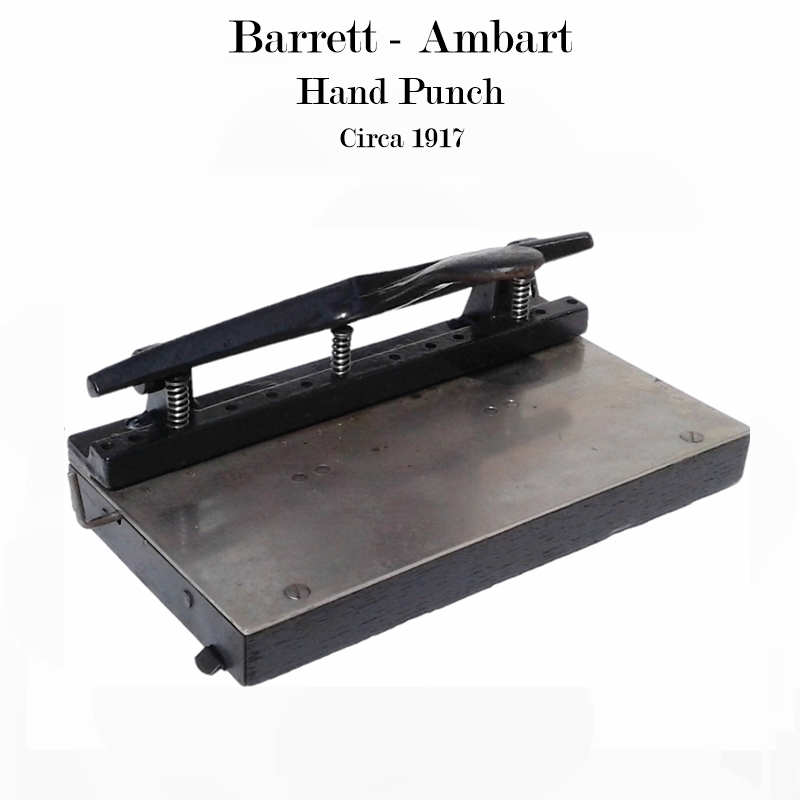
Barrett-Ambart Hand Punch 1917
See it in the 3D museum · Curt’s pageBoorum & Pease Perforator 1912 Top Shelf
See it in the 3D museum · Curt’s page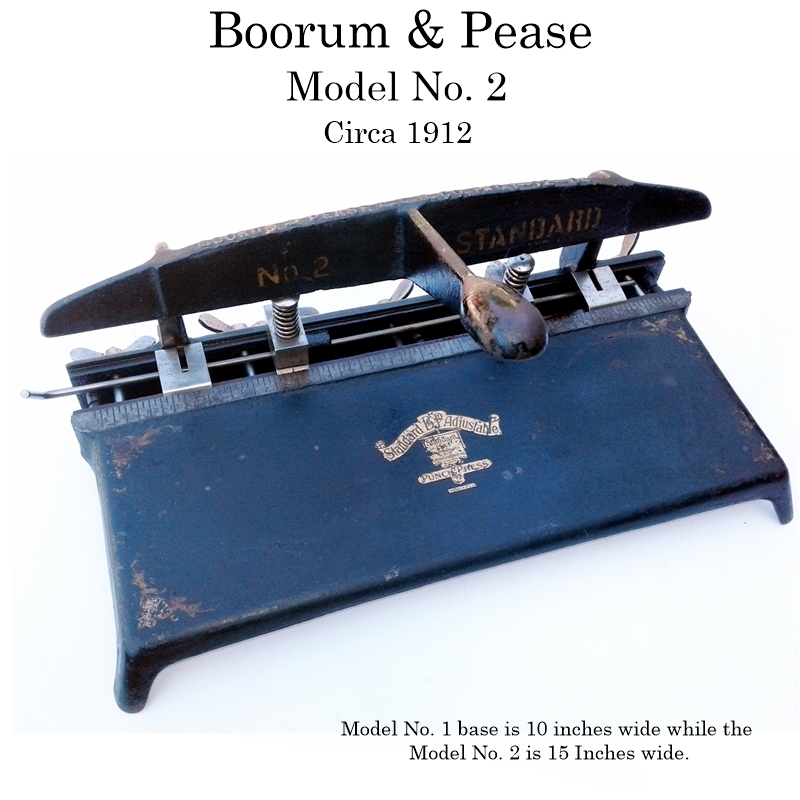
Boorum & Pease Perforator 1912
See it in the 3D museum · Curt’s pageBoykin & Roper Bill File and Hole Punch, patented 1904 Top Shelf
See it in the 3D museum · Curt’s page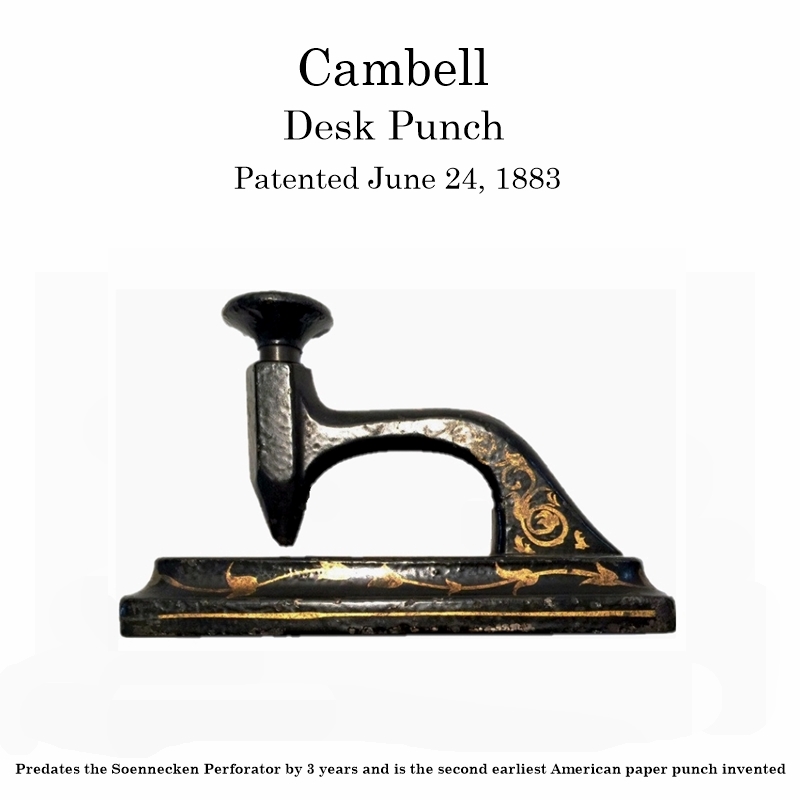
Campbell Desk Punch 1883
See it in the 3D museum · Curt’s page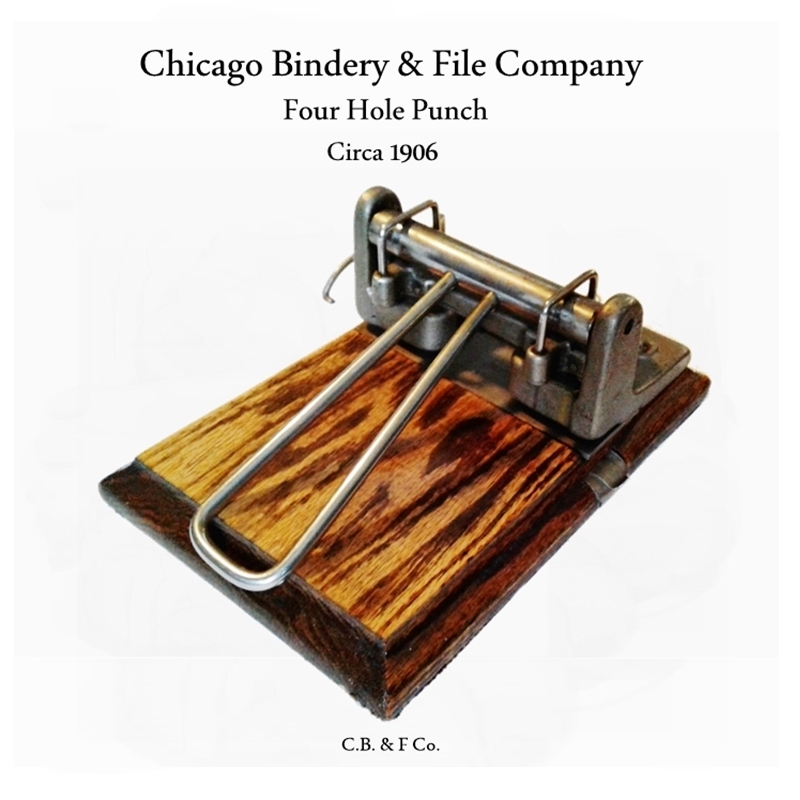
C.B.&F. Hole Punch 1906
See it in the 3D museum · Curt’s page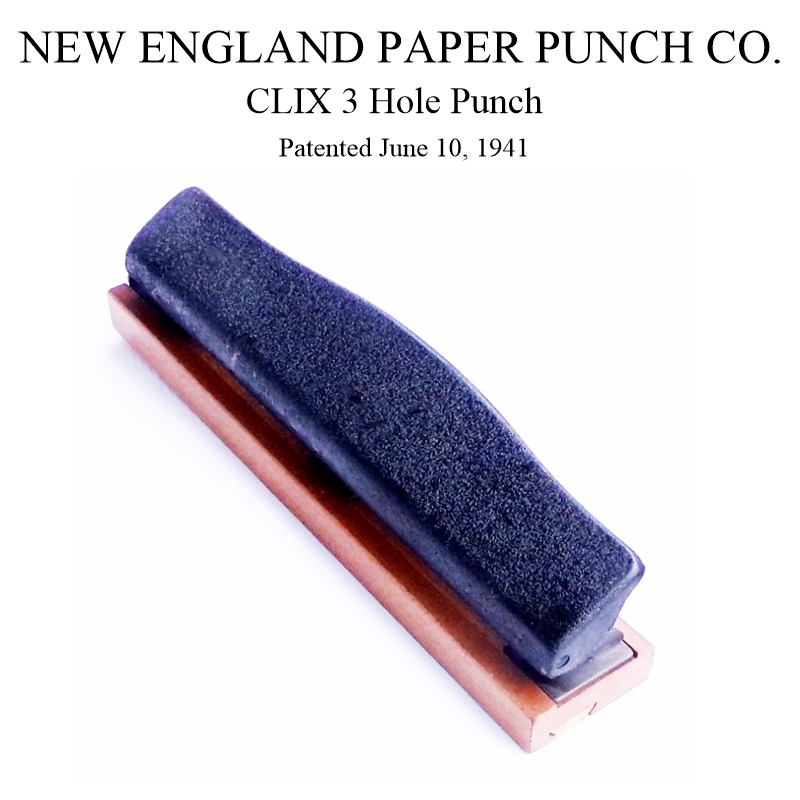
Clix Hole Punch 1941
See it in the 3D museum · Curt’s page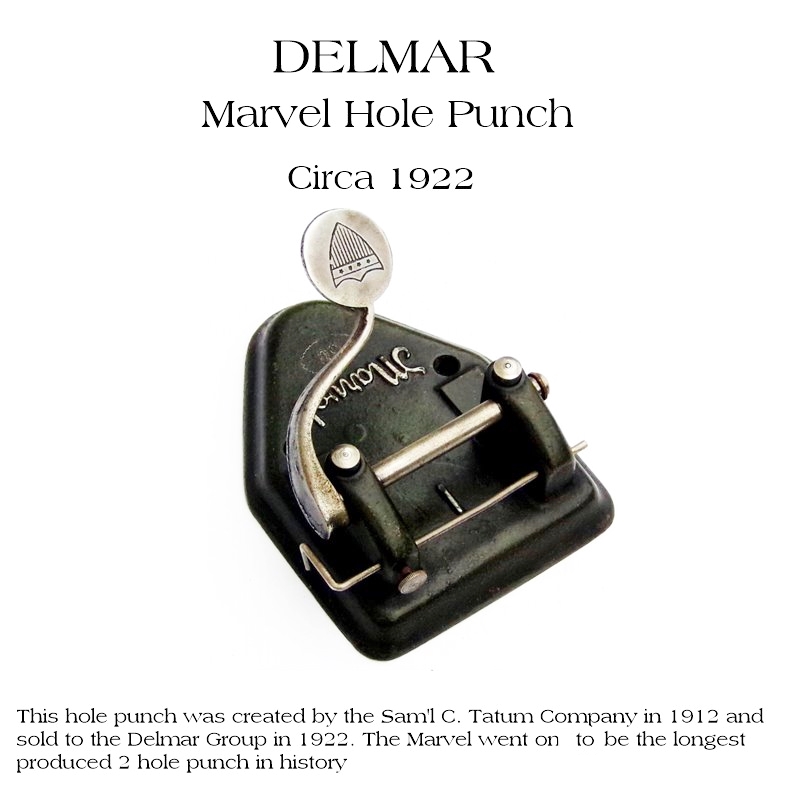
Delmar Hole Punch 1922
See it in the 3D museum · Curt’s page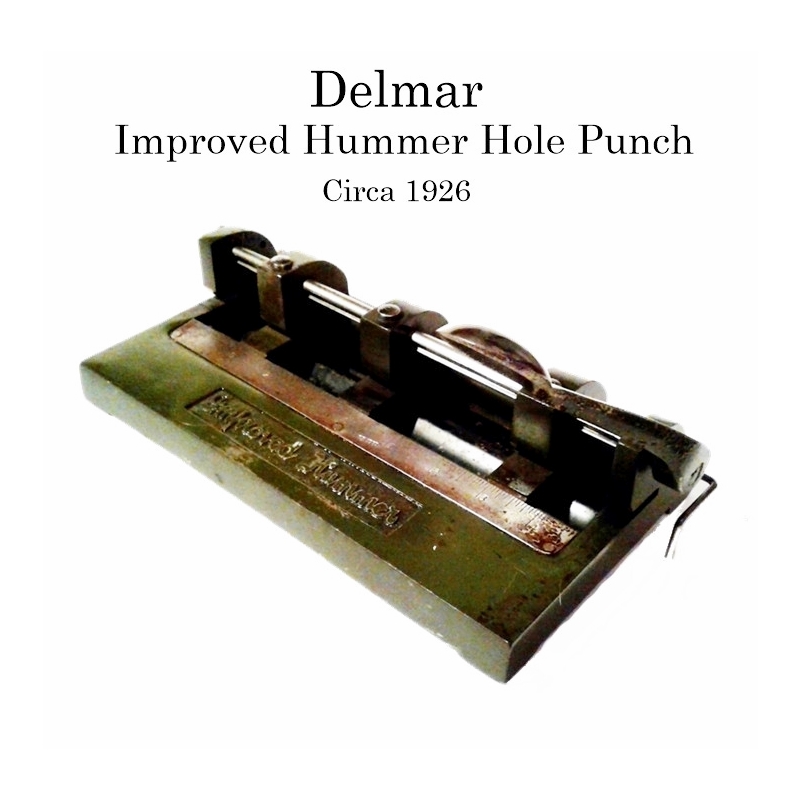
Delmar Improved Hummer Hole Punch, circa 1926
See it in the 3D museum · Curt’s page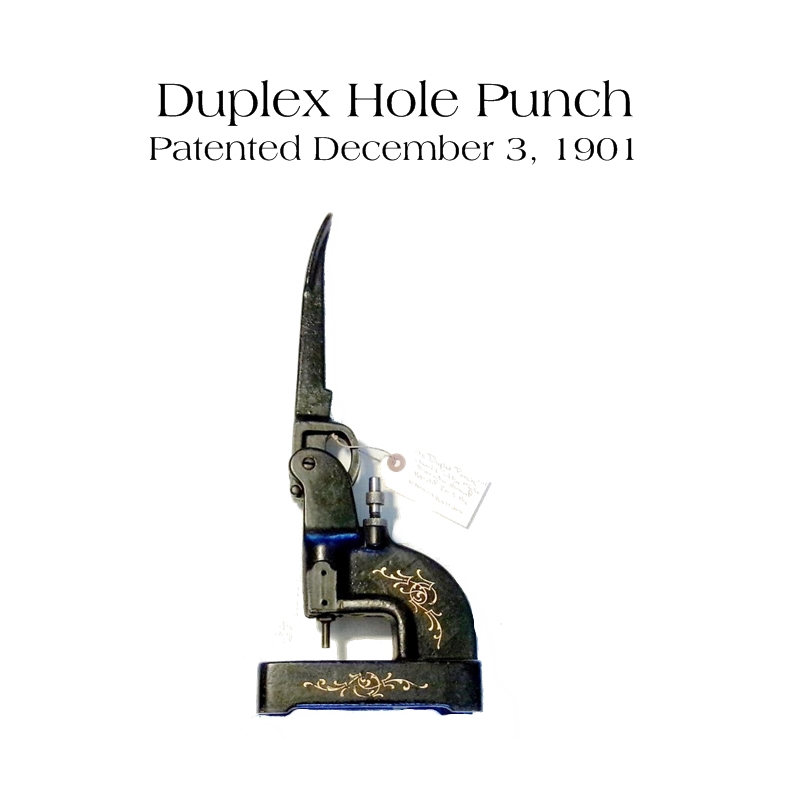
Duplex Hole Punch 1901
See it in the 3D museum · Curt’s page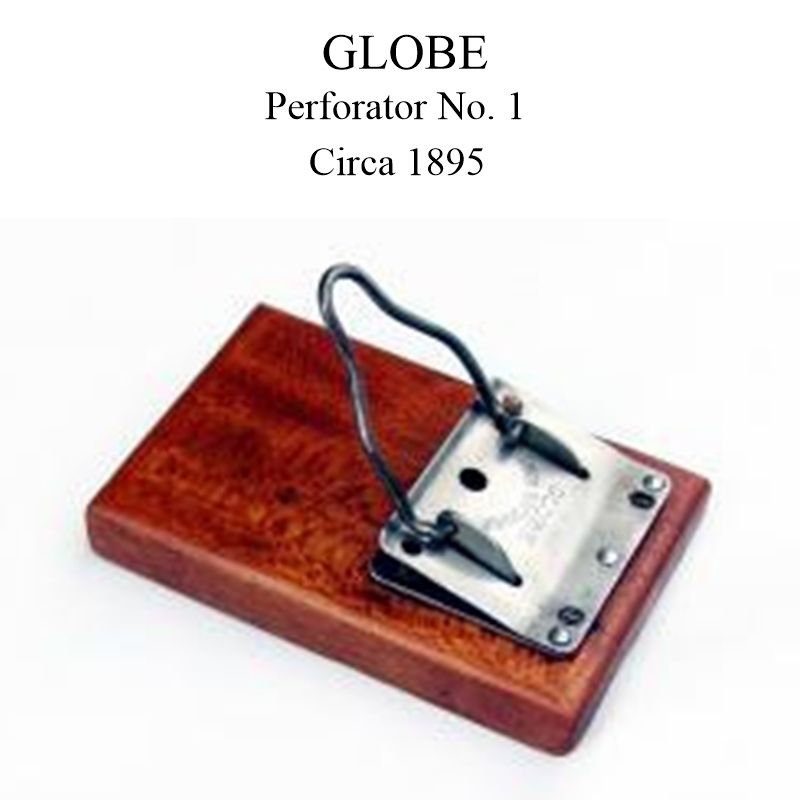
Globe Perforator 1895
See it in the 3D museum · Curt’s page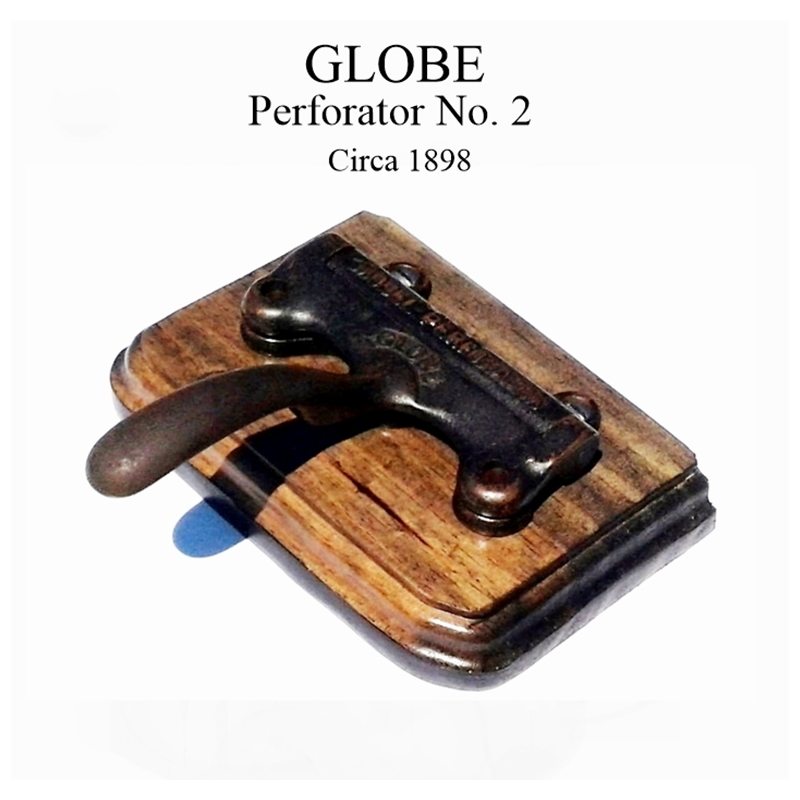
Globe Perforator 1898
See it in the 3D museum · Curt’s page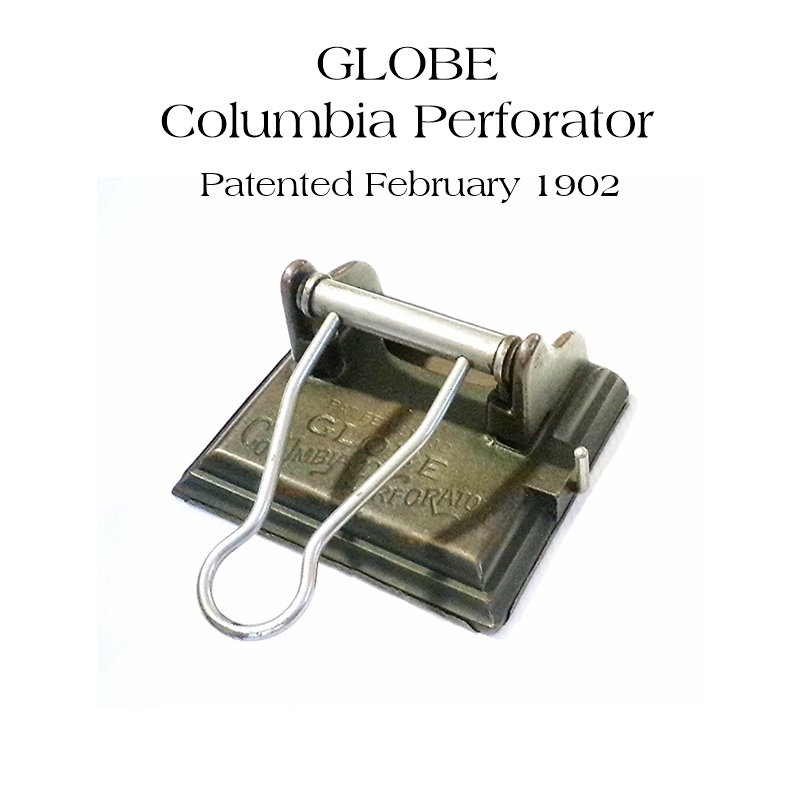
Globe Perforator 1902
See it in the 3D museum · Curt’s page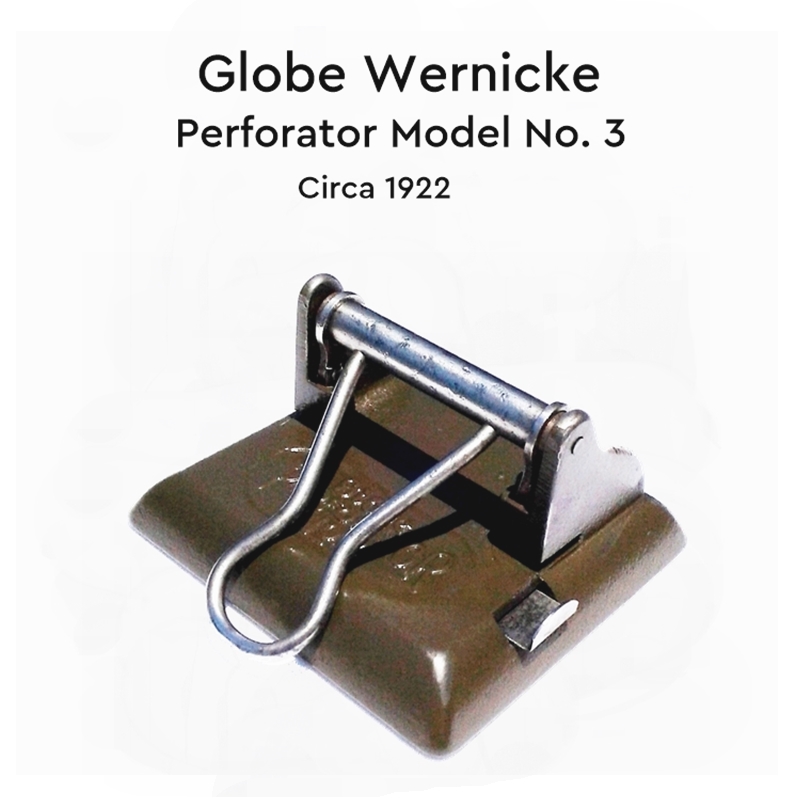
Globe-Wernicke Perforator Model No. 3, circa 1908
See it in the 3D museum · Curt’s pageGlobe Perforator Model No. 4, circa 1902 Top Shelf
See it in the 3D museum · Curt’s page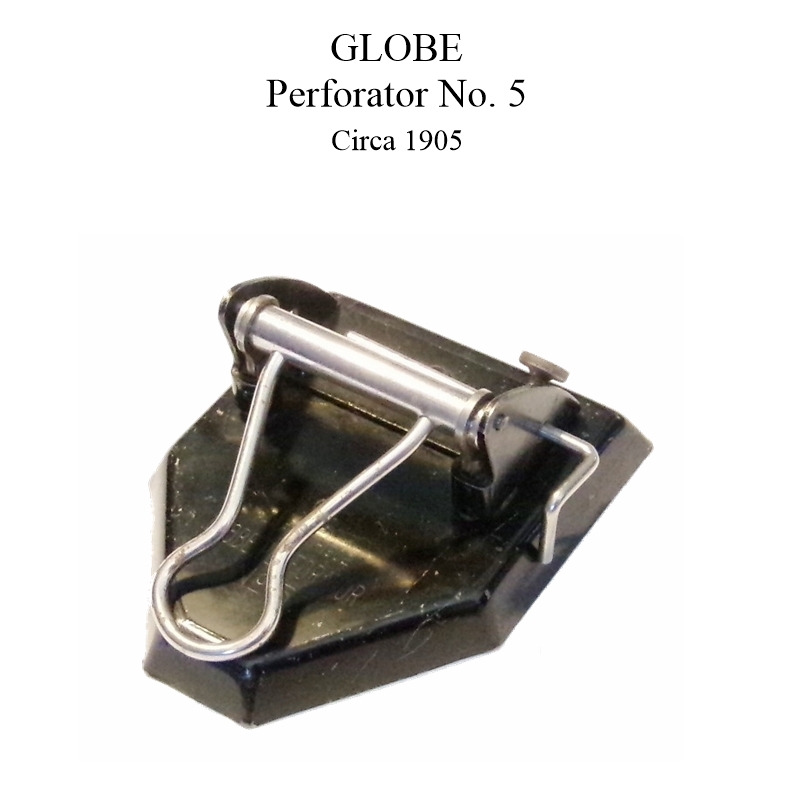
Globe Perforator No. 5, circa 1908
See it in the 3D museum · Curt’s page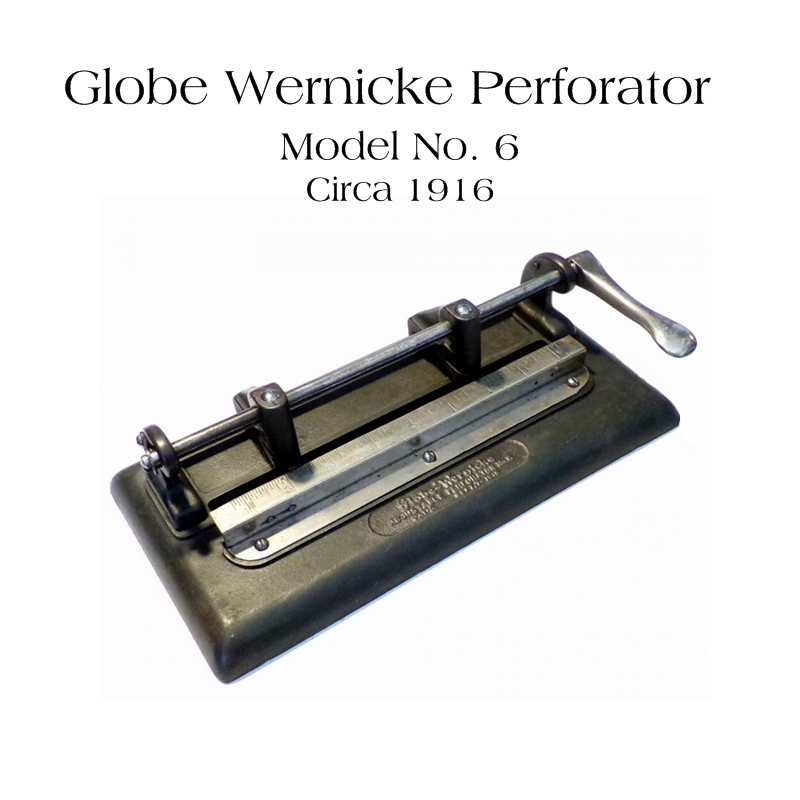
Globe-Wernicke Perforator Model No. 6, circa 1916
See it in the 3D museum · Curt’s pageGlobe Perforator Model No. 8, circa 1915 Top Shelf
See it in the 3D museum · Curt’s page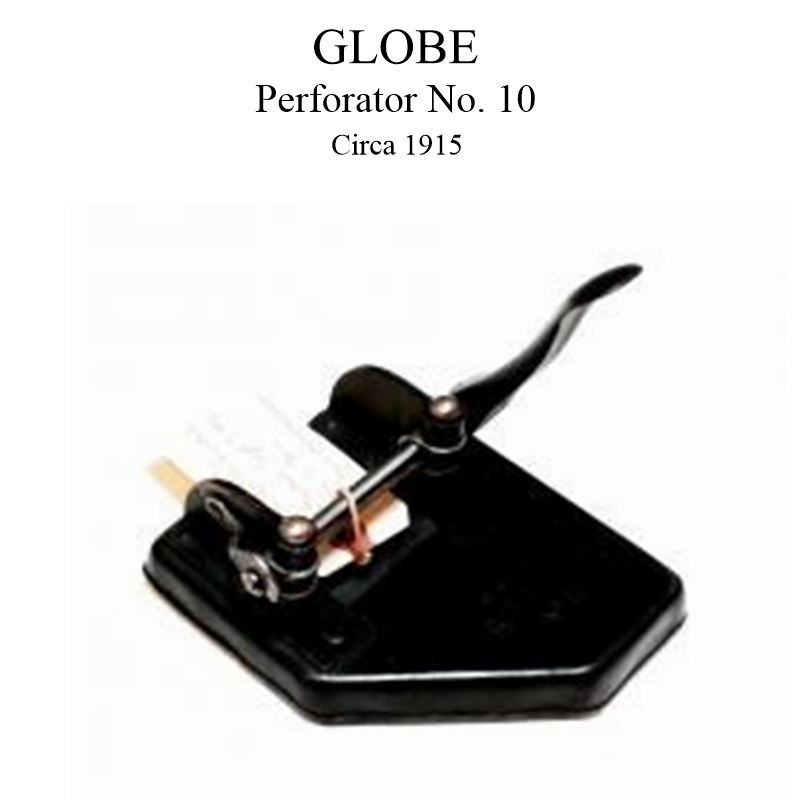
Globe Perforator No. 10, circa 1915
See it in the 3D museum · Curt’s page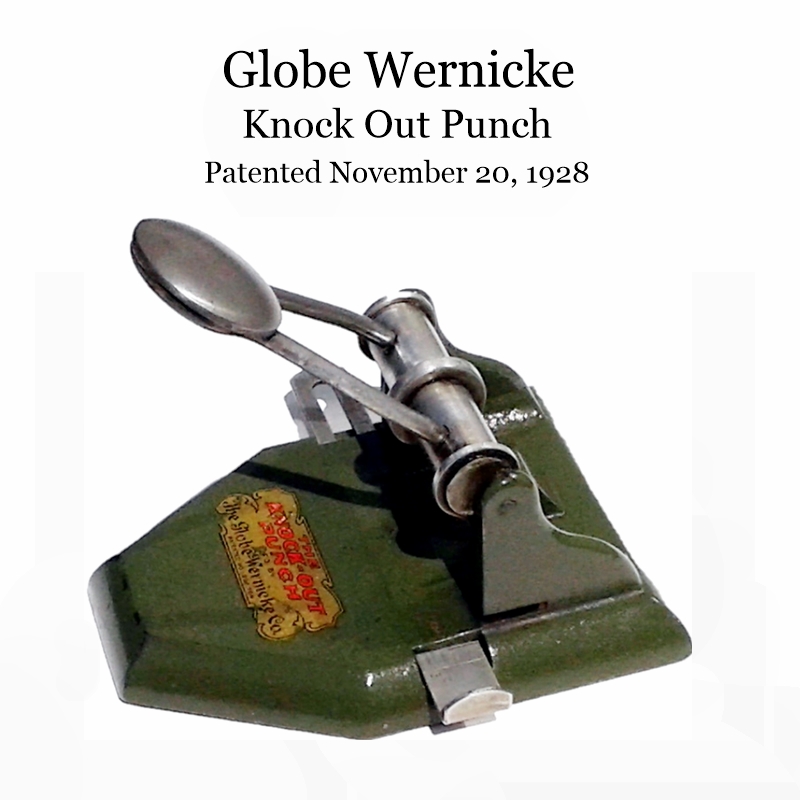
Globe Knock Out Punch 1928
See it in the 3D museum · Curt’s page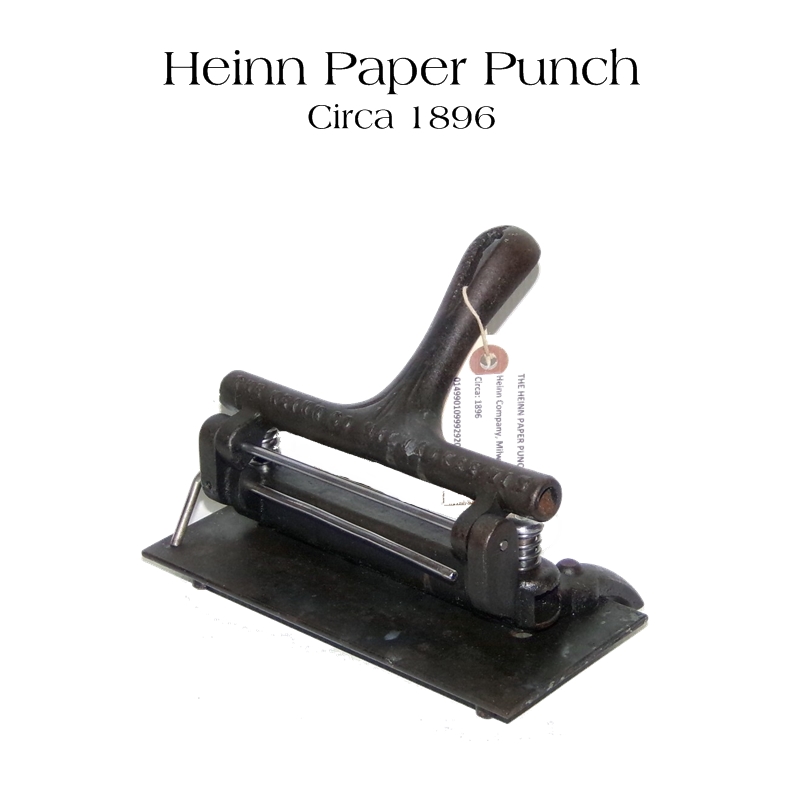
Heinn Hole Punch 1896
See it in the 3D museum · Curt’s page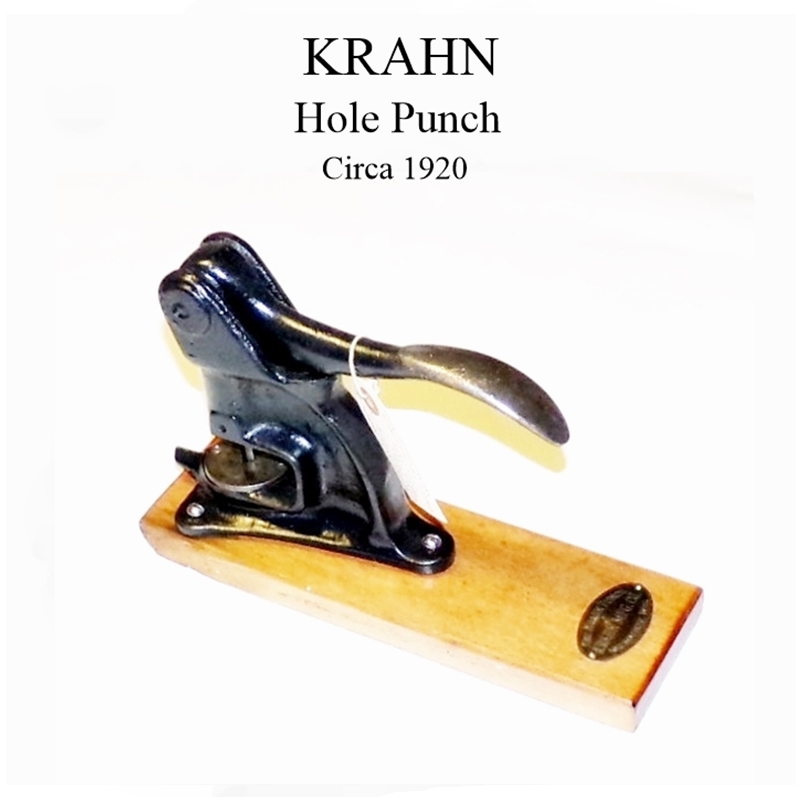
Krahn Hole Punch 1920
See it in the 3D museum · Curt’s pageRemington Perforator 1910 Top Shelf
See it in the 3D museum · Curt’s page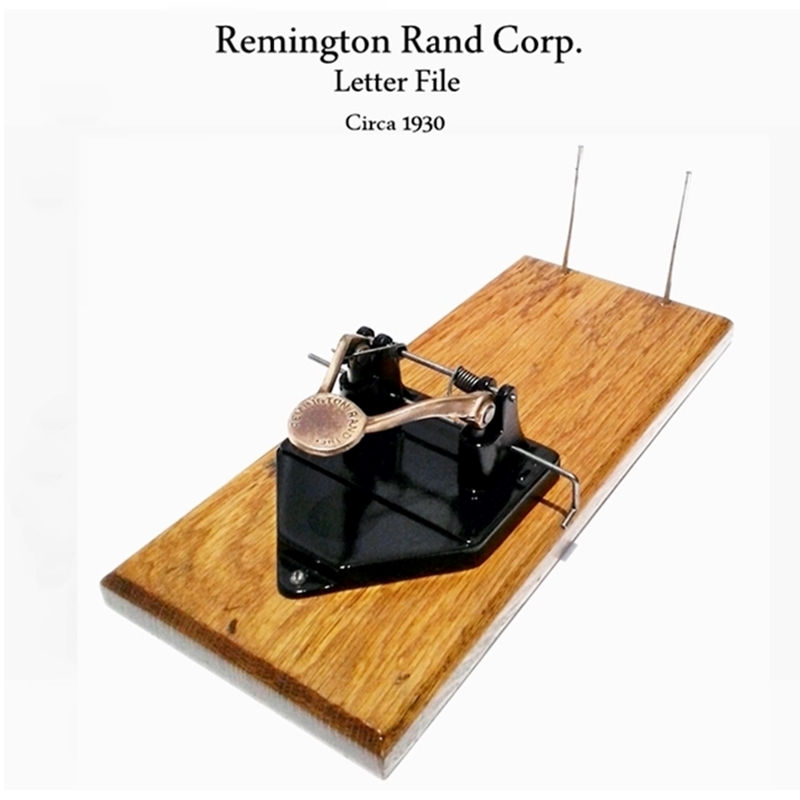
Remington Rand Corp. Letter File, circa 1930
See it in the 3D museum · Curt’s page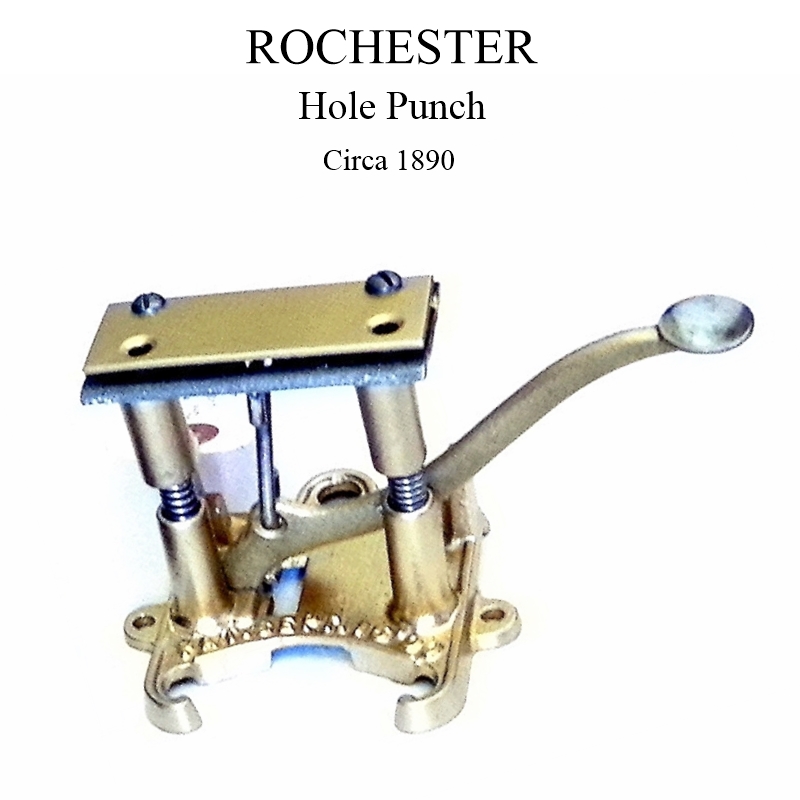
Rochester Hole Punch 1890
See it in the 3D museum · Curt’s page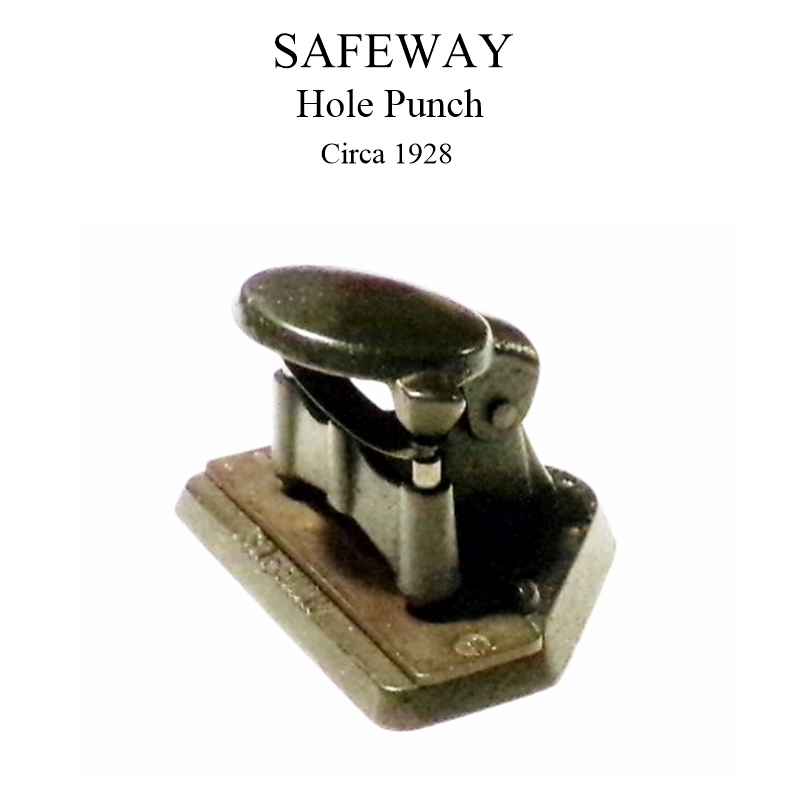
Safeway Hole Punch 1928
See it in the 3D museum · Curt’s page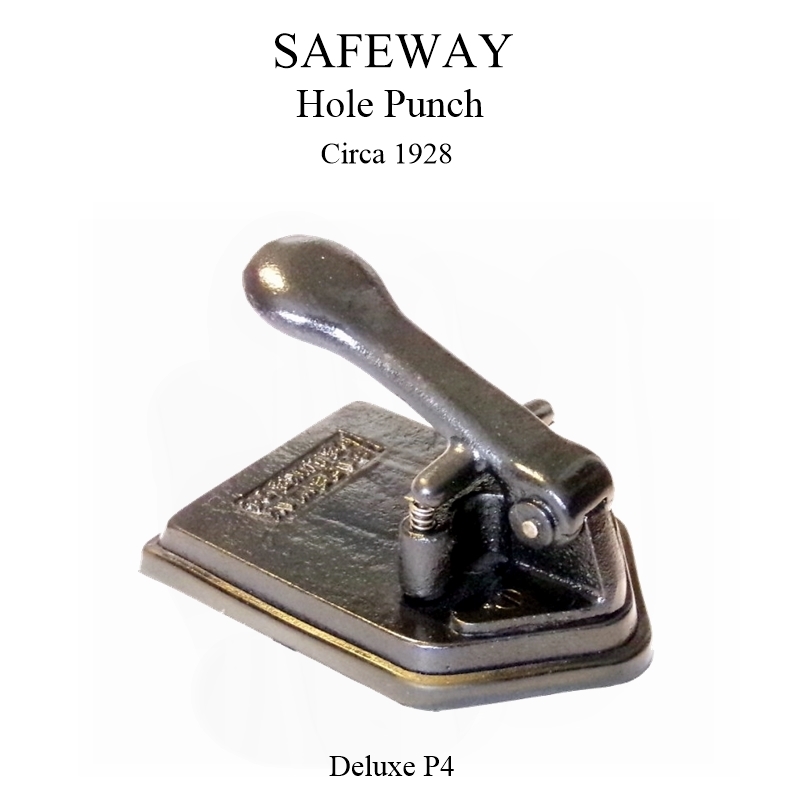
Safeway Hole Punch 1928
See it in the 3D museum · Curt’s page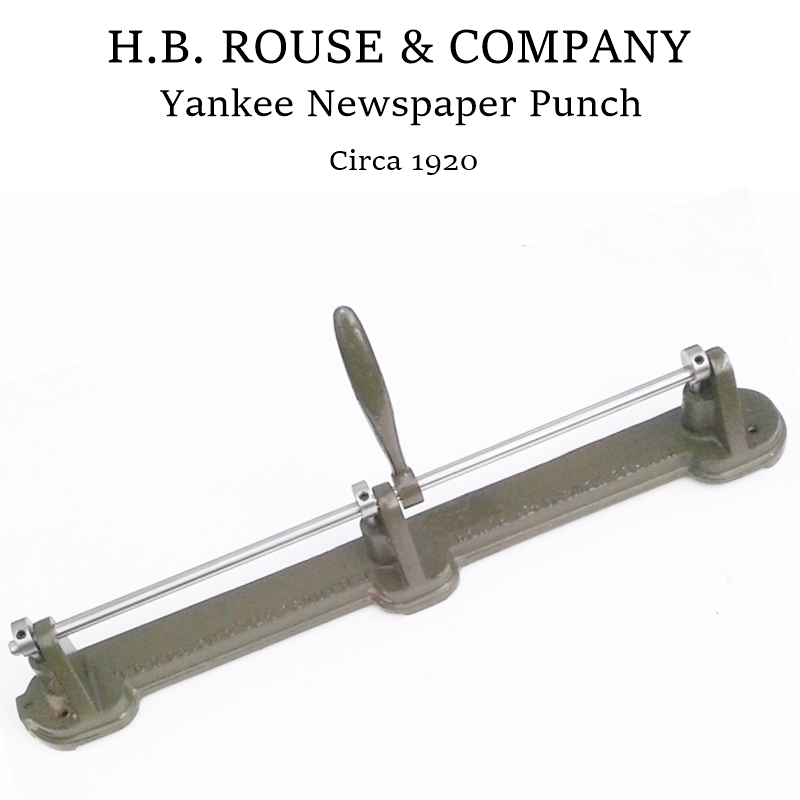
Rouse Hole Punch 1920
See it in the 3D museum · Curt’s pageS&T Hole Punch 1898 Top Shelf
See it in the 3D museum · Curt’s page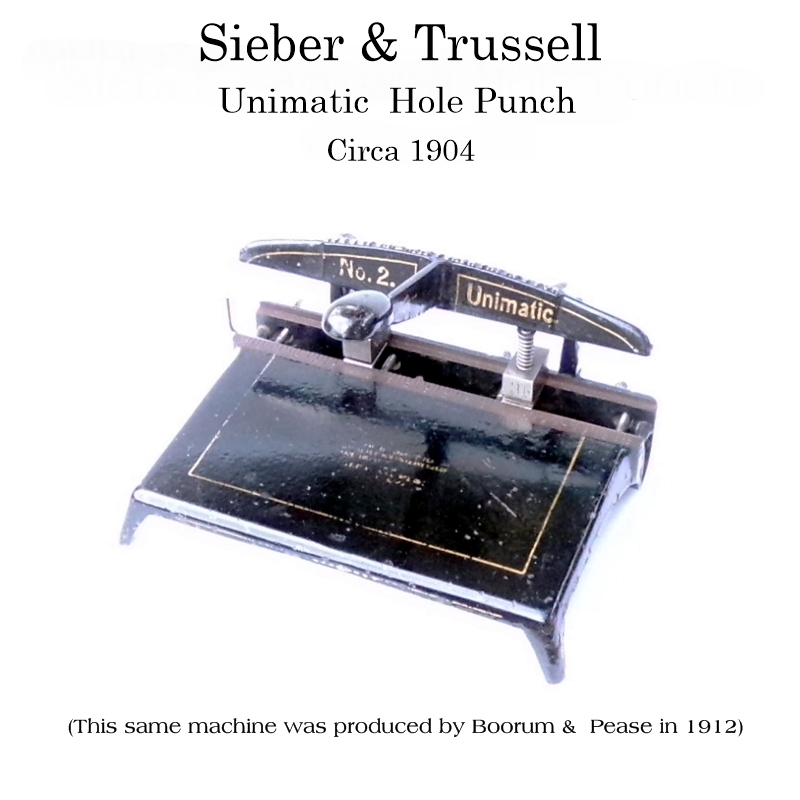
S&T Hole Punch 1904
See it in the 3D museum · Curt’s page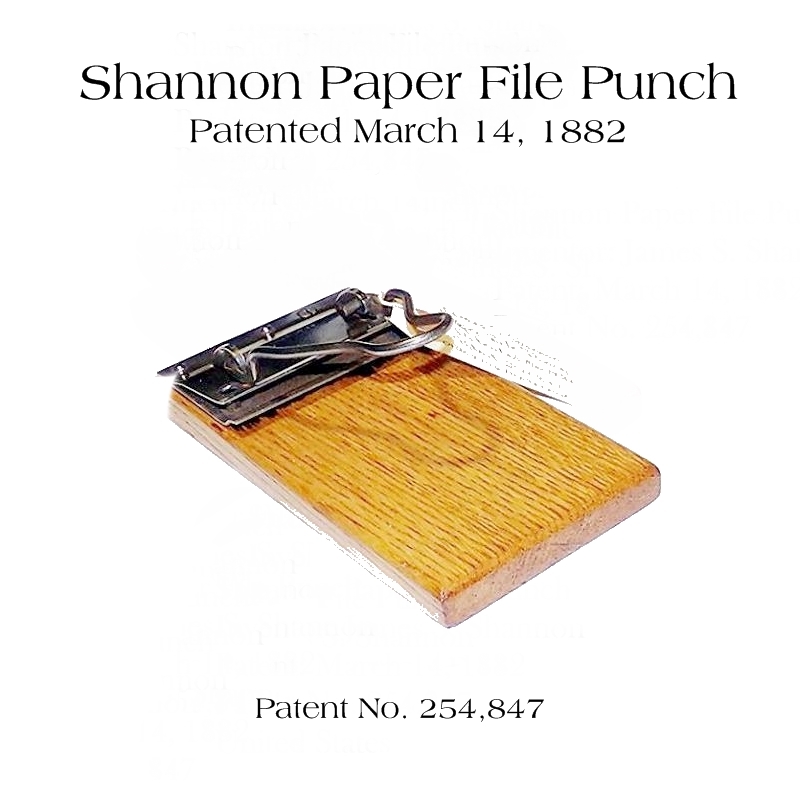
Shannon Hole Punch 1882
See it in the 3D museum · Curt’s page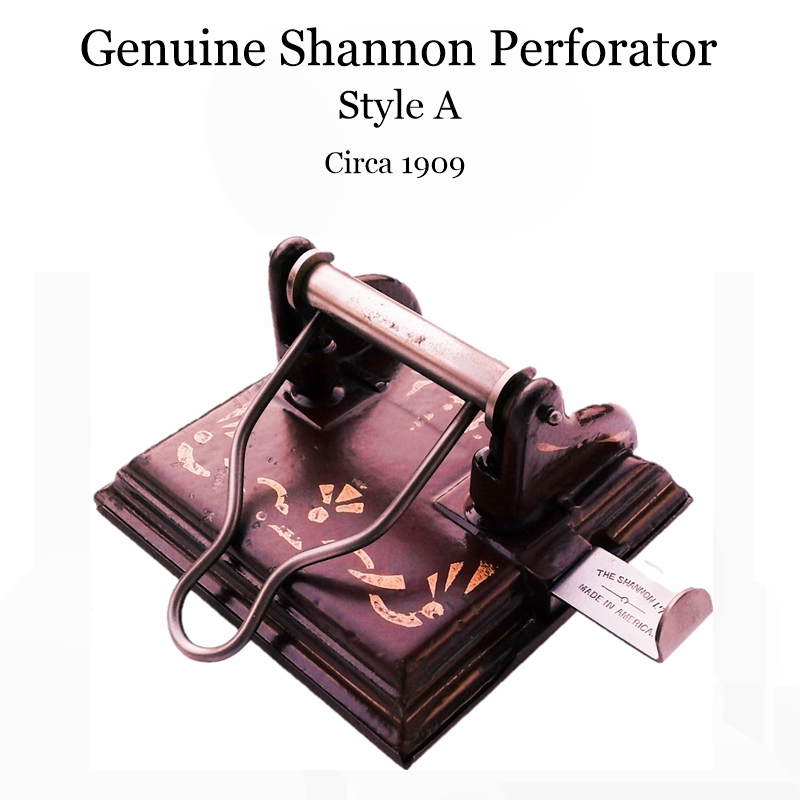
Shannon Perforator 1909
See it in the 3D museum · Curt’s page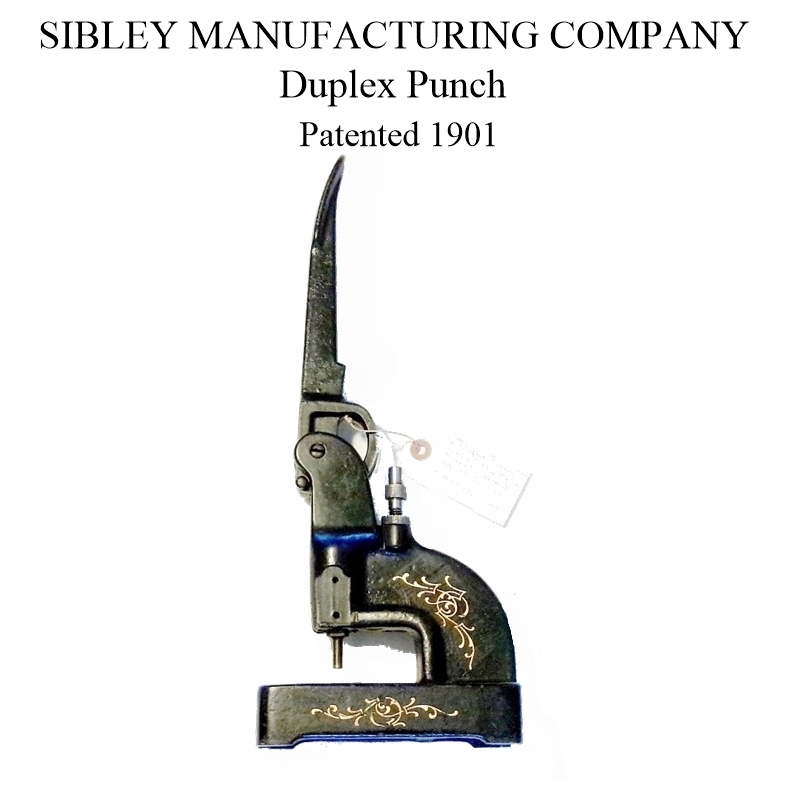
Sibley Hole Punch 1901
See it in the 3D museum · Curt’s page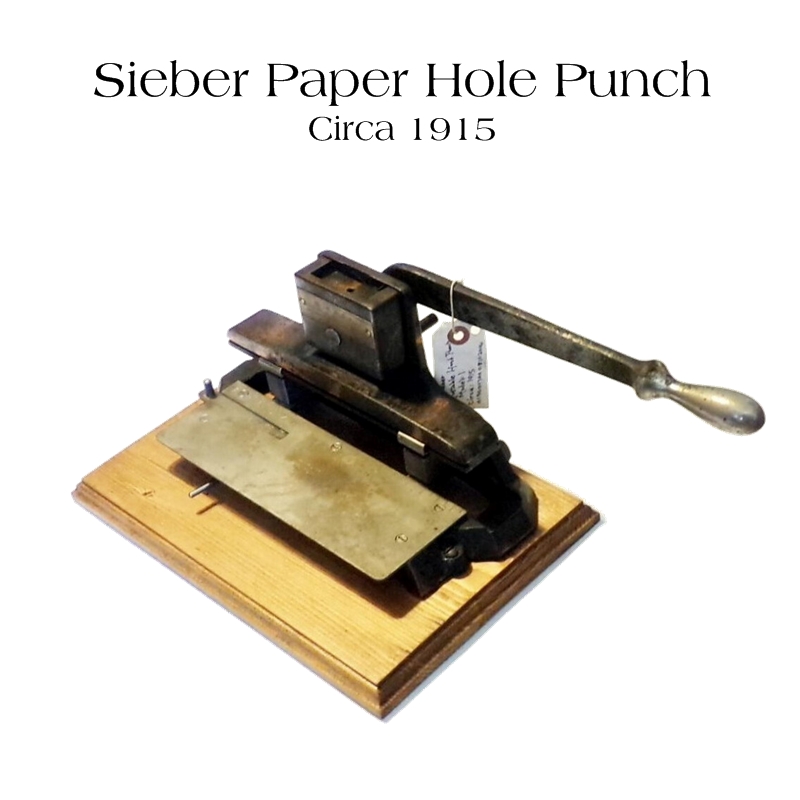
Sieber Hole Punch 1915
See it in the 3D museum · Curt’s page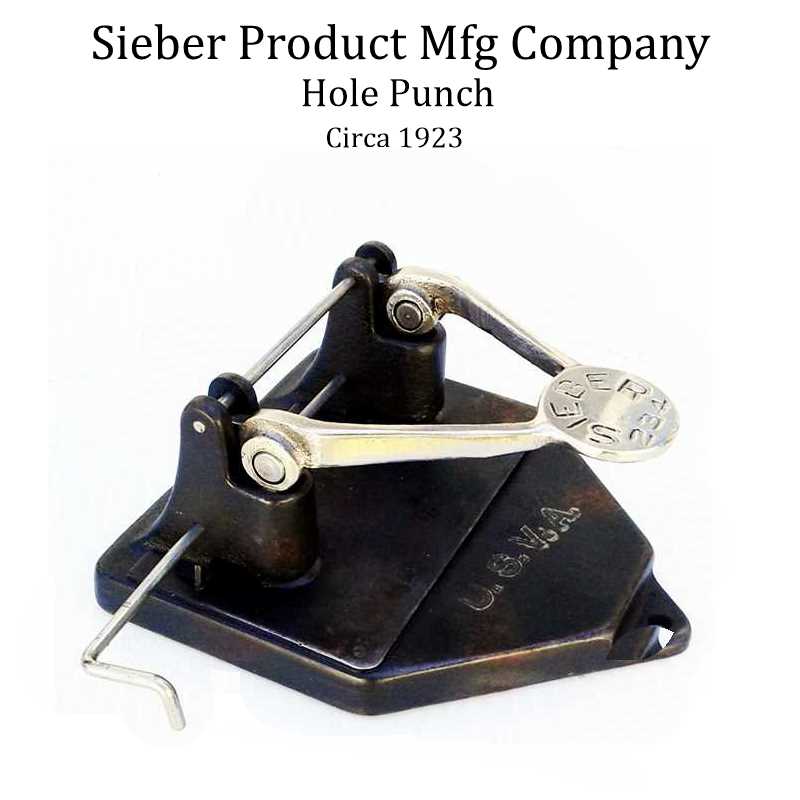
Sieber Hole Punch 1923
See it in the 3D museum · Curt’s page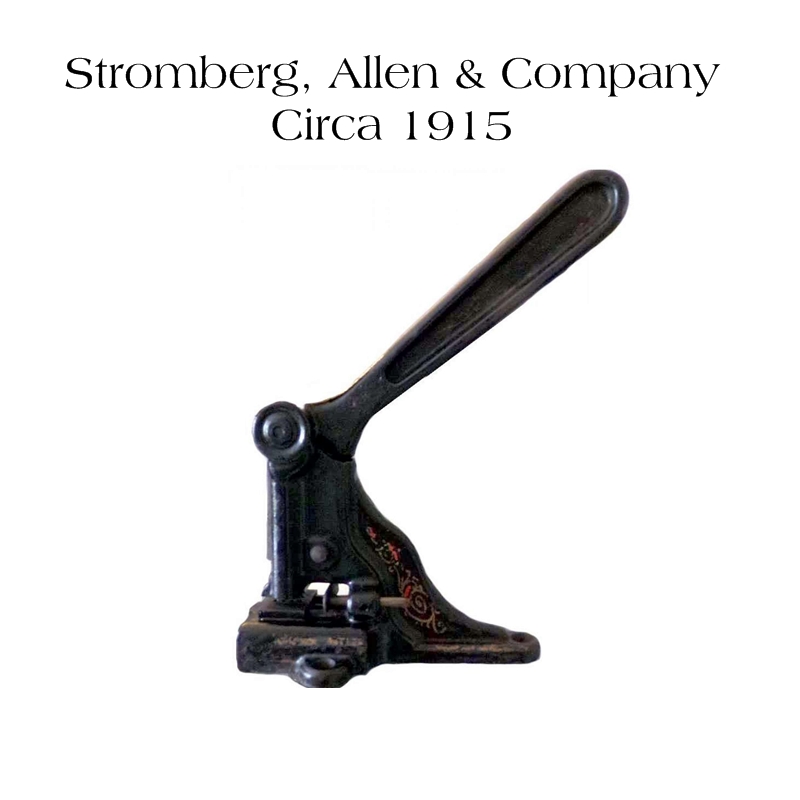
Stromberg Hole Punch 1915
See it in the 3D museum · Curt’s page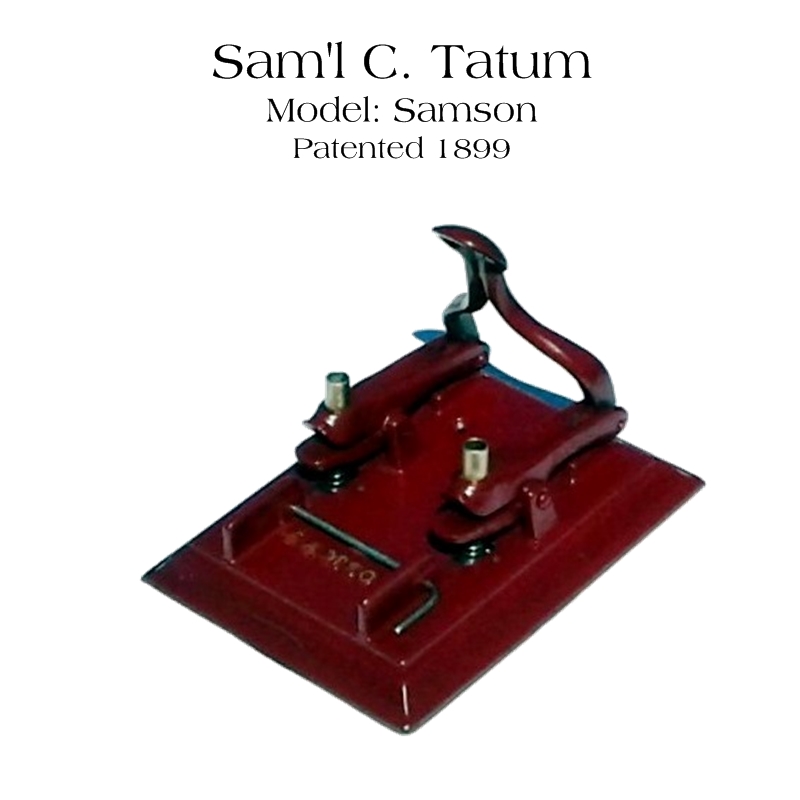
Tatum Hole Punch 1899
See it in the 3D museum · Curt’s pageTatum Hole Punch 1899 Top Shelf
See it in the 3D museum · Curt’s pageTatum Hole Punch 1899 Top Shelf
See it in the 3D museum · Curt’s page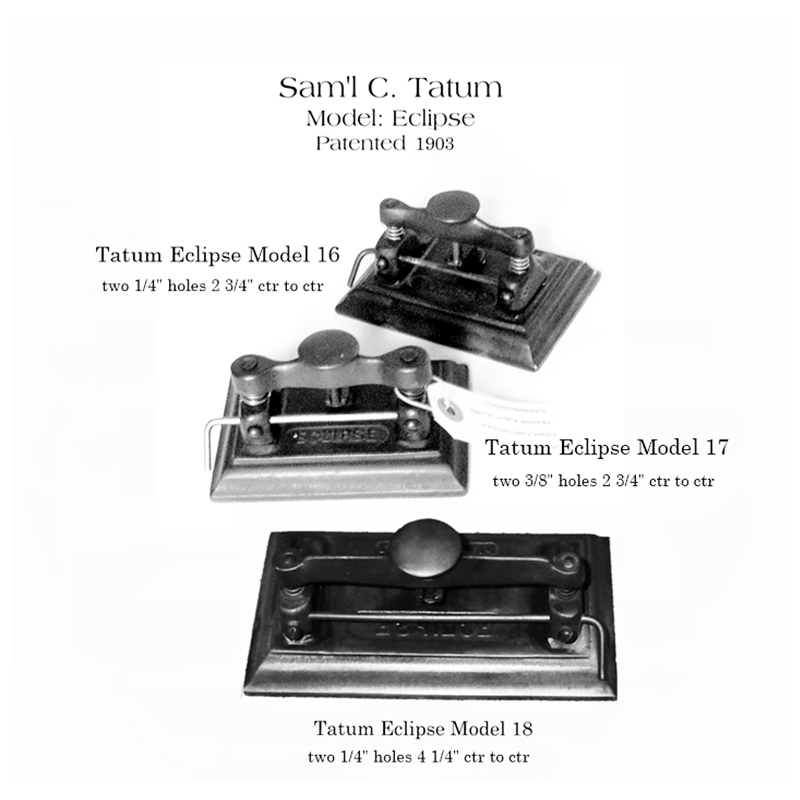
Sam'l C. Tatum Eclipse hole punches, Models 16, 17 and 18, patented 1903
See it in the 3D museum · Curt’s pageTatum Hole Punch 1912 Top Shelf
See it in the 3D museum · Curt’s page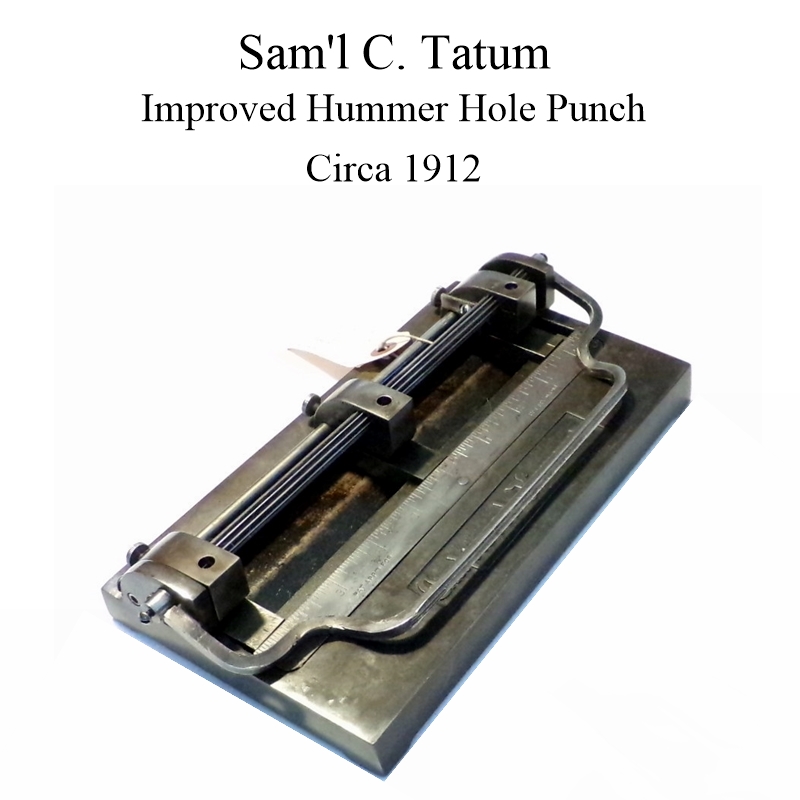
Tatum Hole Punch 1912
See it in the 3D museum · Curt’s page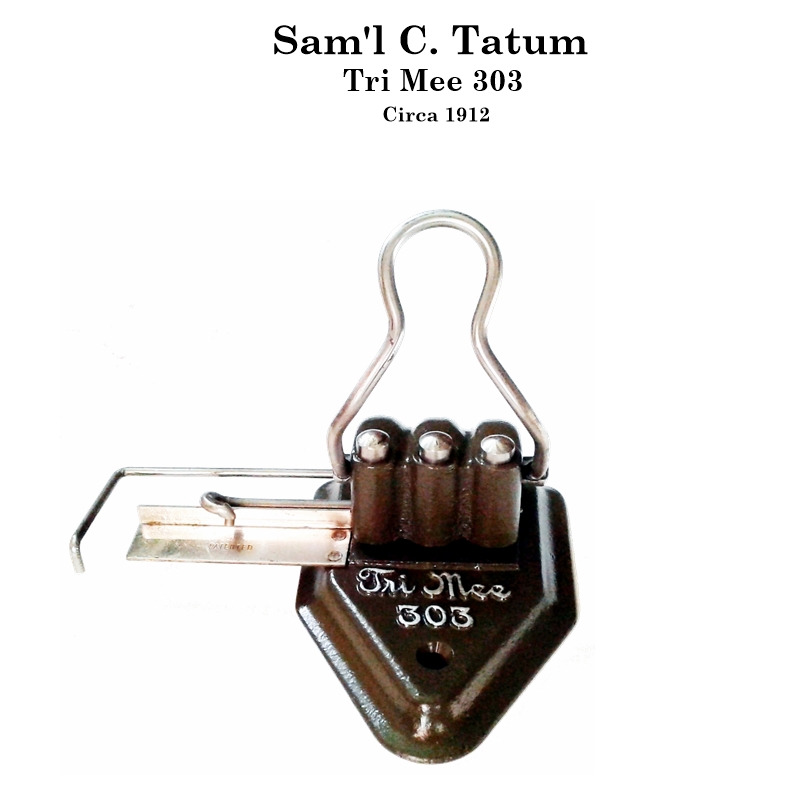
Sam'l C. Tatum Tri Mee 303, circa 1912
See it in the 3D museum · Curt’s page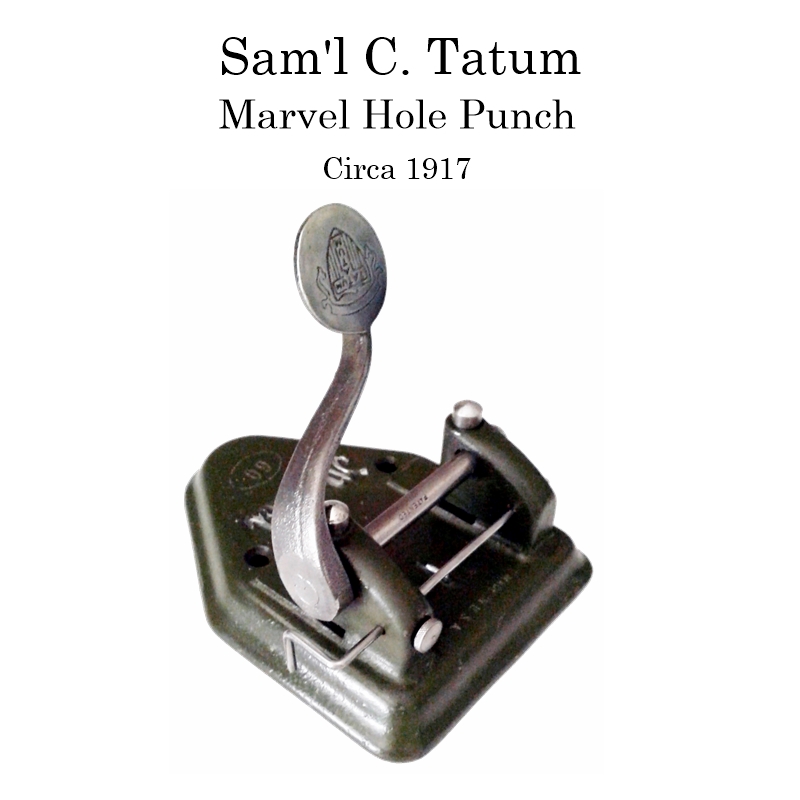
Tatum Marvel Hole Punch 1917
See it in the 3D museum · Curt’s page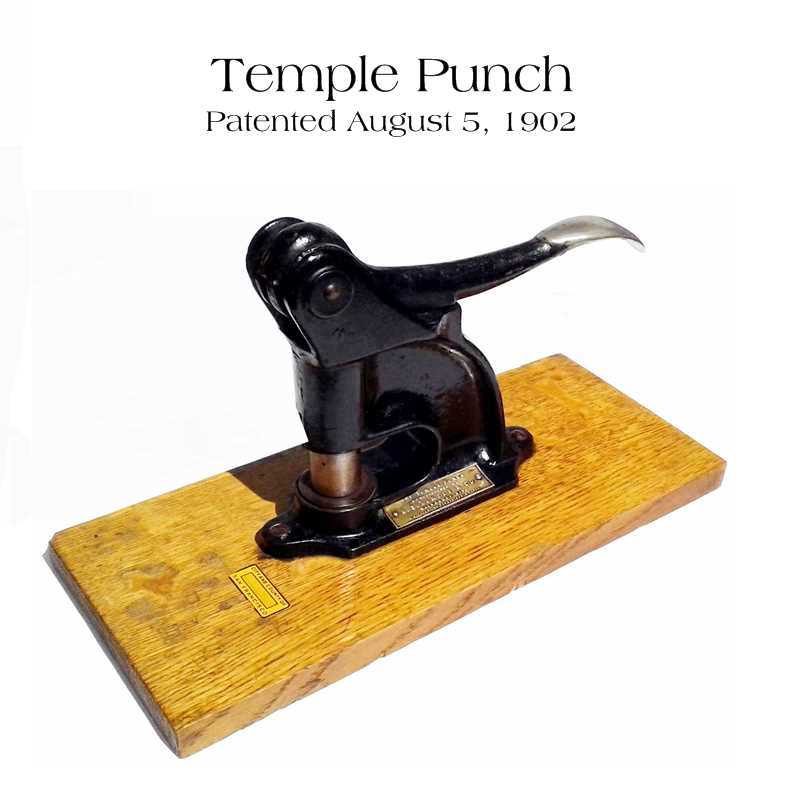
Temple Hole Punch 1902
See it in the 3D museum · Curt’s page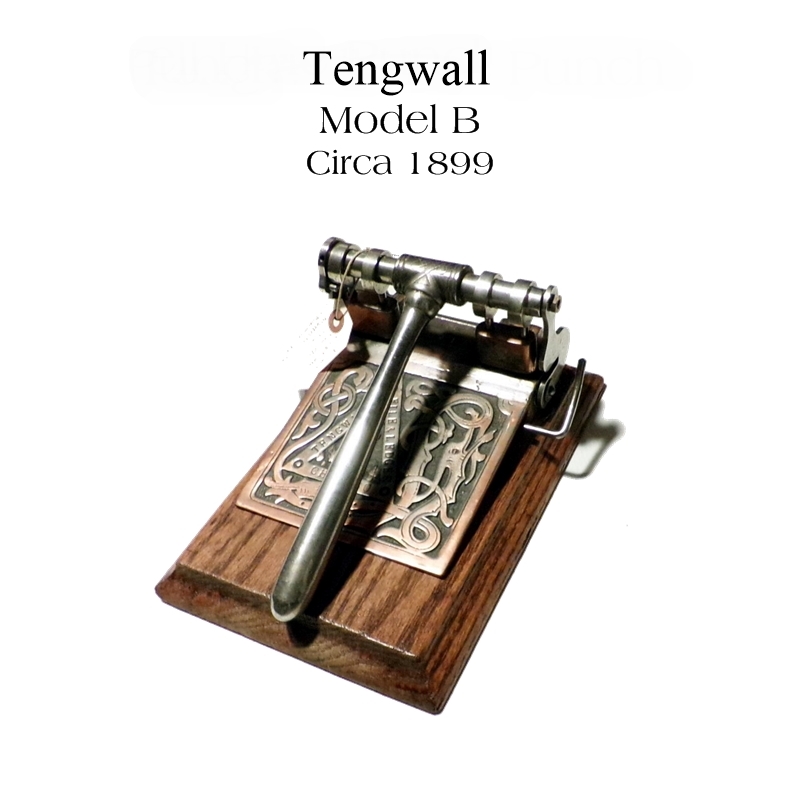
Tengwell Hole Punch 1899
See it in the 3D museum · Curt’s pageTengwall Model B, circa 1904 Top Shelf
See it in the 3D museum · Curt’s page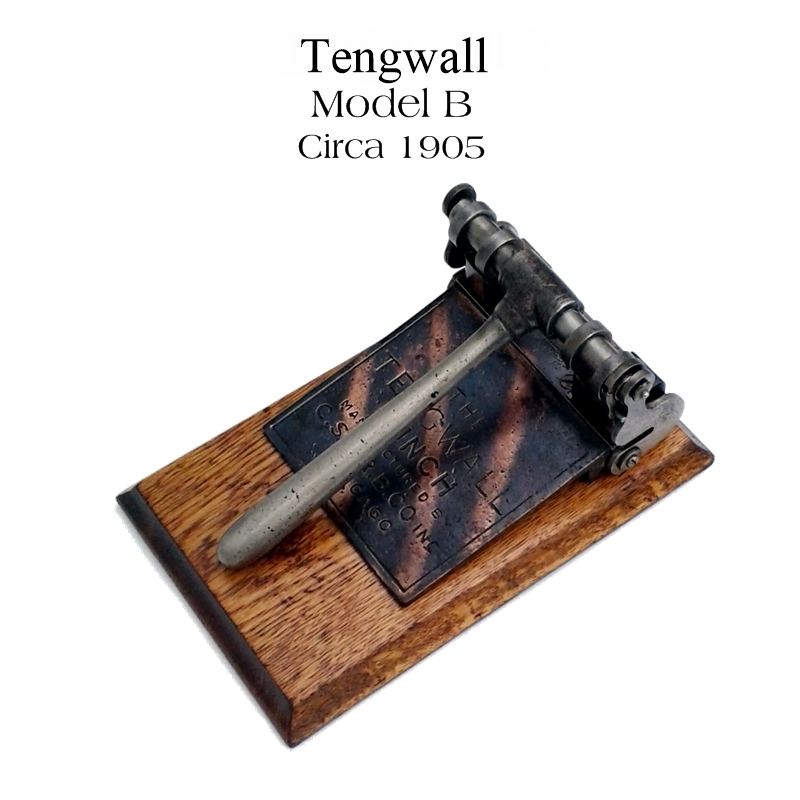
Tengwall Model B, circa 1905
See it in the 3D museum · Curt’s page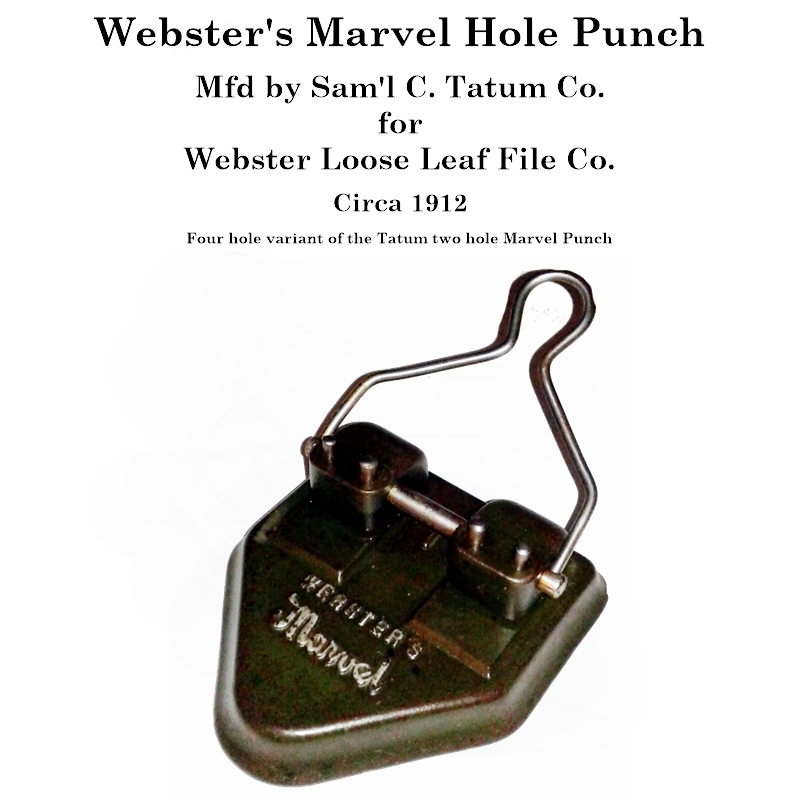
Webster's Marvel Hole Punch 1912
See it in the 3D museum · Curt’s page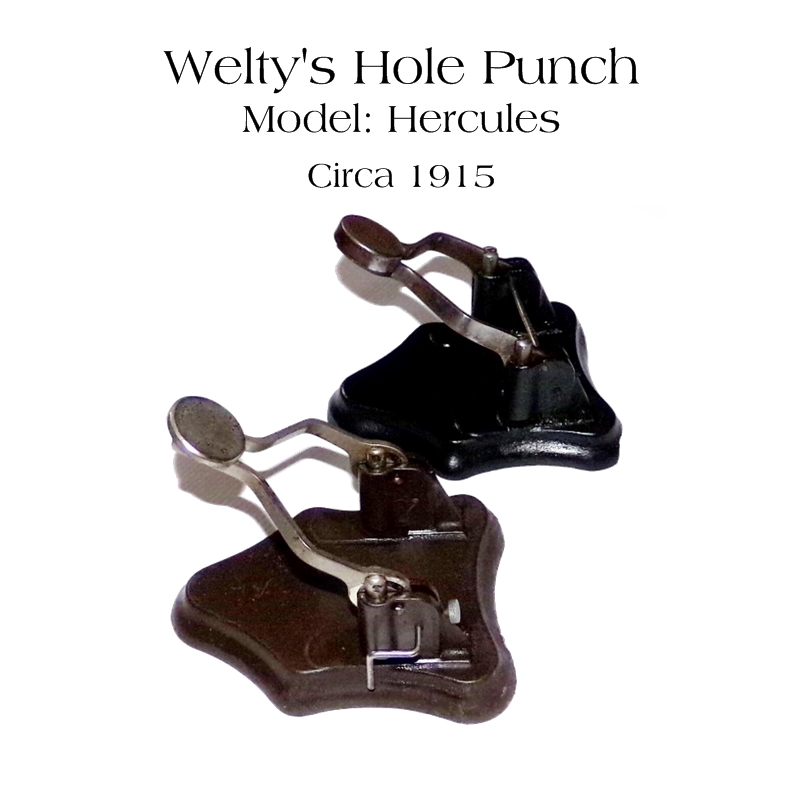
Welty Hole Punch 1915
See it in the 3D museum · Curt’s page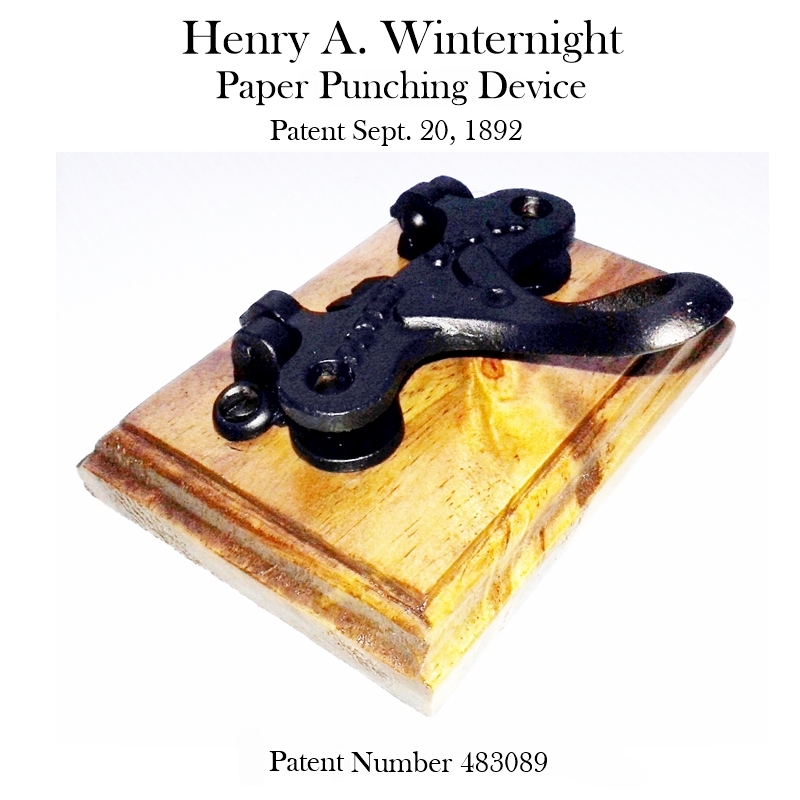
Winternight 1892
See it in the 3D museum · Curt’s page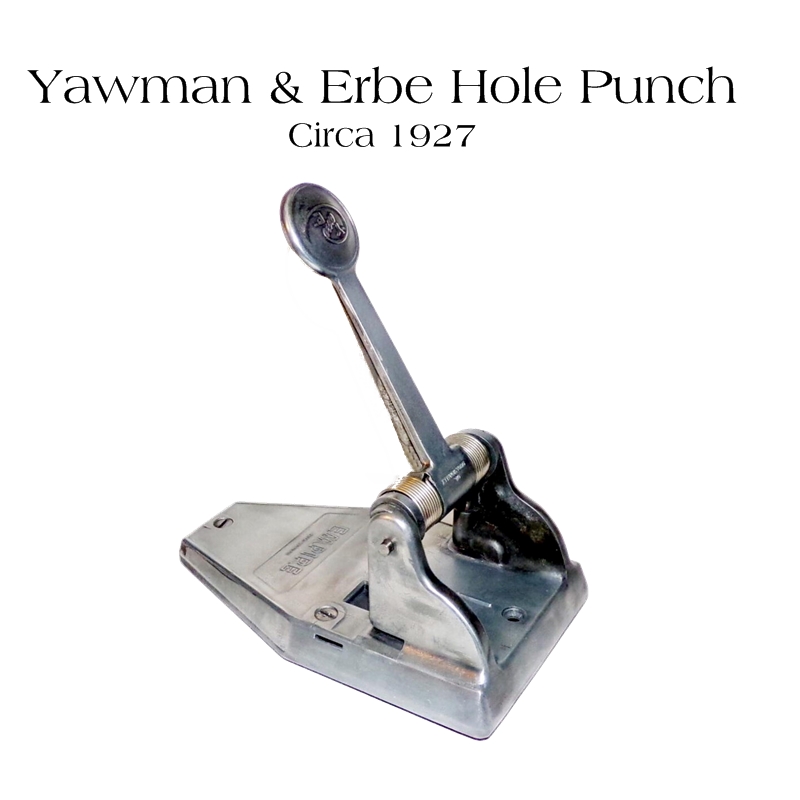
Y&E Hole Punch 1927
See it in the 3D museum · Curt’s page


Eyelet Machines
When you talk about paper fasteners, the conversation must start with the eyelet press or as they were called back in the day, the eyelet machine. One of the first questions asked by stapler collectors is, when was the first stapler made? That is followed by, what was used to fasten documents together before the stapler was invented? The answer is, the eyelett press, and the first one was invented and marketed in 1854. This device was popular with the legal profession and notaries as the eyelet were considered a permanent fastener and documents could not be separated easily. These machines could be found in tabletop models, table mounted models and handheld models.
See this gallery in the 3D museum · Curt’s page for Eyelet Machines
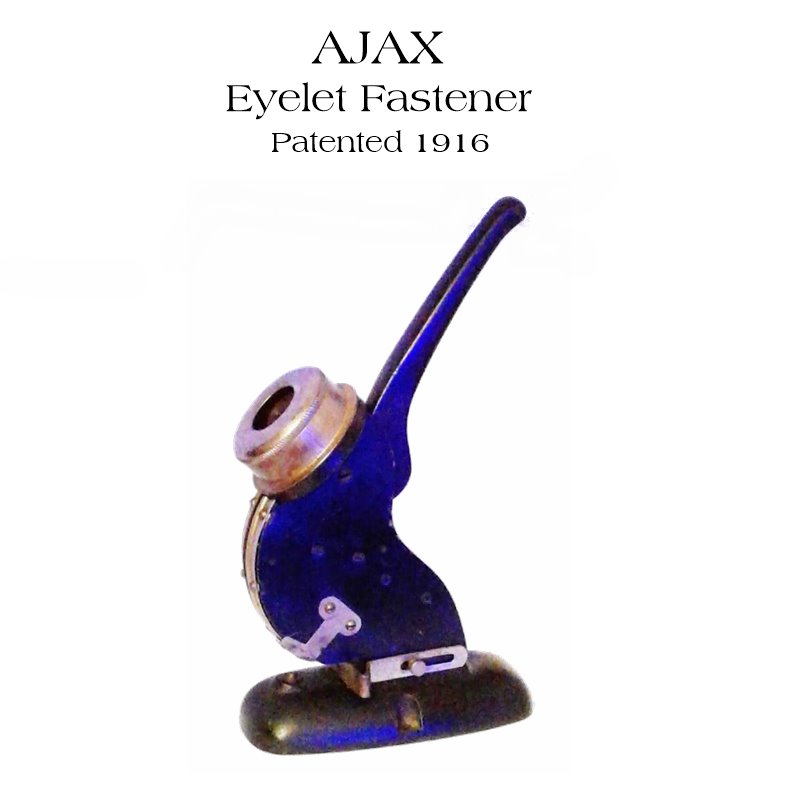
Ajax Eyelet Fastener 1916
See it in the 3D museum · Curt’s page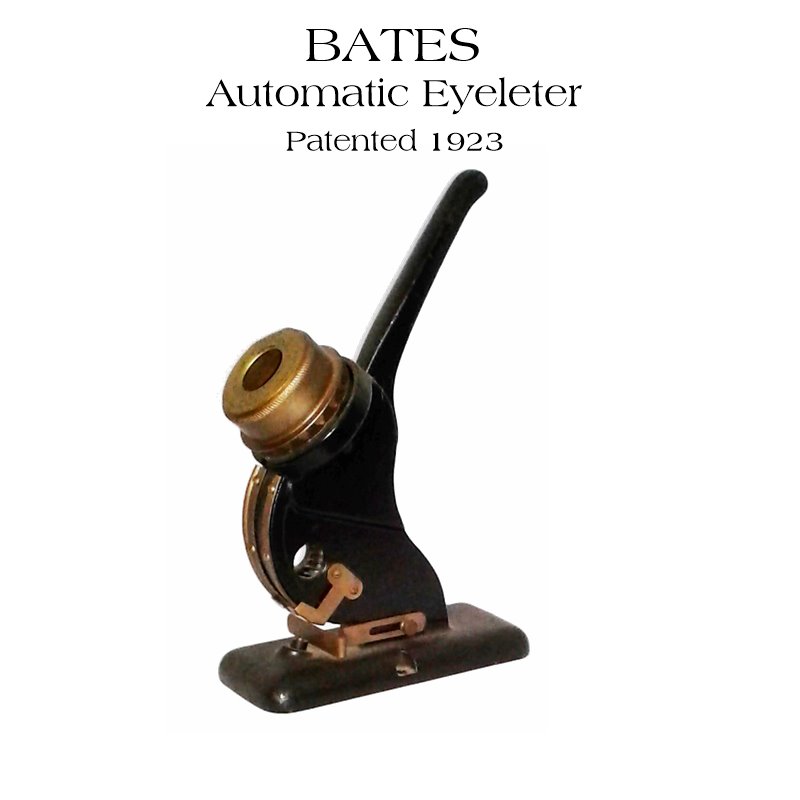
Bates Eyeleter 1923
See it in the 3D museum · Curt’s pageHutchison Spool O Wire, patent July 31, 1917 Top Shelf
See it in the 3D museum · Curt’s page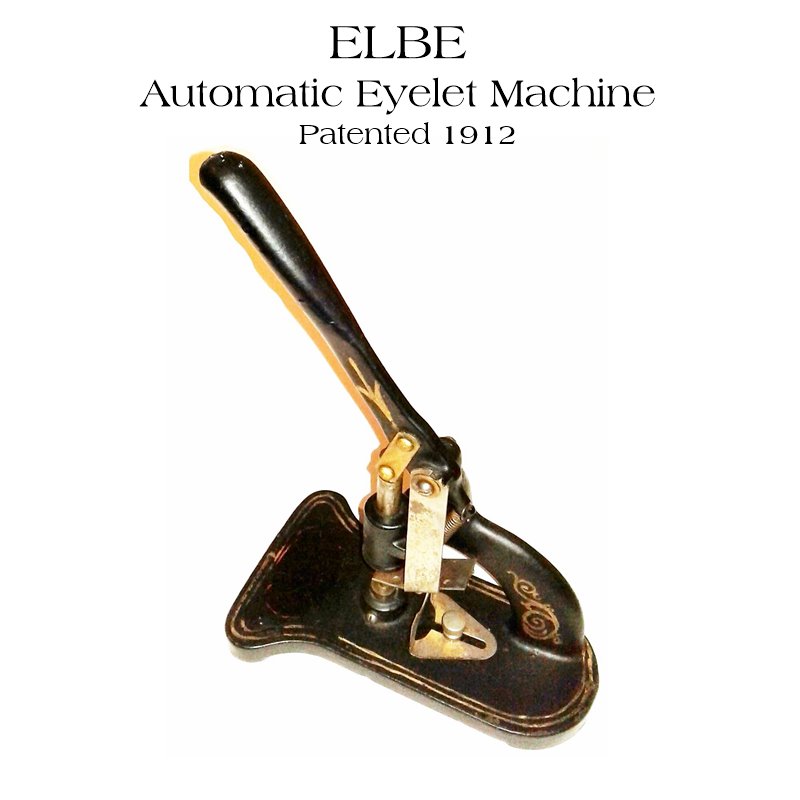
Elbe Eyelet Machine 1912
See it in the 3D museum · Curt’s pageEngel Eyelet Machine 1912 Top Shelf
See it in the 3D museum · Curt’s page“It represented an advancement in automation in that it used strips of eyelets rather than requiring the operator to insert individual eyelets one at a time.”
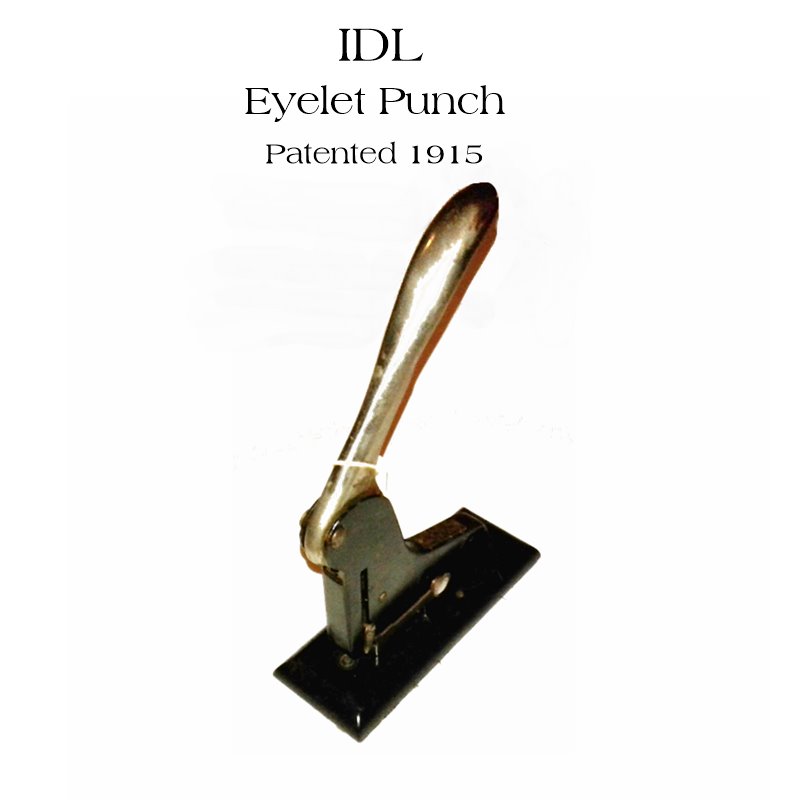
IDL Eyelet Punch 1915
See it in the 3D museum · Curt’s pageLipman Eyelet Machine 1854 Top Shelf
See it in the 3D museum · Curt’s page“The eyelet machine as a standardized marketplace product dates to 1854, when Hymen Lipman invented and marketed the first eyelet press.”
Lipman's Eyelet Machine, patented 1854 Top Shelf
See it in the 3D museum · Curt’s page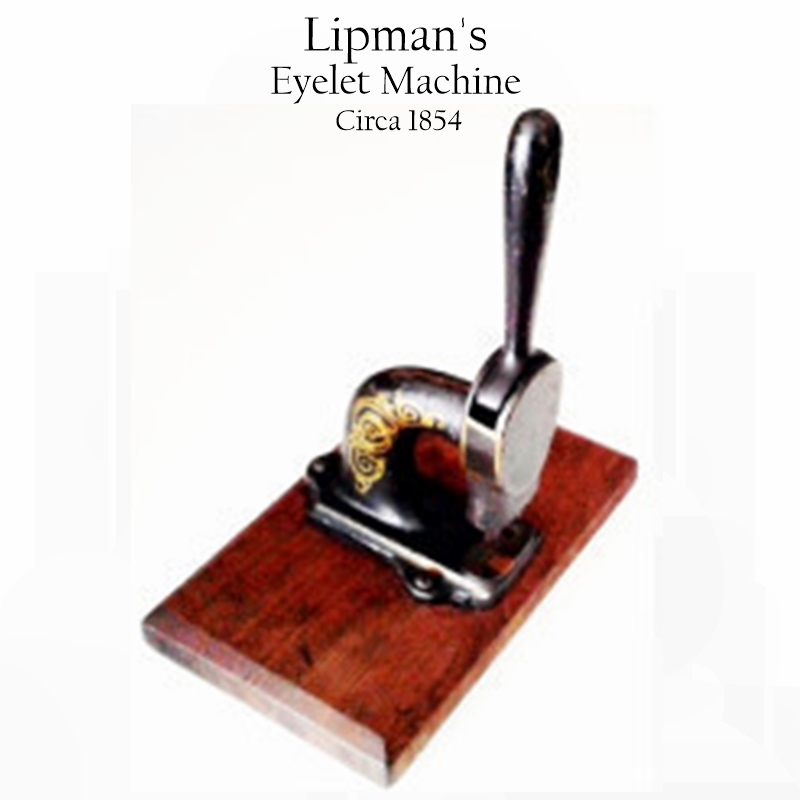
Lipman's Eyelet Machine, circa 1854
See it in the 3D museum · Curt’s page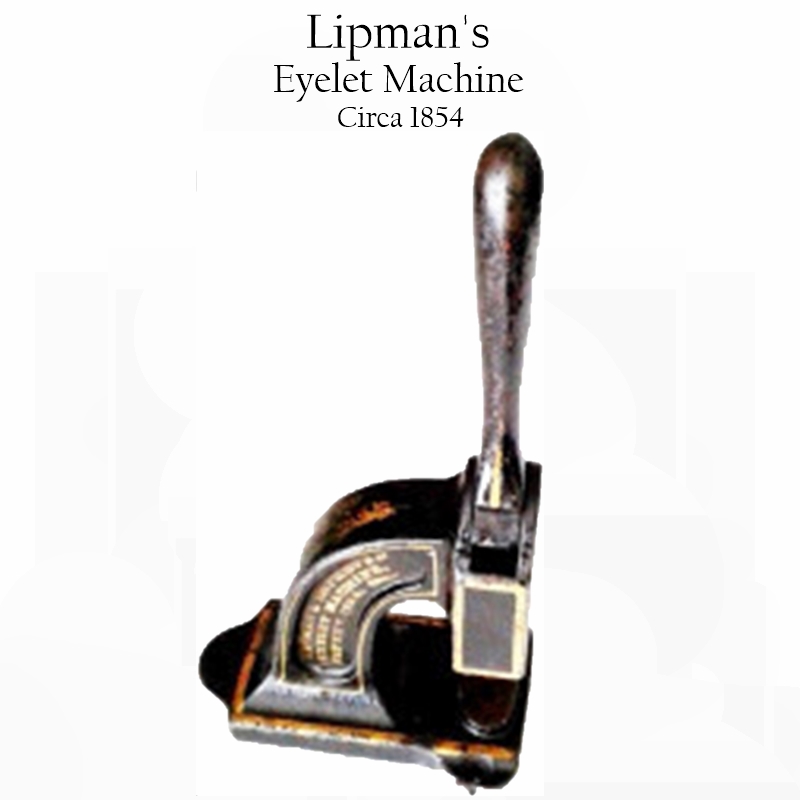
Lipman's Eyelet Machine, circa 1854
See it in the 3D museum · Curt’s pageTemple Punch 1902 Top Shelf
See it in the 3D museum · Curt’s page“Indications are that the machine was produced and marketed by the Tengwall File and Ledger Company. The Temple Hole Punch was advertised in Tengwall Talks, the monthly Tengwell sales magazine, in 1902.”
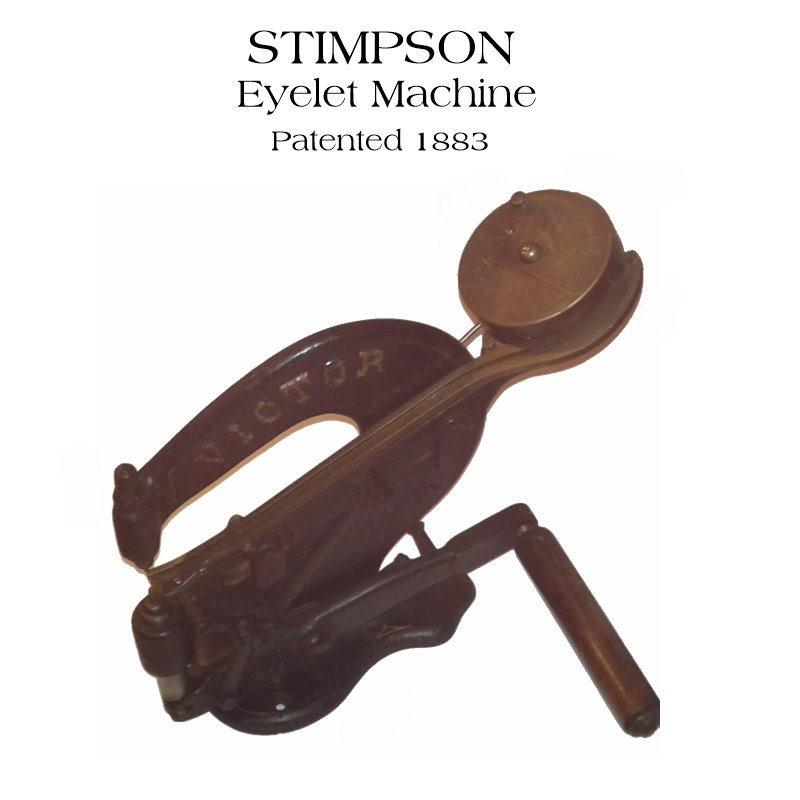
Stimpson Eyelet Machine 1883
See it in the 3D museum · Curt’s pageWilliam Steinmetz Eyelet Machine, patented April 17, 1860, Philadelphia Top Shelf
See it in the 3D museum · Curt’s page“The machine’s helmet (top casting) is marked with: “Steinmetz” “Philadelphia” “Pat April 17, 1860” indicating both the inventor and patent date.”
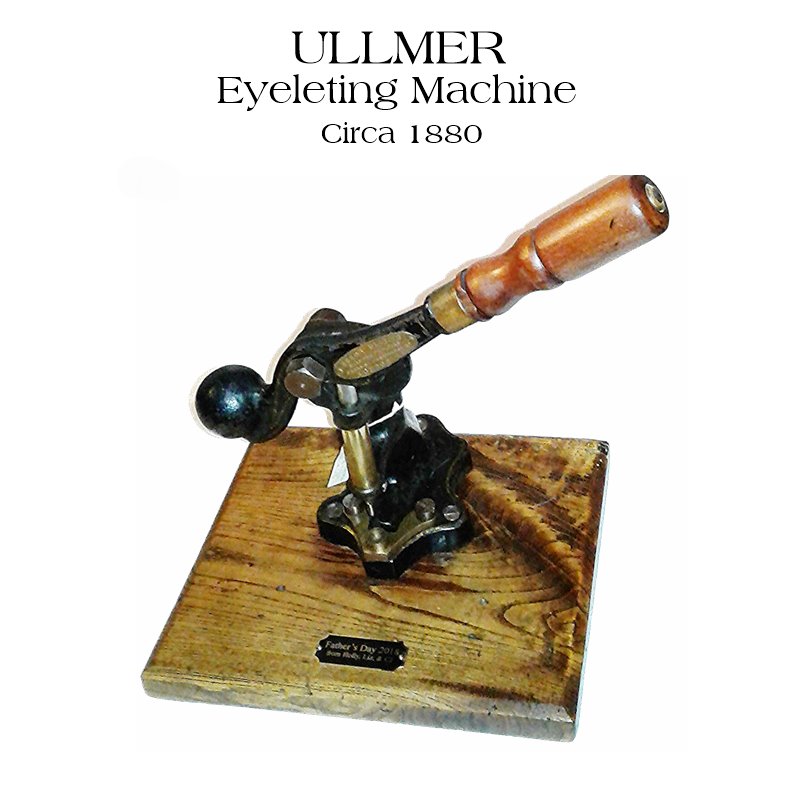
Ullmer Eyeleting Machine 1880
See it in the 3D museum · Curt’s page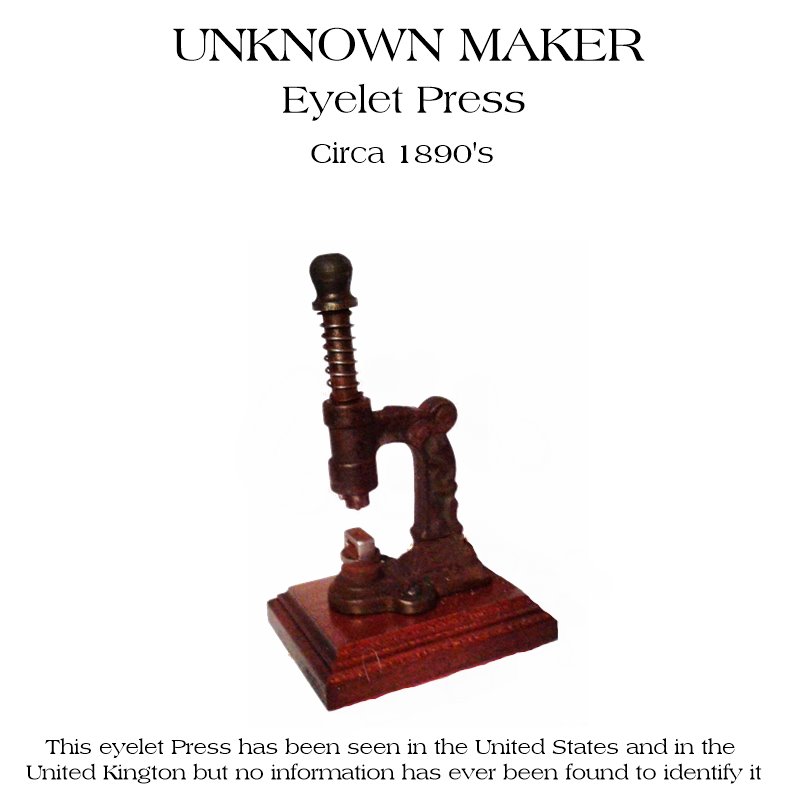
Unknown Eyelet Press 1890
See it in the 3D museum · Curt’s pageLipman Eyelet Machine 1886 Top Shelf
See it in the 3D museum · Curt’s page“Lipman later marketed his own version of a similar eyelet machine in 1886, after the Steinmetz patent expired.”


Percussion Presses
The biggest majority of paper fastener punches were manufactured by McGill. The second largest manufacturer was the Novelty Mfg. Co. out of Philidelphia, PA. . Today, The machines are nothing but a memory for some and unknown as to their purpose to others. These 19th century and early 20th century designs are what you would expect of the era and they did play an important part in the story of the paper fatsener..
See this gallery in the 3D museum · Curt’s page for Percussion Presses
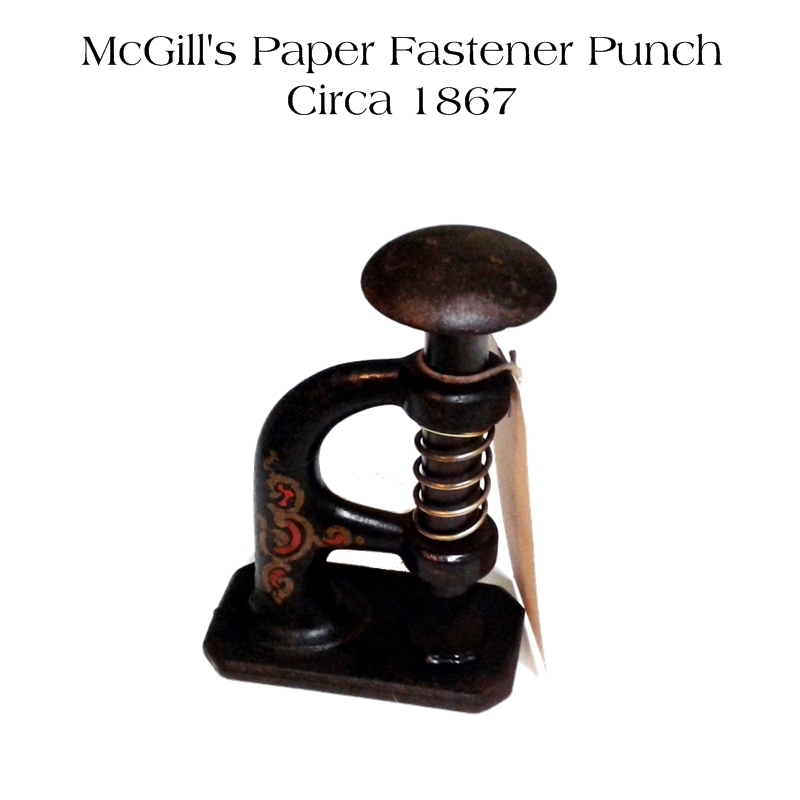
McGill's Paper Fastener Punch, circa 1867
See it in the 3D museum · Curt’s page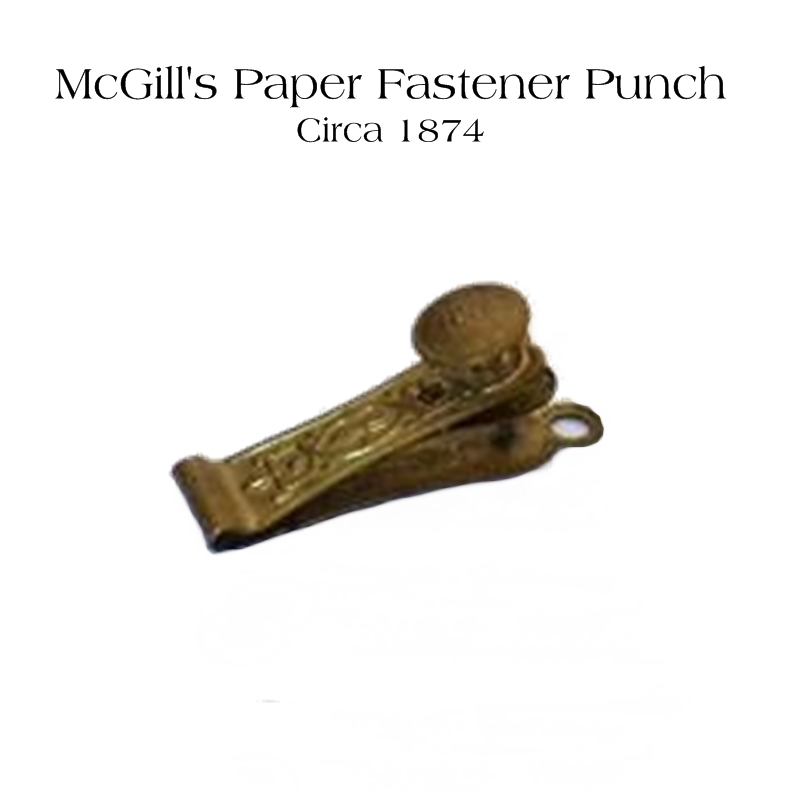
McGill's Paper Fastener Punch, circa 1874
See it in the 3D museum · Curt’s page“George W. McGill produced my favorite hole punch and received his patent on May 26, 1874 (US Patent 151236) and went on to produce several other model after that.”
“It would be impossible to have a collection of hole punches without having a McGill included in it.”
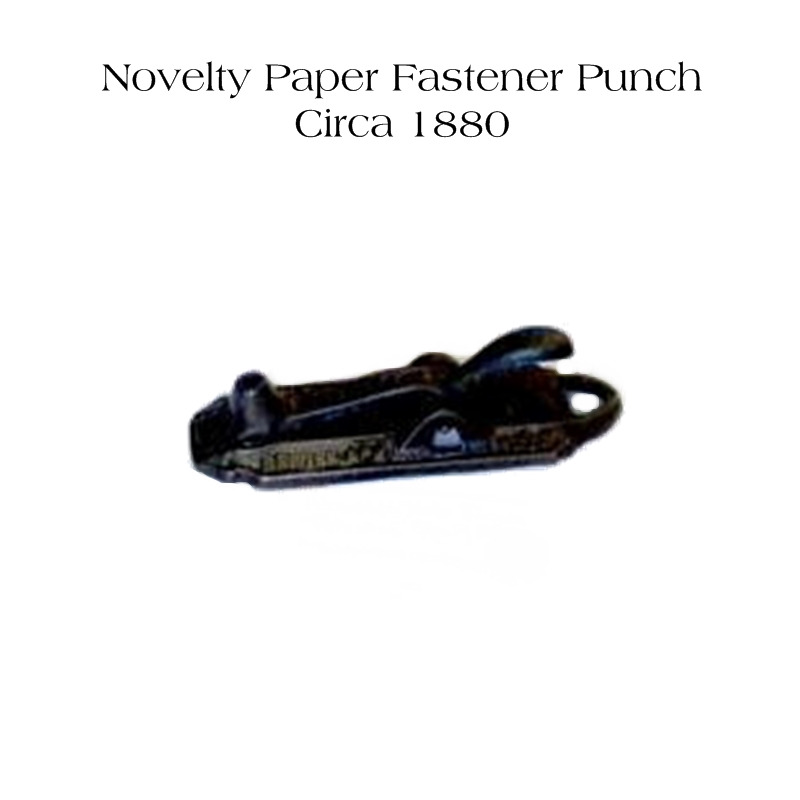
Novelty Paper Fastener Punch, circa 1880
See it in the 3D museum · Curt’s page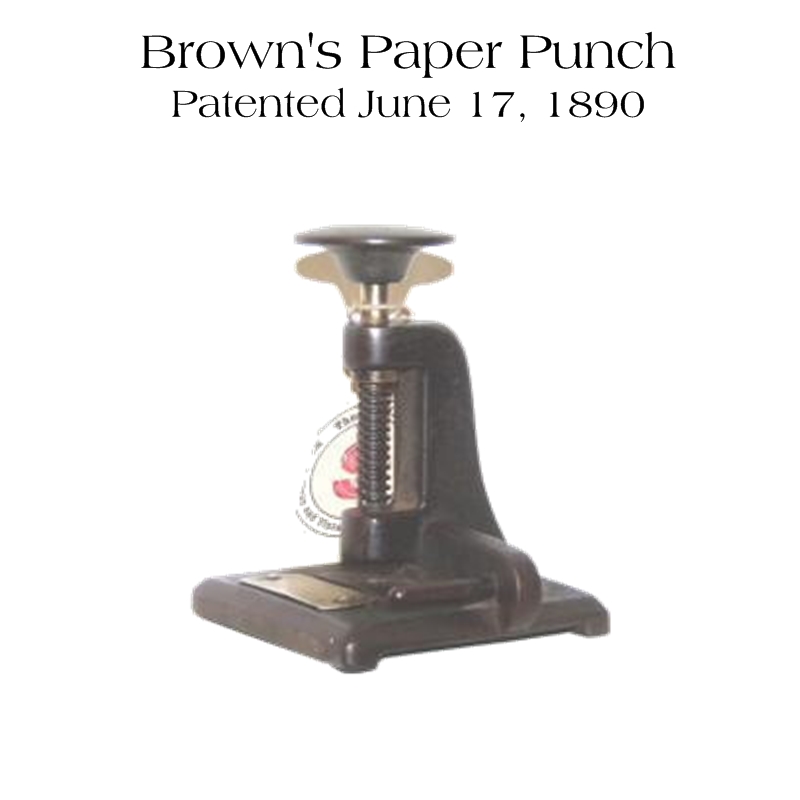
Brown's Paper Punch, patented June 17, 1890
See it in the 3D museum · Curt’s page“This Paper Punch was the invention of John F. Brown assignor to Albert R. Baker of Indianapolis, Indiana, no doubt of BAKER & VAWTER CO. Chicago, Illinois.”
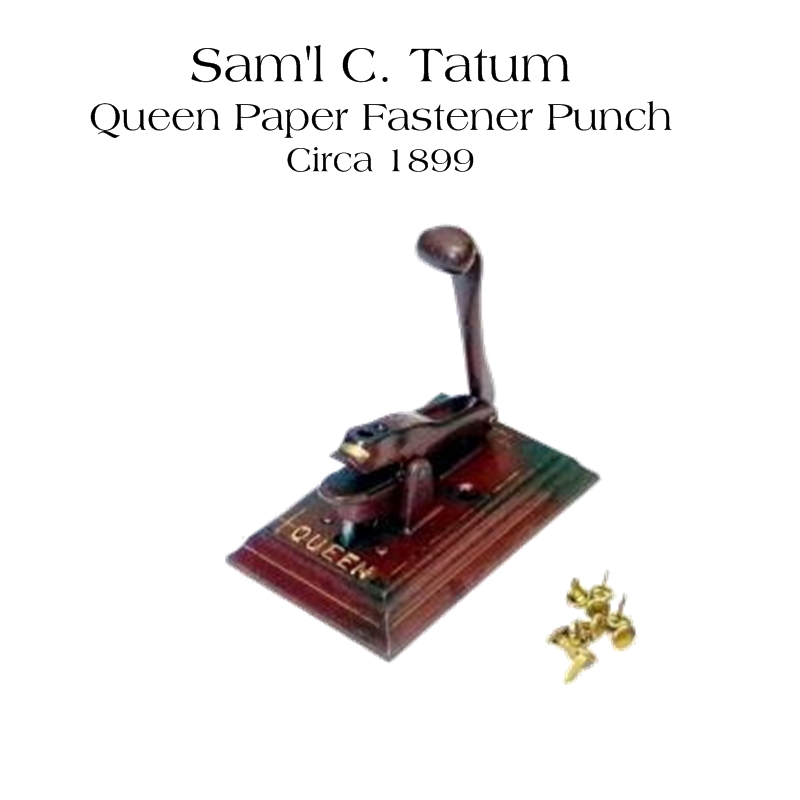
Sam'l C. Tatum Queen Paper Fastener Punch, circa 1899
See it in the 3D museum · Curt’s page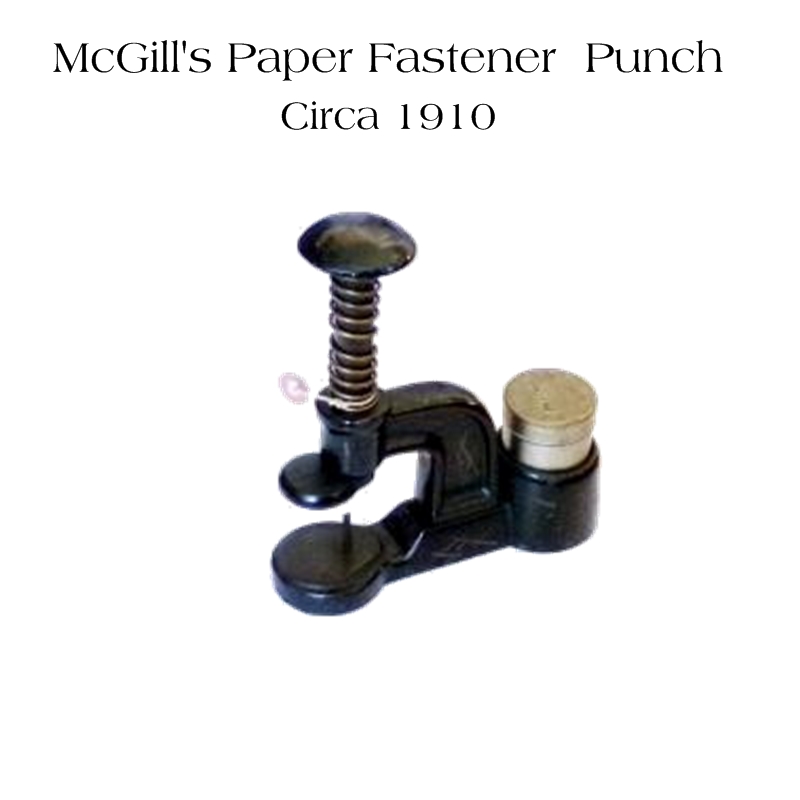
McGill's Paper Fastener Punch, circa 1910
See it in the 3D museum · Curt’s page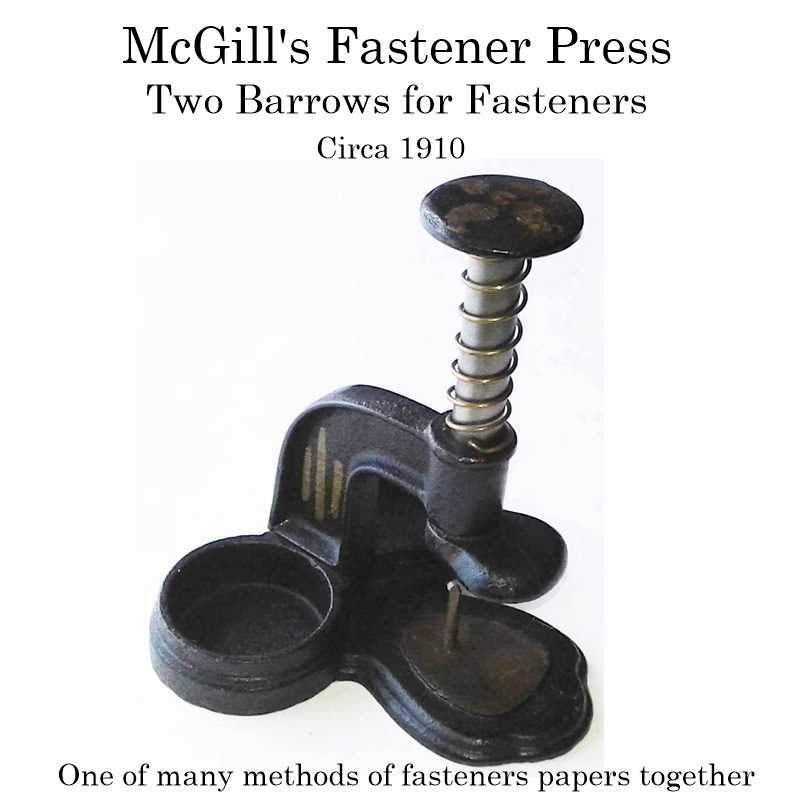
McGill's Fastener Press, two barrows for fasteners, circa 1910
See it in the 3D museum · Curt’s page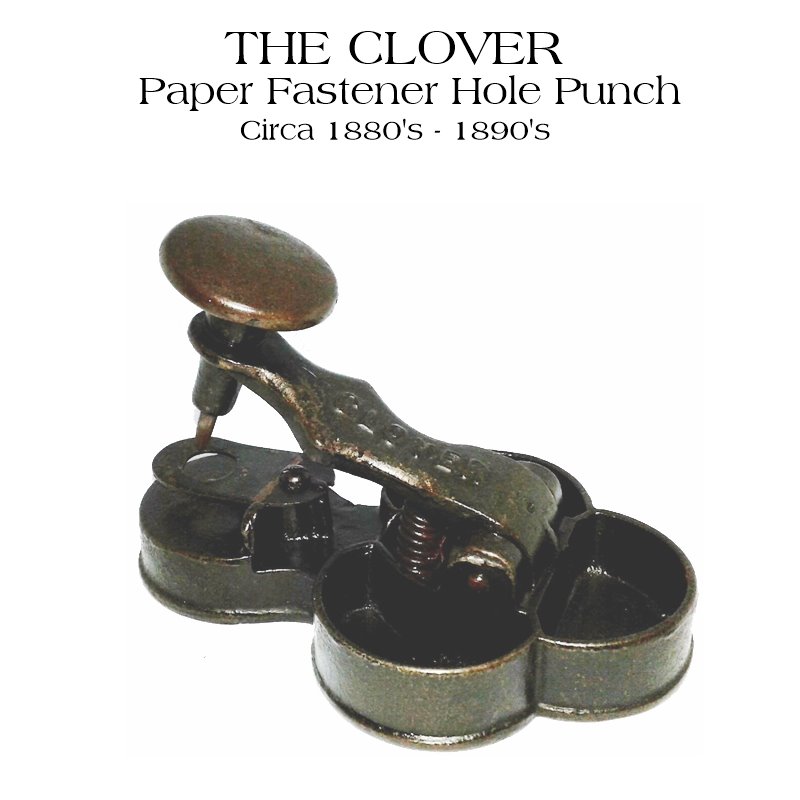
The Clover Paper Fastener Hole Punch, circa 1880s to 1890s
See it in the 3D museum · Curt’s page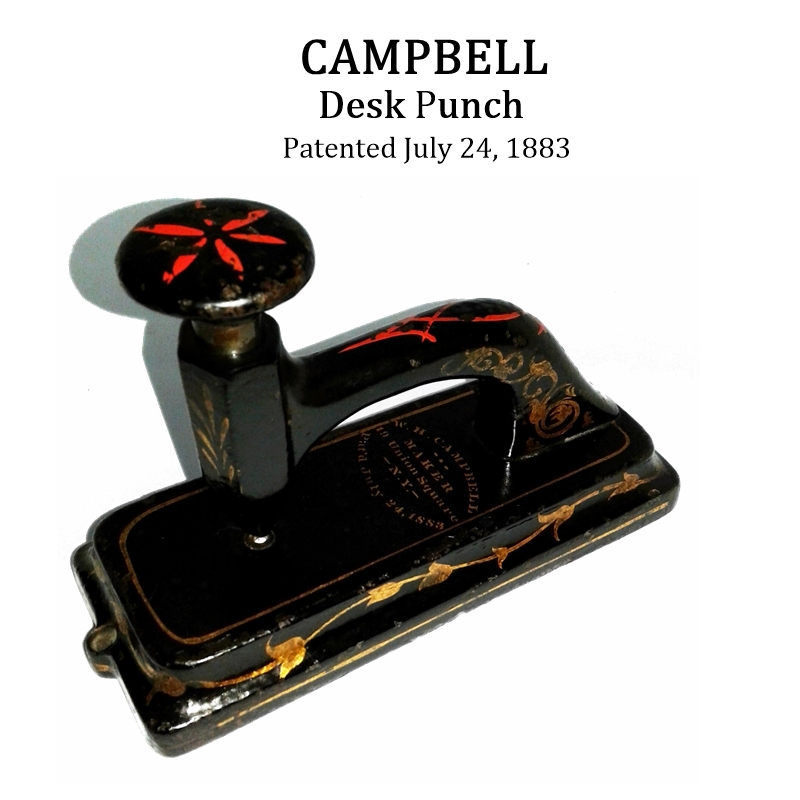
Campbell Desk Punch, patented July 24, 1883
See it in the 3D museum · Curt’s page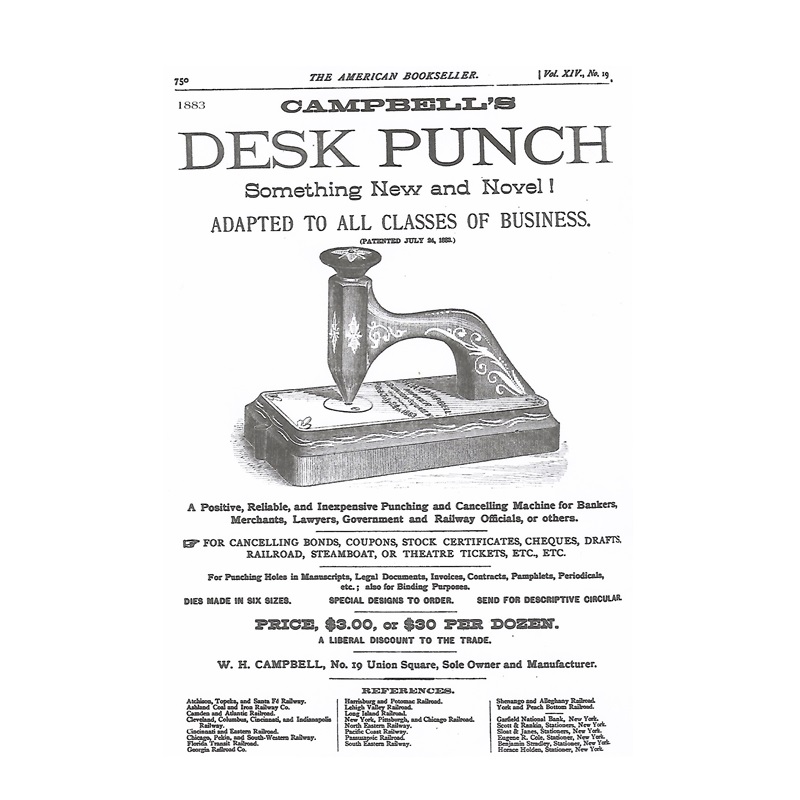
Paper Fastener Punch (1883)
See it in the 3D museum · Curt’s page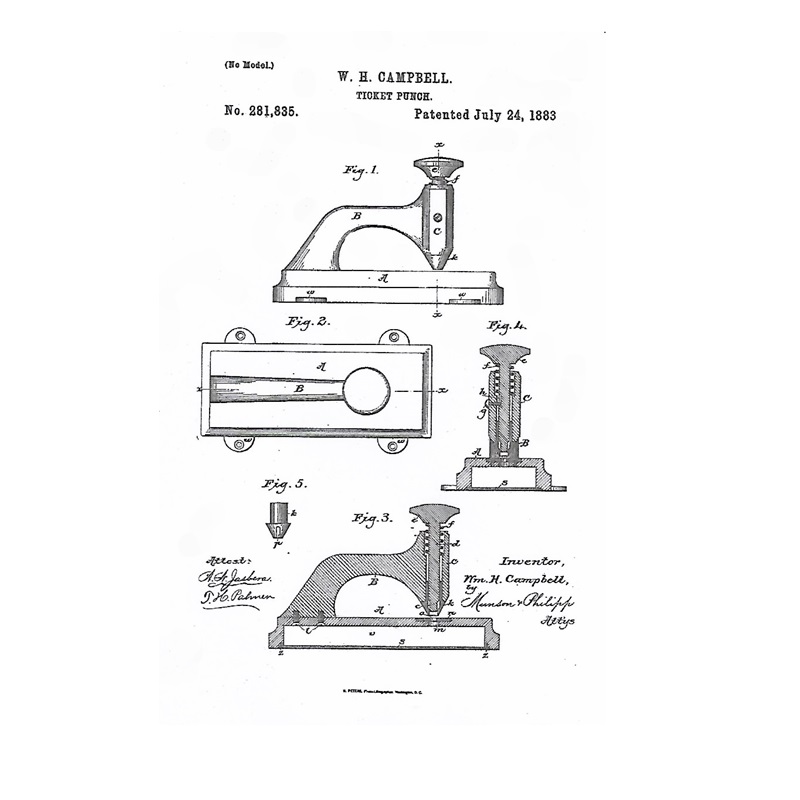
W. H. Campbell Ticket Punch patent drawing, No. 281,835, July 24, 1883
See it in the 3D museum · Curt’s pageMcGills 1879 Top Shelf
See it in the 3D museum · Curt’s pageMake: McGill. Model: Single Stroke Staple Press. Made by: George W. McGill. Information: Circa 1879.
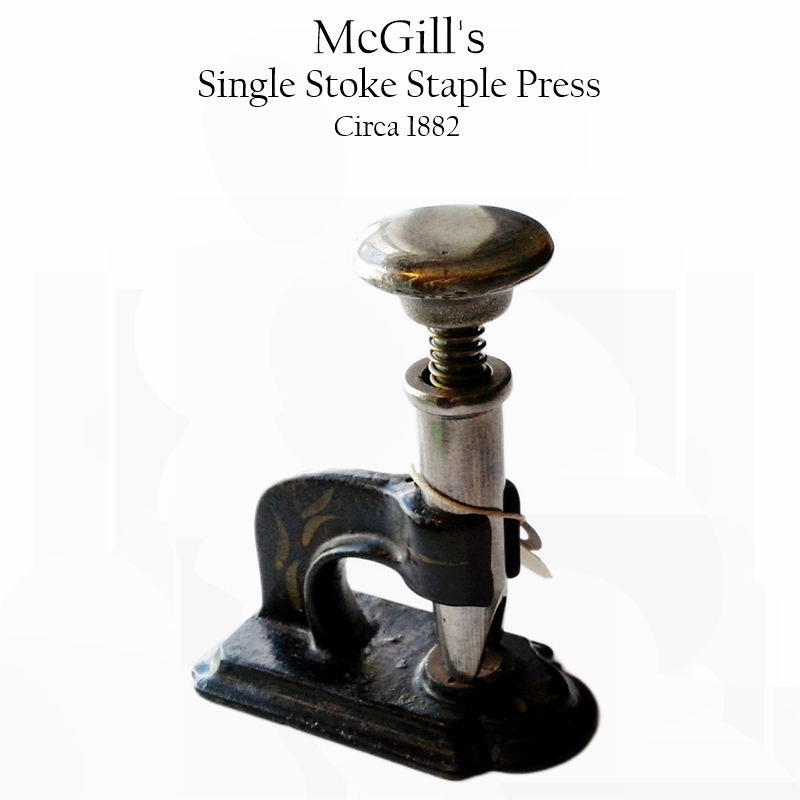
McGill's 1882
See it in the 3D museum · Curt’s pageMake: McGill. Model: Single Stroke Staple Press. Made by: George W. McGill. Information: Circa 1879.


European Machines
As a serious collector, there is no way I can appreciate American made office appliances without holding the same feelings of appreciation for appliances made in other countries. The United Kingdom, Germany and France all have made absolutely beautiful examples and I have been fortunate to add several to this collection. My biggest regret is that it is difficult to get some of the finer examples out of European countries. Purhaps, one day, I will find a fellow collector willing to be my agent in aquiring some of these machines.
See this gallery in the 3D museum · Curt’s page for European Machines
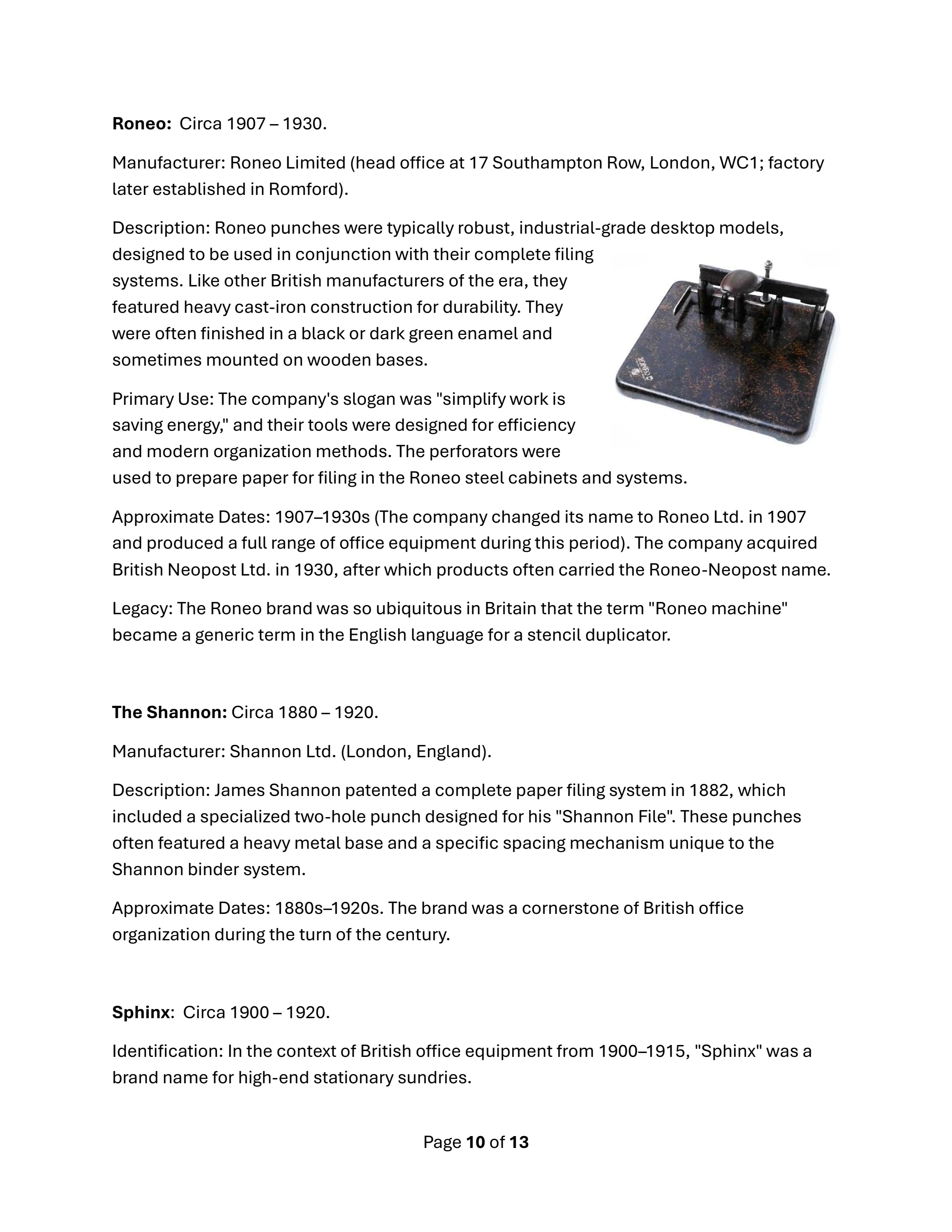
Roneo Hole Punch, circa 1908, United Kingdom Top Shelf
See it in the 3D museum · Curt’s page“The Roneo brand was so ubiquitous in Britain that the term “Roneo machine” became a generic term in the English language for a stencil duplicator.”
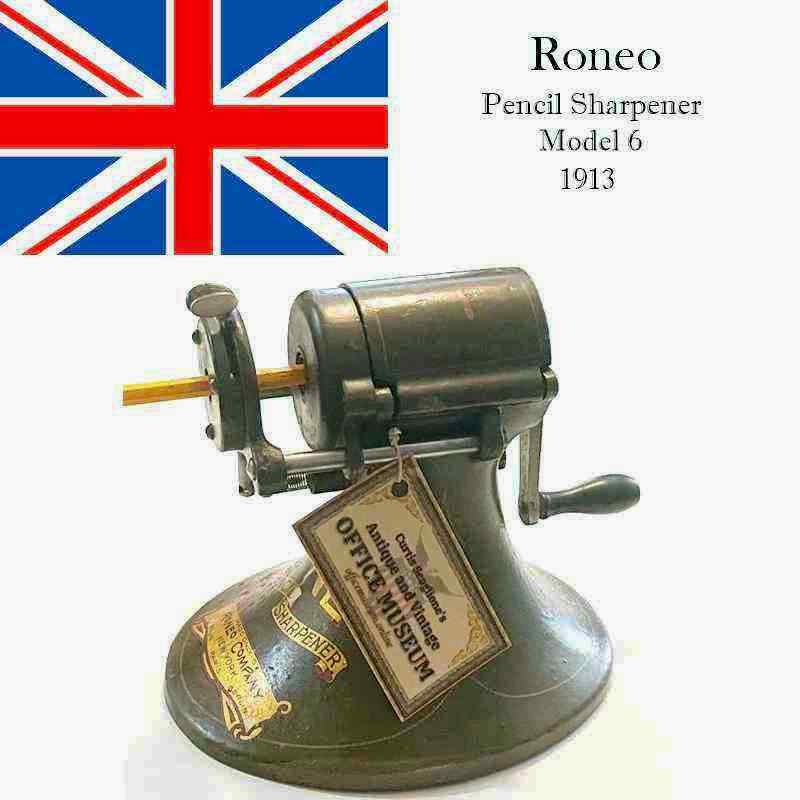
Roneo No. 6 Pencil Sharpener 1913 (1907)
See it in the 3D museum · Curt’s pageRoneo: Circa 1907 – 1930.
Manufacturer: Roneo Limited (head office at 17 Southampton Row, London, WC1; factory later established in Romford).
Approximate Dates: 1907–1930s (The company changed its name to Roneo Ltd. in 1907 and produced a full range of office equipment during this period). The company acquired British Neopost Ltd. in 1930, after which products often carried the Roneo-Neopost name.
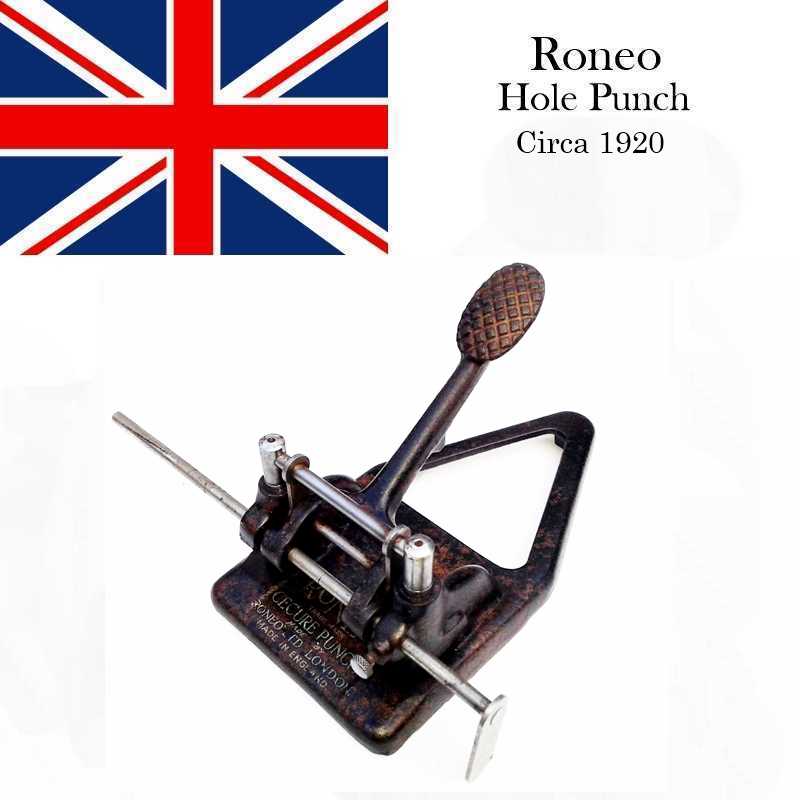
Roneo Hole Punch (1907)
See it in the 3D museum · Curt’s pageRoneo: Circa 1907 – 1930.
Manufacturer: Roneo Limited (head office at 17 Southampton Row, London, WC1; factory later established in Romford).
Approximate Dates: 1907–1930s (The company changed its name to Roneo Ltd. in 1907 and produced a full range of office equipment during this period). The company acquired British Neopost Ltd. in 1930, after which products often carried the Roneo-Neopost name.
Antique and Vintage United Kingdom Hole Punches (ckbg), p. 10
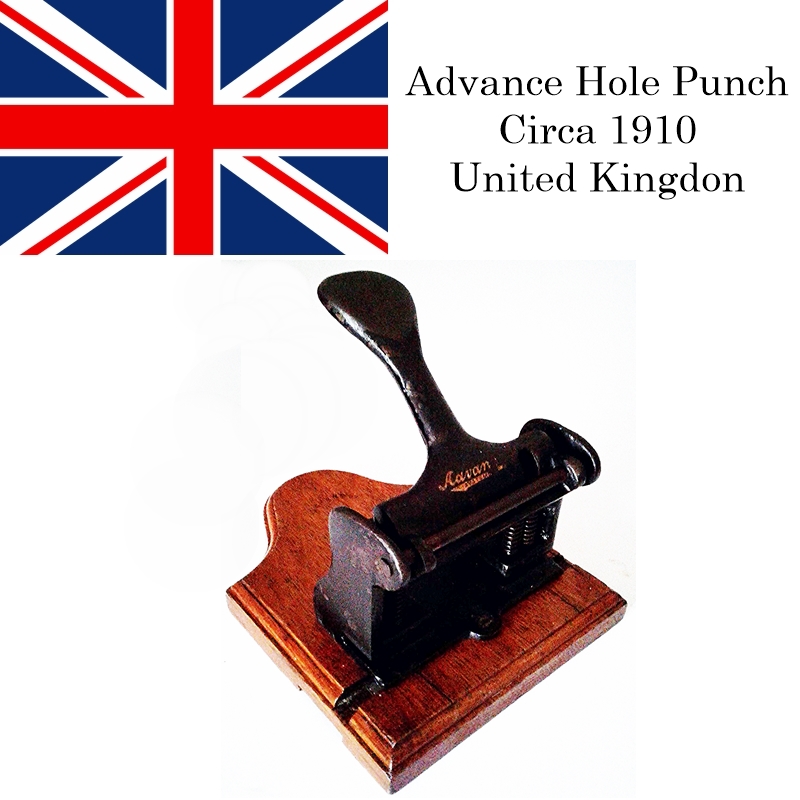
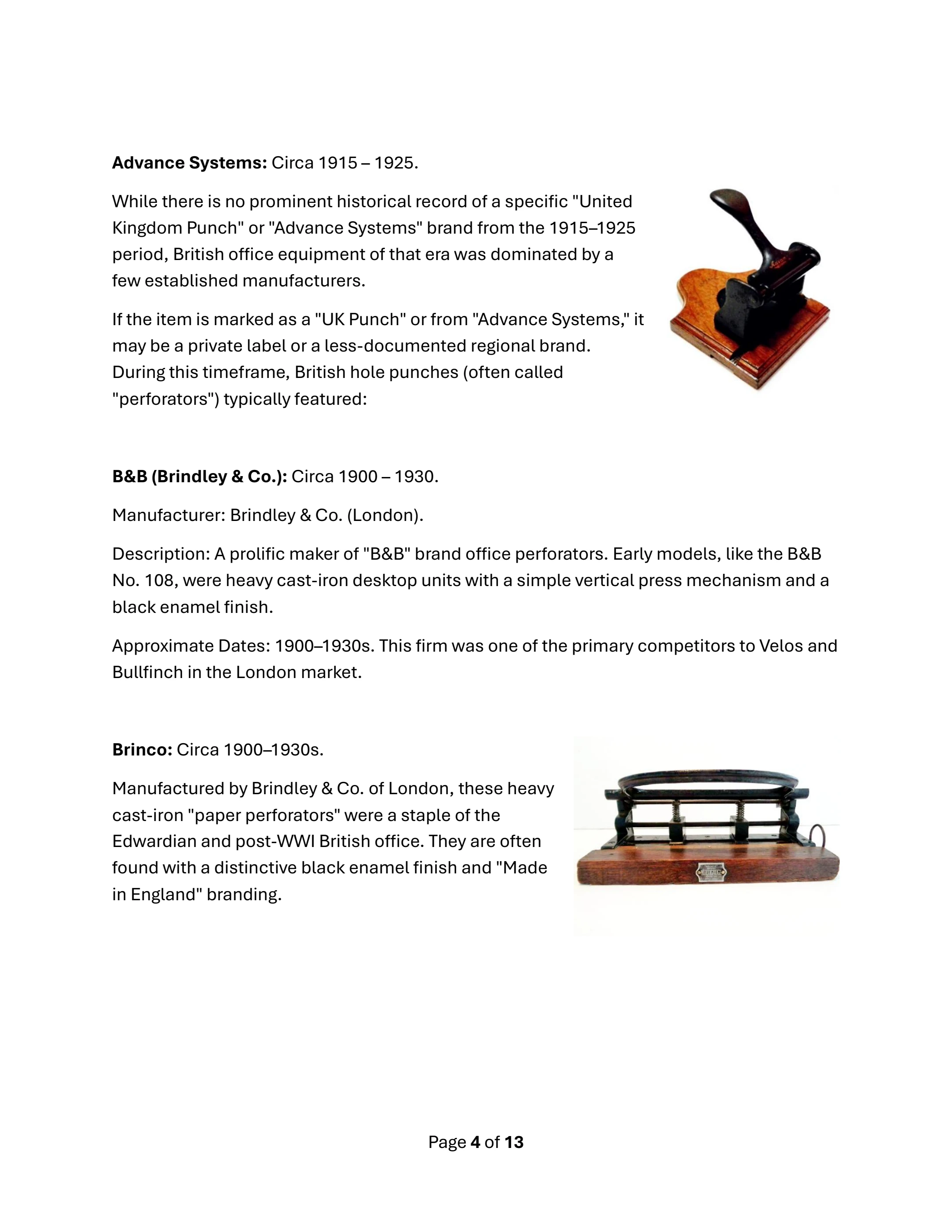
Hole Punch (1910)
See it in the 3D museum · Curt’s pageAdvance Systems: Circa 1915 – 1925.
If the item is marked as a "UK Punch" or from "Advance Systems," it may be a private label or a less-documented regional brand.
Antique and Vintage United Kingdom Hole Punches (ckbg), p. 4
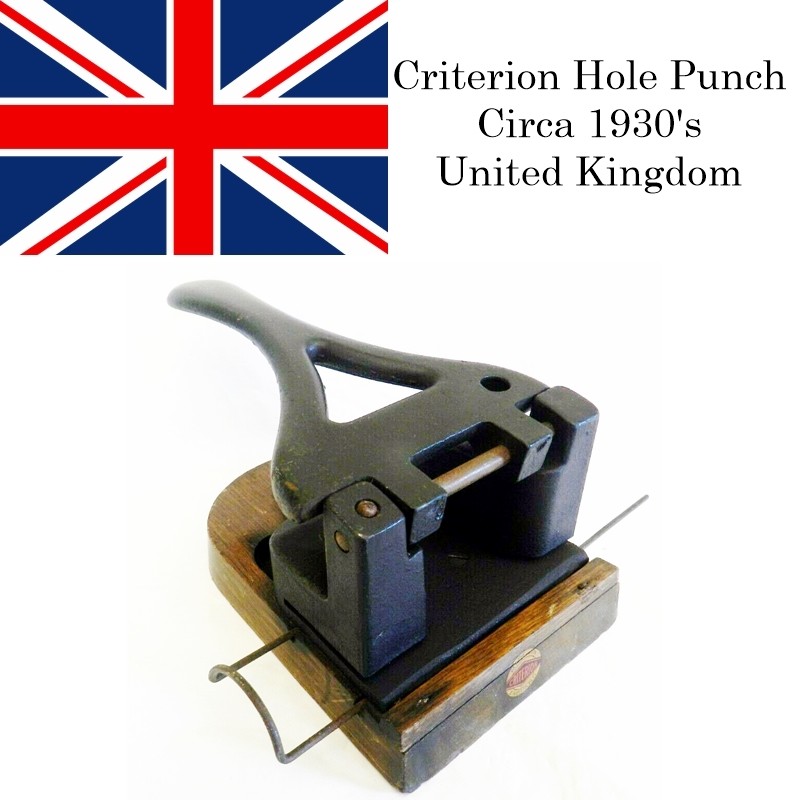
Hole Punch, circa 1930s, United Kingdom
See it in the 3D museum · Curt’s page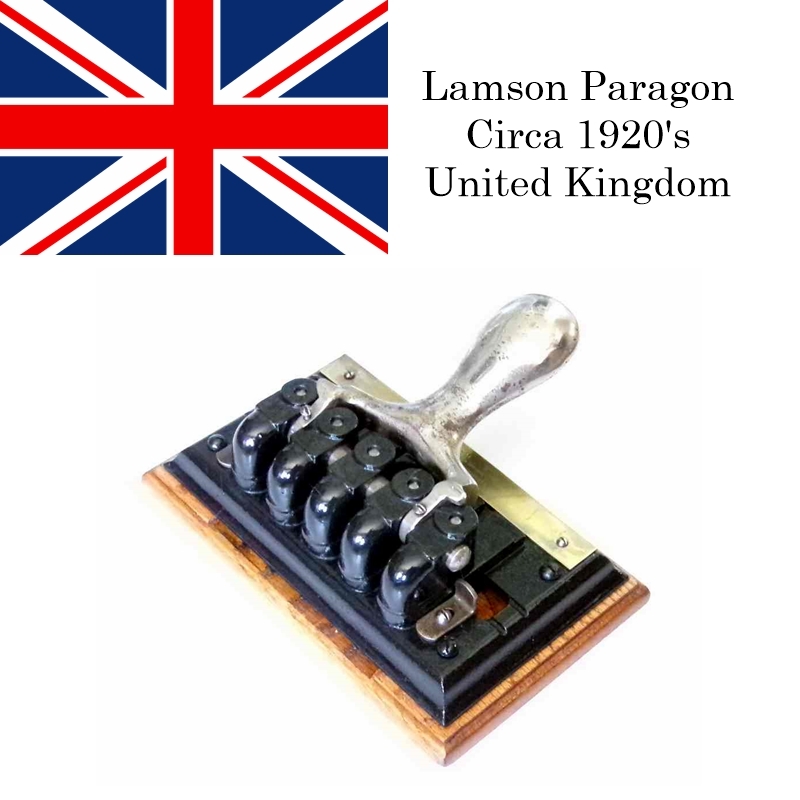
Hole Punch (1920)
See it in the 3D museum · Curt’s pageLamson Paragon: Circa 1880 – 1930.
Manufacturer: Lamson Paragon Supply Co. (London, England). Formed in the 1880s, this company was a giant in British office systems.
Antique and Vintage United Kingdom Hole Punches (ckbg), p. 8
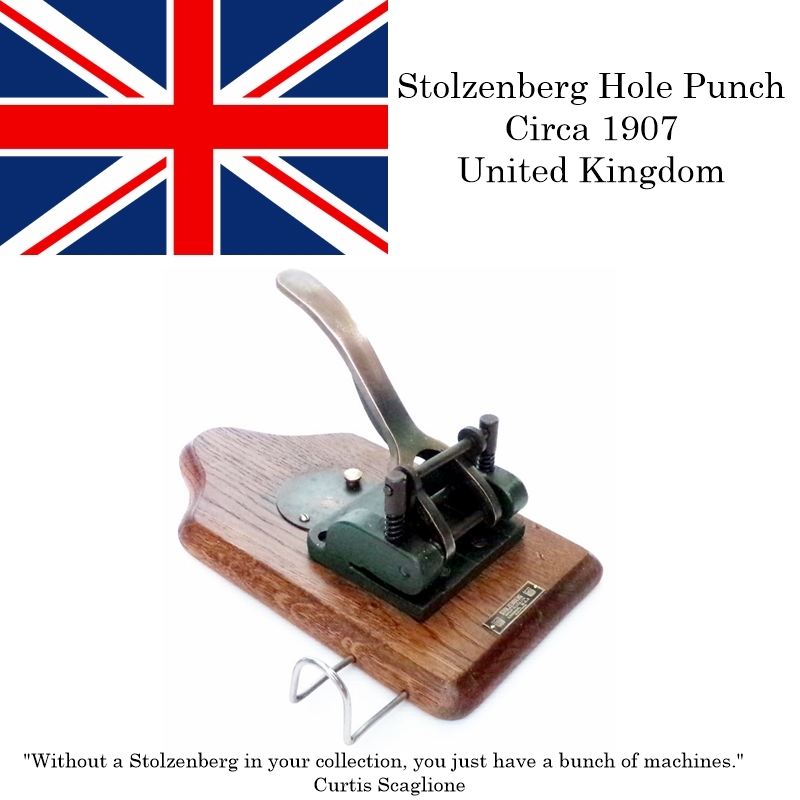
Stolzenberg Hole Punch, circa 1907, United Kingdom
See it in the 3D museum · Curt’s page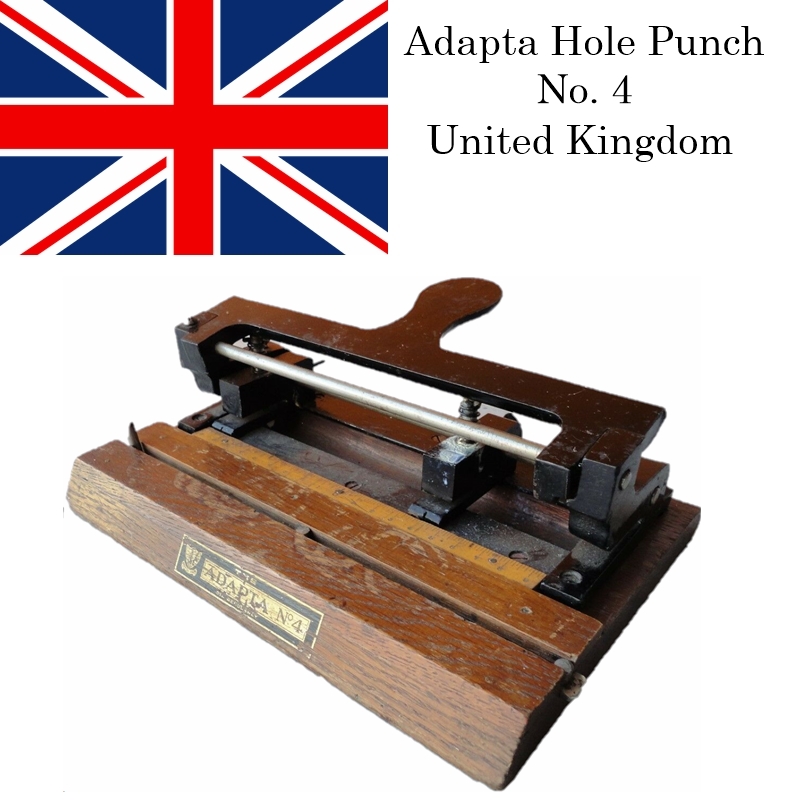
Hole Punch (1910)
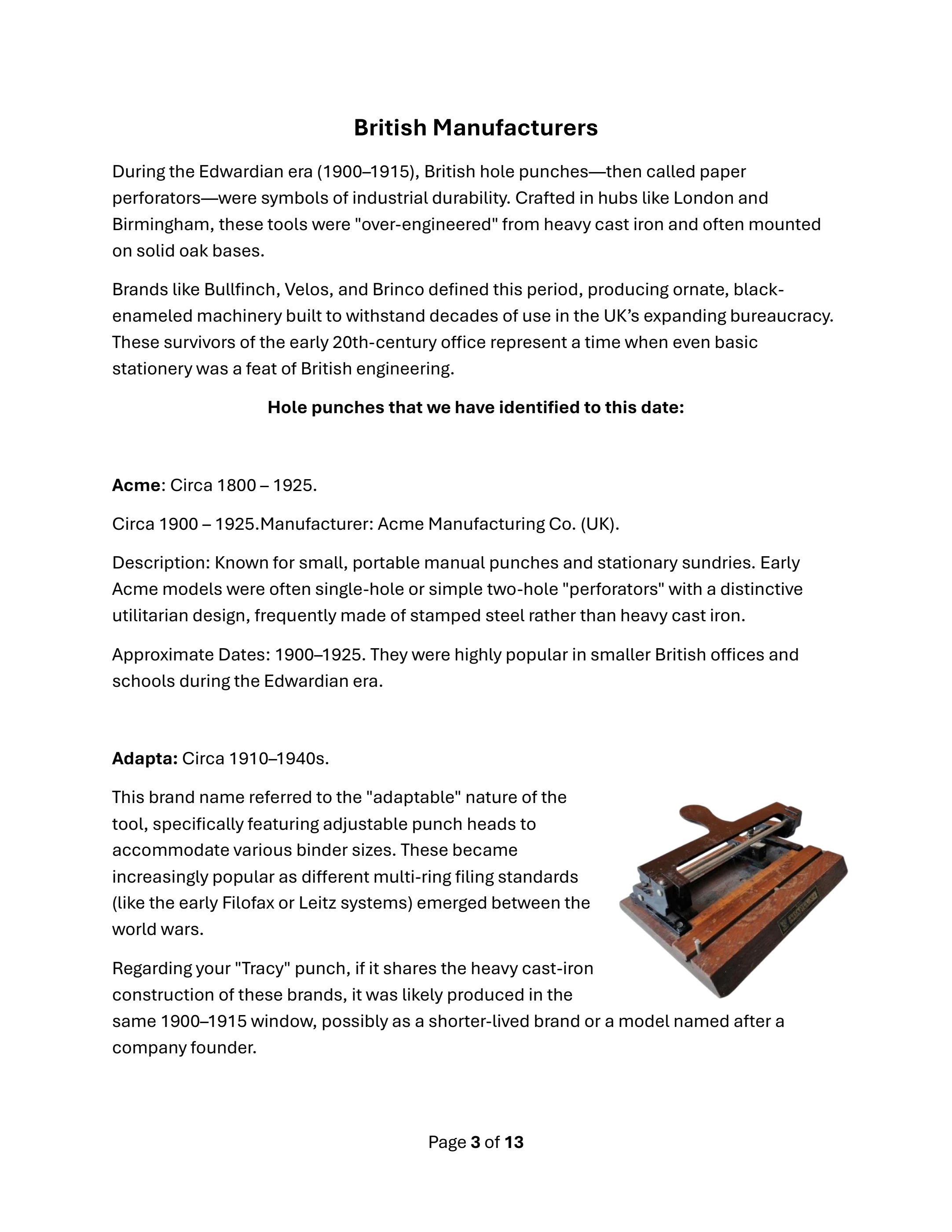
See it in the 3D museum · Curt’s pageAdapta: Circa 1910–1940s.
This brand name referred to the "adaptable" nature of the tool, specifically featuring adjustable punch heads to accommodate various binder sizes.
Antique and Vintage United Kingdom Hole Punches (ckbg), p. 3
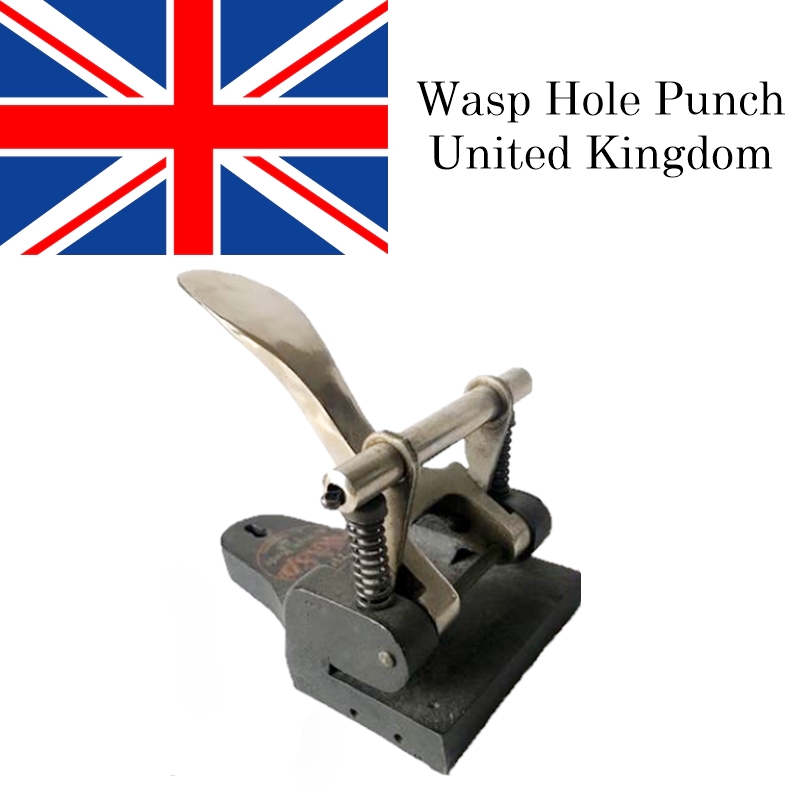
Hole Punch (1910)
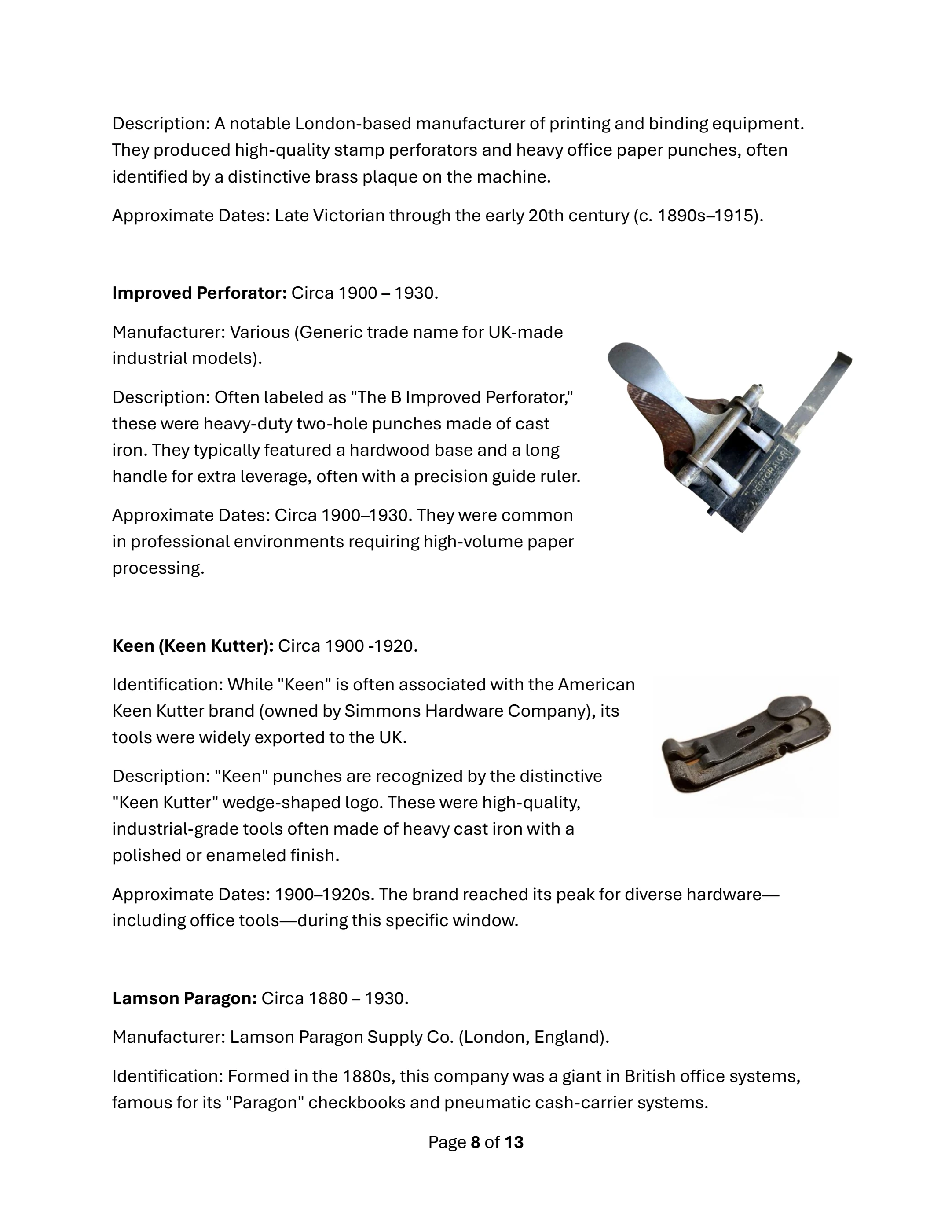
See it in the 3D museum · Curt’s pageWasp: Circa 1910 – 1915.
The "Wasp" was a smaller, more specialized British brand of paper perforator.
Antique and Vintage United Kingdom Hole Punches (ckbg), p. 12
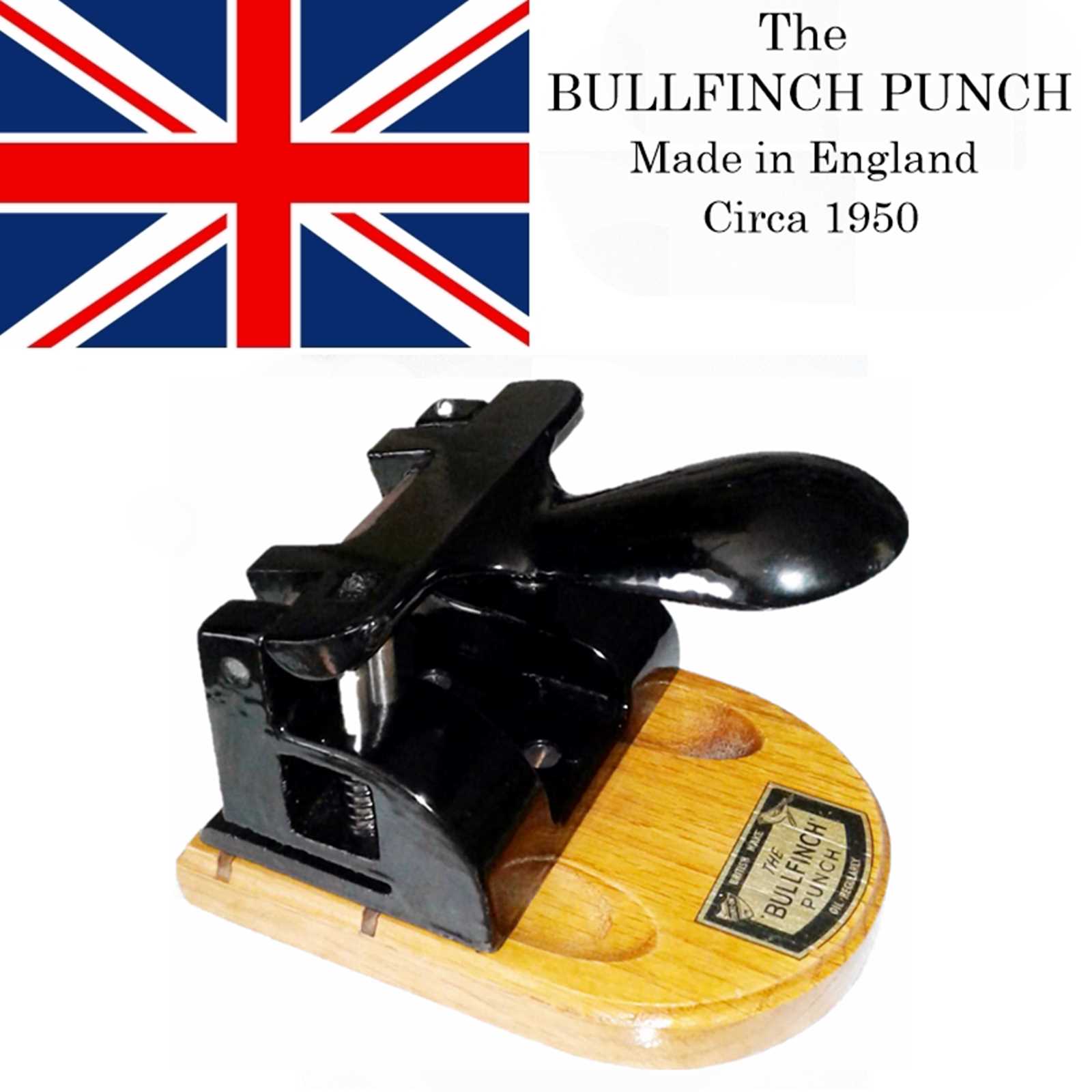
Bullfinch Punch, made in England, circa 1950
See it in the 3D museum · Curt’s page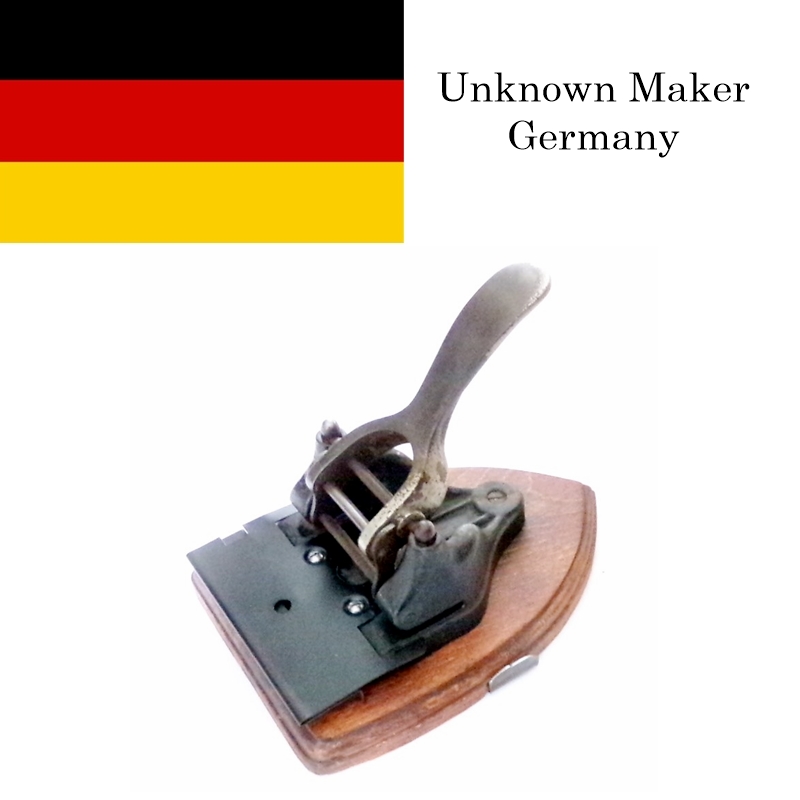
Hole Punch
See it in the 3D museum · Curt’s page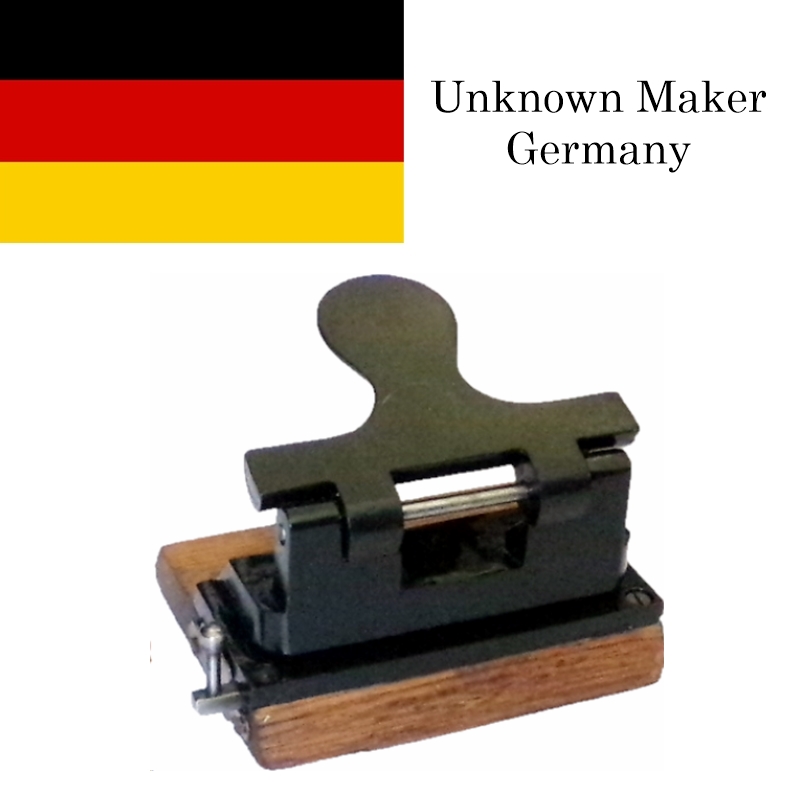
Hole Punch
See it in the 3D museum · Curt’s page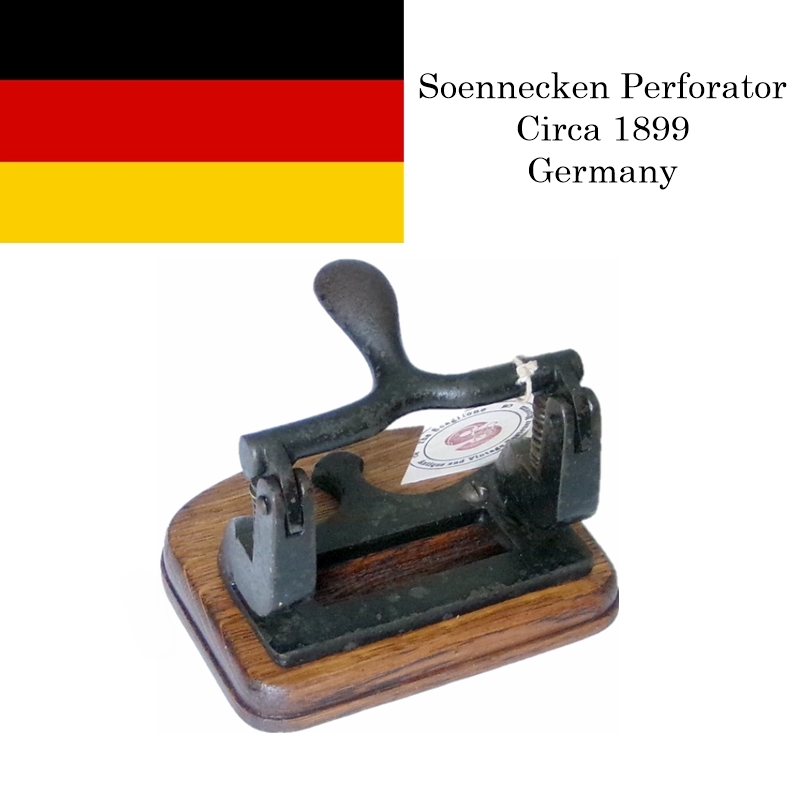
Soennecken Perforator, circa 1899, Germany
See it in the 3D museum · Curt’s page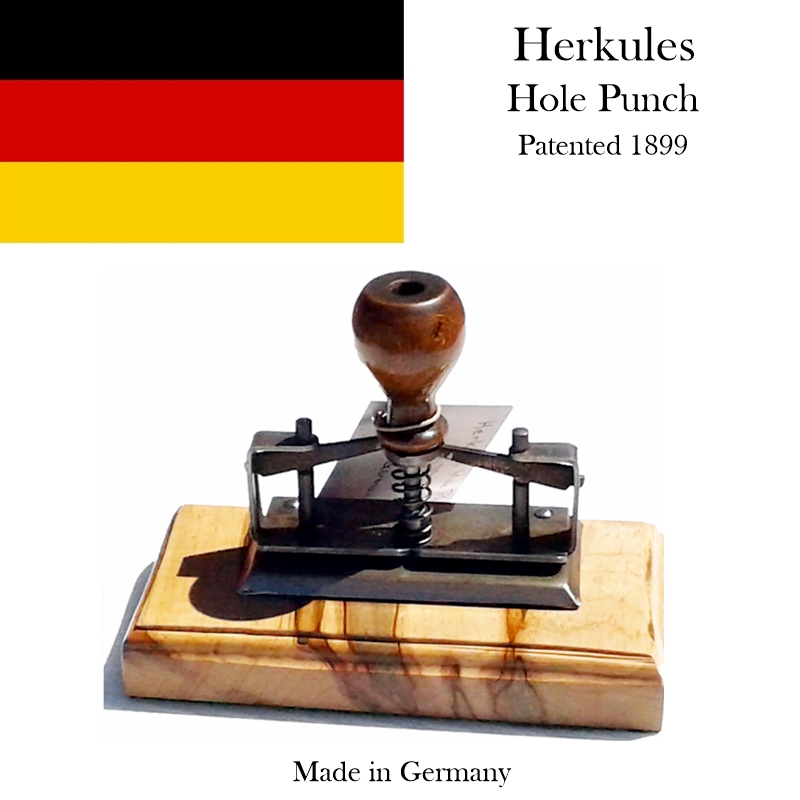
Herkules Hole Punch, patented 1899, Germany
See it in the 3D museum · Curt’s page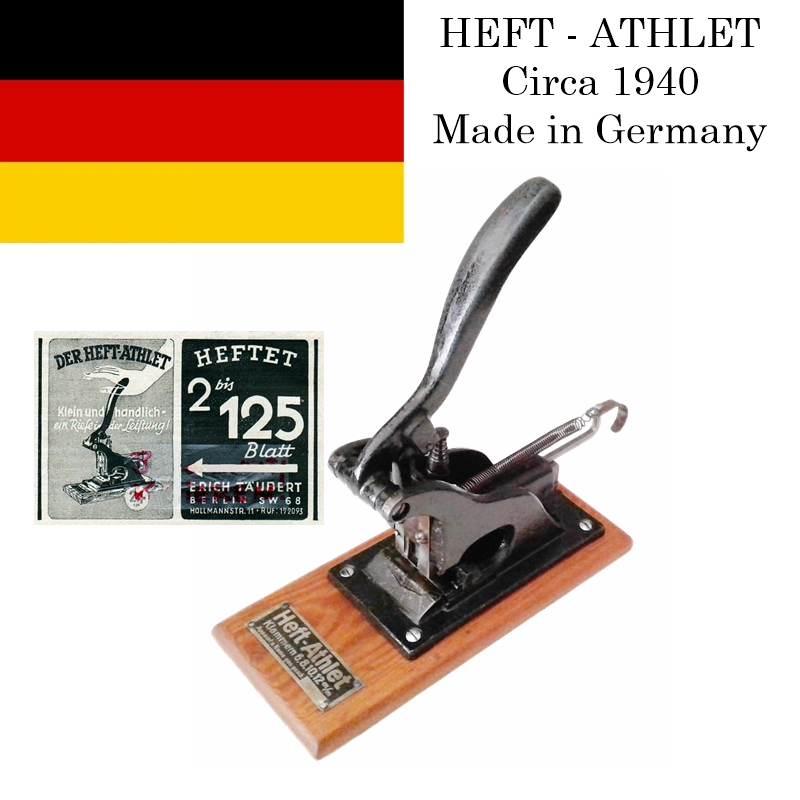
Heft-Athlet stapler, circa 1940, made in Germany
See it in the 3D museum · Curt’s page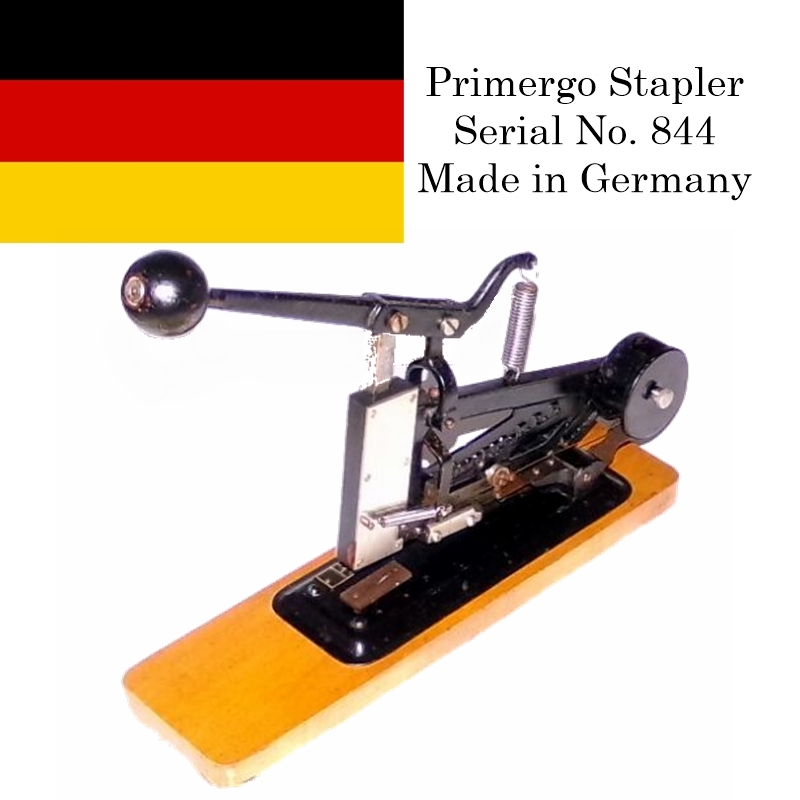
German Primergo Stapler
See it in the 3D museum · Curt’s page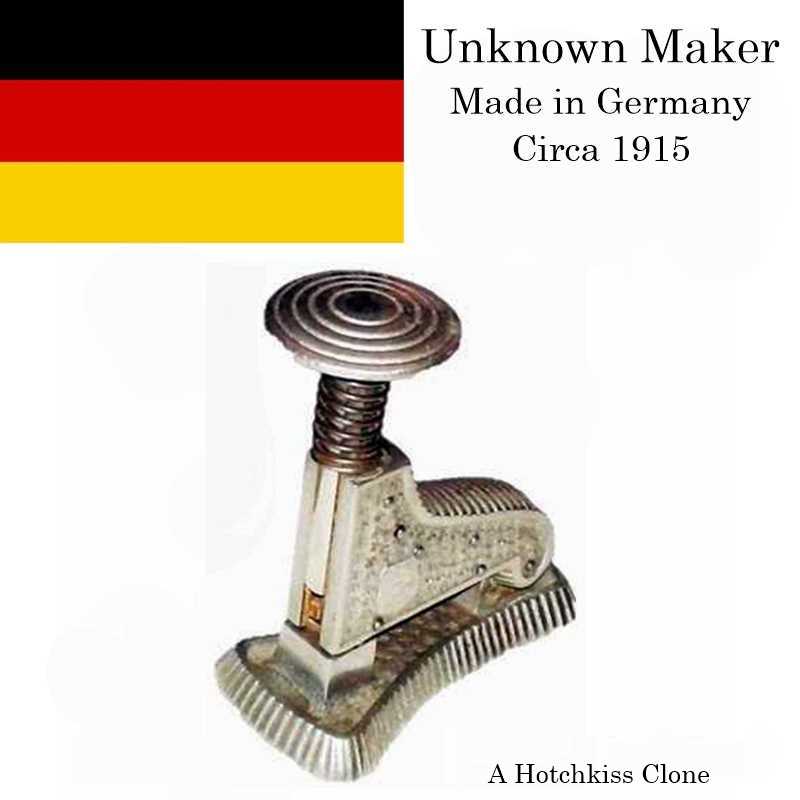
German stapler, maker unknown, circa 1915
See it in the 3D museum · Curt’s page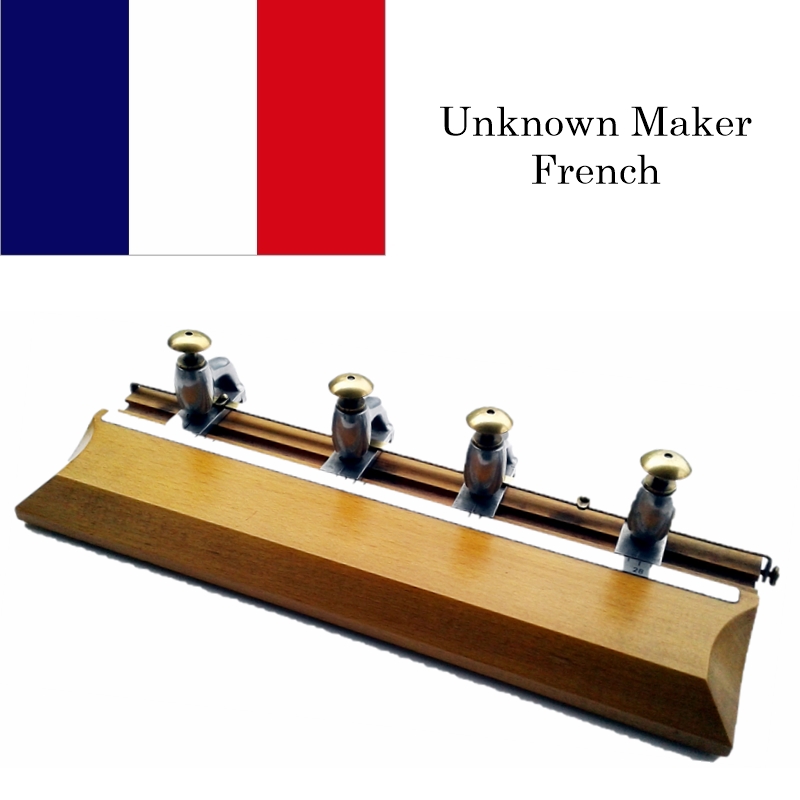
Hole Punch
See it in the 3D museum · Curt’s page
Ink Stands and Inkwells
Patents show us that ink stands and ink wells have been with us for centuries. For as long as there has been the written word, there has been ink to put it down on paper. The history appears to be well documented on the internet therefore, I will not reinvent the wheel. TodayThese 19th century and early 20th century designs are what you would expect of the era and they did play an important part in the story of the Inkstand.
See this gallery in the 3D museum · Curt’s page for Ink Stands and Inkwells
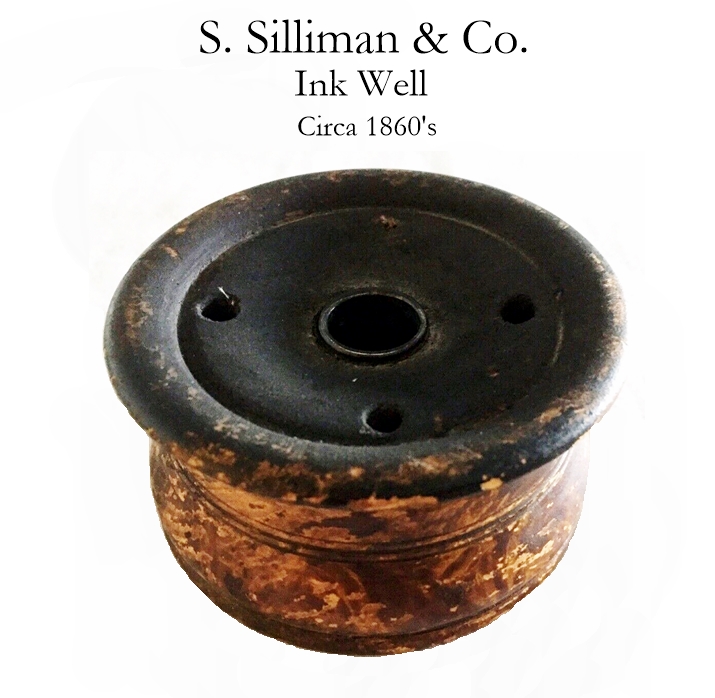
S. Silliman & Co. Ink Well, circa 1860s
See it in the 3D museum · Curt’s page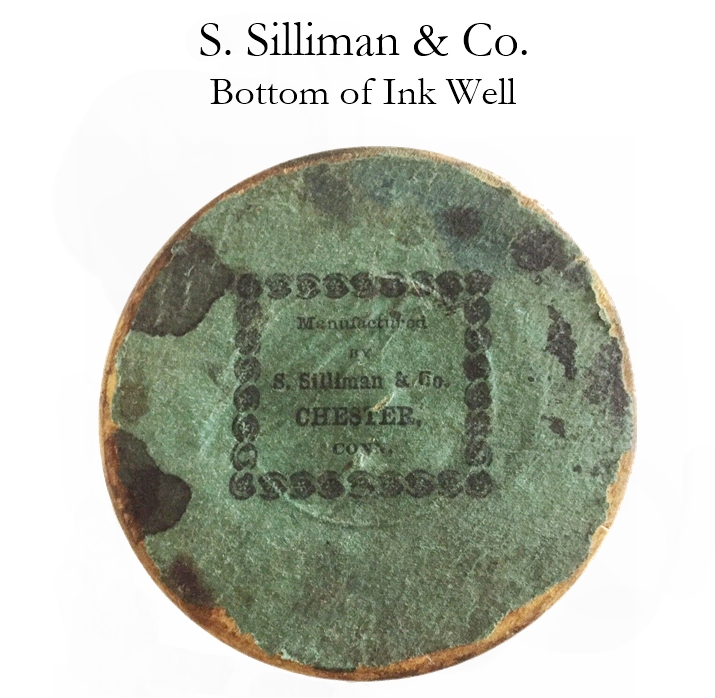
S. Silliman & Co. Ink Well — the maker's label on the base, Chester, Connecticut (1860)
See it in the 3D museum · Curt’s page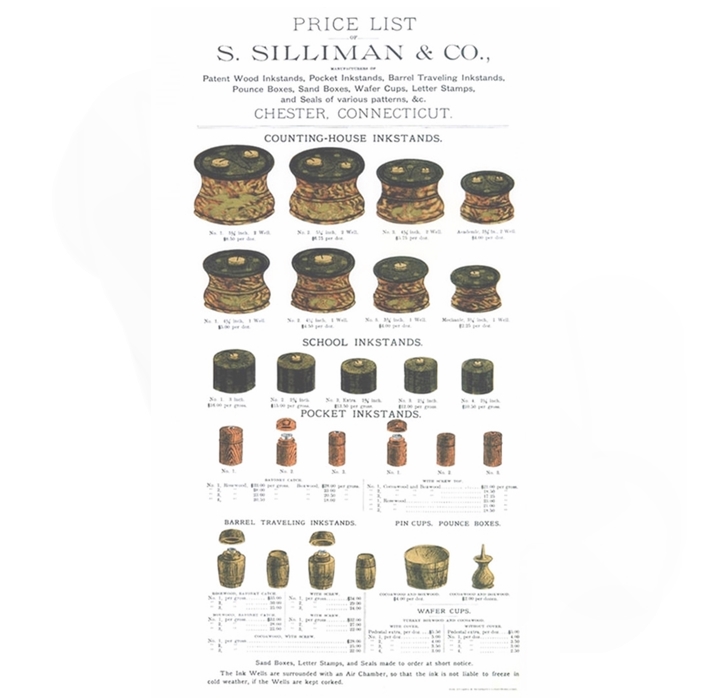
S. Silliman & Co. price list, Chester, Connecticut
See it in the 3D museum · Curt’s page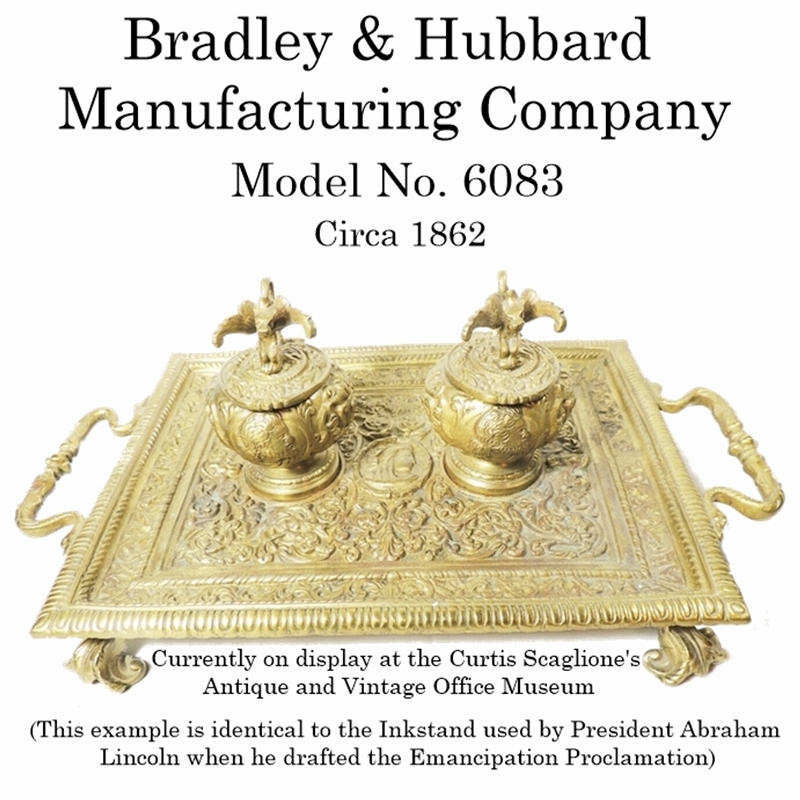
Bradley & Hubbard Manufacturing Company inkstand, Model No. 6083, circa 1862 — of the pattern President Abraham Lincoln used to draft the Emancipation Proclamation
See it in the 3D museum · Curt’s page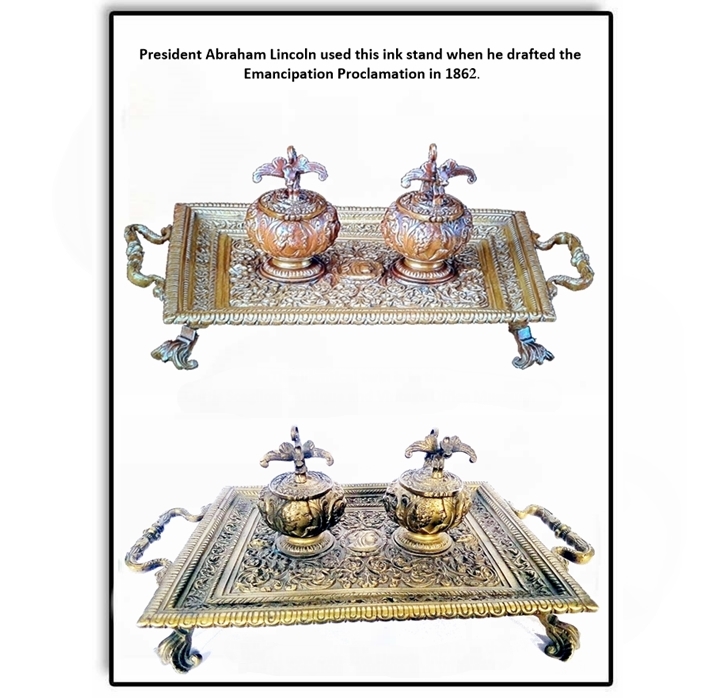
The Bradley & Hubbard inkstand, two views — of the pattern President Abraham Lincoln used to draft the Emancipation Proclamation in 1862
See it in the 3D museum · Curt’s page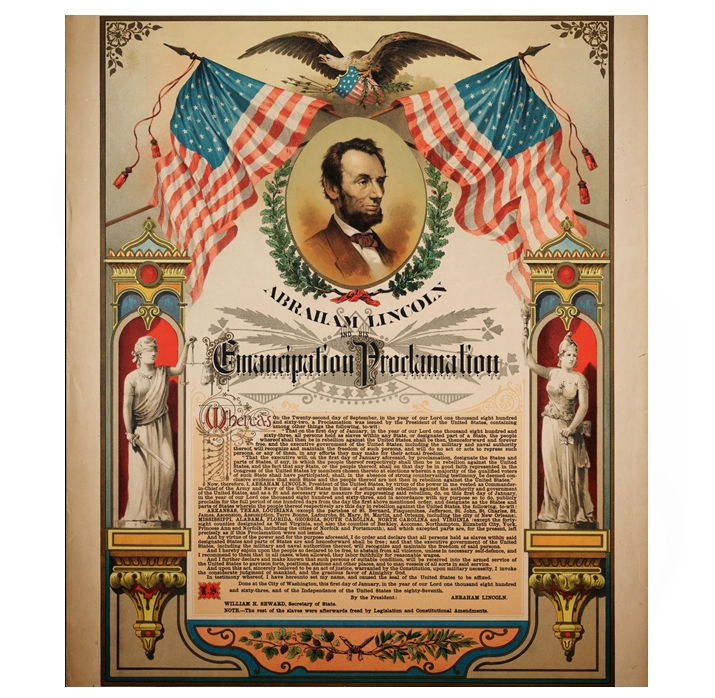
Abraham Lincoln and the Emancipation Proclamation, a commemorative print
See it in the 3D museum · Curt’s page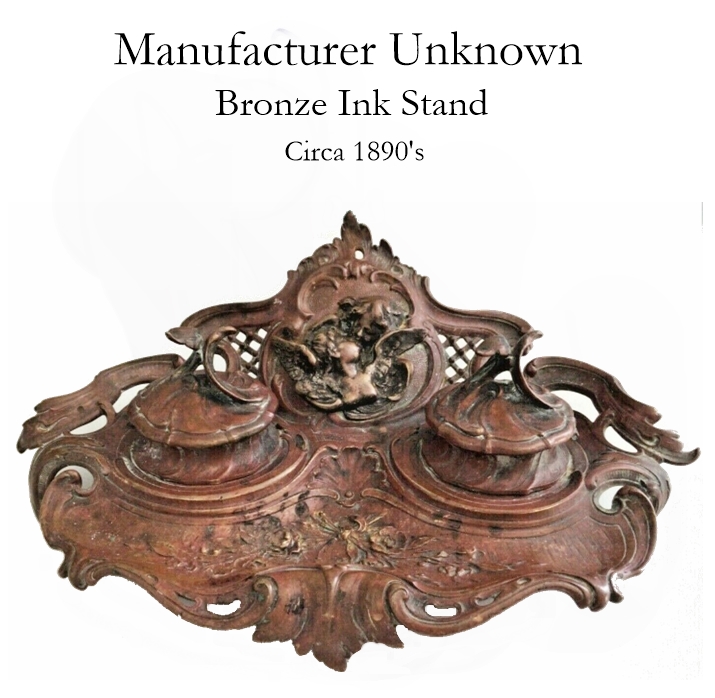
Bronze ink stand, maker unknown, circa 1890s
See it in the 3D museum · Curt’s page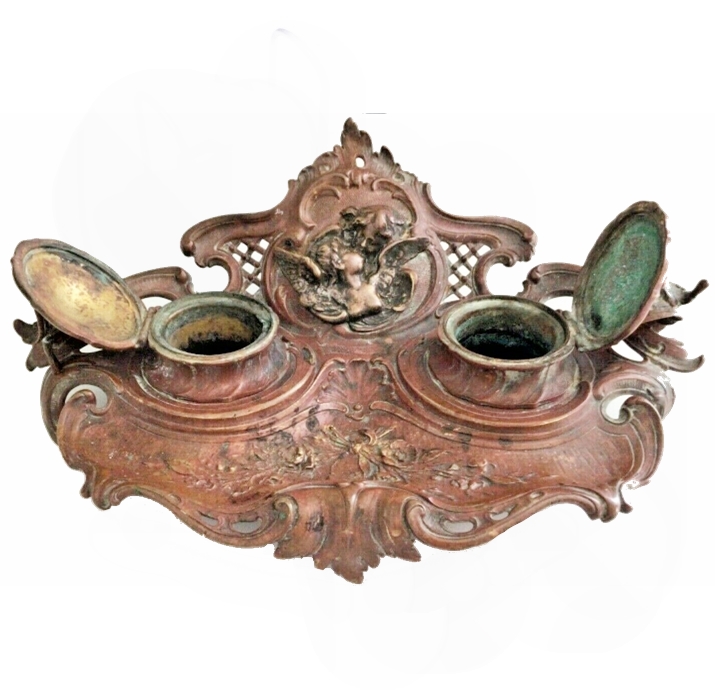
The bronze ink stand, its wells open
See it in the 3D museum · Curt’s page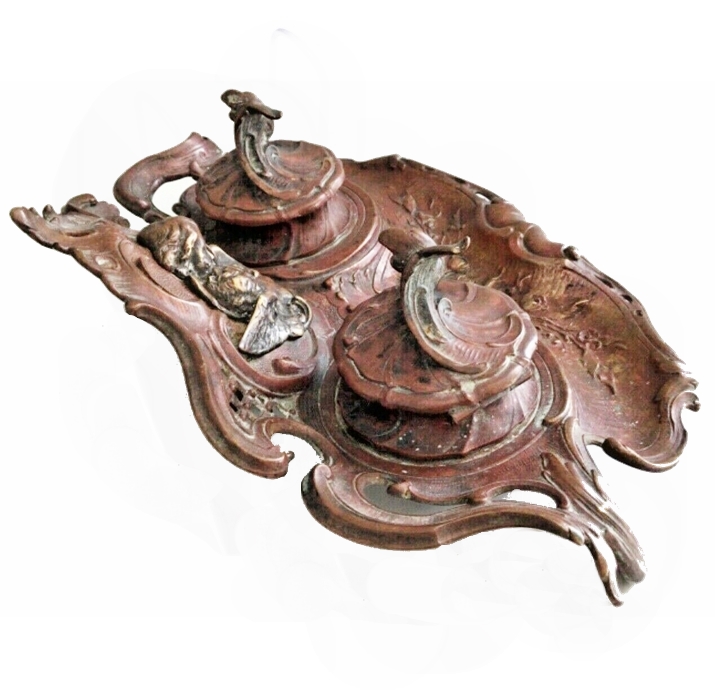
A carved rococo ink stand with two lidded wells and bronze mounts
See it in the 3D museum · Curt’s page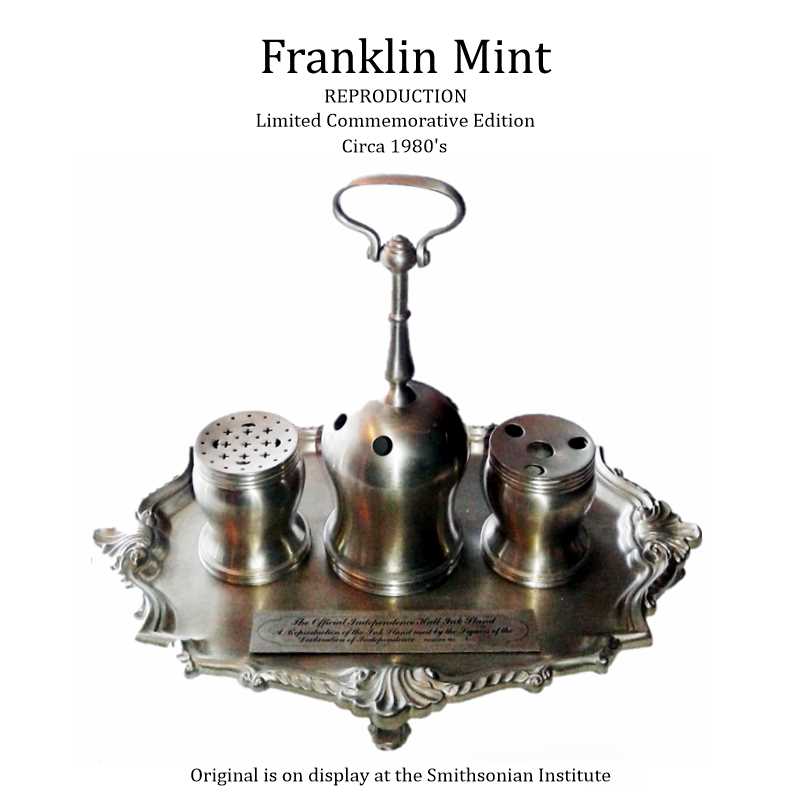
Franklin Mint reproduction of the Independence Hall inkstand, limited commemorative edition, circa 1980s
See it in the 3D museum · Curt’s page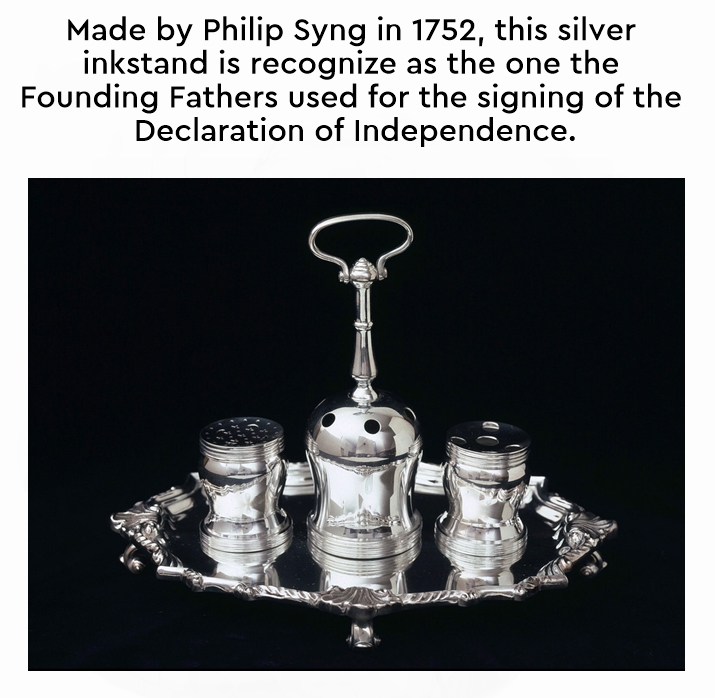
The Philip Syng silver inkstand of 1752, recognized as the one used for the signing of the Declaration of Independence (Franklin Mint reproduction)
See it in the 3D museum · Curt’s page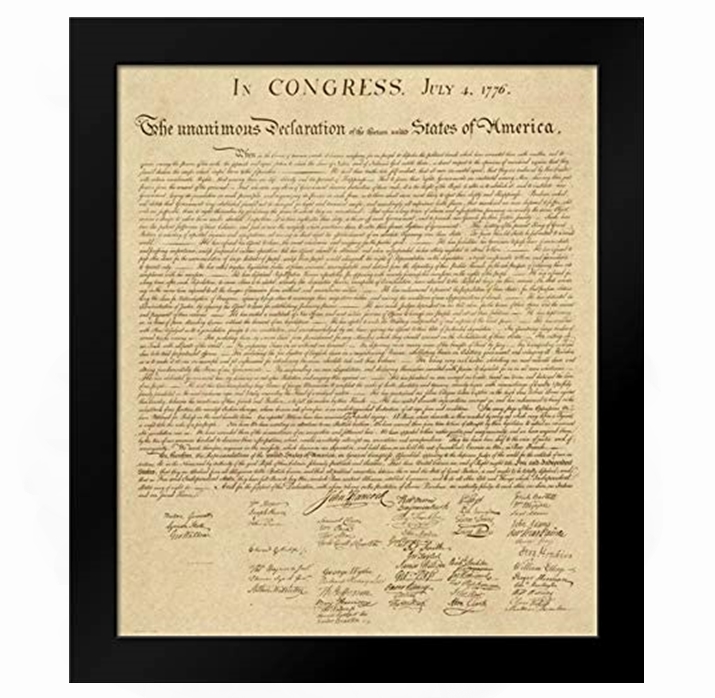
The Declaration of Independence, July 4, 1776, a framed print
See it in the 3D museum · Curt’s page


Clip Boards
The earilest form of a clip board dates to the 1870's and was called the Emerson Clip & File. You can only imagine what Mr. Emerson went through in trying to determine a name for his new office device. Many machines were manufactured that worked on the same principle, holding document, receipts, bills and letter together in a temporary fashion until you could decide what to do with them. The development of clip boards really took off in the 1890's and improvements followed. Many machines were called Clip and Files, Temporary Files, Arch Files and Clip Boards
See this gallery in the 3D museum · Curt’s page for Clip Boards
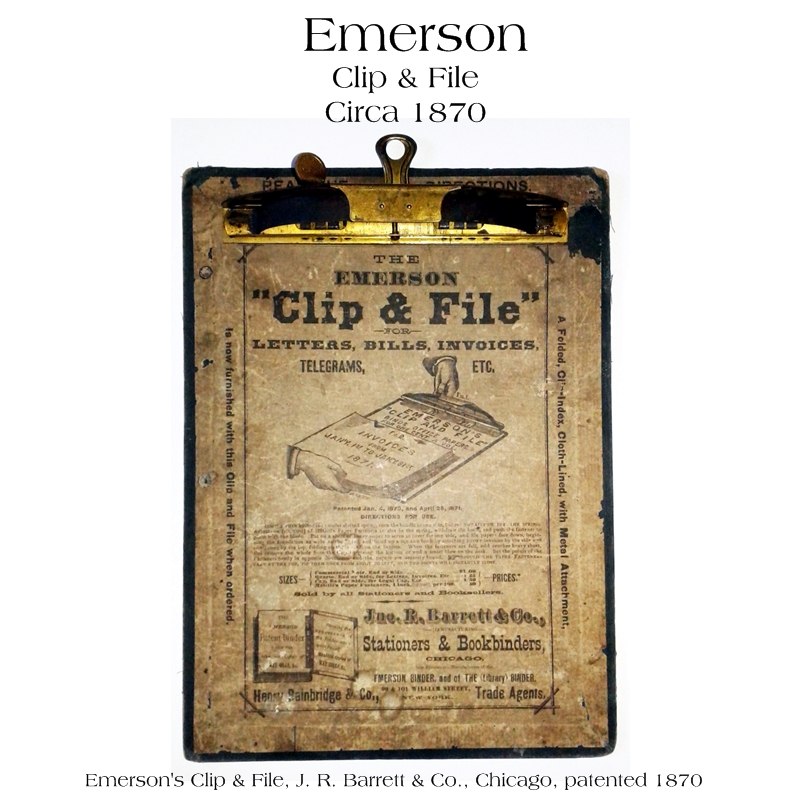
Emerson's Clip & File, J. R. Barrett & Co., Chicago, patented 1870
See it in the 3D museum · Curt’s page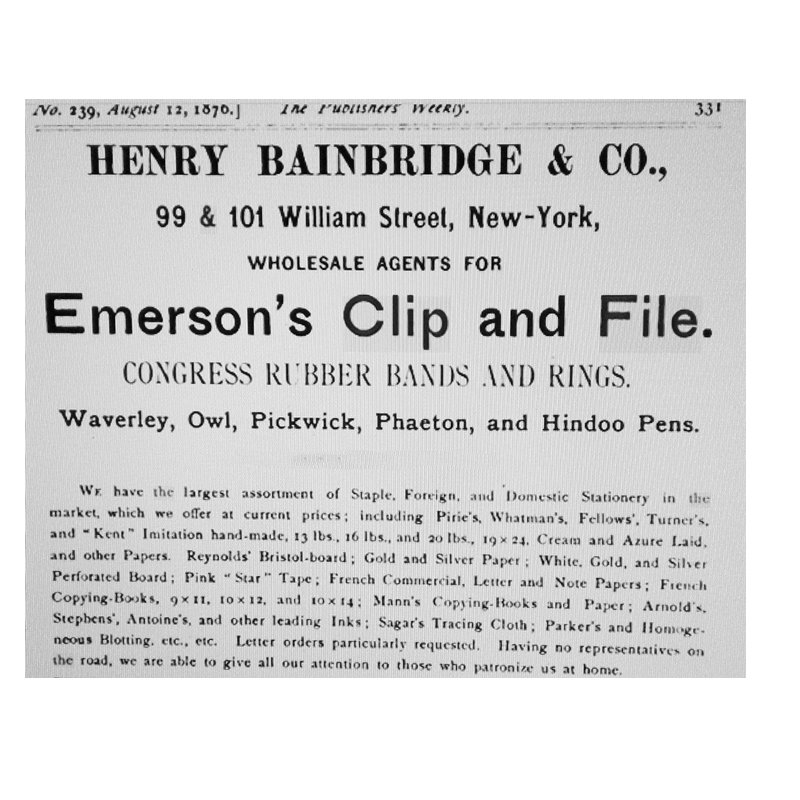
Henry Bainbridge & Co. advertisement for Emerson's Clip and File, The Publishers' Weekly, 1876
See it in the 3D museum · Curt’s page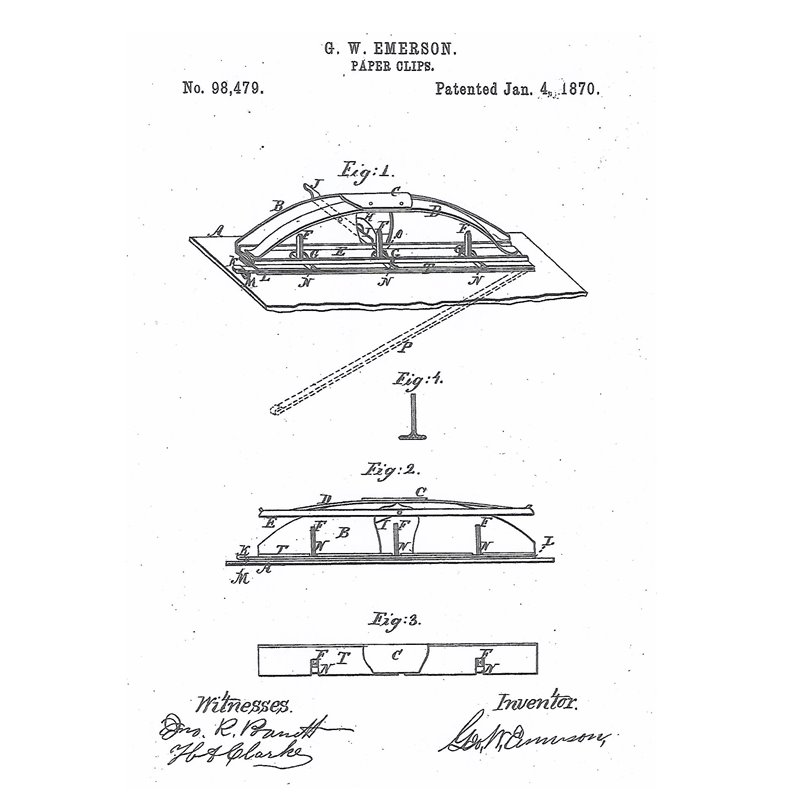
G. W. Emerson Paper Clips (Clip & File) patent drawing, No. 98,479, January 4, 1870
See it in the 3D museum · Curt’s page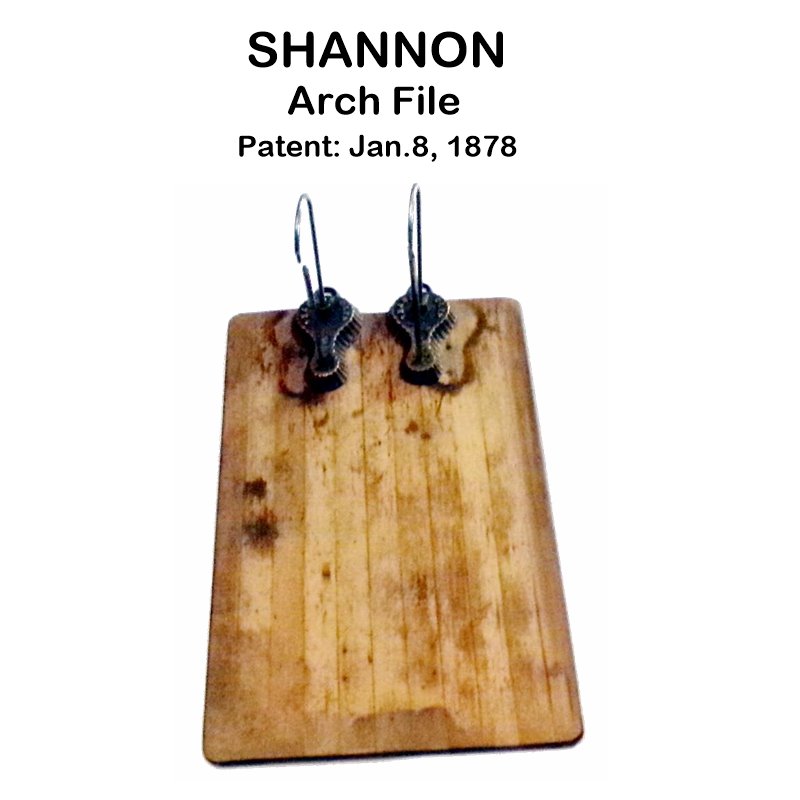
Shannon Arch File, patented 1882
See it in the 3D museum · Curt’s page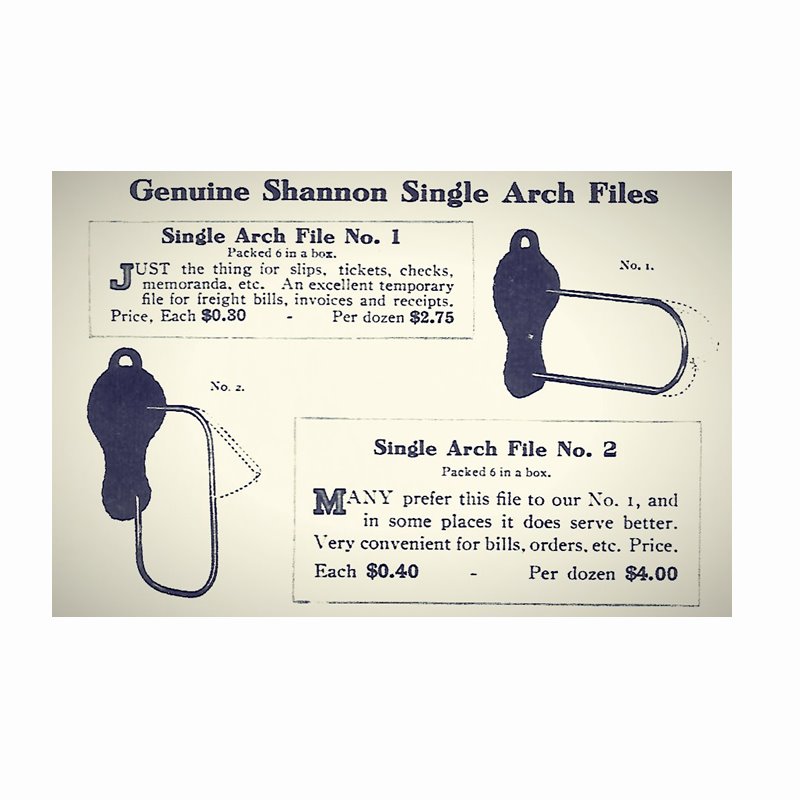
Genuine Shannon Single Arch Files advertisement
See it in the 3D museum · Curt’s pageThe Shannon: Circa 1880 – 1920.
Manufacturer: Shannon Ltd. (London, England).
Description: James Shannon patented a complete paper filing system in 1882, which included a specialized two-hole punch designed for his "Shannon File".
Approximate Dates: 1880s–1920s. The brand was a cornerstone of British office organization during the turn of the century.
Antique and Vintage United Kingdom Hole Punches (ckbg), p. 10
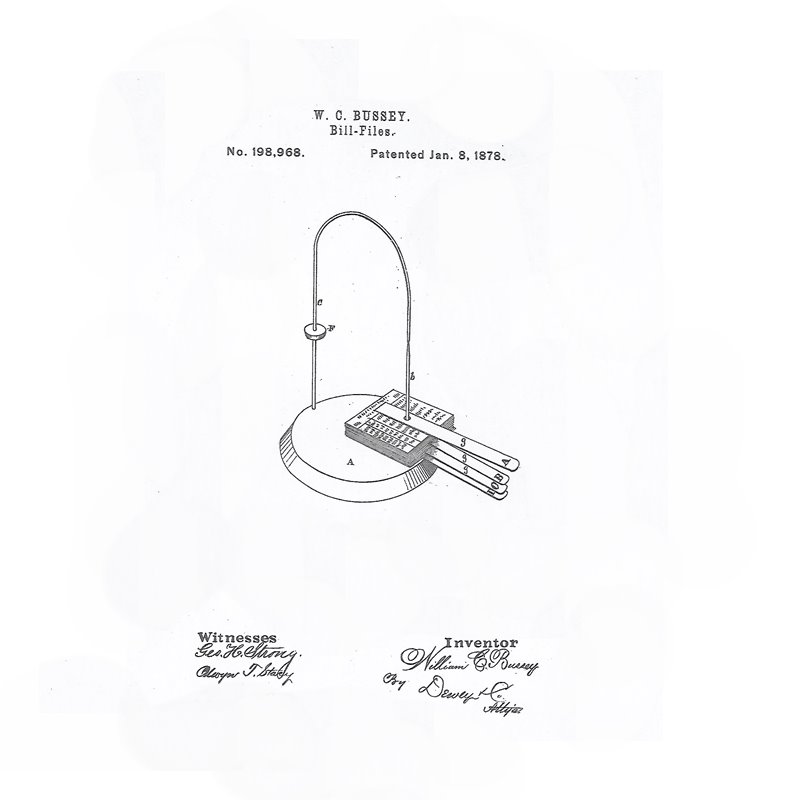
W. C. Bussey Bill-Files (the Shannon Arch File) patent drawing, No. 198,968, January 8, 1878
See it in the 3D museum · Curt’s page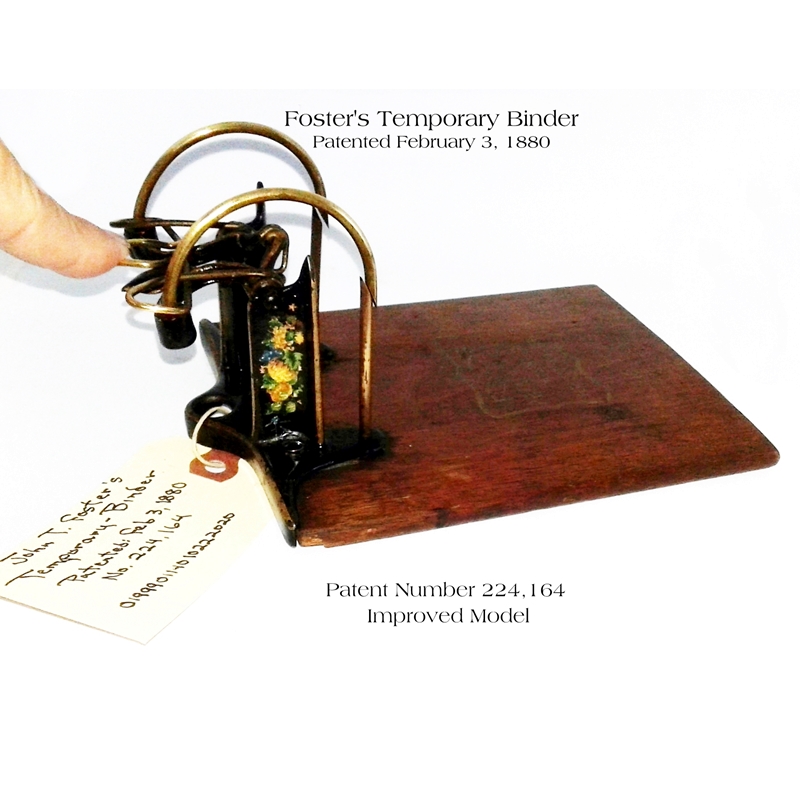
Foster's Temporary Binder, patented February 3, 1880 (improved model, No. 224,164)
See it in the 3D museum · Curt’s page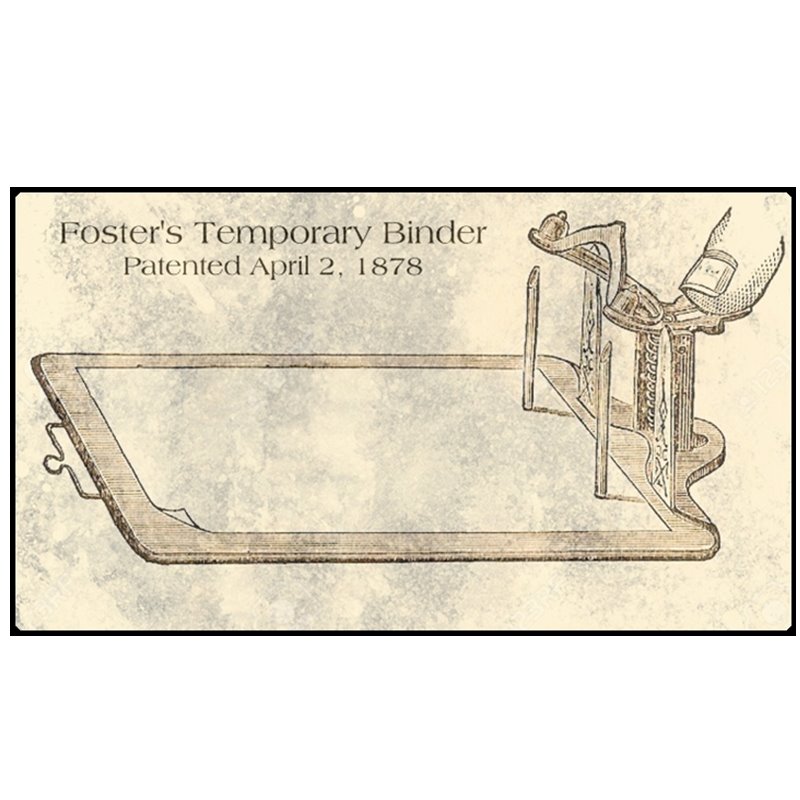
Foster's Temporary Binder, patented April 2, 1878
See it in the 3D museum · Curt’s page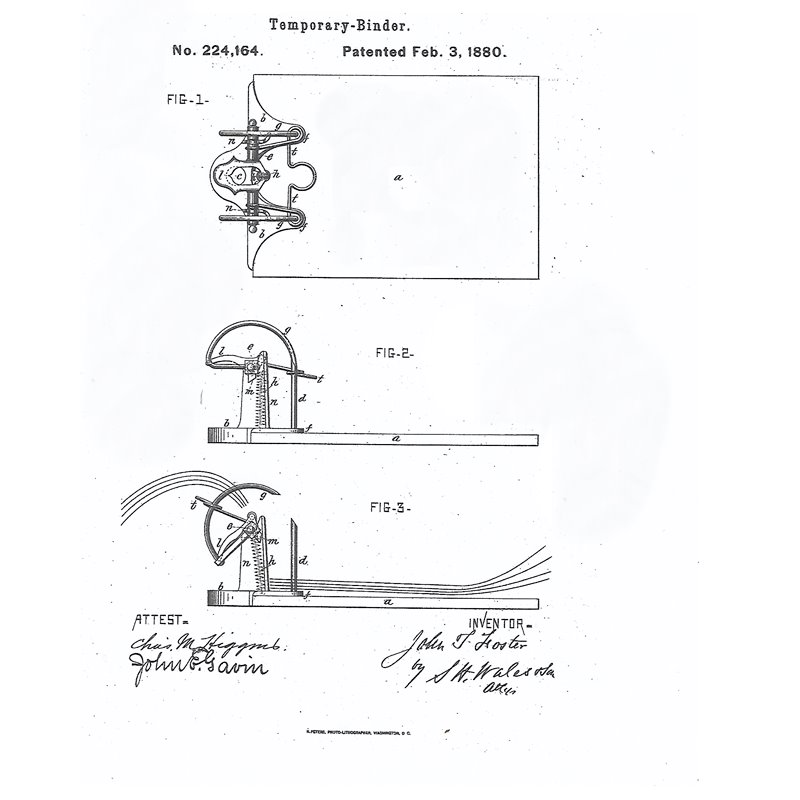
Foster's Temporary Binder patent drawing, No. 224,164, February 3, 1880
See it in the 3D museum · Curt’s page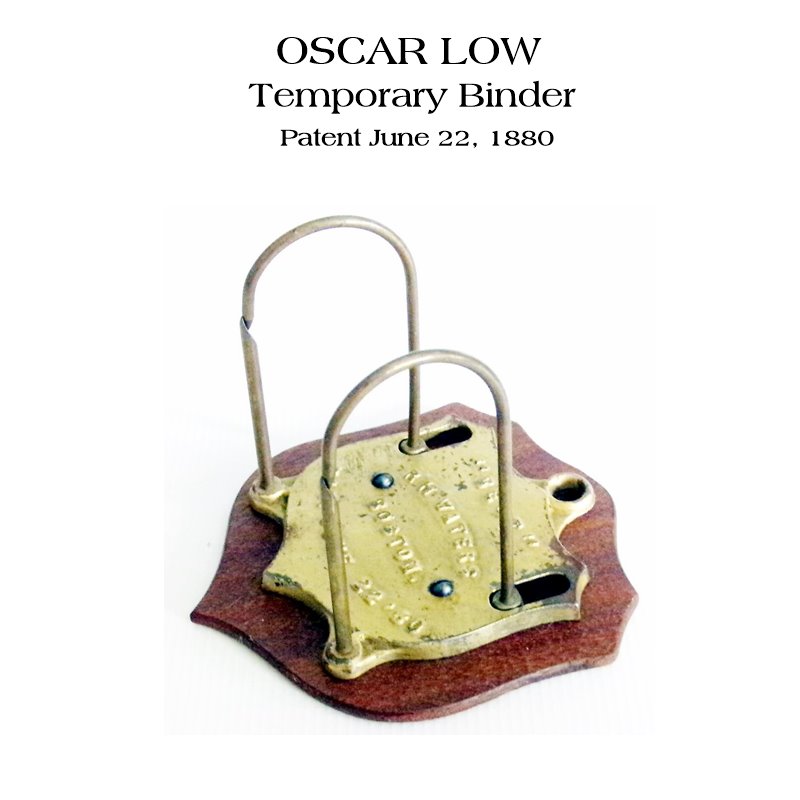
Oscar Low Temporary Binder, patented June 22, 1880
See it in the 3D museum · Curt’s page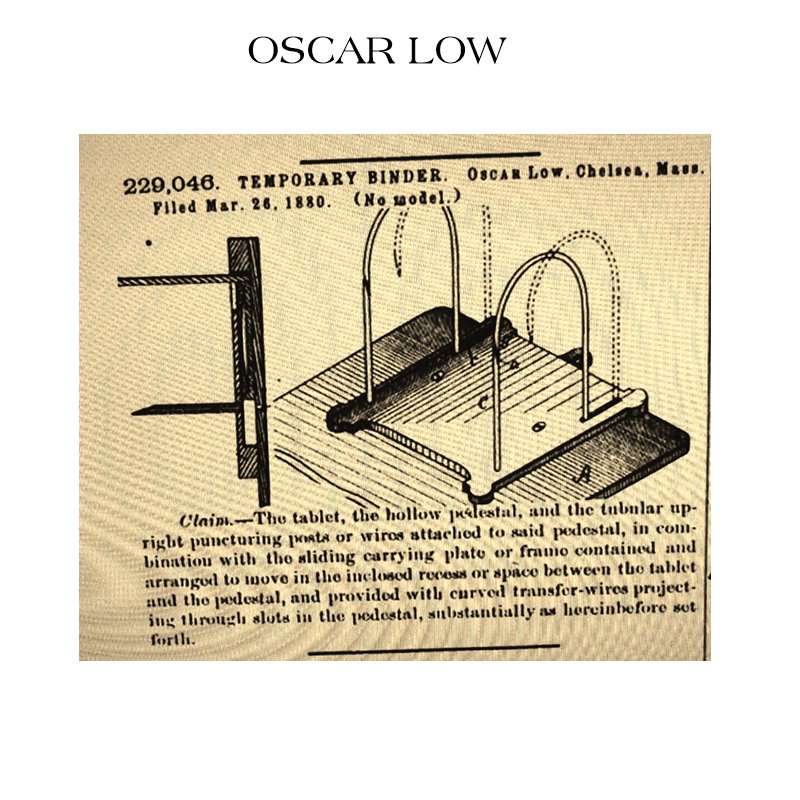
Oscar Low Temporary Binder, No. 229,046, Chelsea, Mass. — Official Gazette engraving, 1880
See it in the 3D museum · Curt’s page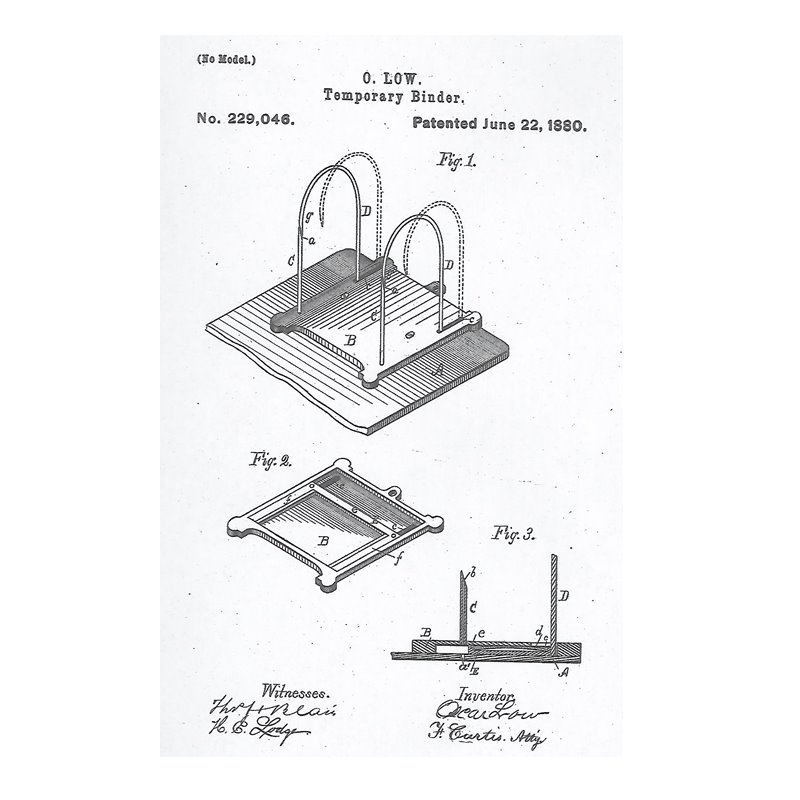
Oscar Low Temporary Binder patent drawing, No. 229,046, June 22, 1880
See it in the 3D museum · Curt’s page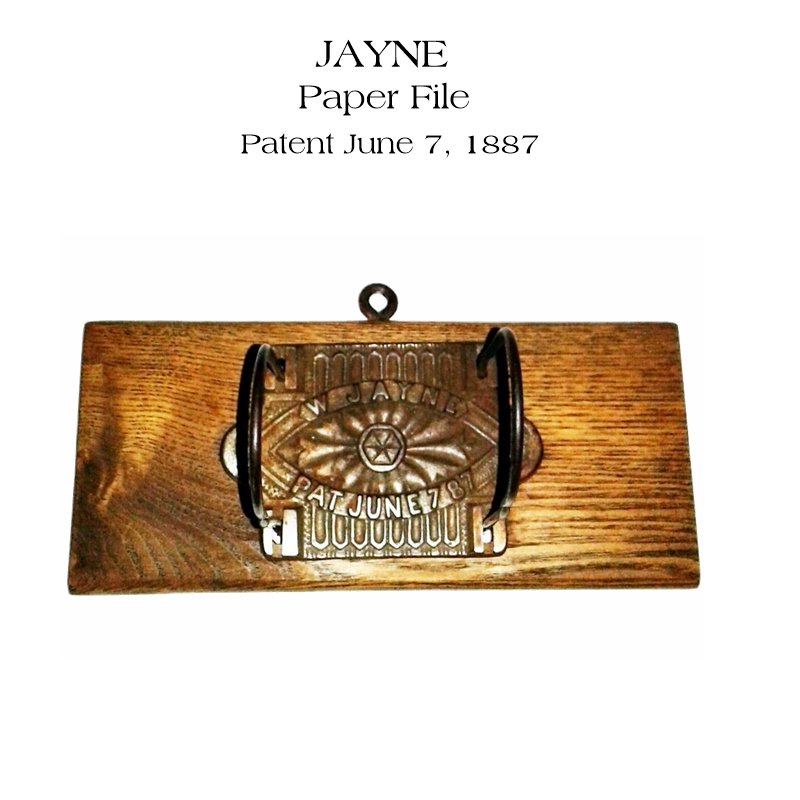
Jayne Paper File, patented June 7, 1887
See it in the 3D museum · Curt’s page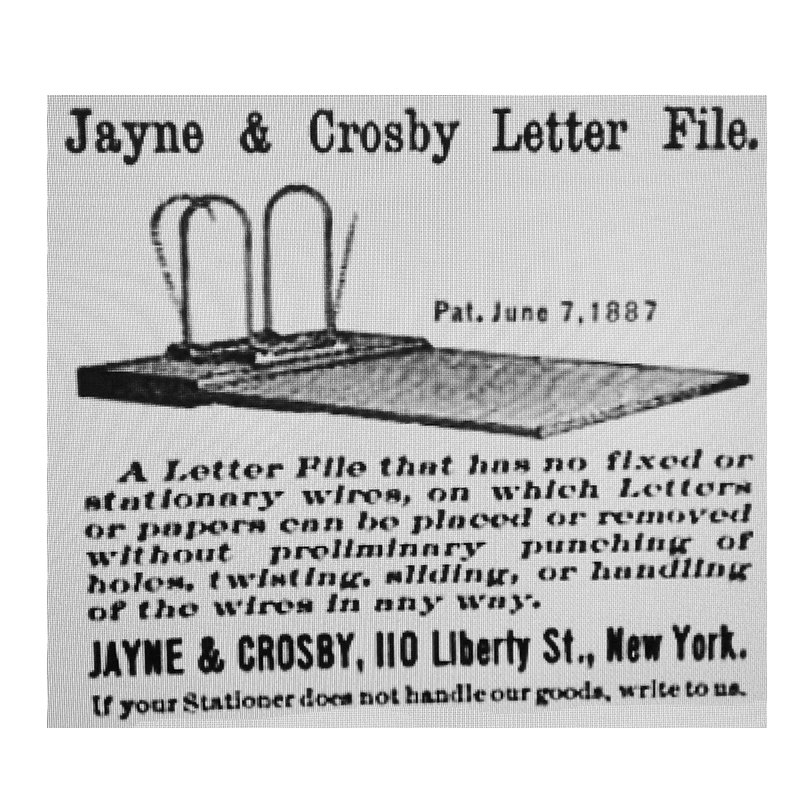
Jayne & Crosby Letter File advertisement, New York, patented June 7, 1887
See it in the 3D museum · Curt’s page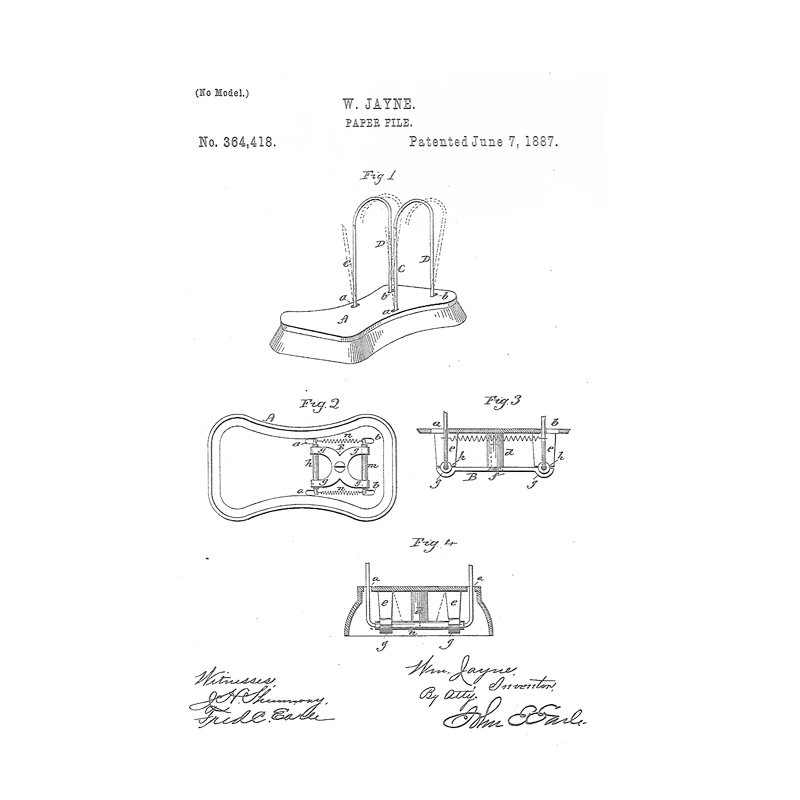
W. Jayne Paper File patent drawing, No. 364,418, June 7, 1887
See it in the 3D museum · Curt’s page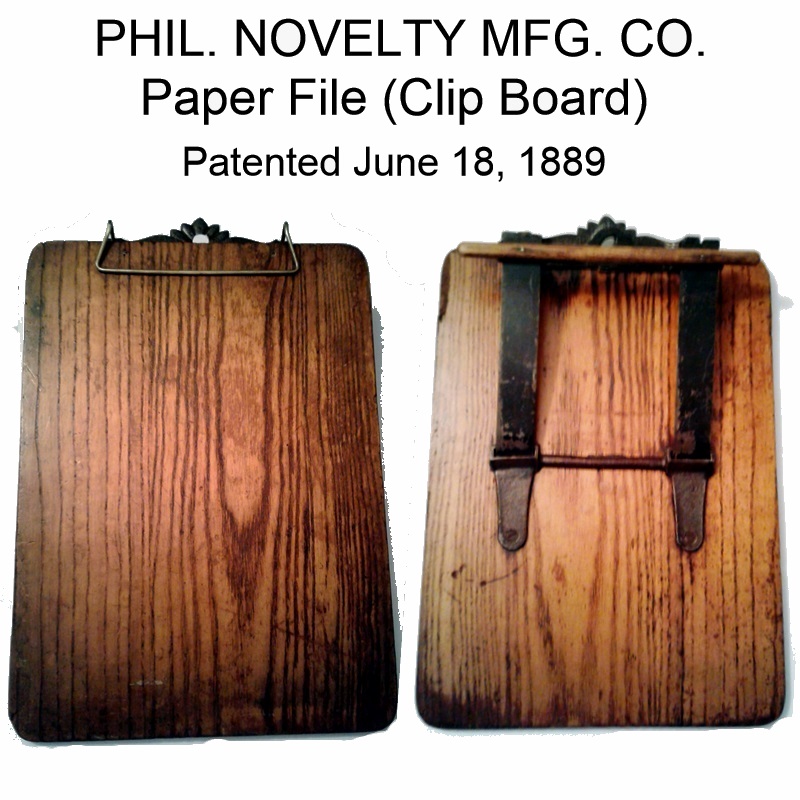
Philadelphia Novelty Mfg. Co. Paper File (clip board), patented June 18, 1889
See it in the 3D museum · Curt’s page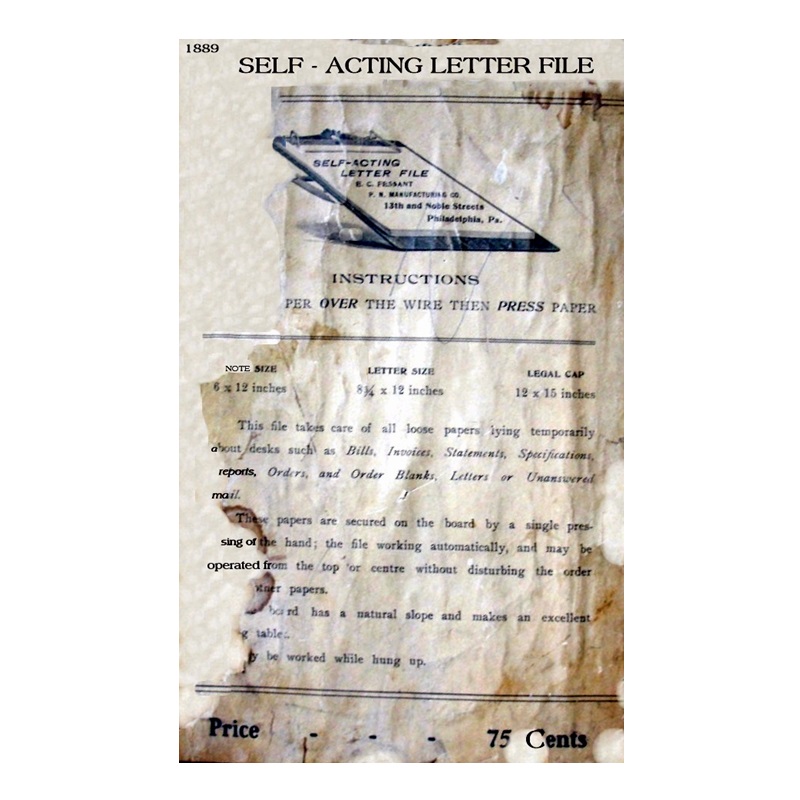
Self-Acting Letter File instruction sheet, F. N. Manufacturing Co., Philadelphia, 1889
See it in the 3D museum · Curt’s page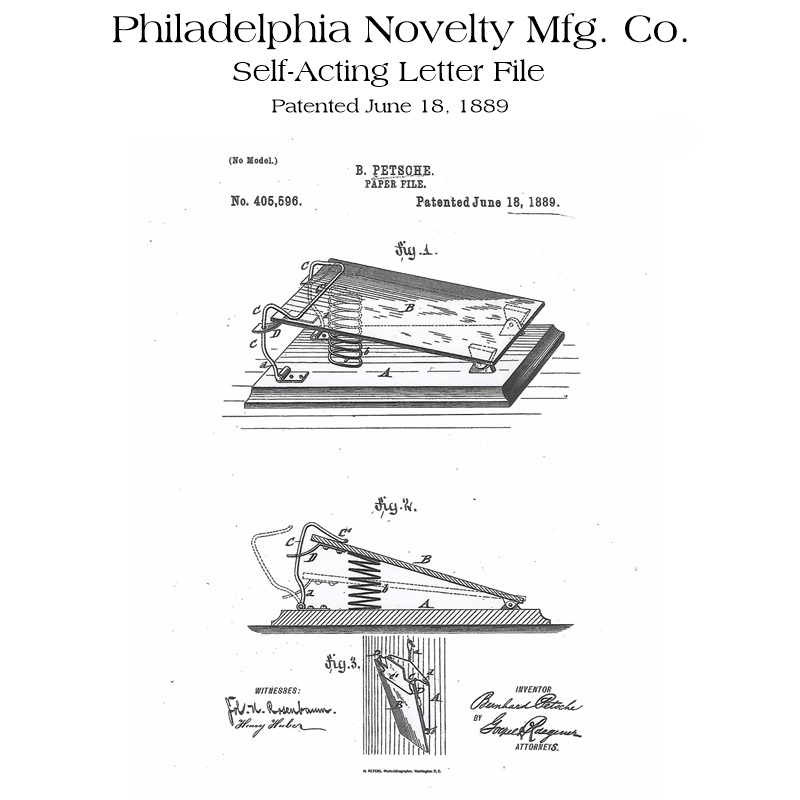
B. Petsche Paper File (the Philadelphia Novelty Self-Acting Letter File) patent drawing, No. 405,596, June 18, 1889
See it in the 3D museum · Curt’s page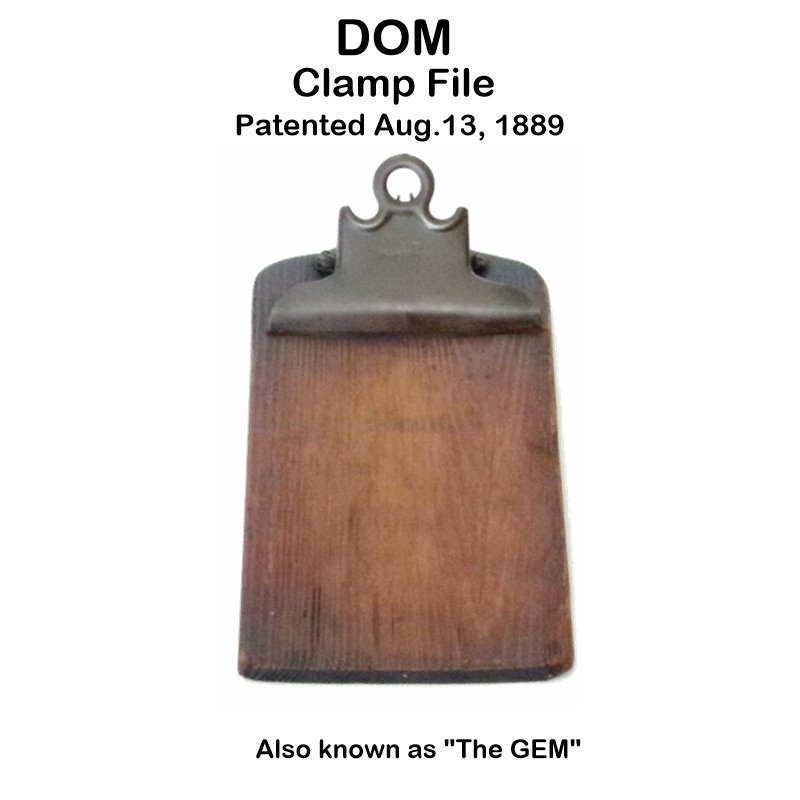
Dom Clamp File, patented August 13, 1889, also known as “The Gem”
See it in the 3D museum · Curt’s page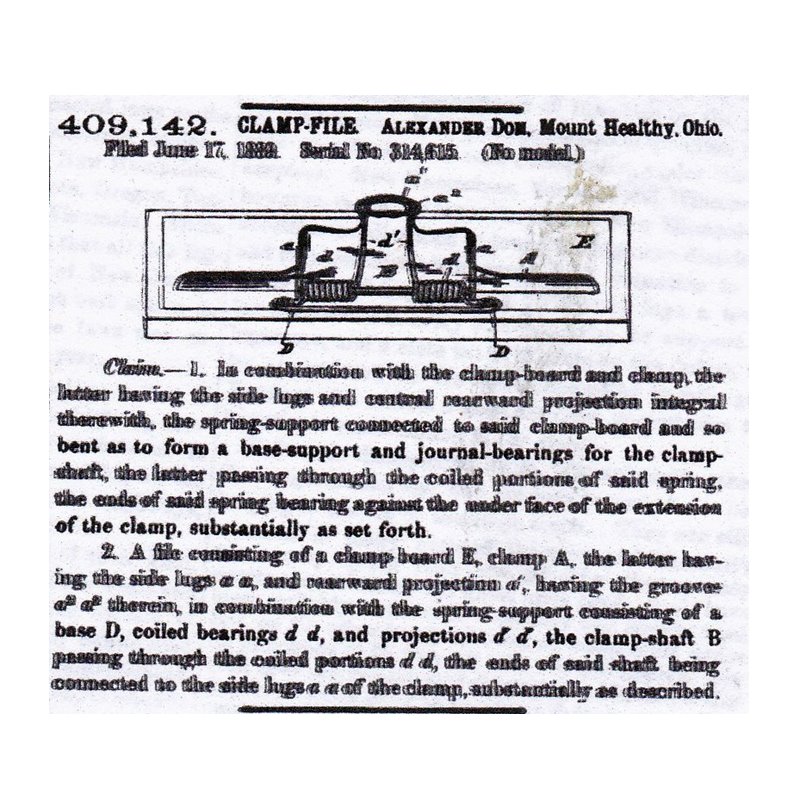
Alexander Dom Clamp-File, No. 409,142, Mount Healthy, Ohio — Official Gazette engraving, 1889
See it in the 3D museum · Curt’s page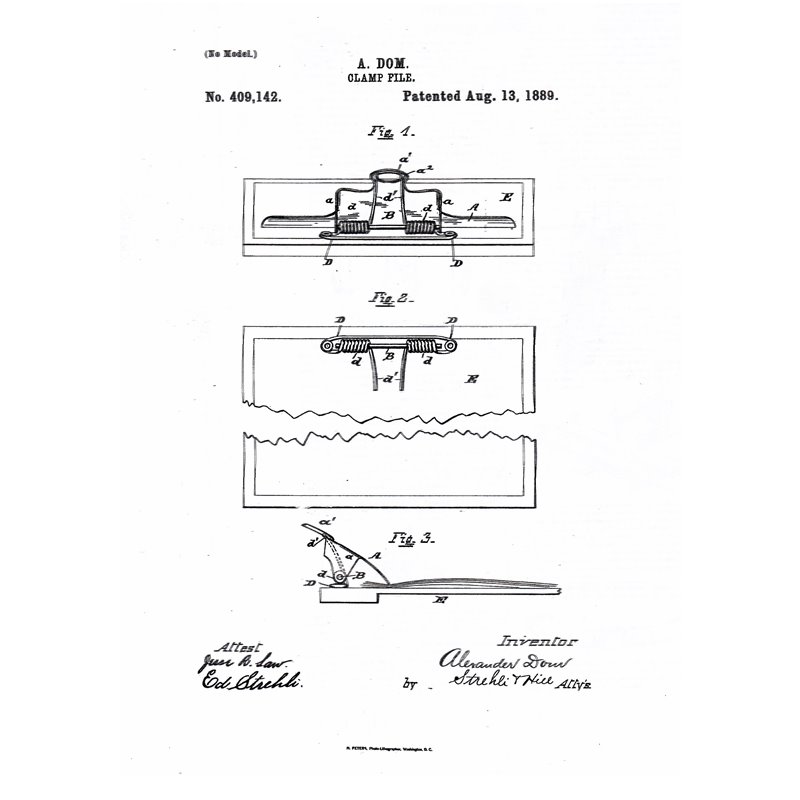
A. Dom Clamp File patent drawing, No. 409,142, August 13, 1889
See it in the 3D museum · Curt’s page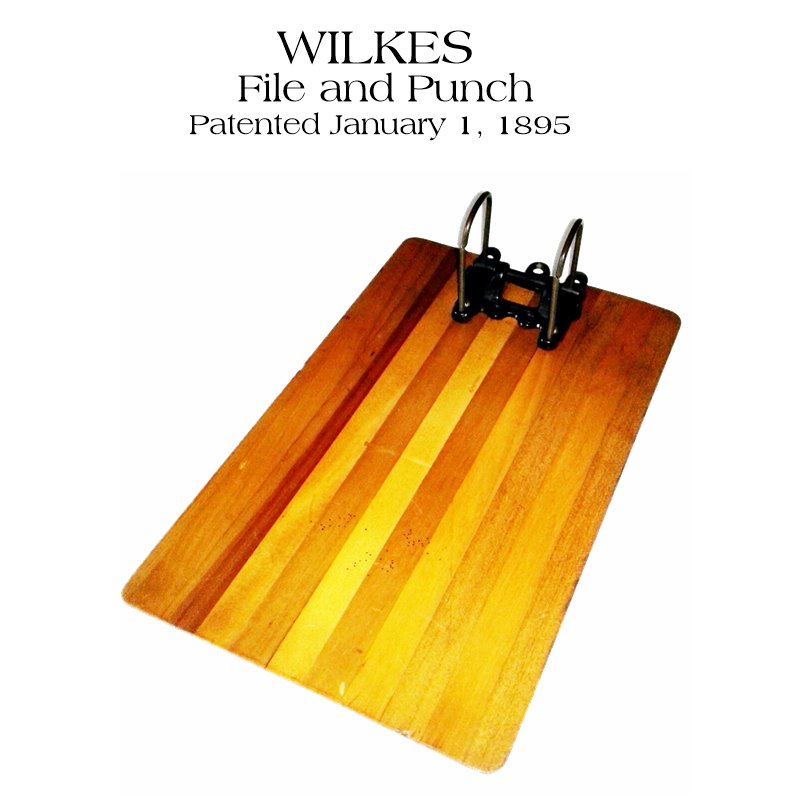
Wilkes File and Punch, patented January 1, 1895
See it in the 3D museum · Curt’s page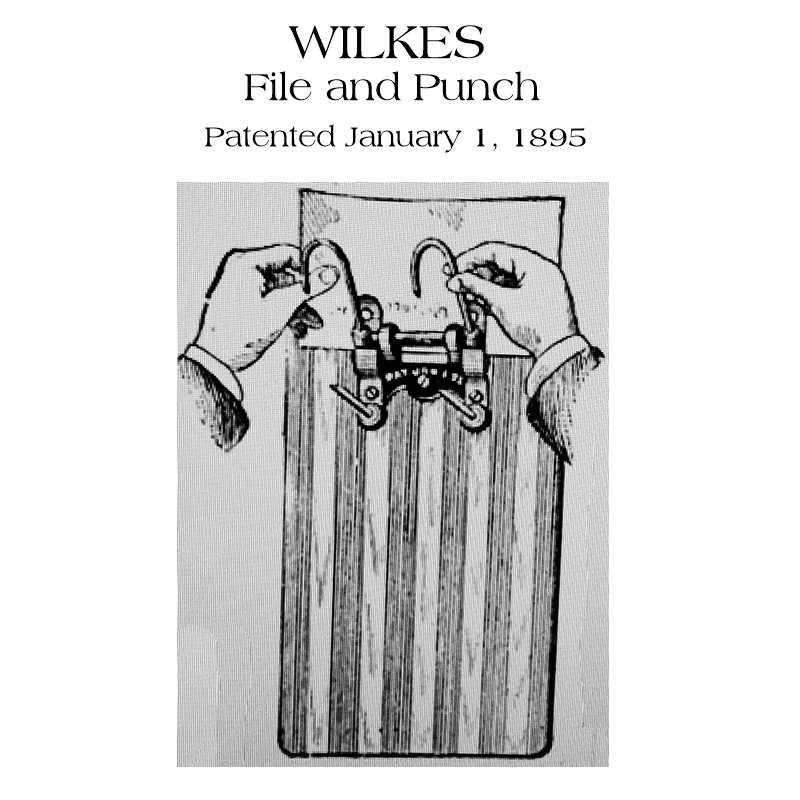
Wilkes File and Punch, shown in use, patented January 1, 1895
See it in the 3D museum · Curt’s page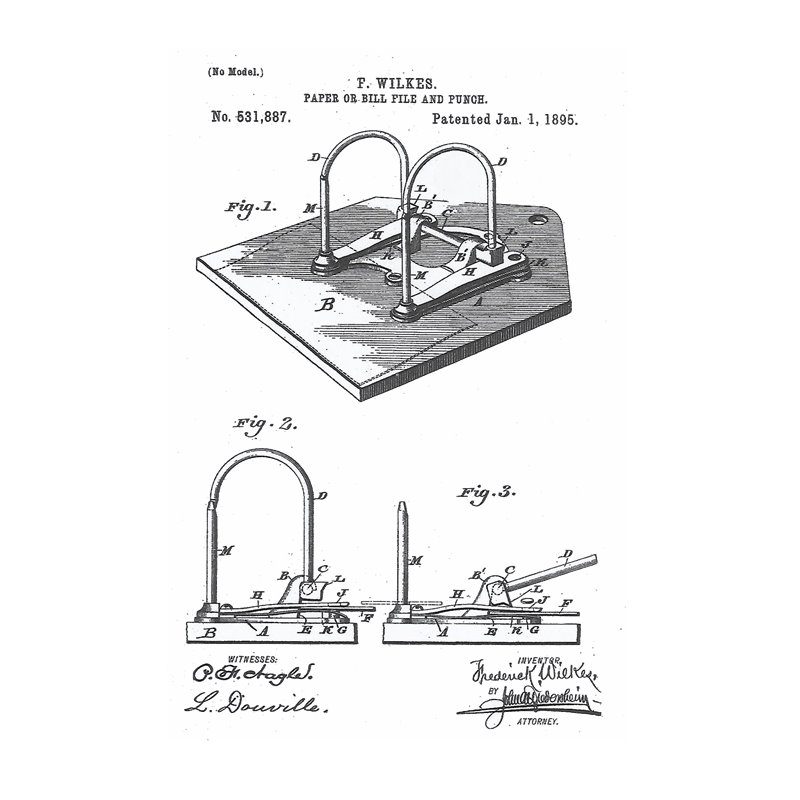
F. Wilkes Paper or Bill File and Punch patent drawing, No. 531,887, January 1, 1895
See it in the 3D museum · Curt’s page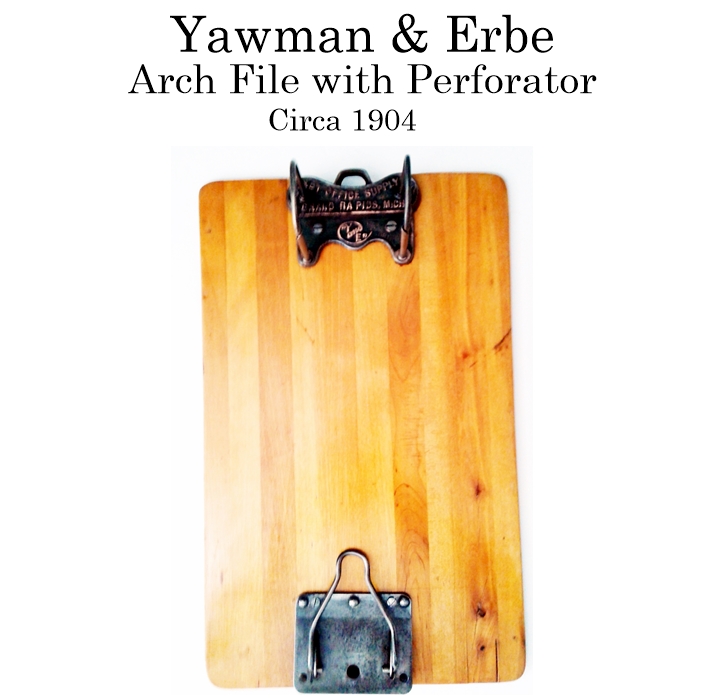
Yawman & Erbe Arch File with Perforator, circa 1904
See it in the 3D museum · Curt’s page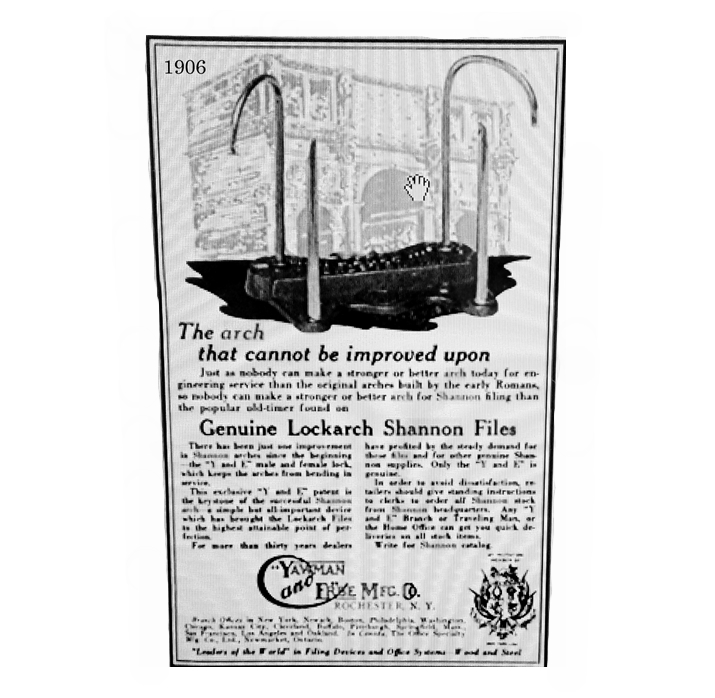
Yawman & Erbe “Genuine Lockarch Shannon Files” advertisement, Rochester, 1906
See it in the 3D museum · Curt’s page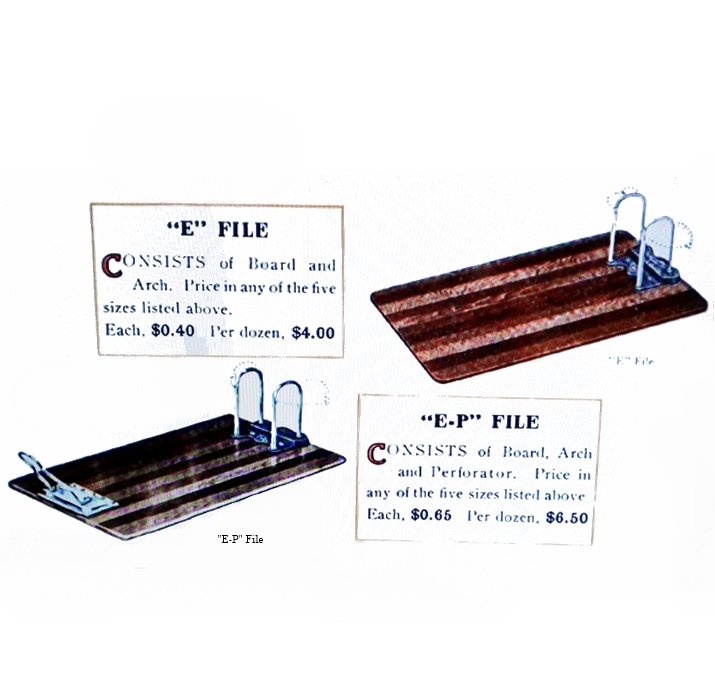
Yawman & Erbe “E” File and “E-P” File, from the catalogue
See it in the 3D museum · Curt’s page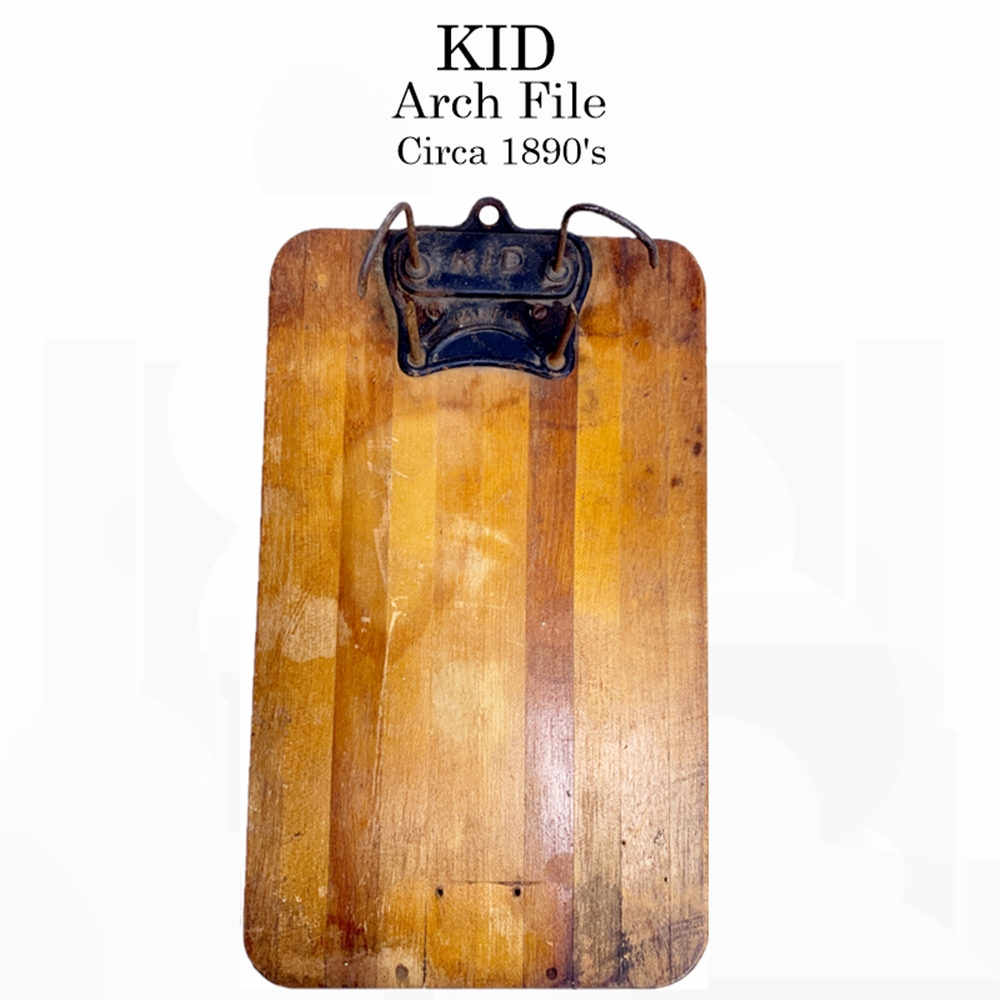
KiD Arch File 1890
See it in the 3D museum · Curt’s page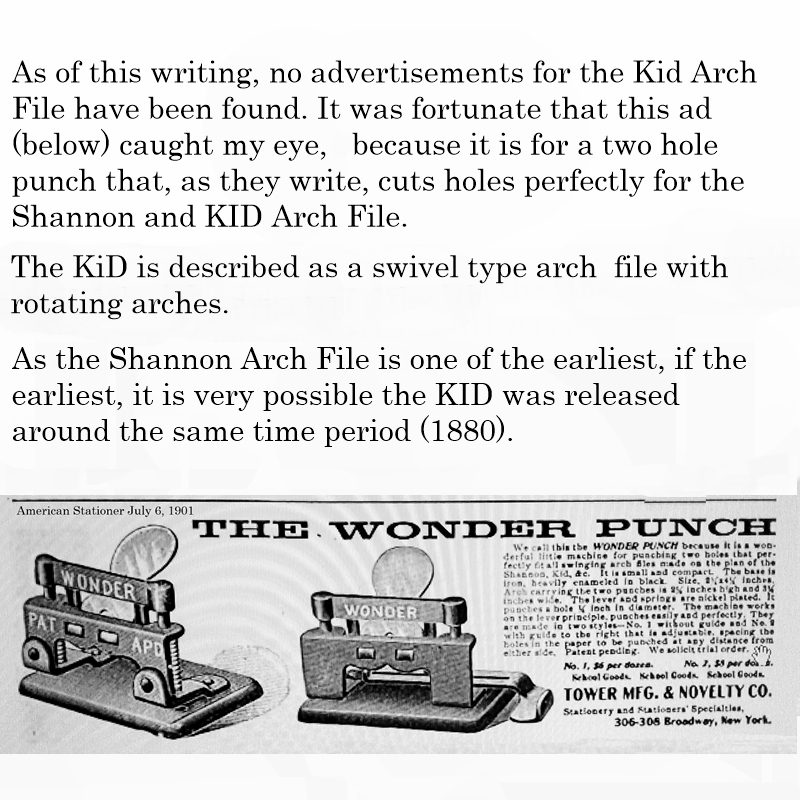
KiD Arch File 1890
See it in the 3D museum · Curt’s page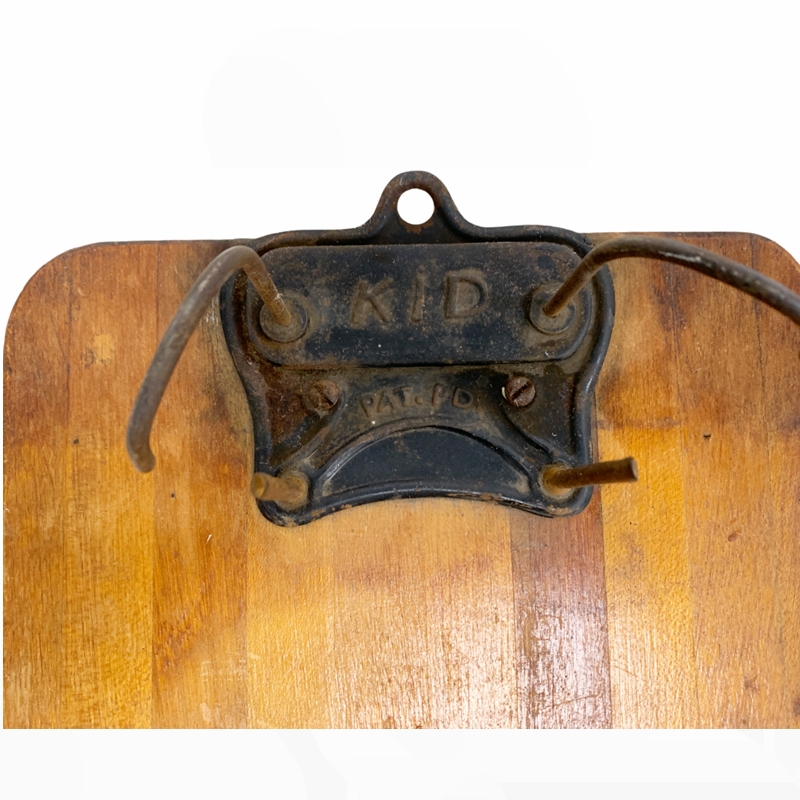
KiD Arch File 1890
See it in the 3D museum · Curt’s page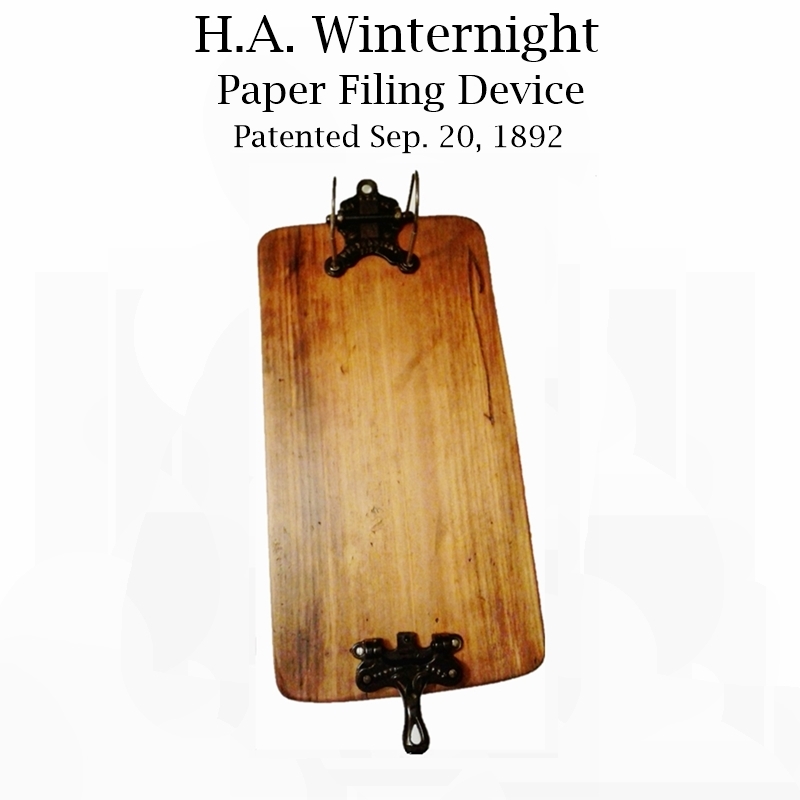
Winternight Arch File 1892
See it in the 3D museum · Curt’s page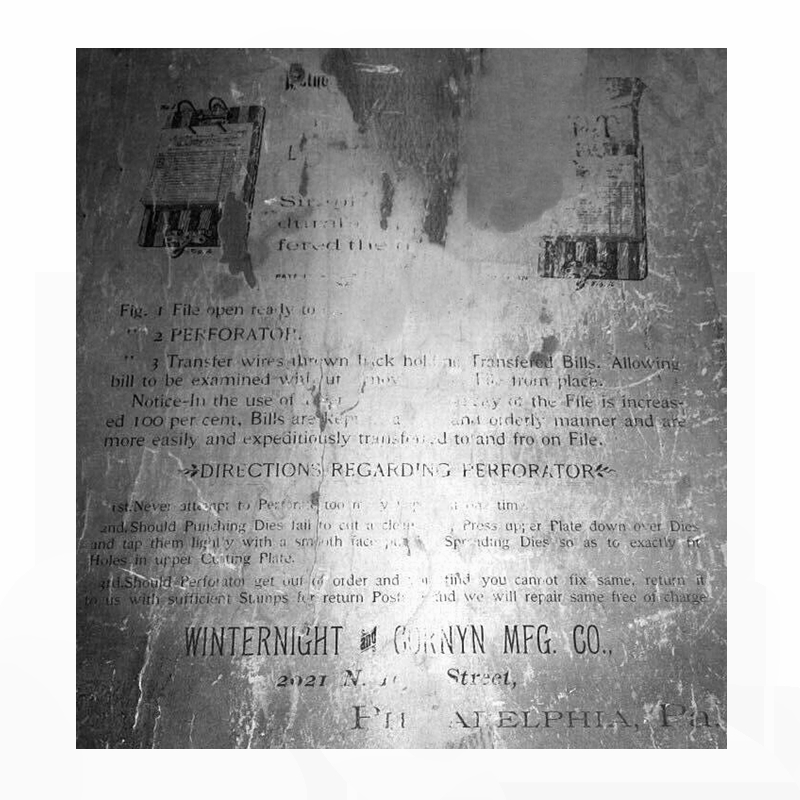
Winternight Arch File 1892
See it in the 3D museum · Curt’s page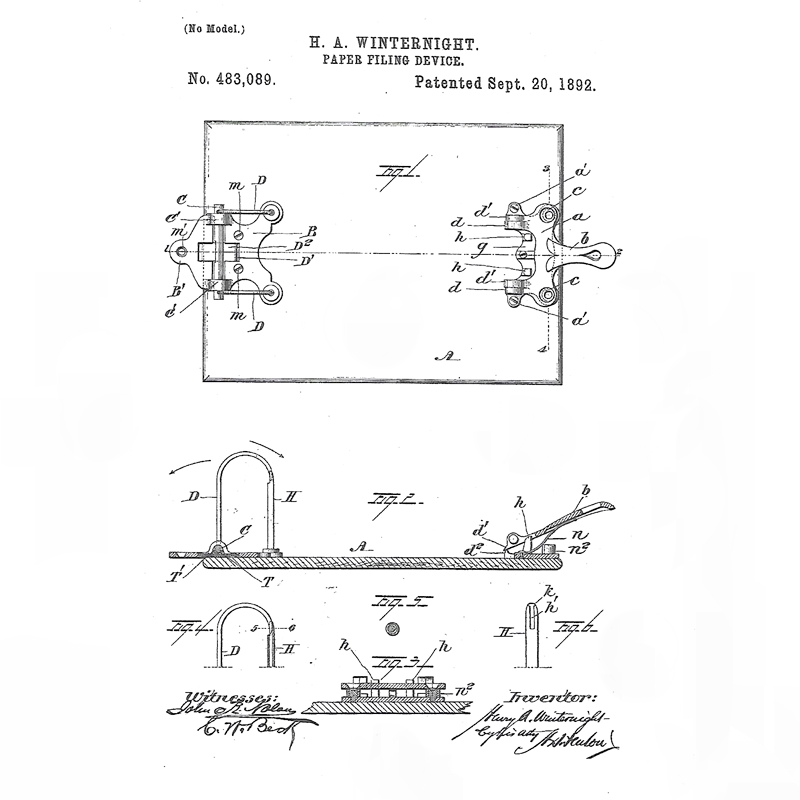
Winternight Arch File 1892
See it in the 3D museum · Curt’s page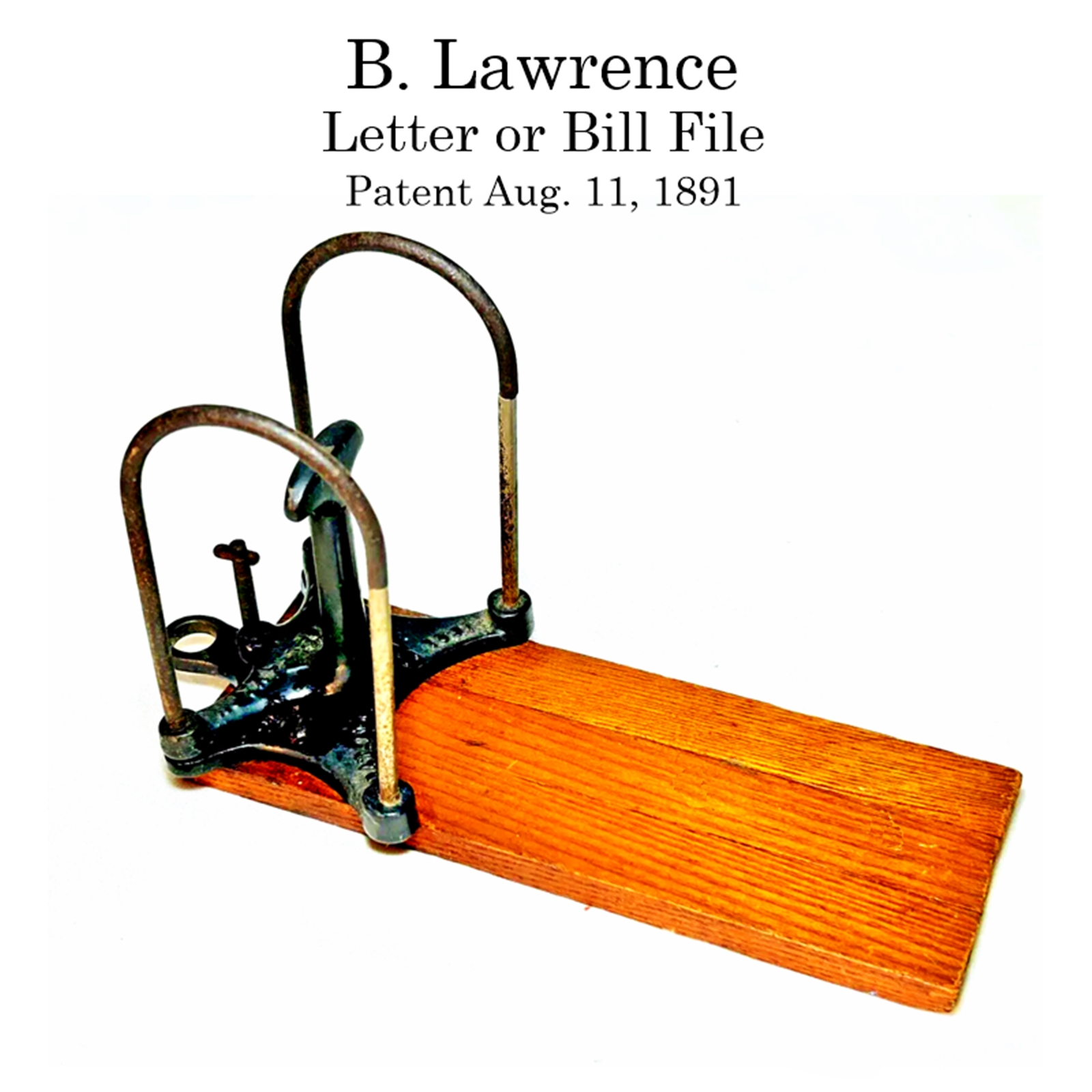
Lawrence Arch File 1891
See it in the 3D museum · Curt’s page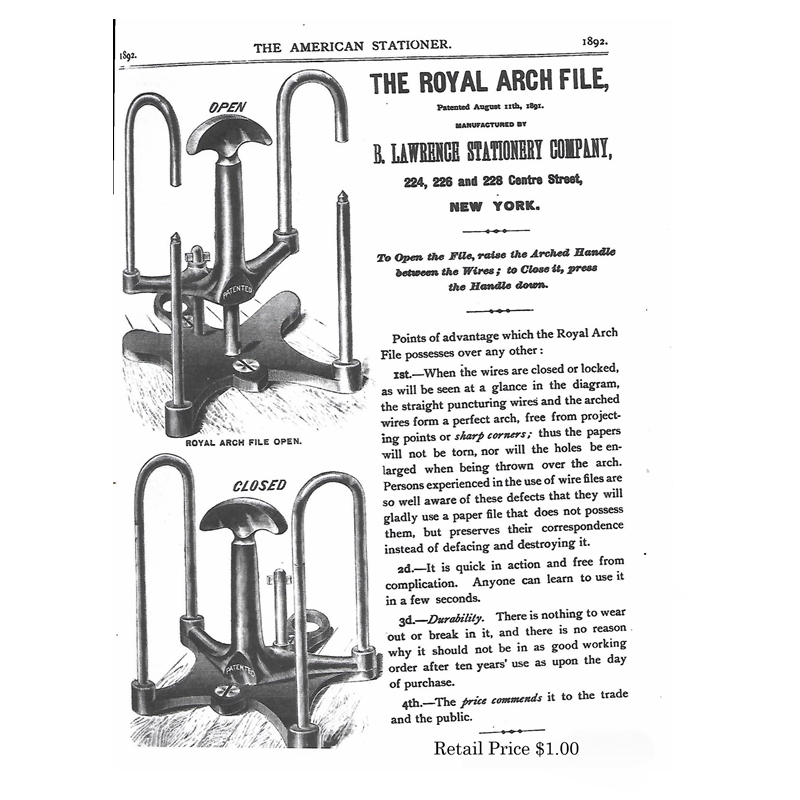
Lawrence Arch File 1891
See it in the 3D museum · Curt’s page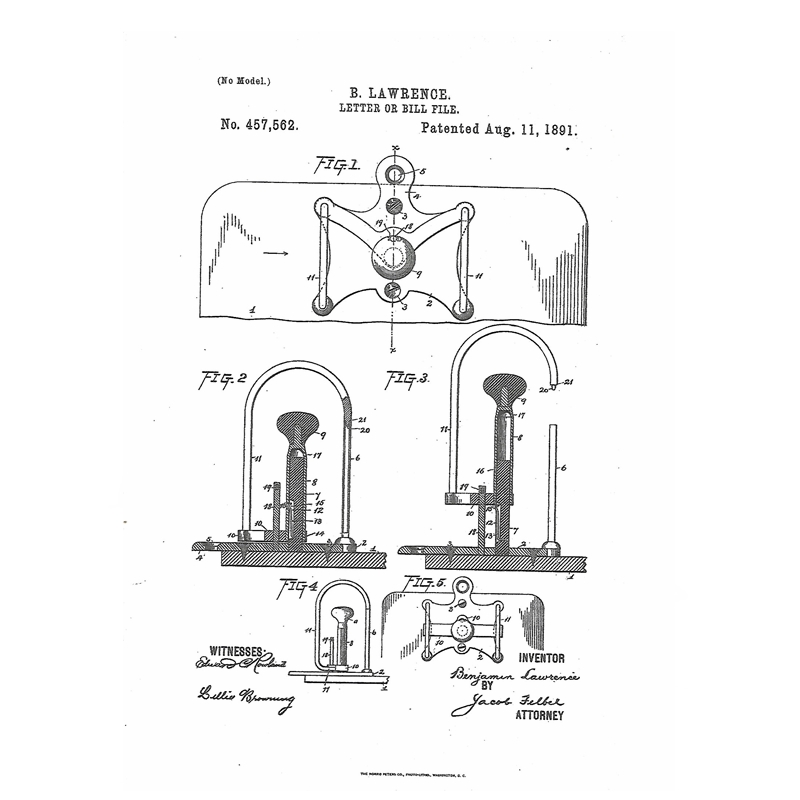
Lawrence Arch File 1891
See it in the 3D museum · Curt’s page


Paper Clips
We call them paper clips, but years ago they went by other names. In 1845 an inventor named Whitehouse called them letter clips or bill clips. These office tools have been with up since at least 1845 and not much has changed in their design and purpose. The development of paper clips really took off in the early 1900's with very little change from the original design.
See this gallery in the 3D museum · Curt’s page for Paper Clips
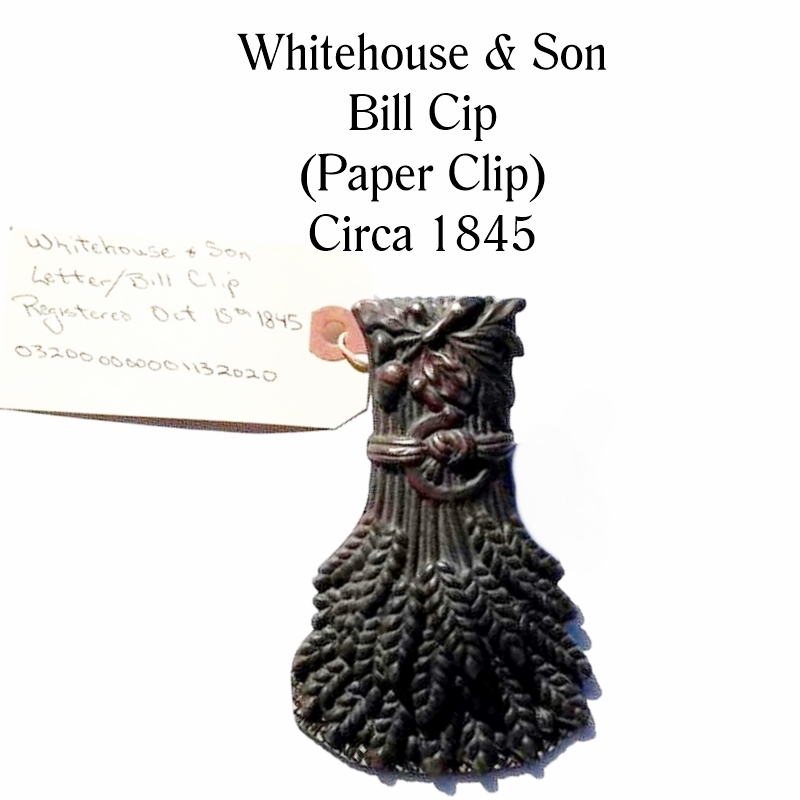
Whitehouse & Son Bill Clip (letter and bill clip), registered October 15, 1845
See it in the 3D museum · Curt’s page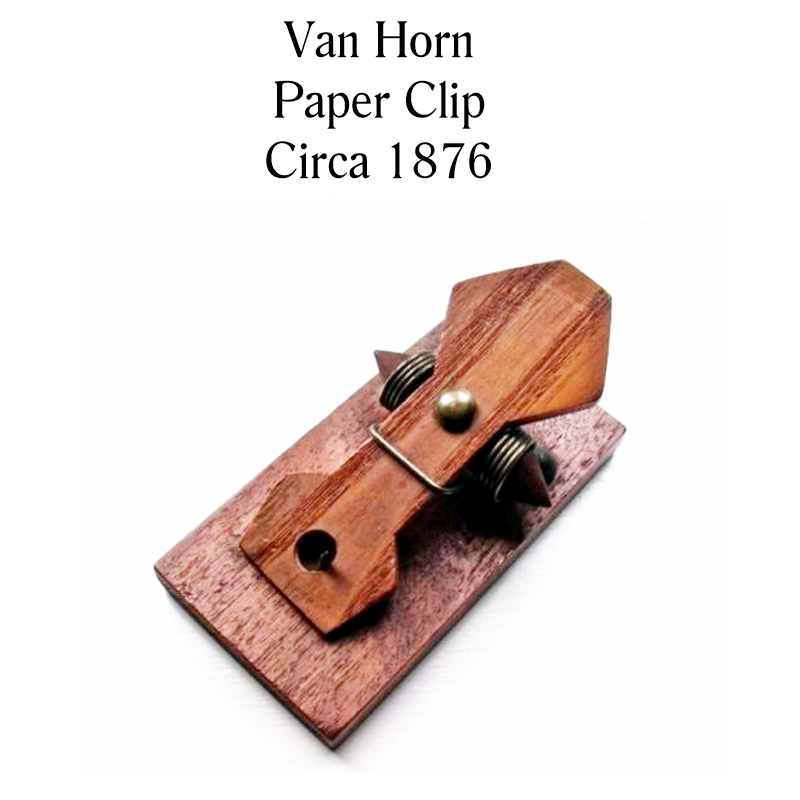
Van Horn Paper Clip, circa 1876
See it in the 3D museum · Curt’s page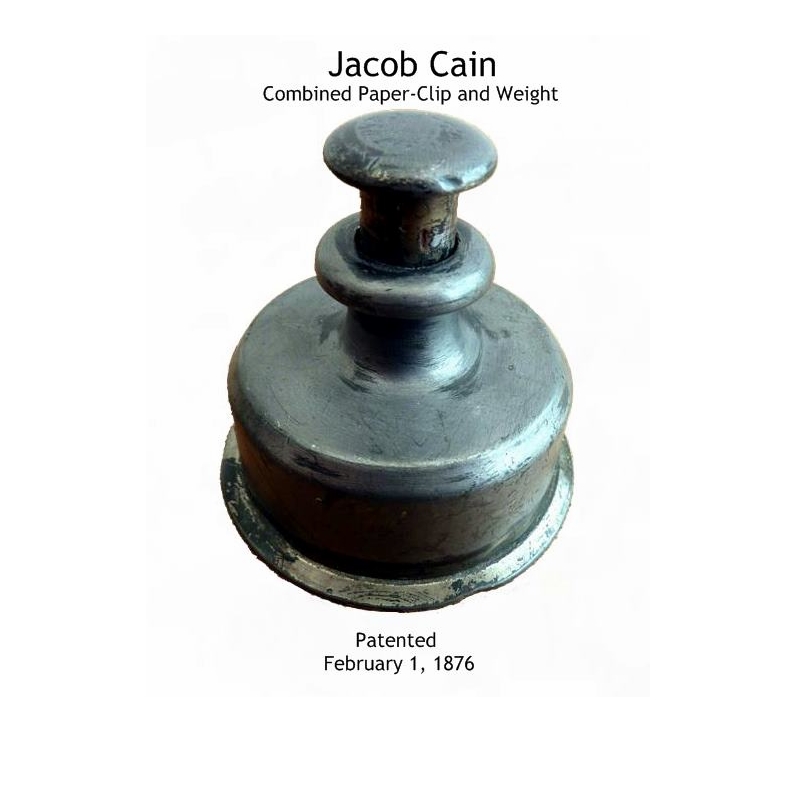
Jacob Cain Combined Paper-Clip and Weight, patented February 1, 1876
See it in the 3D museum · Curt’s page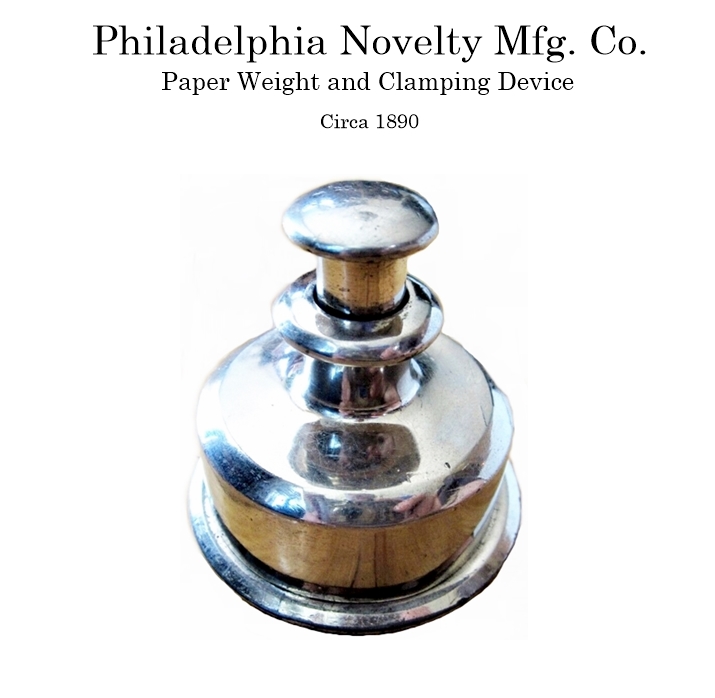
Philadelphia Novelty Mfg. Co. Paper Weight and Clamping Device, circa 1890
See it in the 3D museum · Curt’s page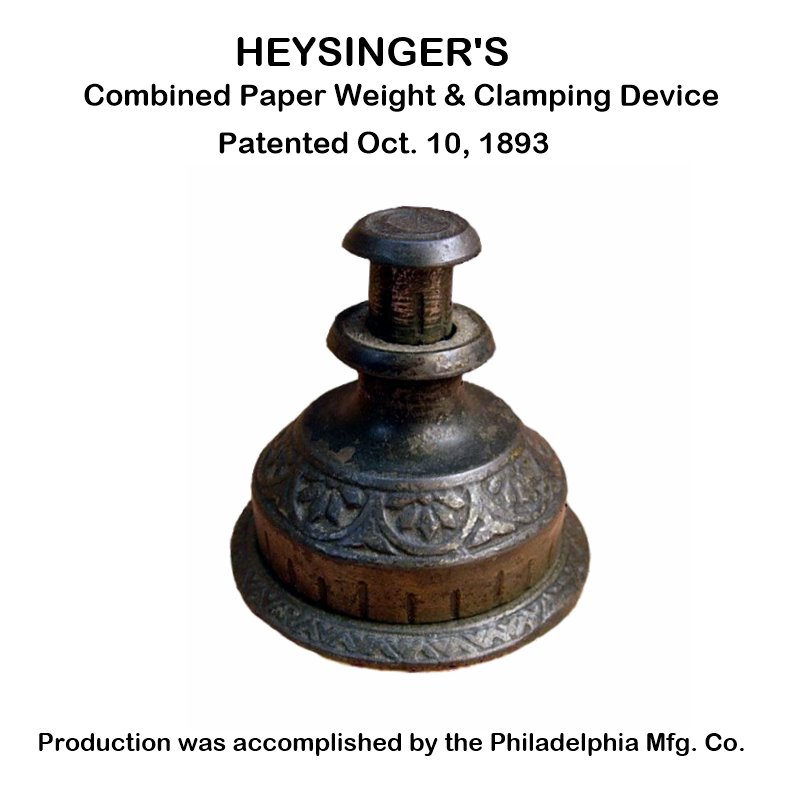
Heysinger's Combined Paper Weight and Clamping Device, patented October 10, 1893, made by the Philadelphia Mfg. Co.
See it in the 3D museum · Curt’s page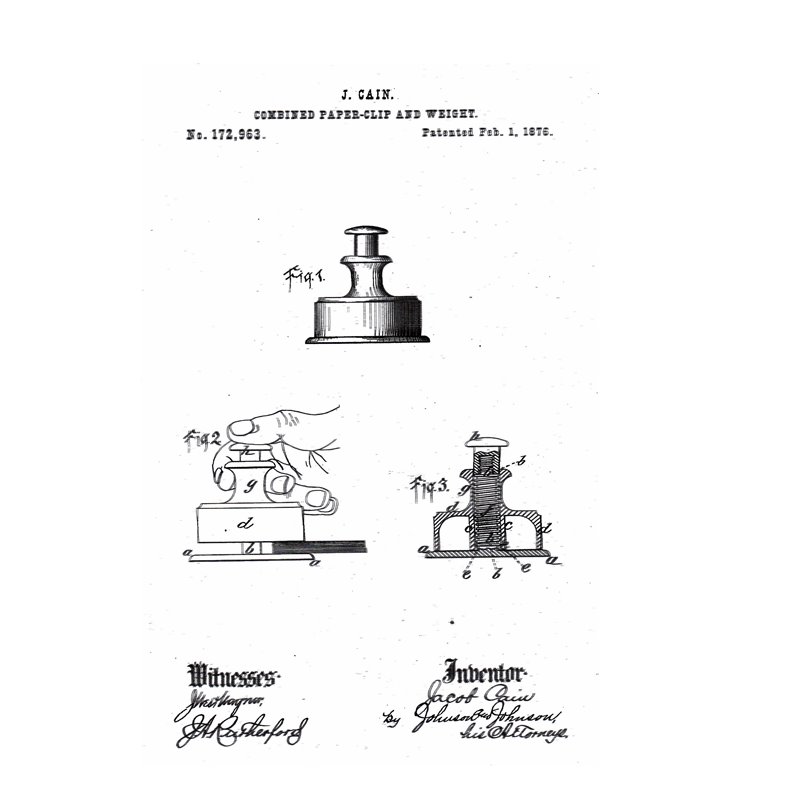
Jacob Cain Combined Paper-Clip and Weight patent drawing, No. 172,963, February 1, 1876
See it in the 3D museum · Curt’s page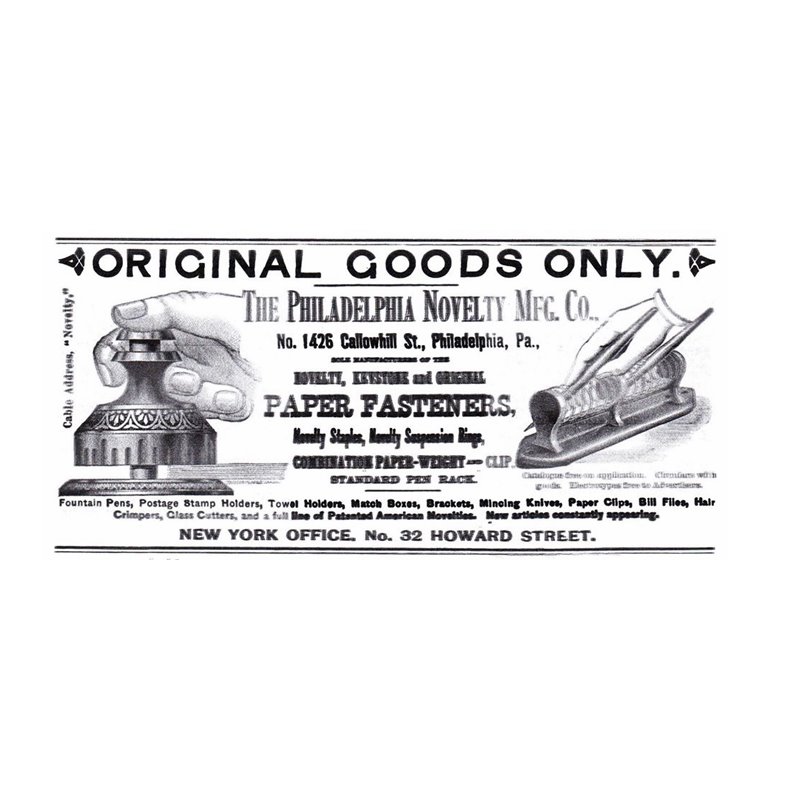
The Philadelphia Novelty Mfg. Co. advertisement, Philadelphia: paper fasteners and the combination paper-weight clip
See it in the 3D museum · Curt’s page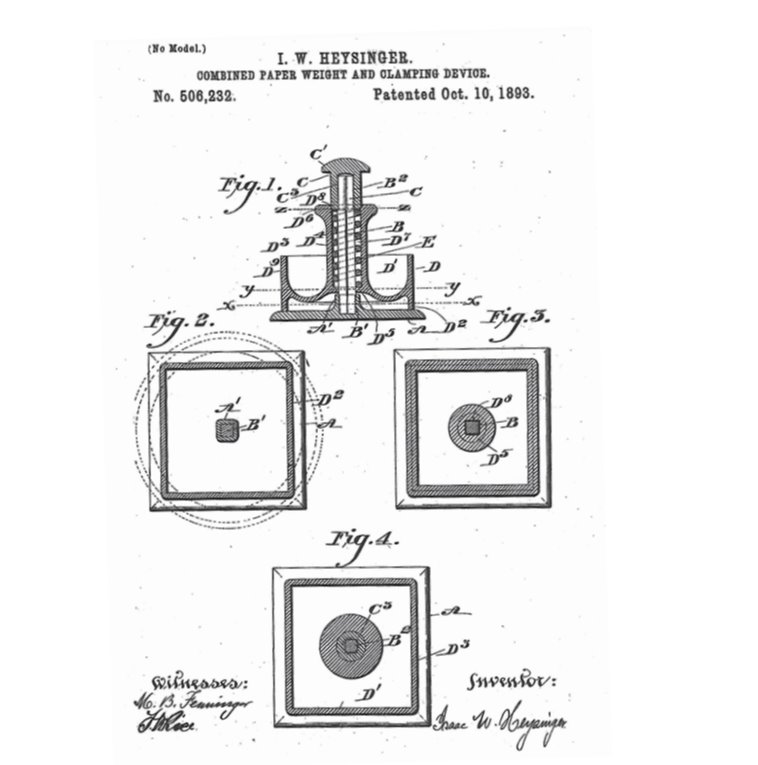
Heysinger Combined Paper Weight and Clamping Device patent drawing, No. 506,232, October 10, 1893
See it in the 3D museum · Curt’s page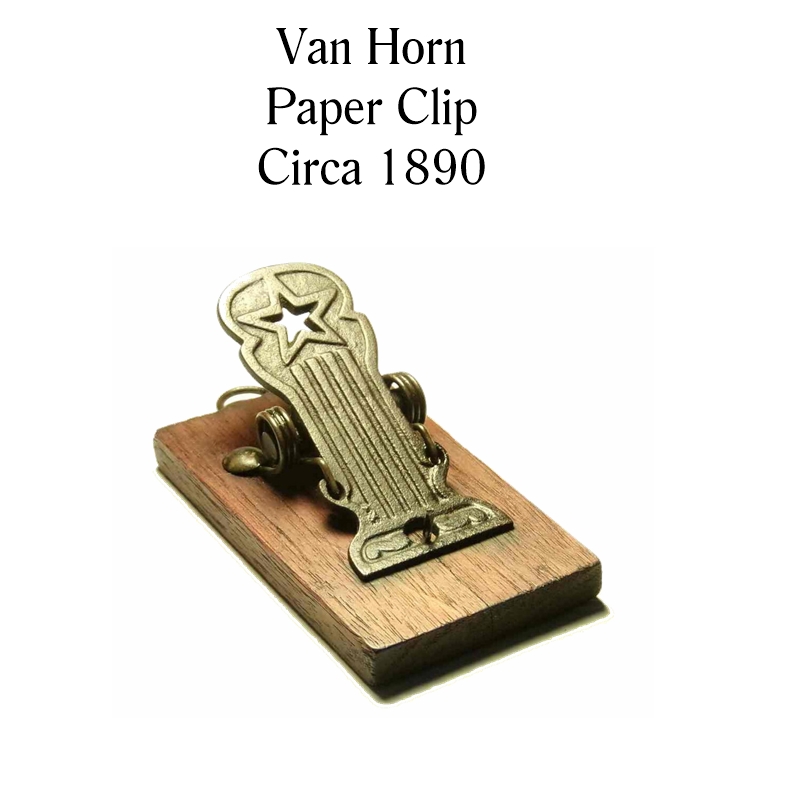
Van Horn Paper Clip, circa 1890
See it in the 3D museum · Curt’s page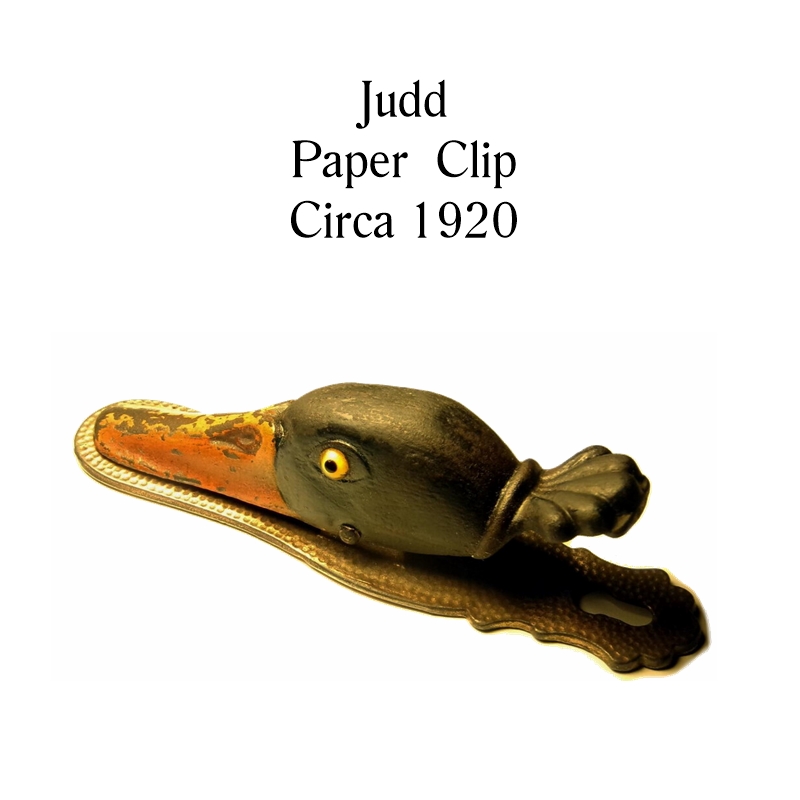
Judd Paper Clip, a duck's head, circa 1920
See it in the 3D museum · Curt’s page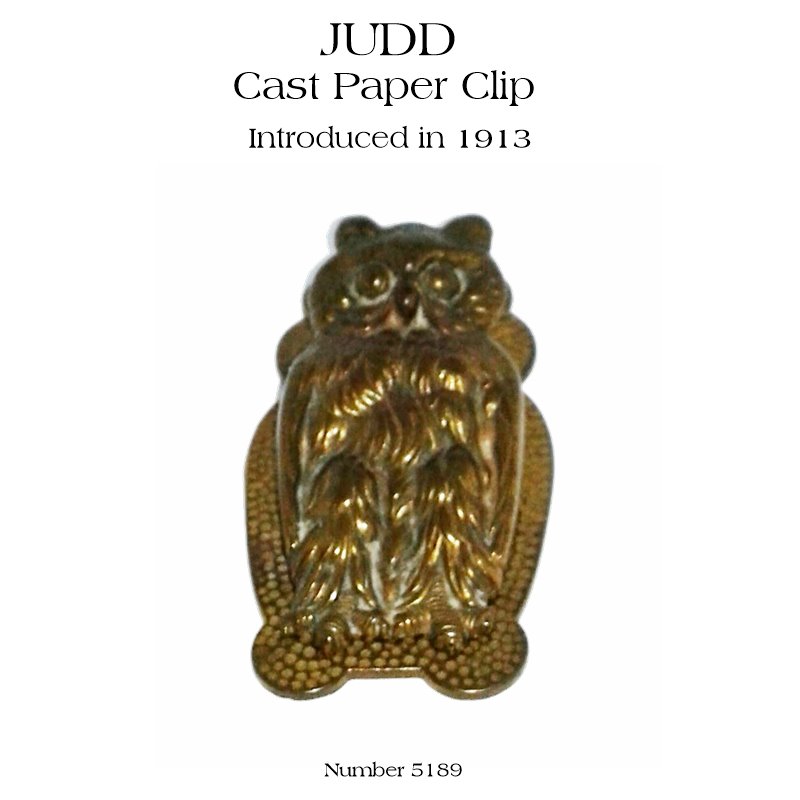
Judd cast paper clip, an owl, No. 5189, introduced 1913
See it in the 3D museum · Curt’s page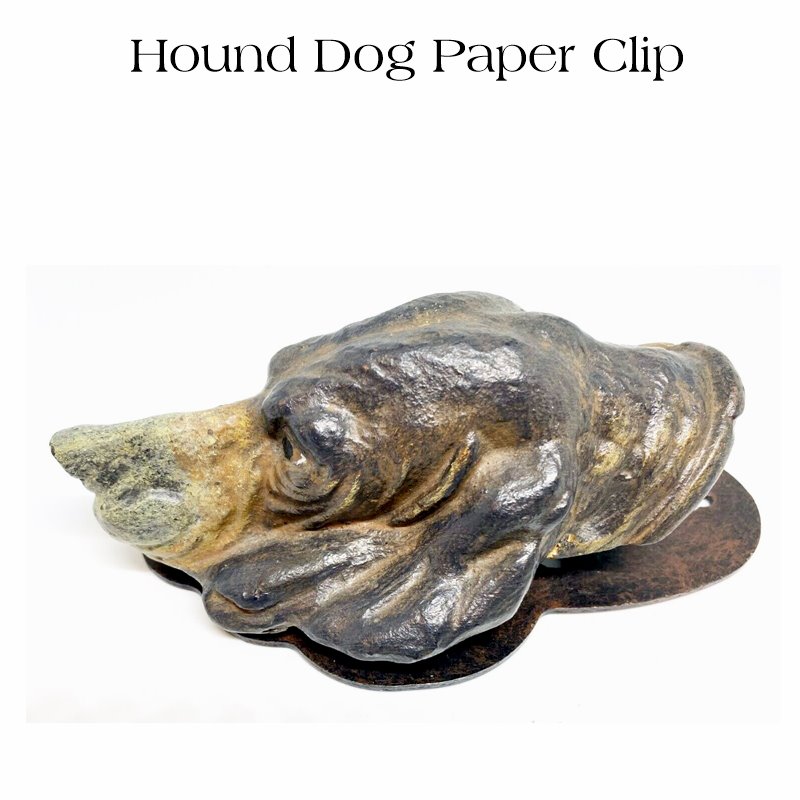
Hound Dog Paper Clip
See it in the 3D museum · Curt’s page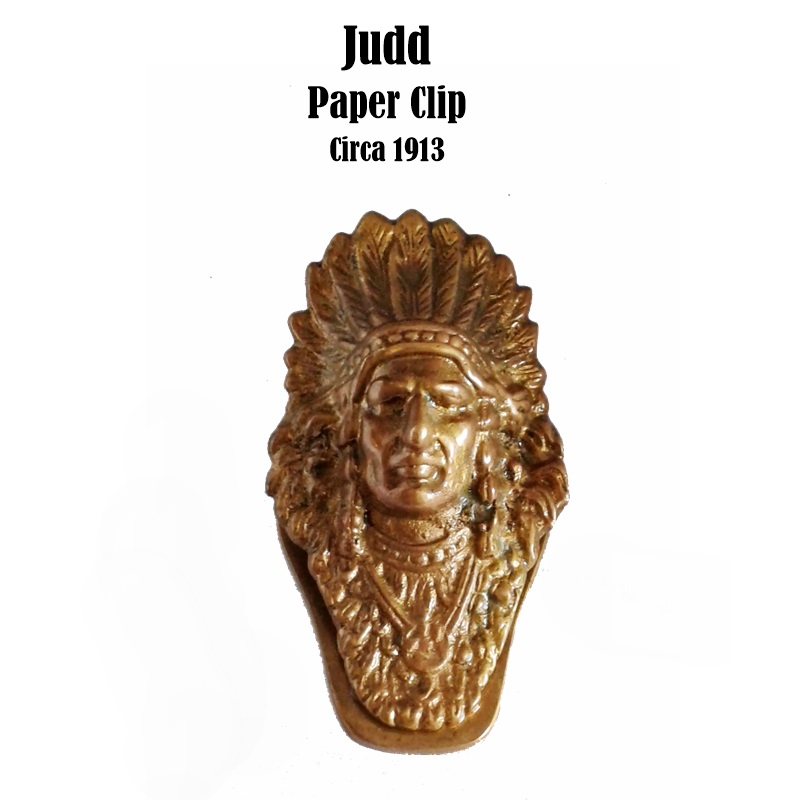
Judd Paper Clip, a figural head, circa 1913
See it in the 3D museum · Curt’s page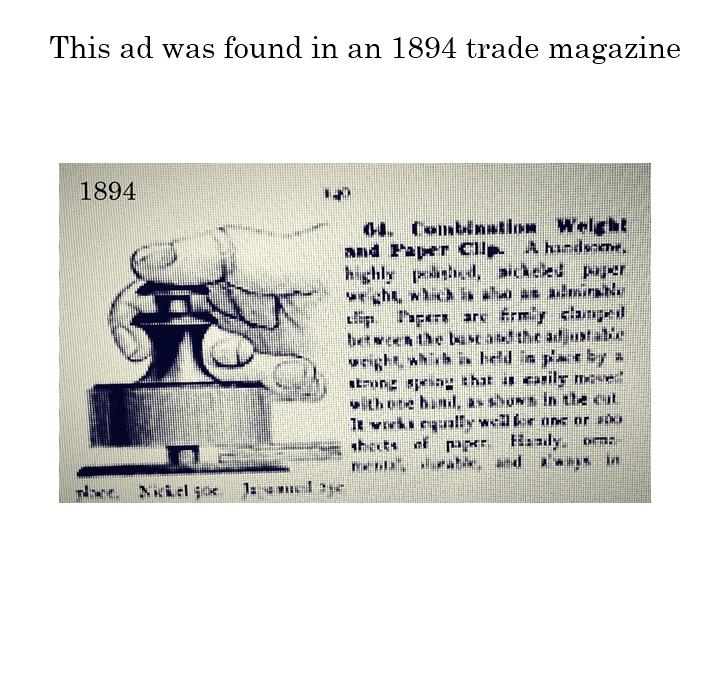
Combination Weight and Paper Clip advertisement, an 1894 trade magazine
See it in the 3D museum · Curt’s page


Bill Spikes
Bill Spikes, also known as Spindles and sometimes even, Temporary Files have been found on the office desk since the mid to late 1800's. They had their place in the office and suprising, still do. New reproductions can be found today.
See this gallery in the 3D museum · Curt’s page for Bill Spikes
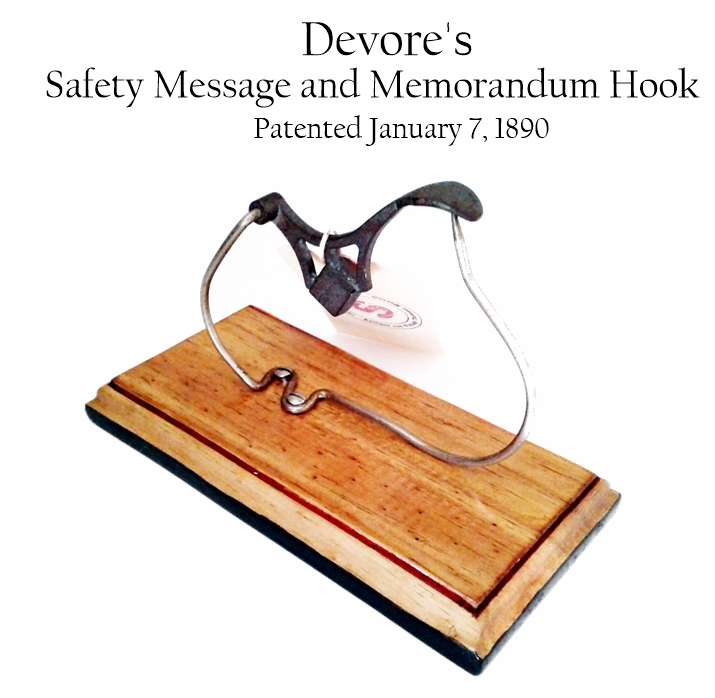
Devore's Safety Message and Memorandum Hook, patented January 7, 1890
See it in the 3D museum · Curt’s page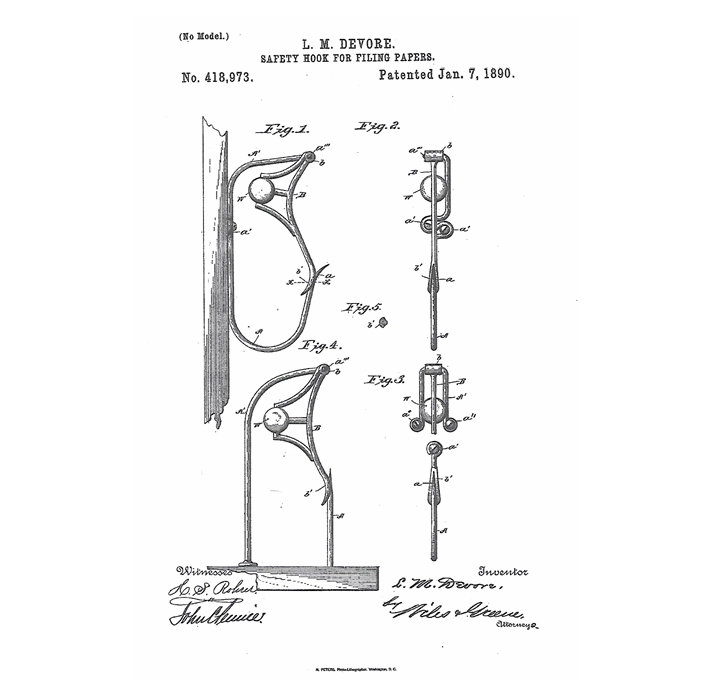
Devore Safety Hook for Filing Papers patent drawing, No. 418,973, January 7, 1890
See it in the 3D museum · Curt’s page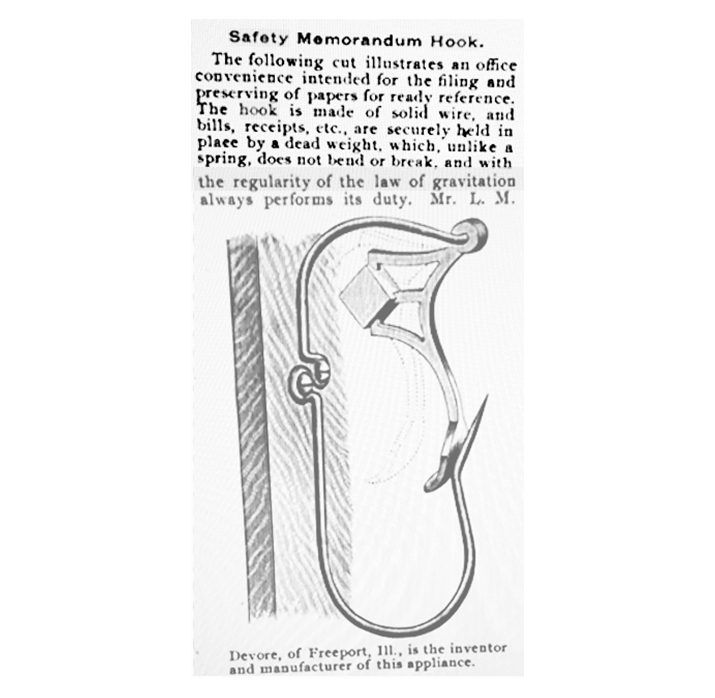
Devore Safety Memorandum Hook advertisement, Freeport, Illinois
See it in the 3D museum · Curt’s page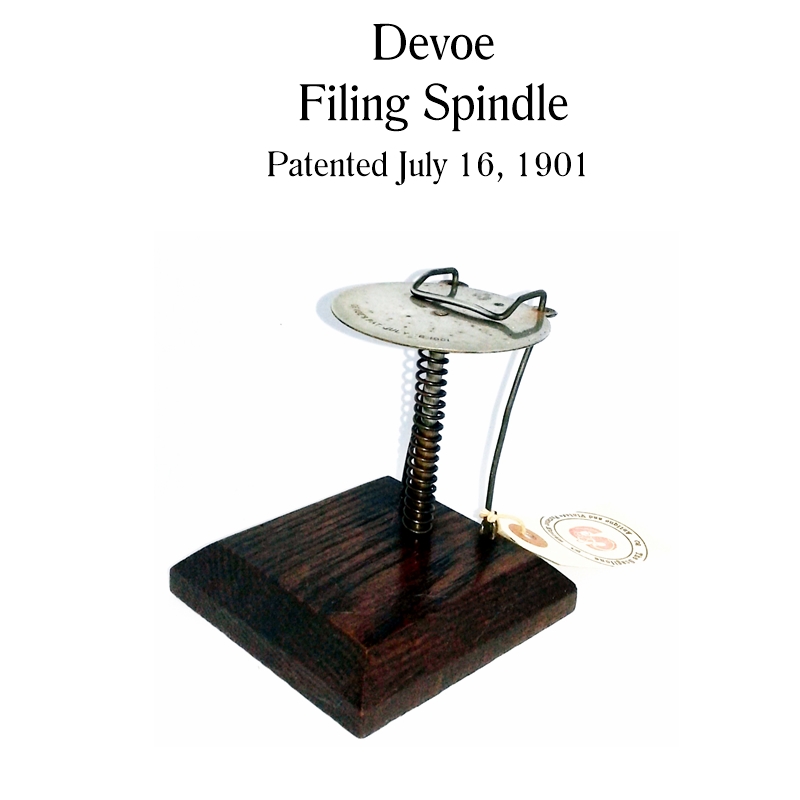
Devoe Filing Spindle, patented July 16, 1901
See it in the 3D museum · Curt’s page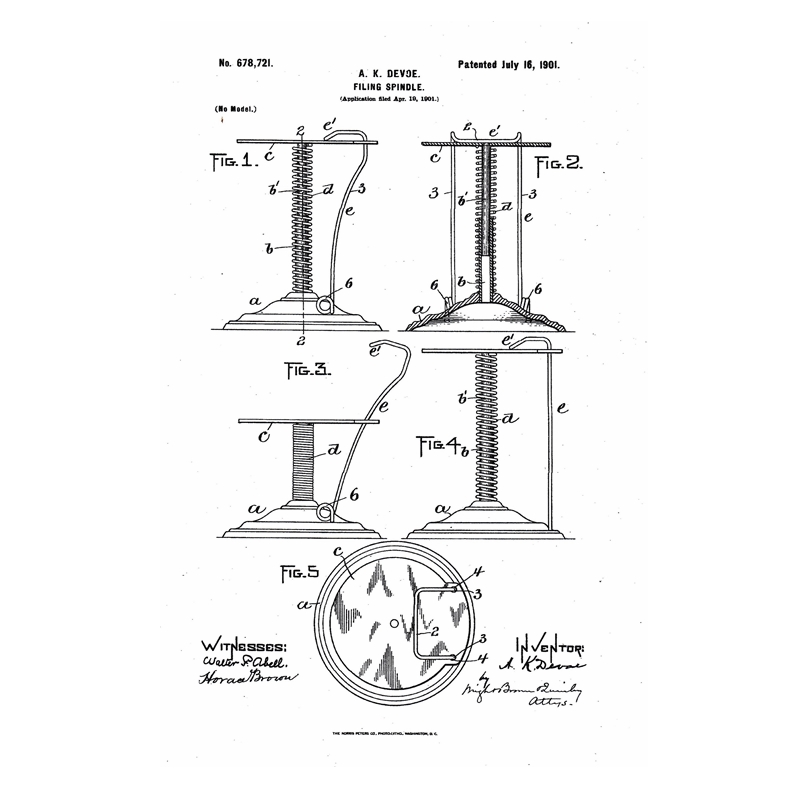
Devoe Filing Spindle patent drawing, No. 678,721, July 16, 1901
See it in the 3D museum · Curt’s page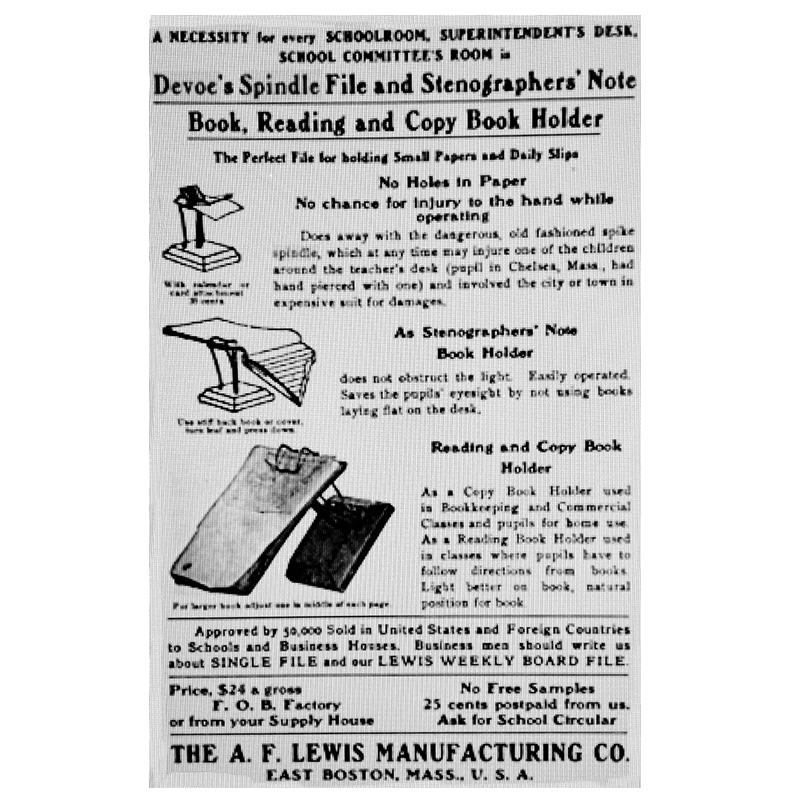
Devoe's Spindle File advertisement, A. F. Lewis Manufacturing Co., East Boston
See it in the 3D museum · Curt’s page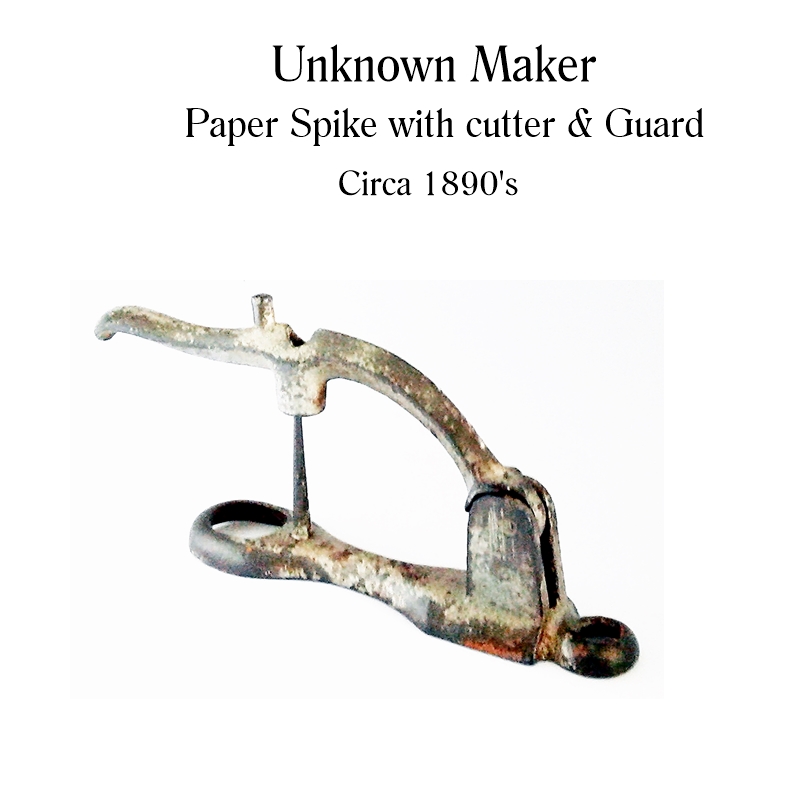
Paper spike with cutter and guard, maker unknown, circa 1890s
See it in the 3D museum · Curt’s page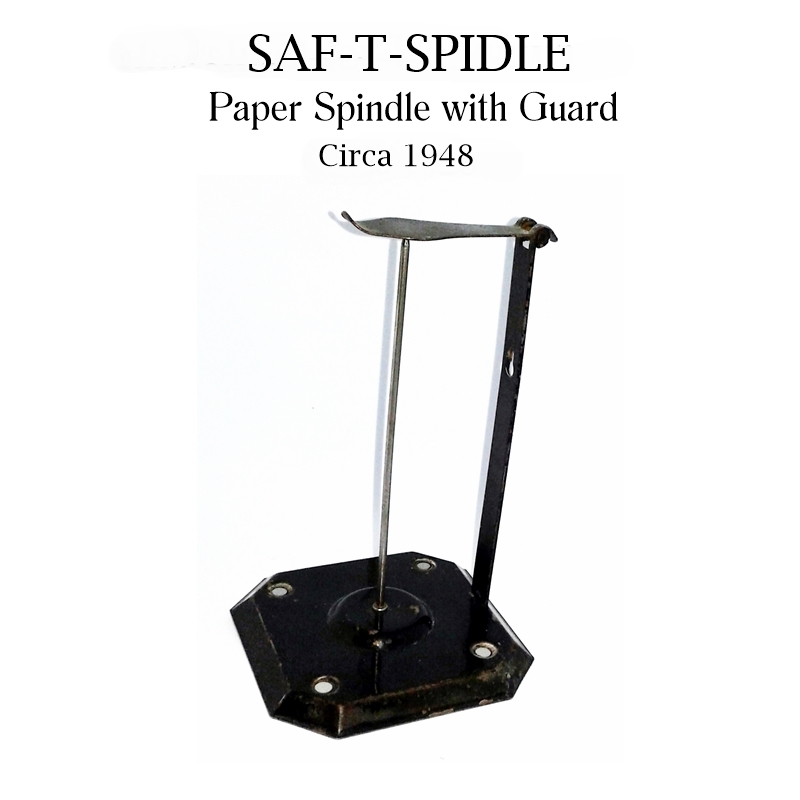
Saf-T-Spidle paper spindle with guard, circa 1948
See it in the 3D museum · Curt’s page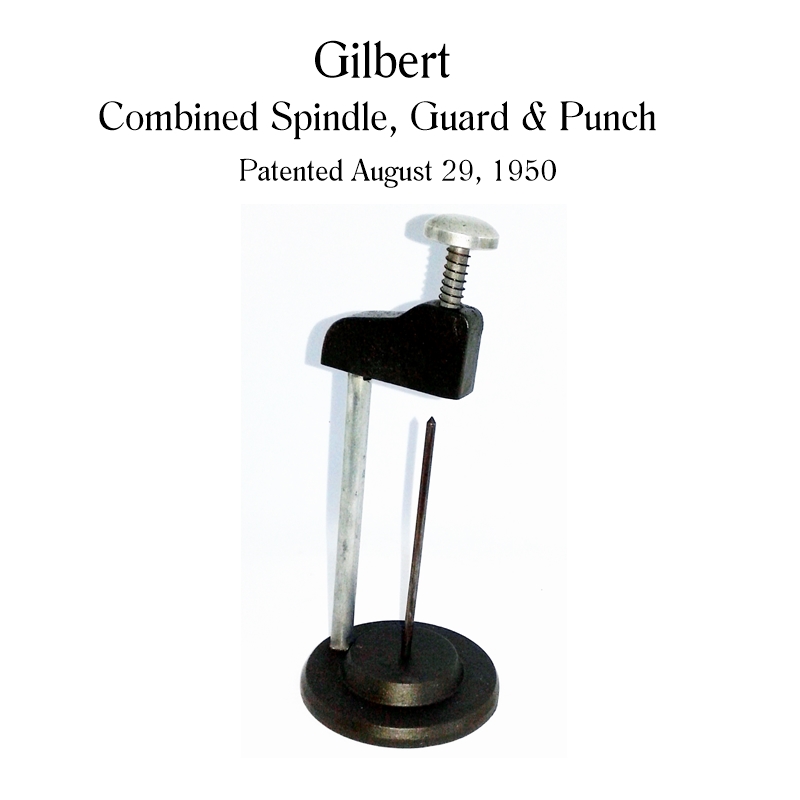
Gilbert combined spindle, guard and punch, patented August 29, 1950
See it in the 3D museum · Curt’s page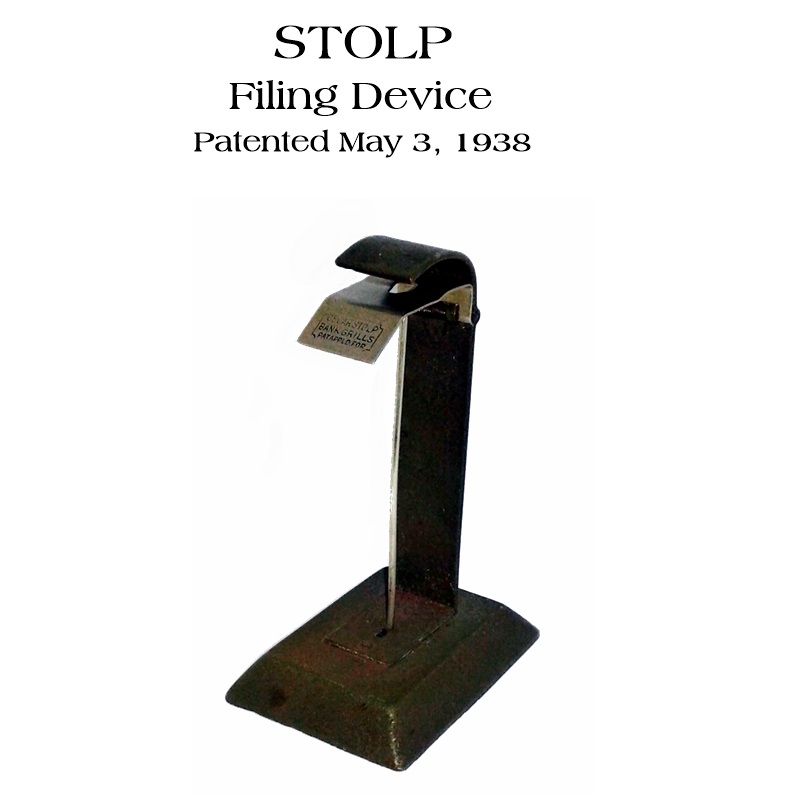
Stolp Filing Device, patented May 3, 1938
See it in the 3D museum · Curt’s page


Hand Stamps
See this gallery in the 3D museum · Curt’s page for Hand Stamps
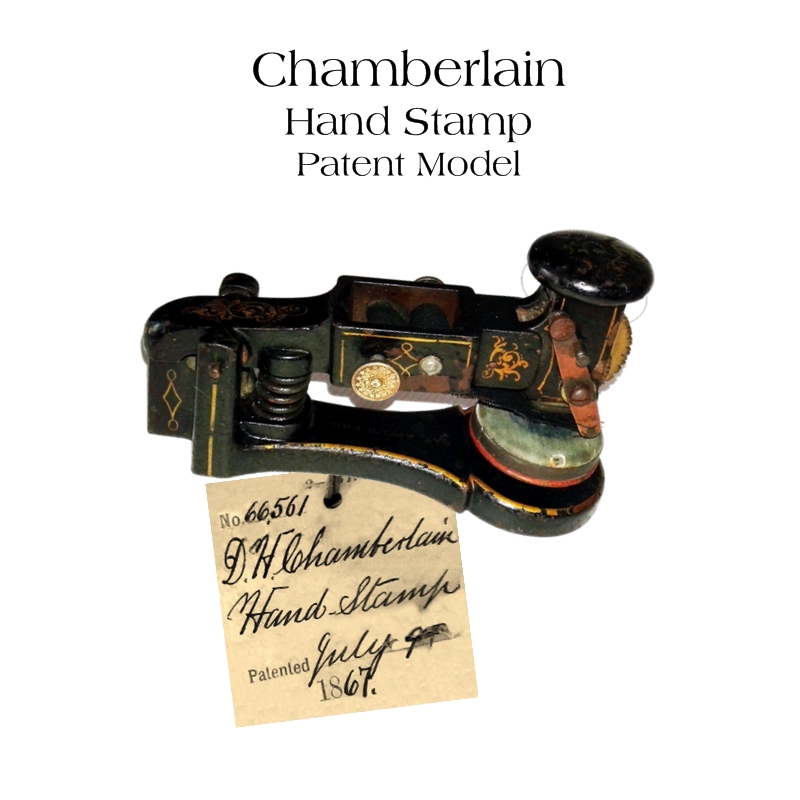
Chamberlain Hand Stamp (1867)
See it in the 3D museum · Curt’s page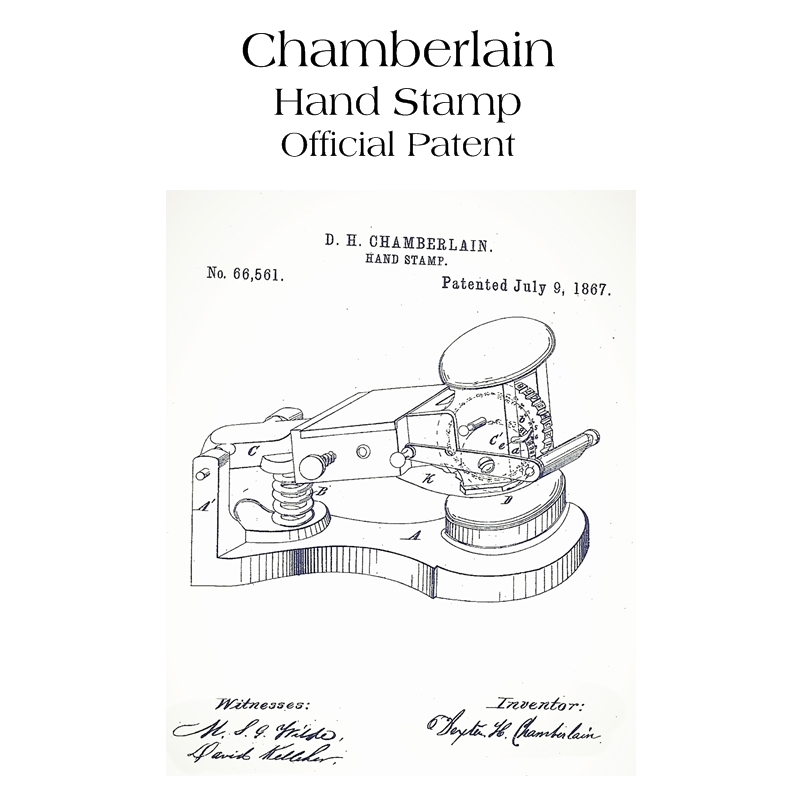
Chamberlain Hand Stamp (1867)
See it in the 3D museum · Curt’s page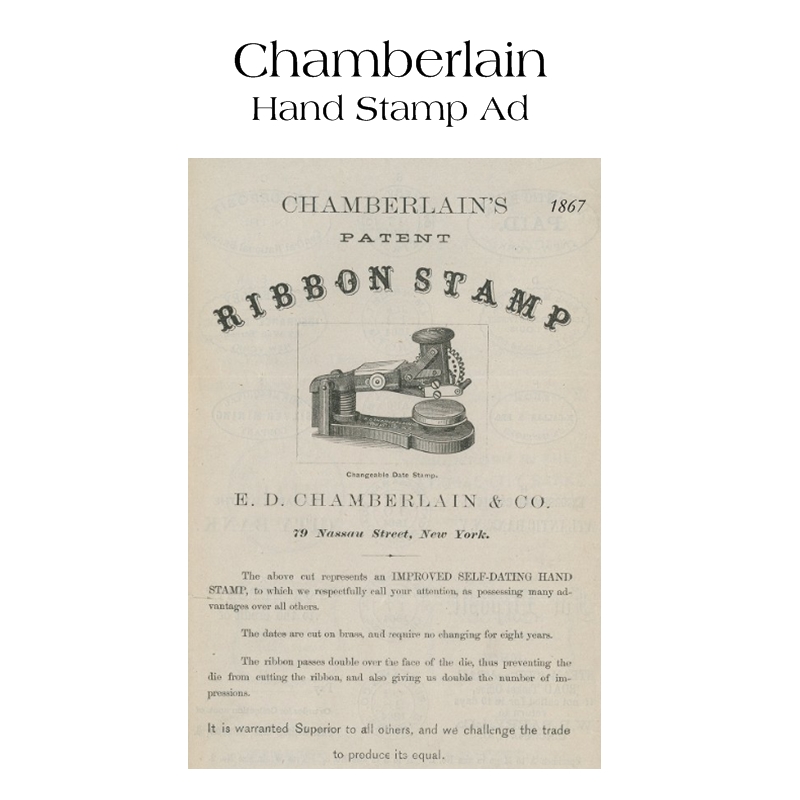
Chamberlain Hand Stamp advertisement, E. D. Chamberlain & Co., New York, 1867
See it in the 3D museum · Curt’s page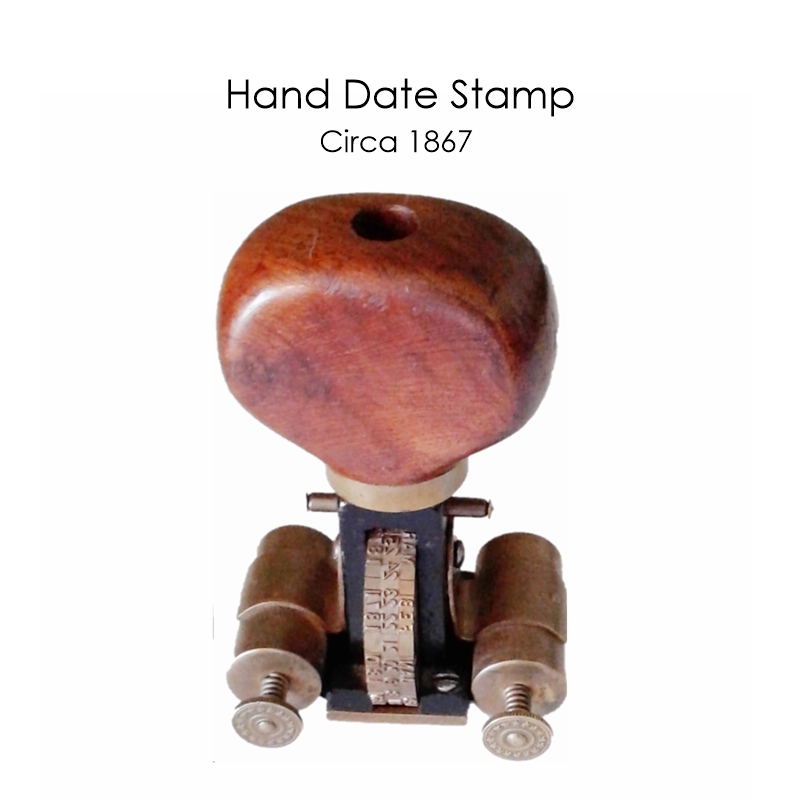
Antique Hand Stamp (1867)
See it in the 3D museum · Curt’s page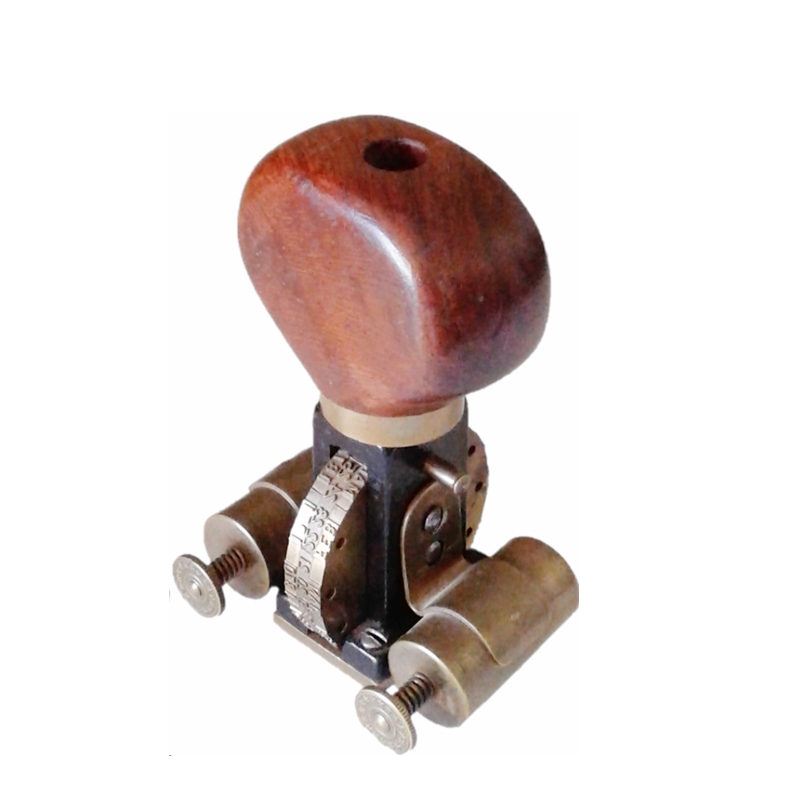
Antique Hand Stamp
See it in the 3D museum · Curt’s page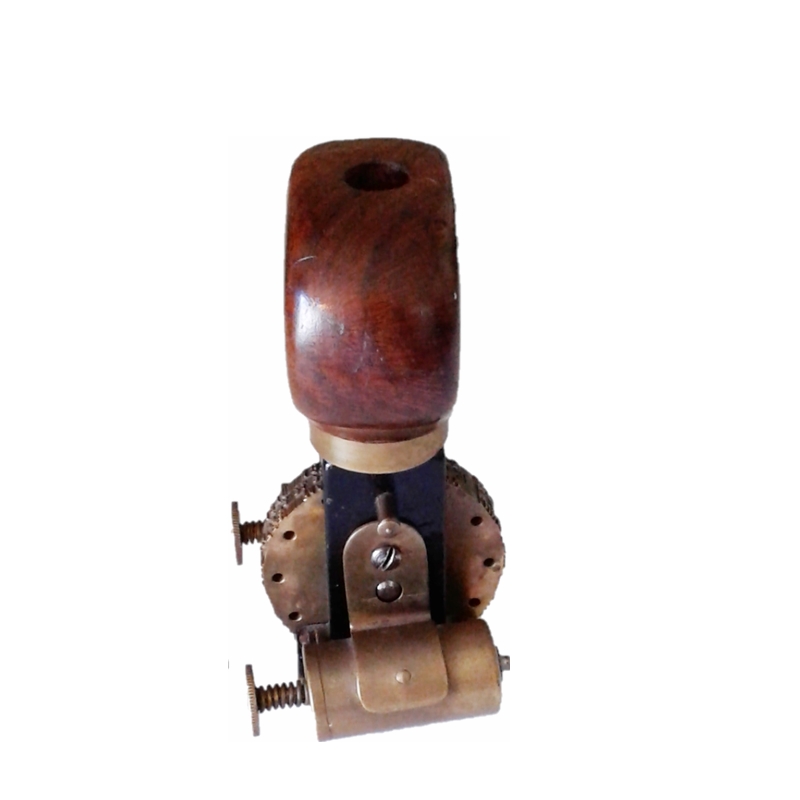
Antique Hand Stamp
See it in the 3D museum · Curt’s page


Account Files
See this gallery in the 3D museum · Curt’s page for Account Files
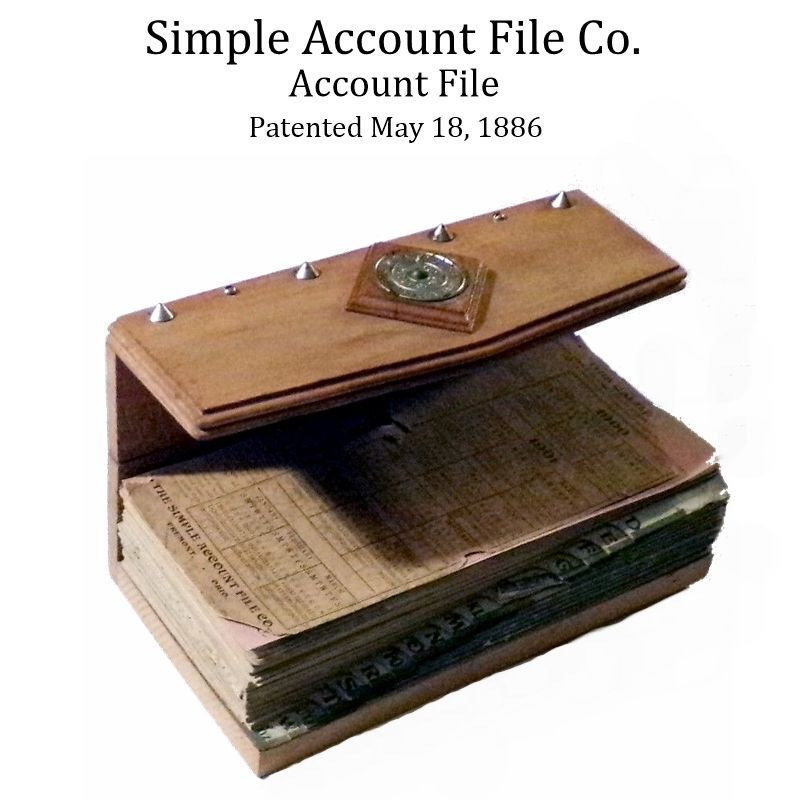
Simple Account File Co. Account File, patented May 18, 1886
See it in the 3D museum · Curt’s page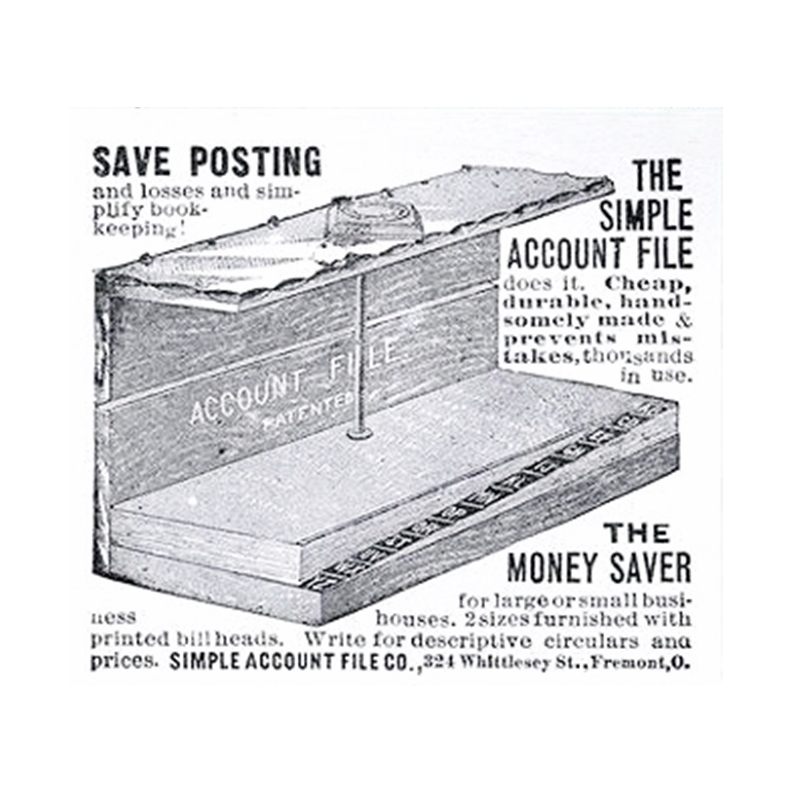
The Simple Account File advertisement, Simple Account File Co., Fremont, Ohio
See it in the 3D museum · Curt’s page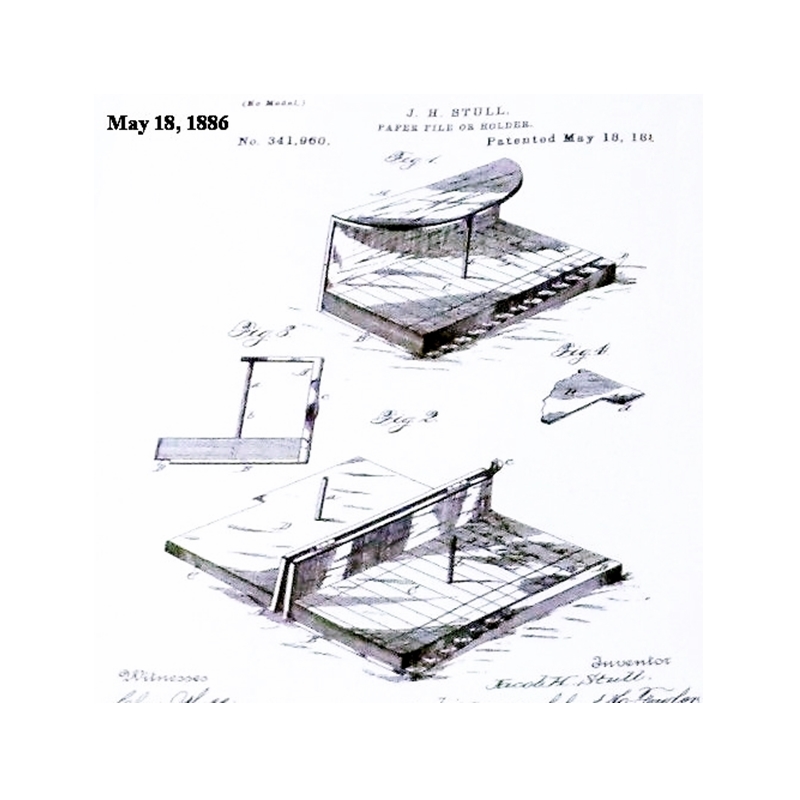
Account File patent drawing, J. H. Stull, No. 341,960, May 18, 1886
See it in the 3D museum · Curt’s page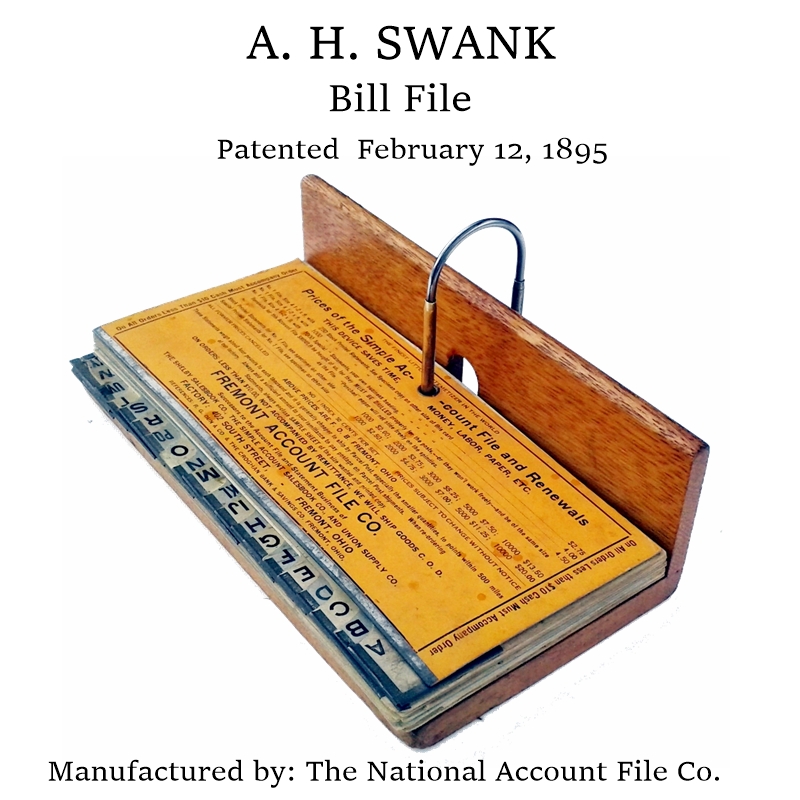
A. H. Swank Bill File, patented February 12, 1895, made by The National Account File Co.
See it in the 3D museum · Curt’s page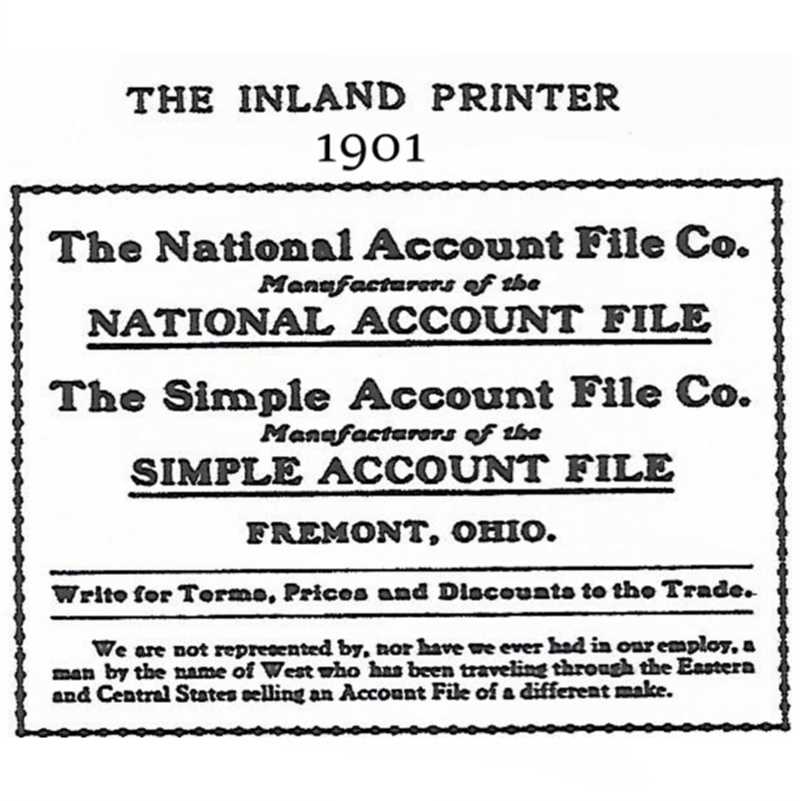
The National and Simple Account File Co. advertisement, The Inland Printer, 1901
See it in the 3D museum · Curt’s page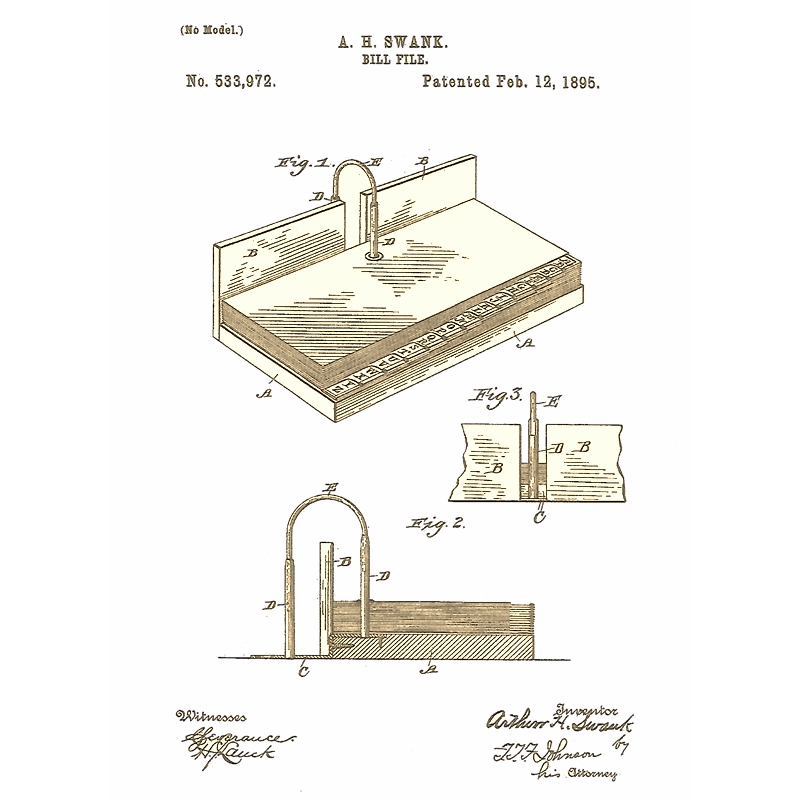
A. H. Swank Bill File patent drawing, No. 533,972, February 12, 1895
See it in the 3D museum · Curt’s page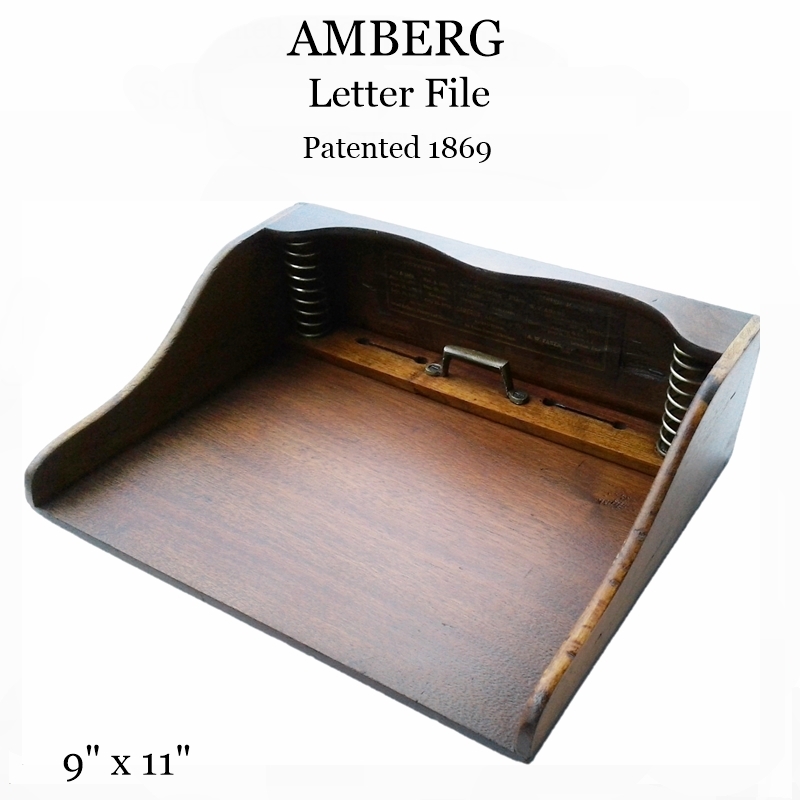
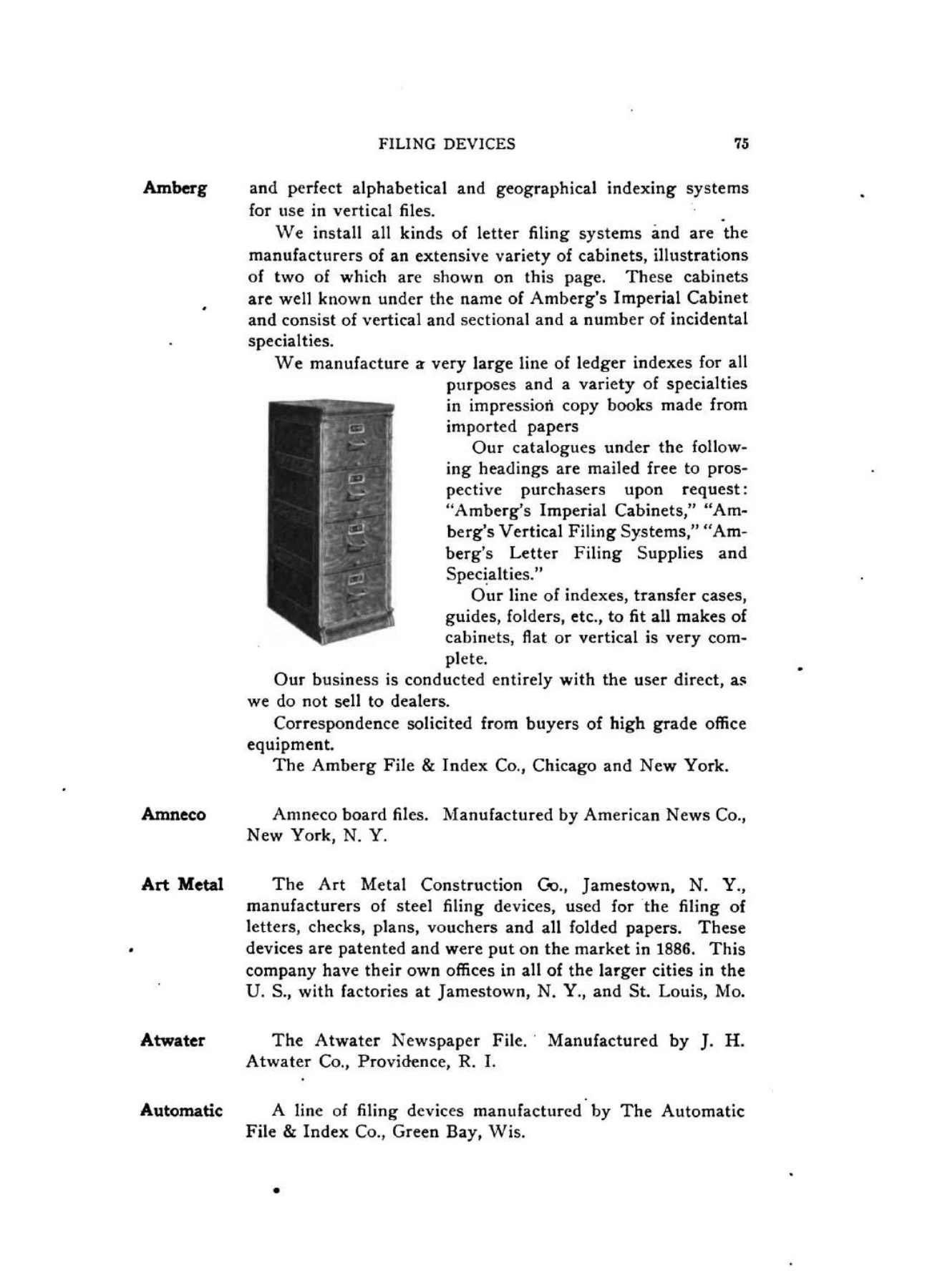
Amberg Letter File, patented 1869
See it in the 3D museum · Curt’s pageAmberg ... These cabinets are well known under the name of Amberg's Imperial Cabinet and consist of vertical and sectional and a number of incidental specialties.
The Amberg File & Index Co., Chicago and New York.
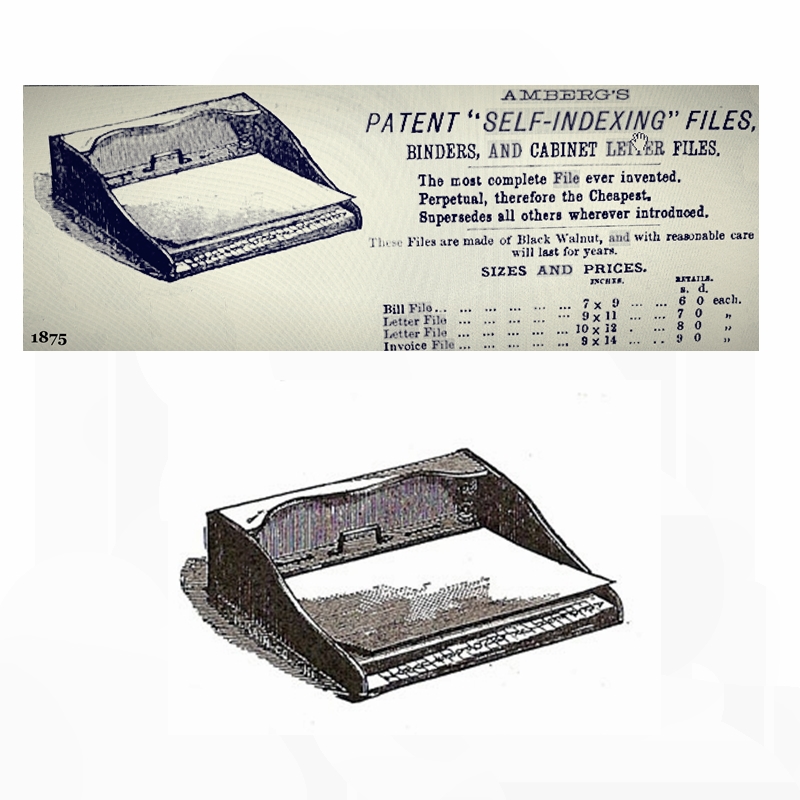
Amberg’s Patent Self-Indexing Files advertisement, 1875
See it in the 3D museum · Curt’s pageAmberg ... These cabinets are well known under the name of Amberg's Imperial Cabinet and consist of vertical and sectional and a number of incidental specialties.
The Amberg File & Index Co., Chicago and New York.
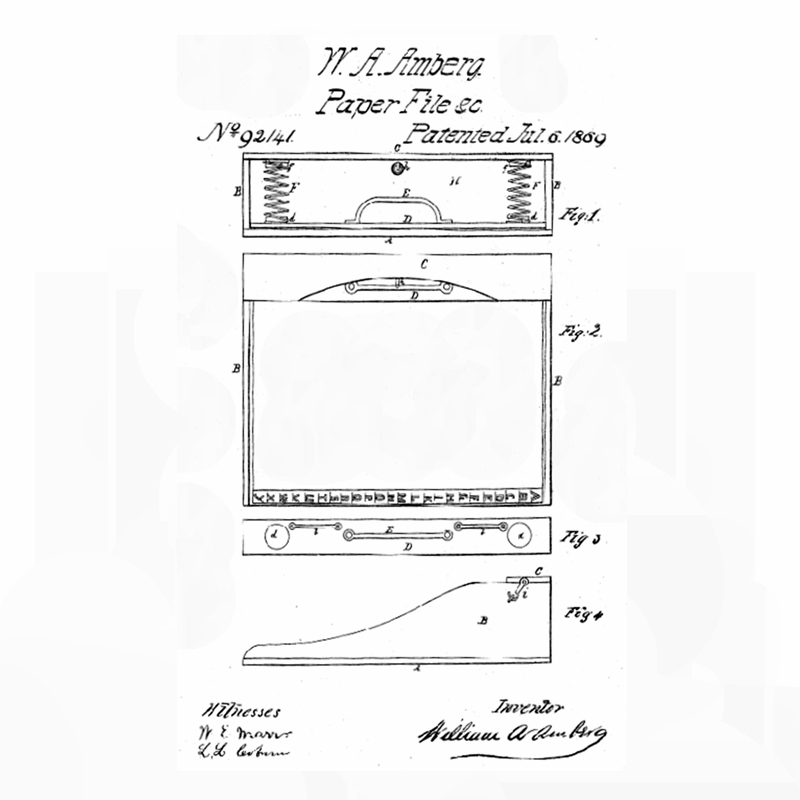
W. A. Amberg Paper File patent, No. 92,141, July 6, 1869
See it in the 3D museum · Curt’s pageAmberg ... These cabinets are well known under the name of Amberg's Imperial Cabinet and consist of vertical and sectional and a number of incidental specialties.
The Amberg File & Index Co., Chicago and New York.


Other Office Appliances
Yes, even we get a supprise every now and again. Office appliances can come in many forms. It is easy to over look many devices as they serve such a small part in the operation of the office.
See this gallery in the 3D museum · Curt’s page for Other Office Appliances
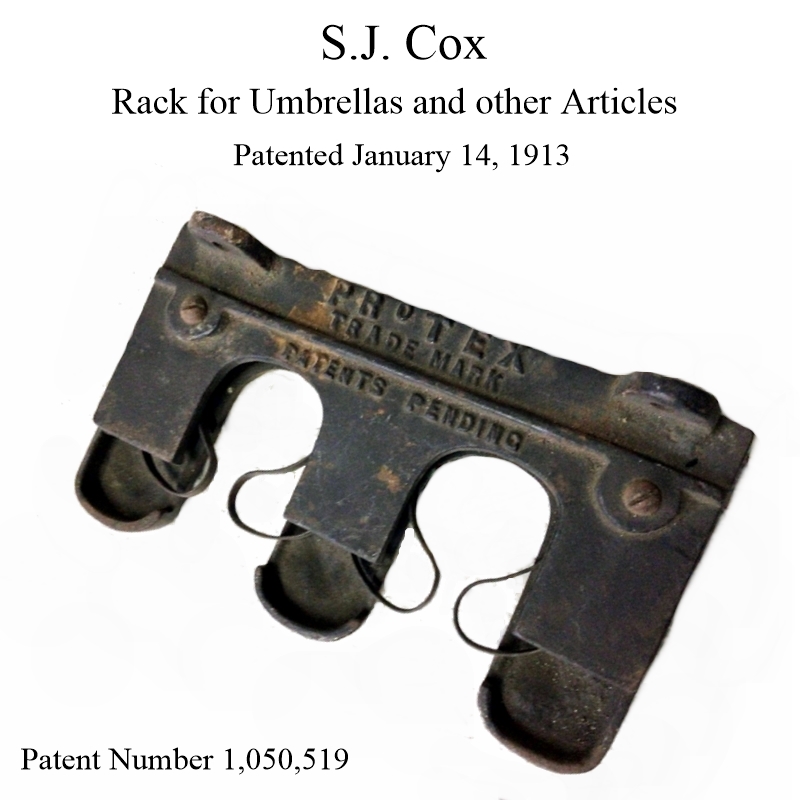
Antique Unbrella Rack (1913)
See it in the 3D museum · Curt’s page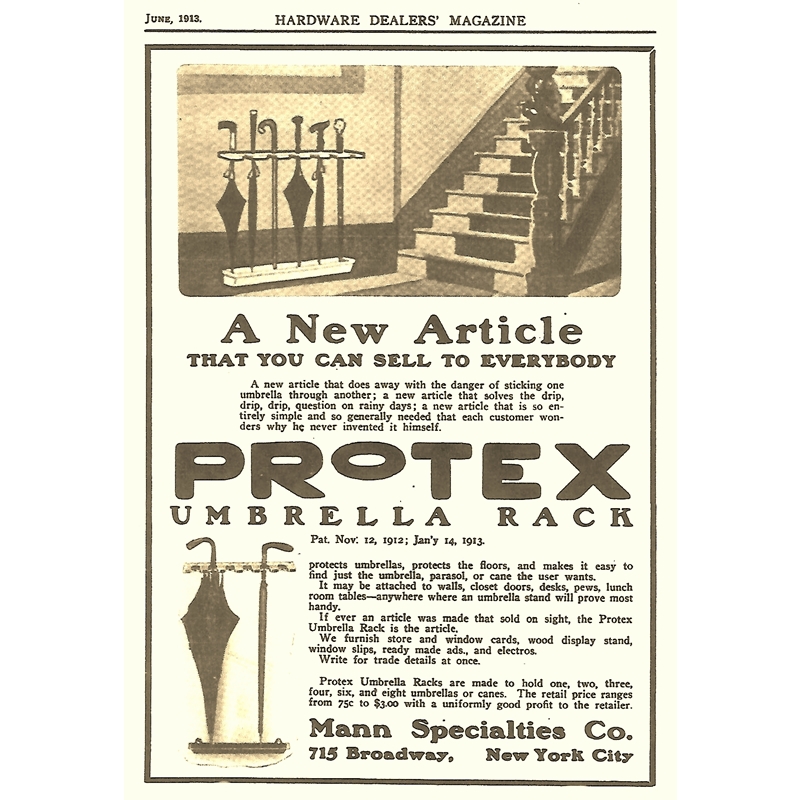
Antique Unbrella Rack (1913)
See it in the 3D museum · Curt’s page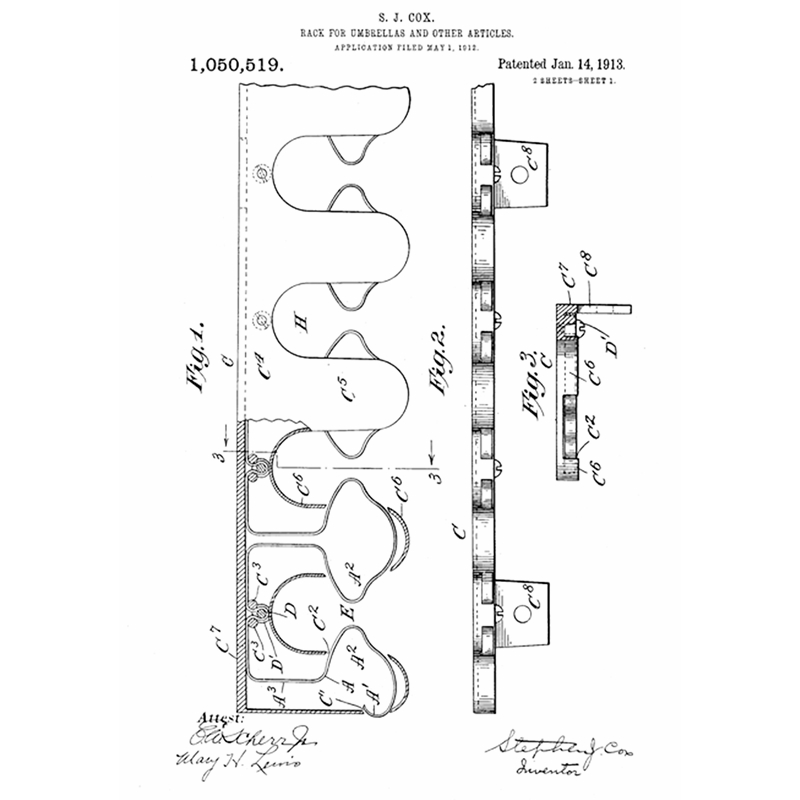
Antique Unbrella Rack (1913)
See it in the 3D museum · Curt’s page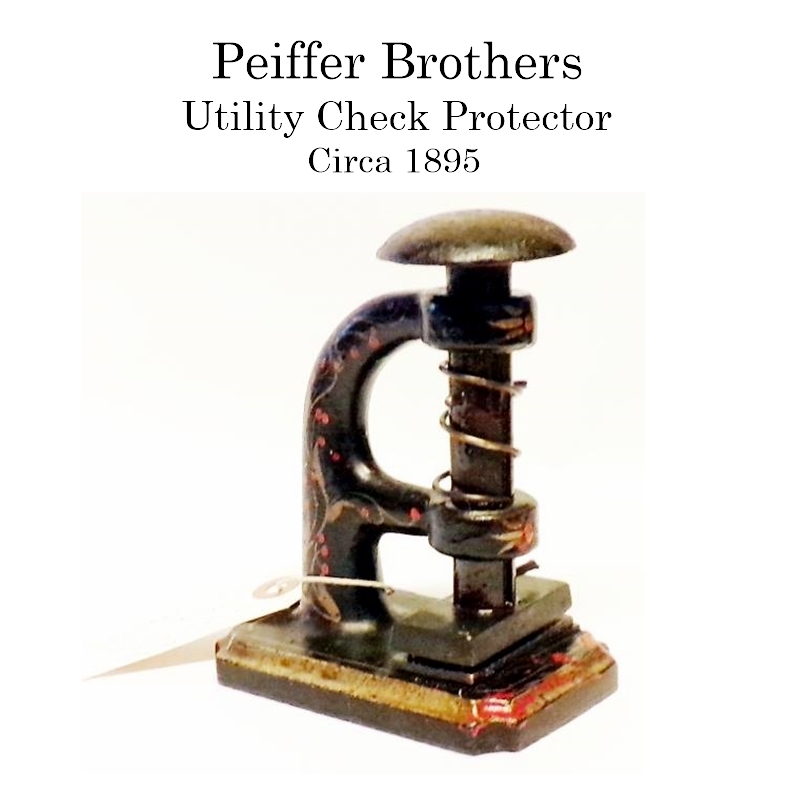
Peiffer Brothers Utility Check Protector, circa 1895
See it in the 3D museum · Curt’s page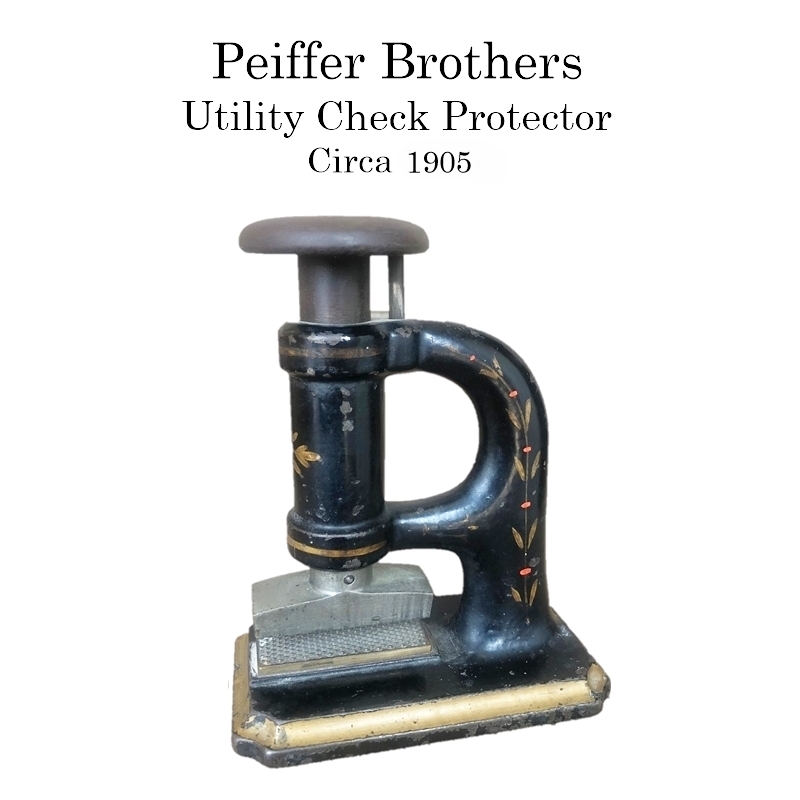
Peiffer Brothers Utility Check Protector, circa 1905
See it in the 3D museum · Curt’s page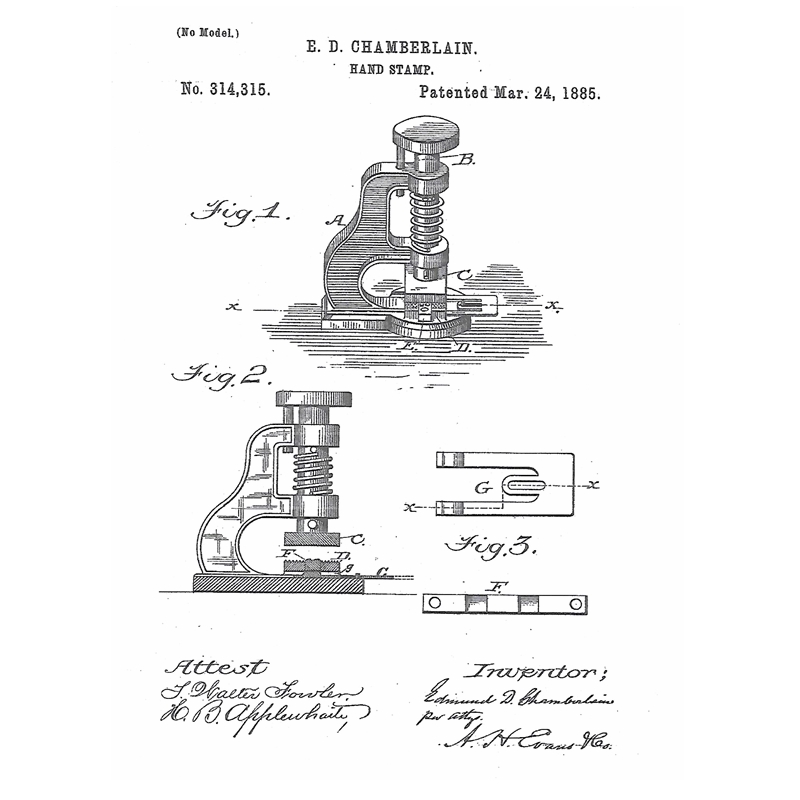
E. D. Chamberlain Hand Stamp, patented 1885
See it in the 3D museum · Curt’s pageZander Check Protecter circa 1896 Top Shelf
See it in the 3D museum · Curt’s page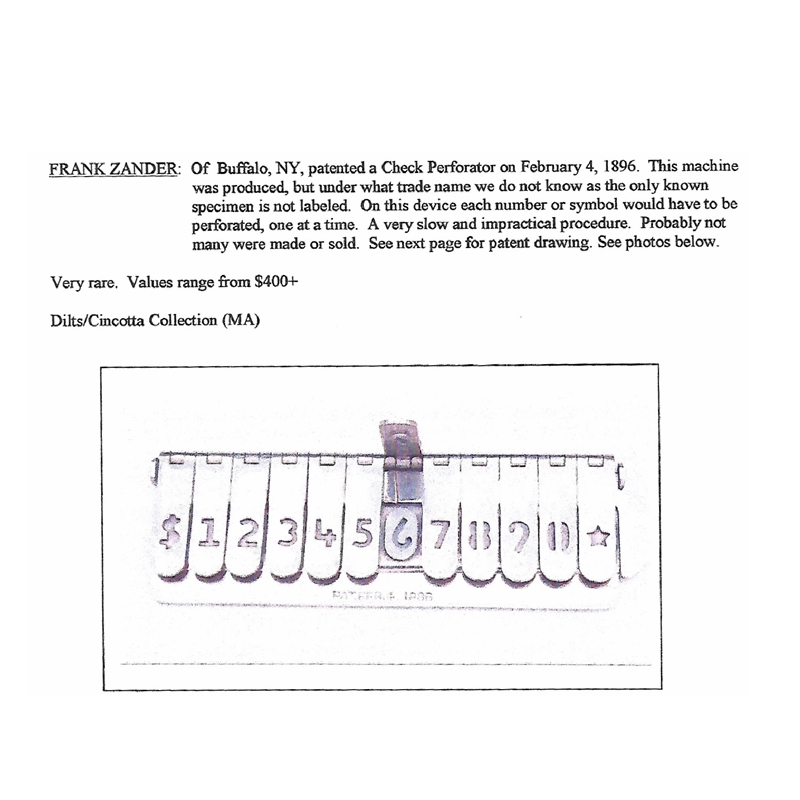
Zander Check Protector circa 1896
See it in the 3D museum · Curt’s page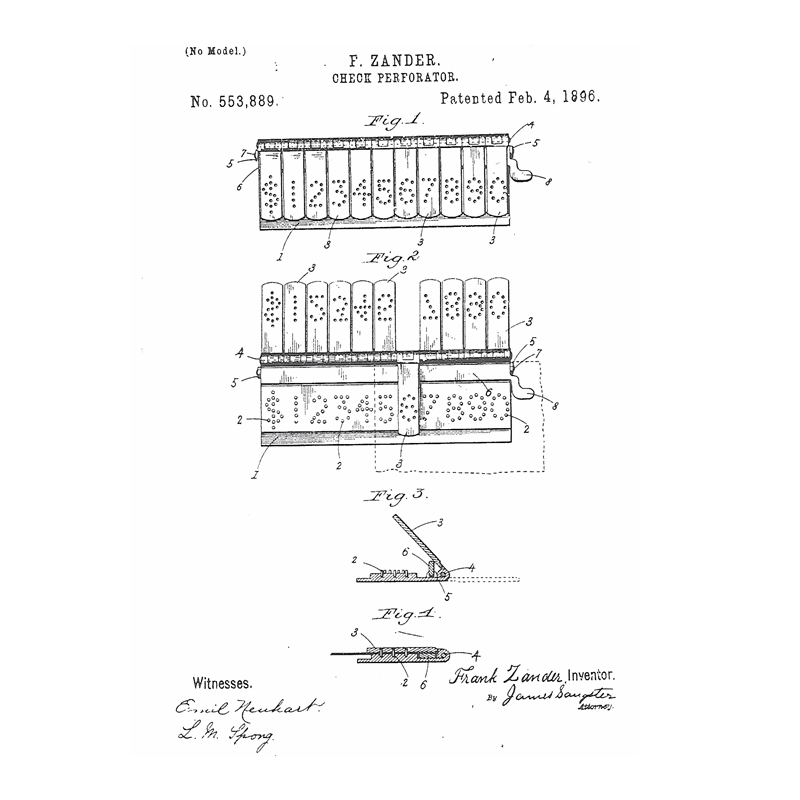
Zander Check Protector circa 1896
See it in the 3D museum · Curt’s pageZONO Check Protecter circa 1906 Top Shelf
See it in the 3D museum · Curt’s page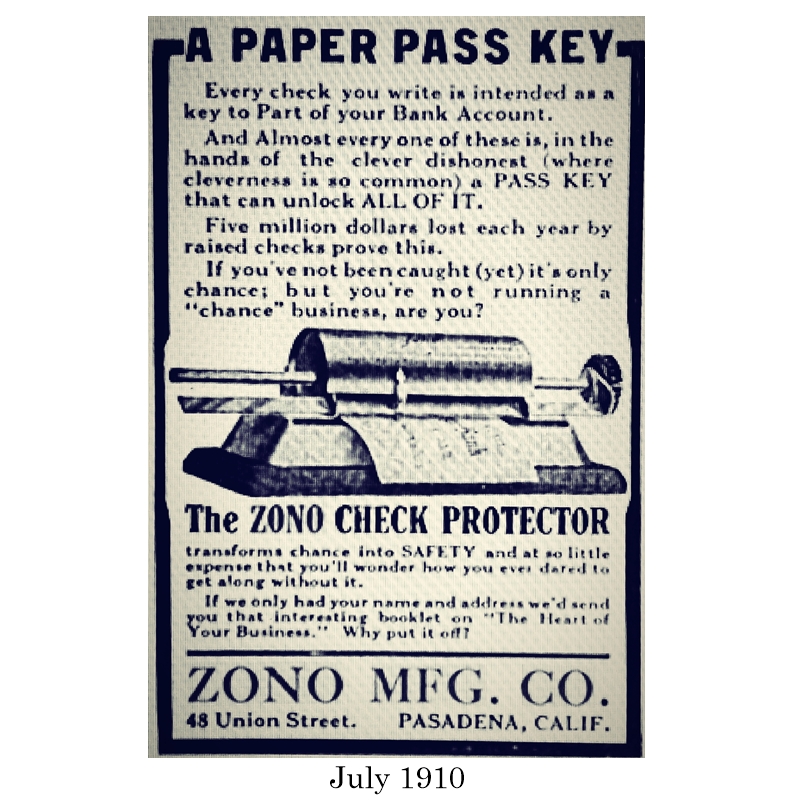
ZONO Check Protector circa 1906
See it in the 3D museum · Curt’s page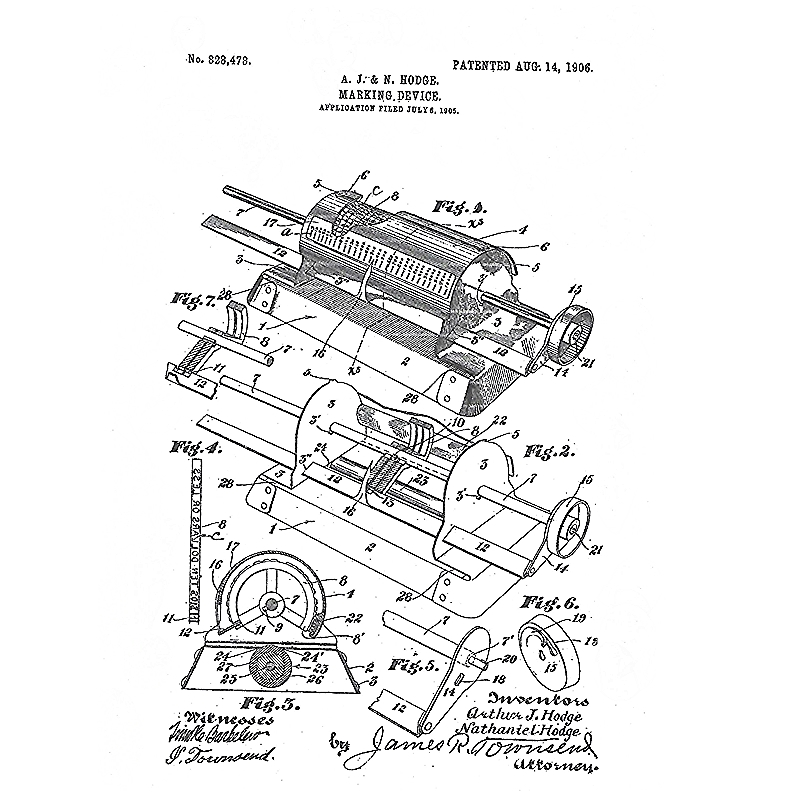
ZONO Check Protector 1906 patent
See it in the 3D museum · Curt’s page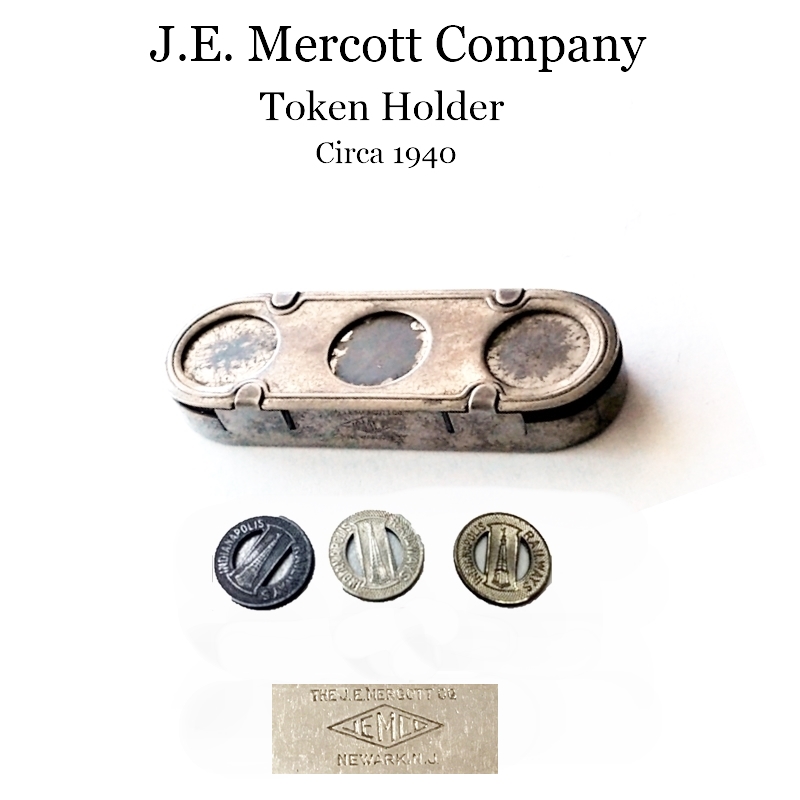
Token Holder (1940)
See it in the 3D museum · Curt’s page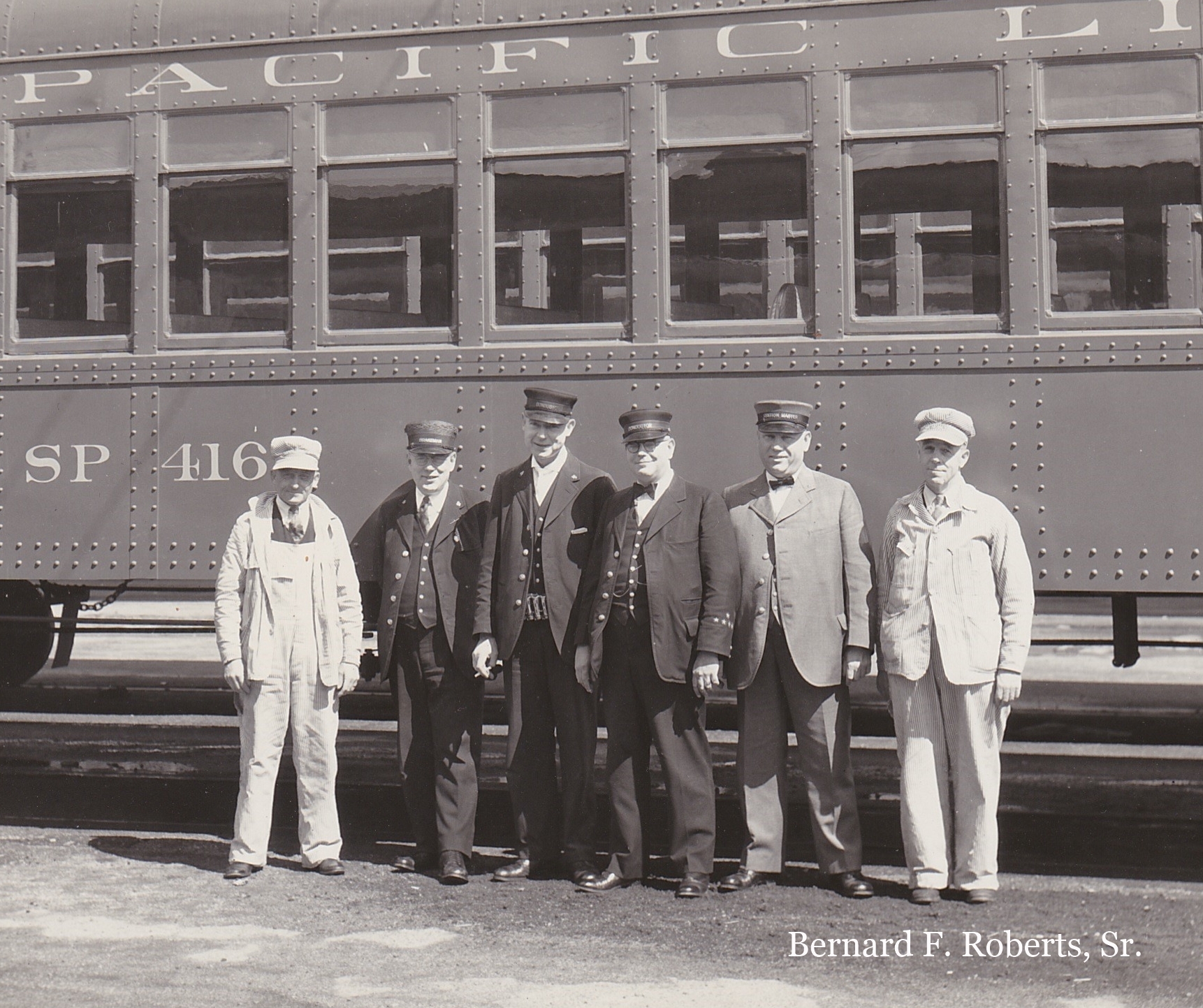
Southern Pacific “Pacific Lines” railroad men beside car SP 416, from the estate of Bernard F. Roberts, Sr.
See it in the 3D museum · Curt’s page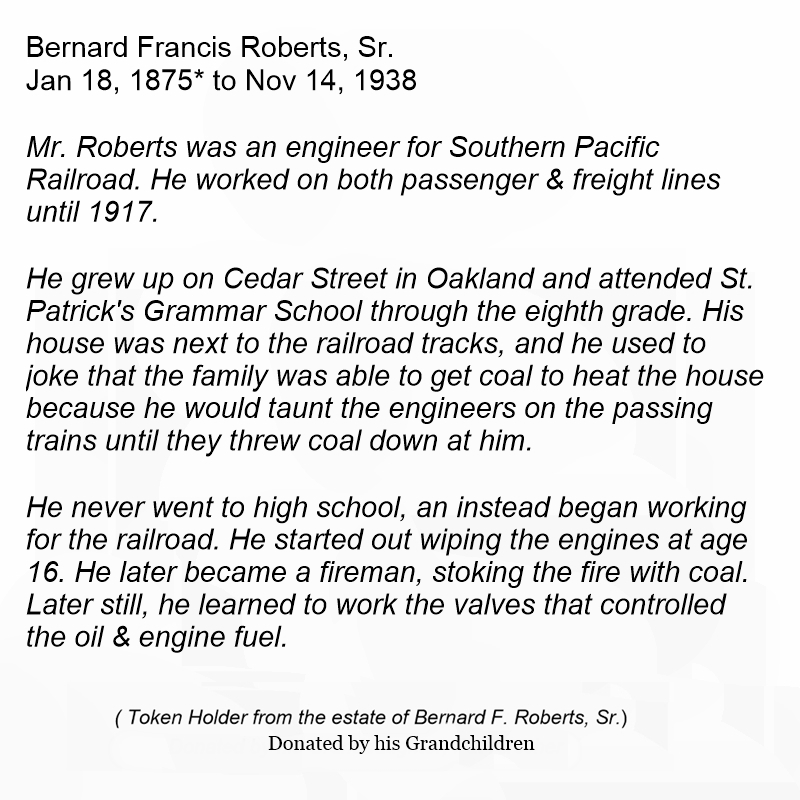
Bernard Francis Roberts, Sr., 1875–1938, Southern Pacific Railroad engineer; the token holder from his estate, donated by his grandchildren
See it in the 3D museum · Curt’s page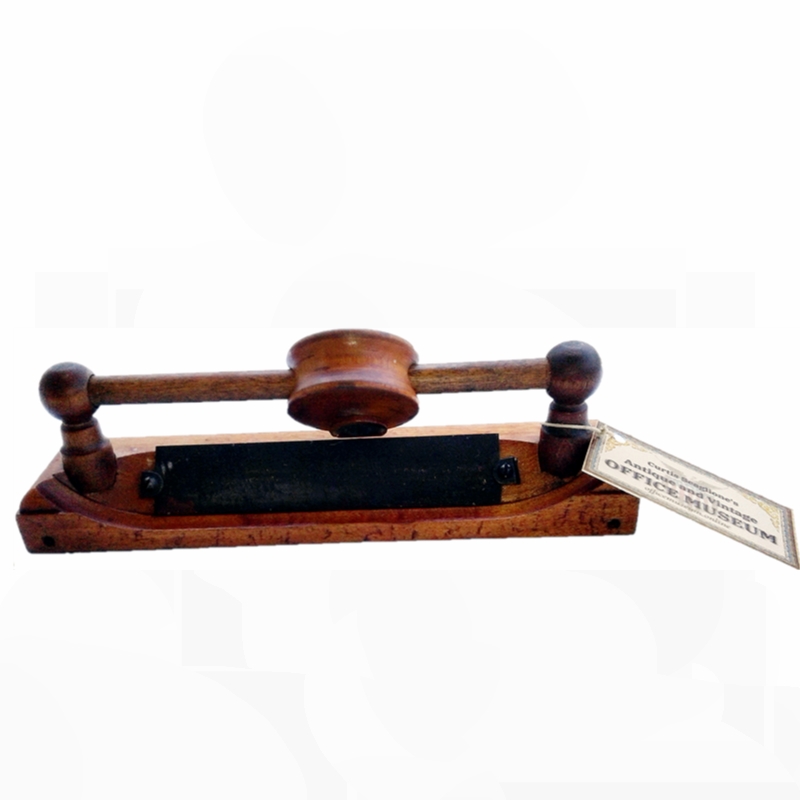
The Perfect Pencil Pointer, patented April 29, 1890
See it in the 3D museum · Curt’s page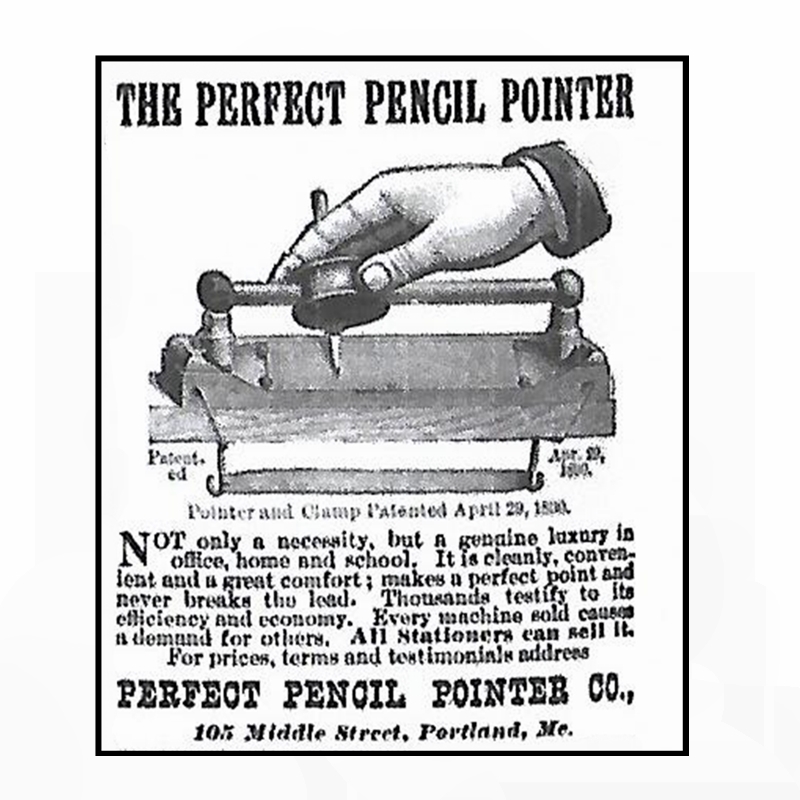
The Perfect Pencil Pointer advertisement, patented April 29, 1890
See it in the 3D museum · Curt’s page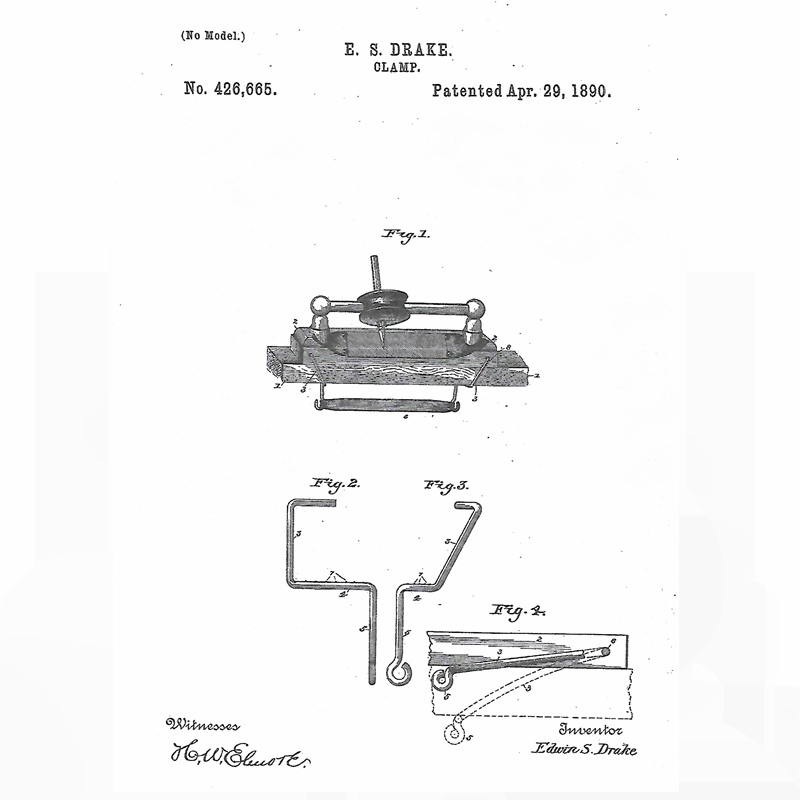
Perfect Pencil Pointer, E. S. Drake clamp patent No. 426,665, April 29, 1890
See it in the 3D museum · Curt’s pageAutomatic (1880) Top Shelf
See it in the 3D museum · Curt’s page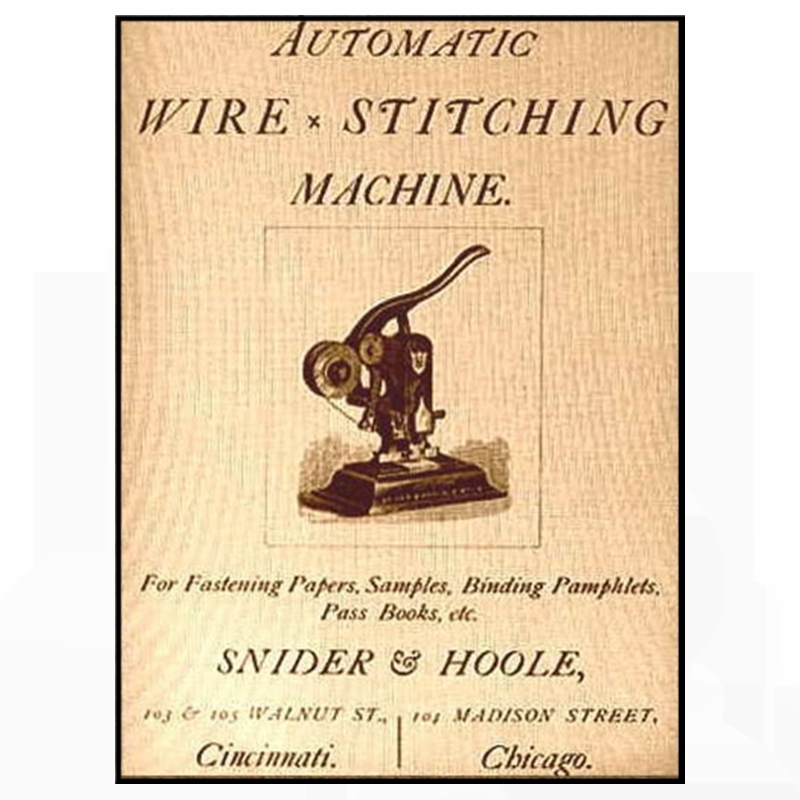
Automatic (1880)
See it in the 3D museum · Curt’s page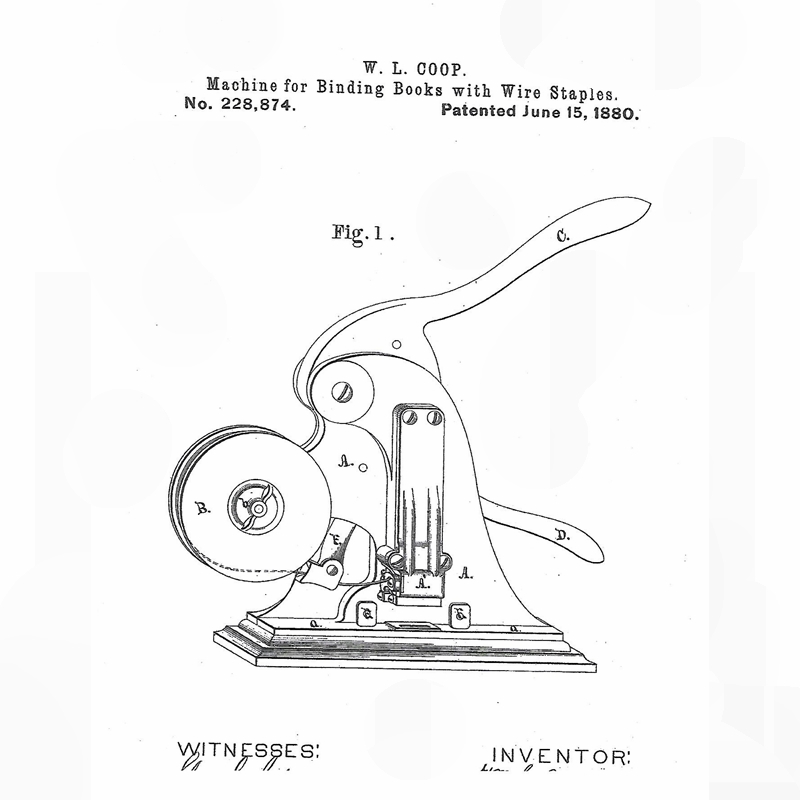
Automatic (1880)
See it in the 3D museum · Curt’s page“Patent 228,874 was related to as a Machine for Binding Books with wire staples and in the description was also purposed to fasten documents together.”
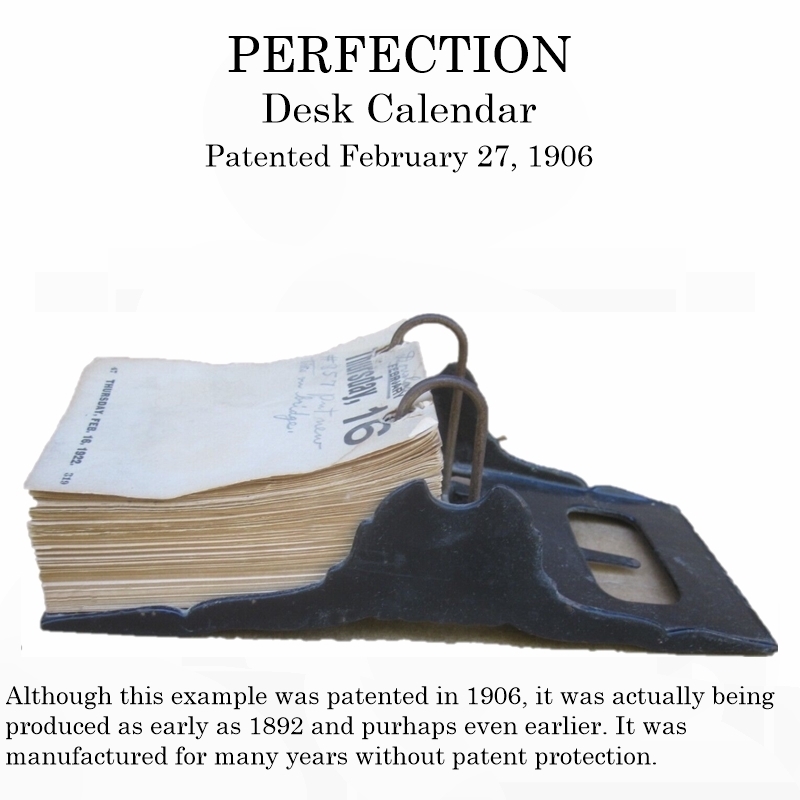
Perfection Desk Calendar (1906)
See it in the 3D museum · Curt’s page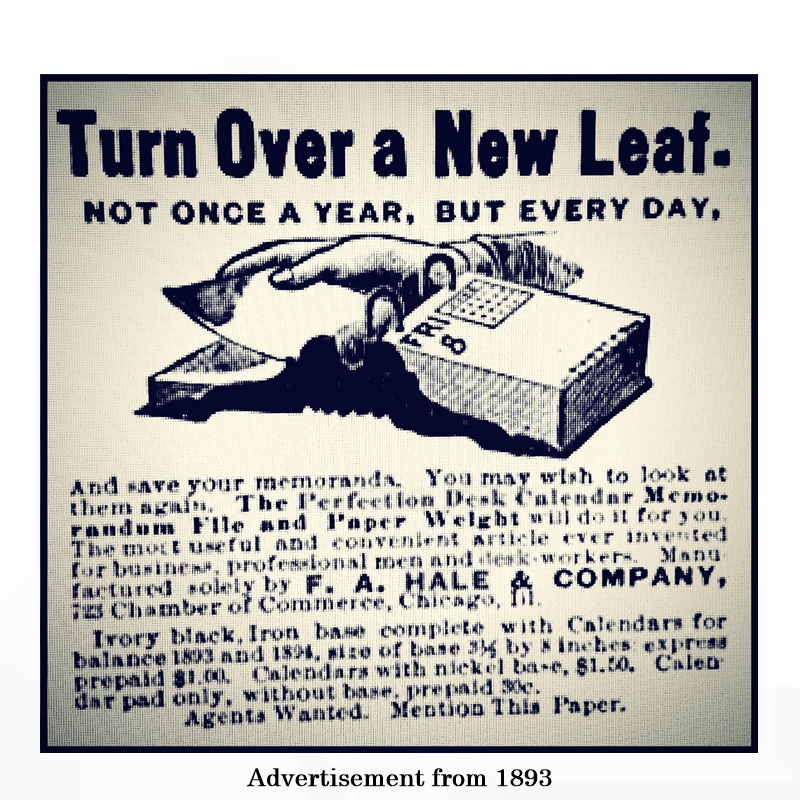
Perfection Desk Calendar (1906)
See it in the 3D museum · Curt’s page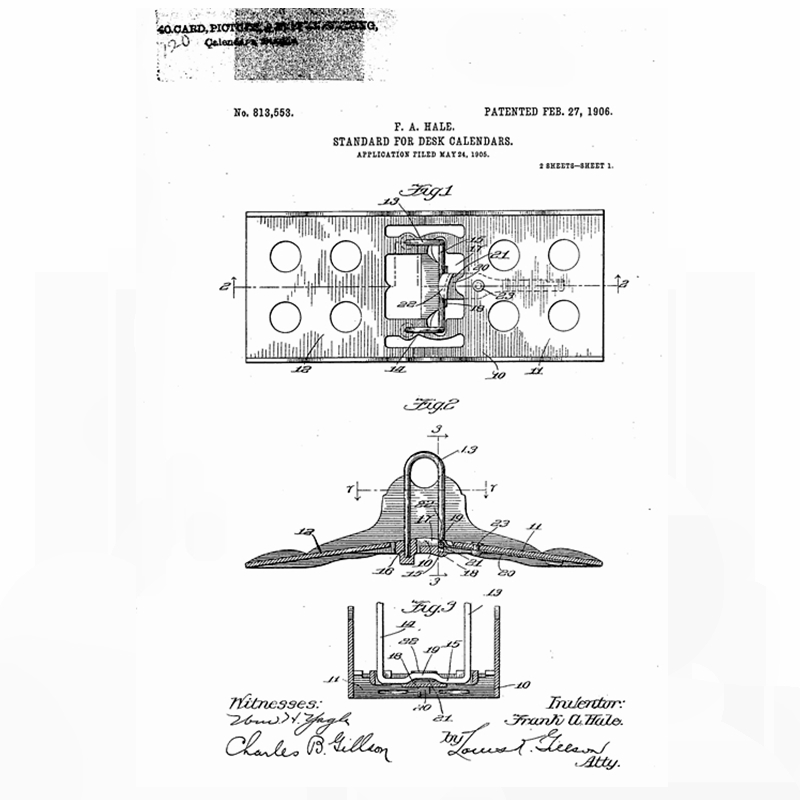
Perfection Desk Calendar (1906)
See it in the 3D museum · Curt’s page


The Hollerith Tabulating Machine
See this gallery in the 3D museum · Curt’s page for The Hollerith Tabulating Machine
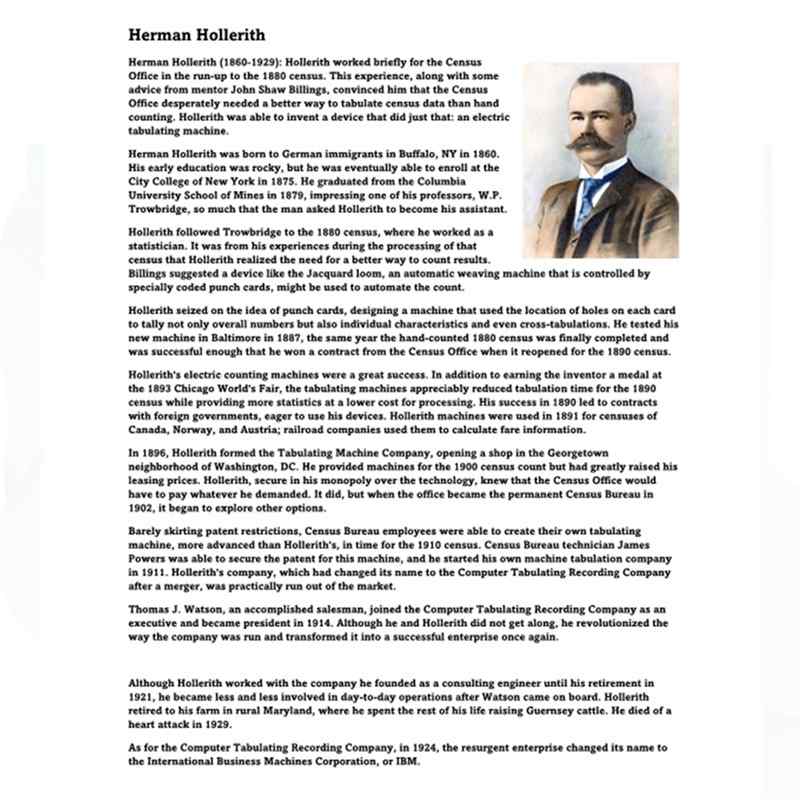
Herman Hollerith, 1860–1929, inventor of the electric tabulating machine
See it in the 3D museum · Curt’s page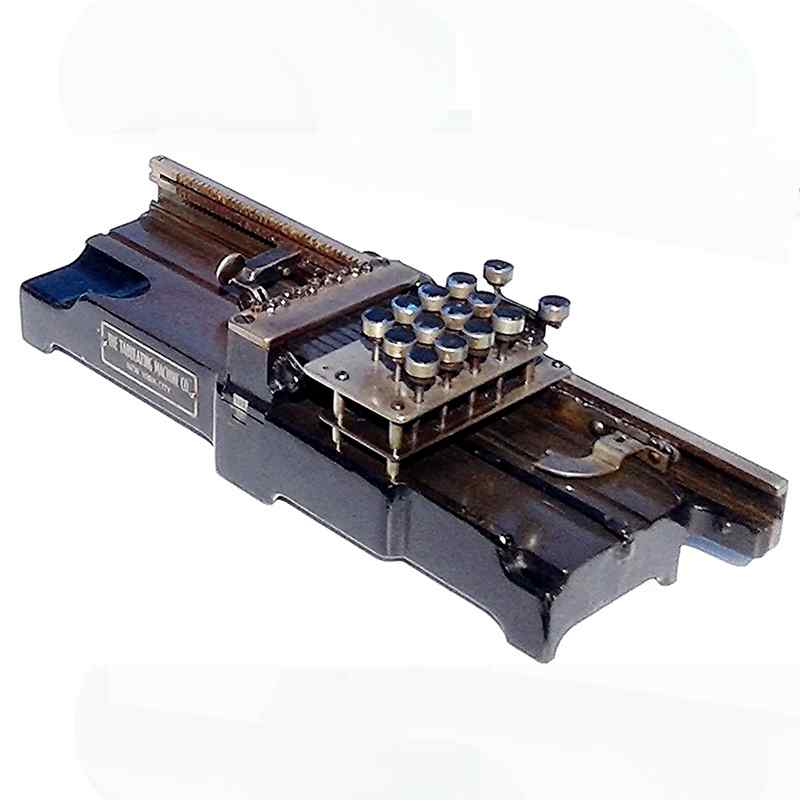
Hollerith card punch, The Tabulating Machine Co., New York City
See it in the 3D museum · Curt’s page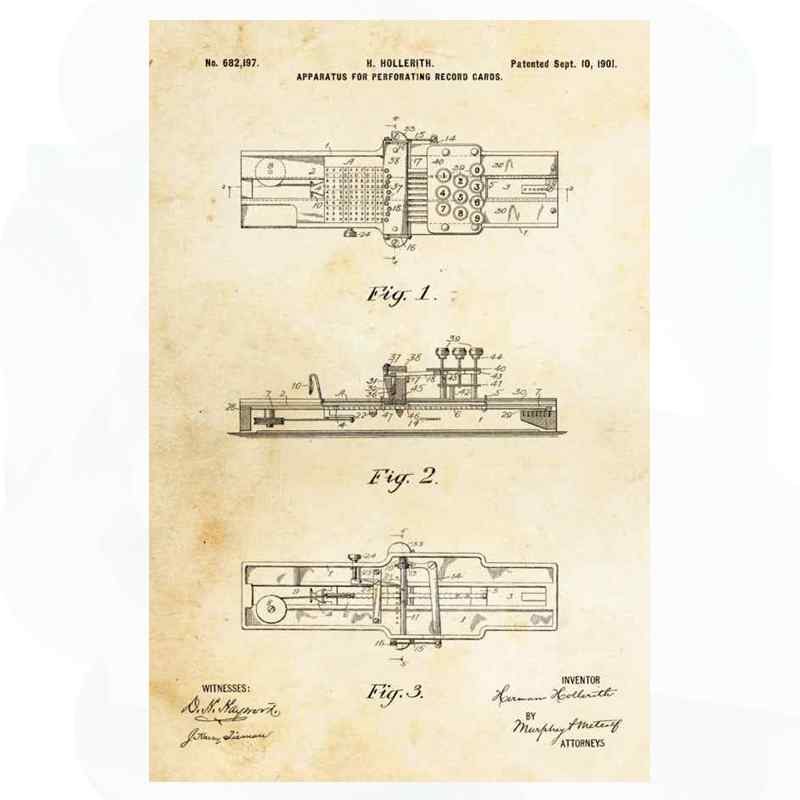
Hollerith apparatus for perforating record cards, patent No. 682,197, September 10, 1901
See it in the 3D museum · Curt’s page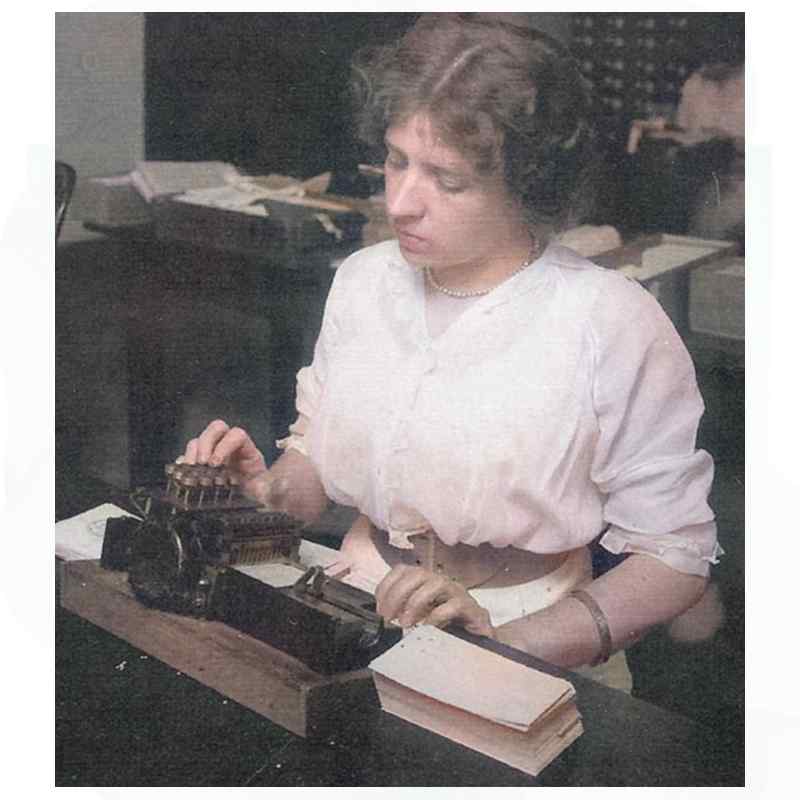
A clerk operating a Hollerith key punch
See it in the 3D museum · Curt’s page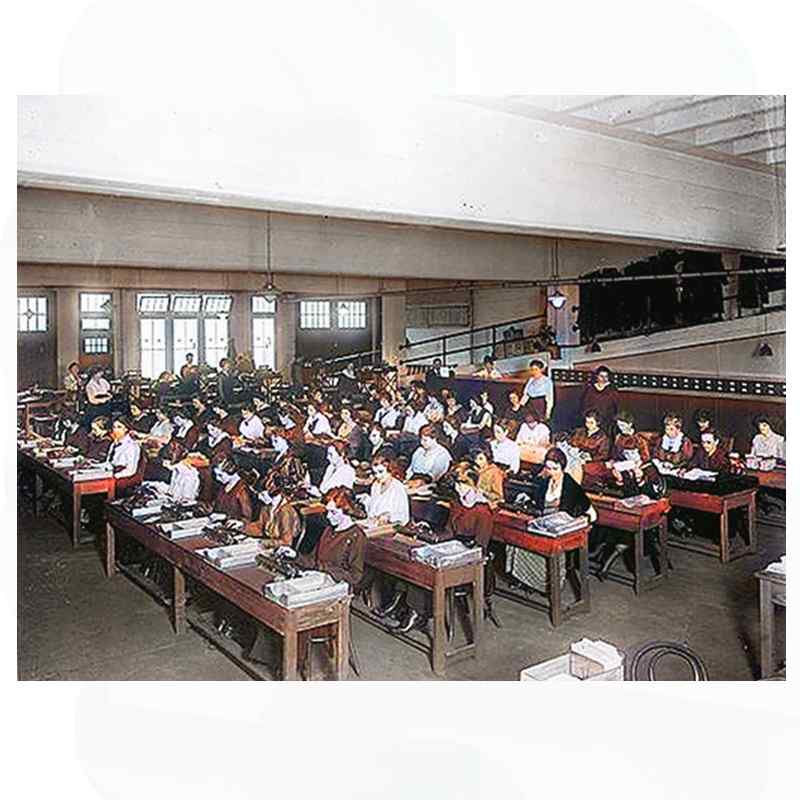
A tabulating office: clerks at rows of Hollerith machines
See it in the 3D museum · Curt’s page
“Übersicht mit Hollerith Lochkarten”, a Deutsche Hollerith Maschinen Gesellschaft (Dehomag) poster, Berlin
See it in the 3D museum · Curt’s page


Adding Machines
Adding Machines were never an interested to this curator until this Quixsum Adding Machine was introduced to me. This appliance was not cheap by any means. When produced it sold for $60.00 which was a great deal of money in 1924. After seeing just a photo of it, my mind had been made up, I had to have it in the museum.
See this gallery in the 3D museum · Curt’s page for Adding Machines
Quixsum Adding Machine, Model C, patented June 10, 1924 Top Shelf
See it in the 3D museum · Curt’s page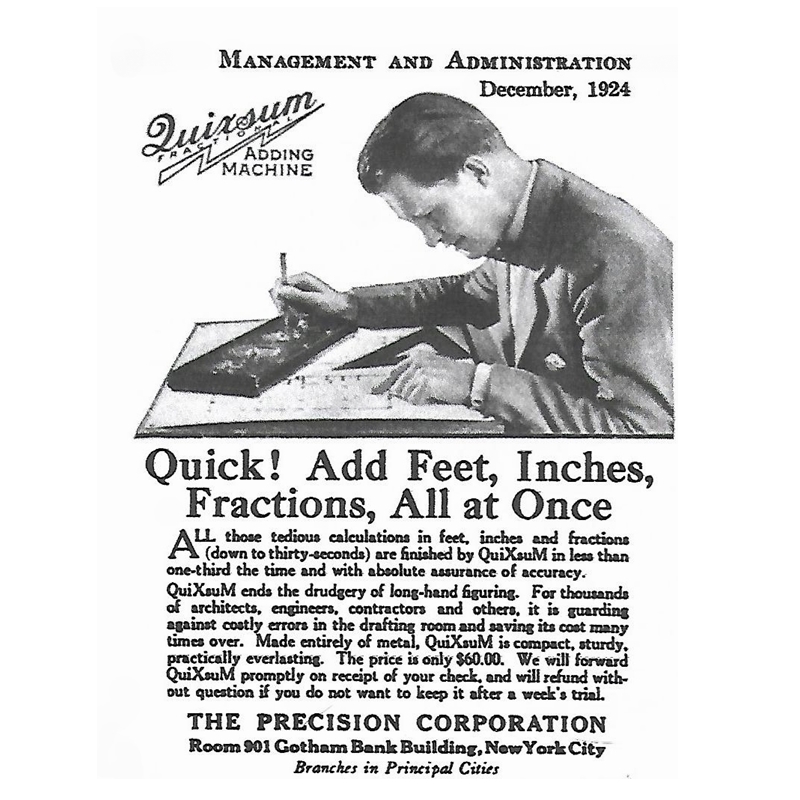
Quixsum Adding Machine advertisement, December 1924
See it in the 3D museum · Curt’s page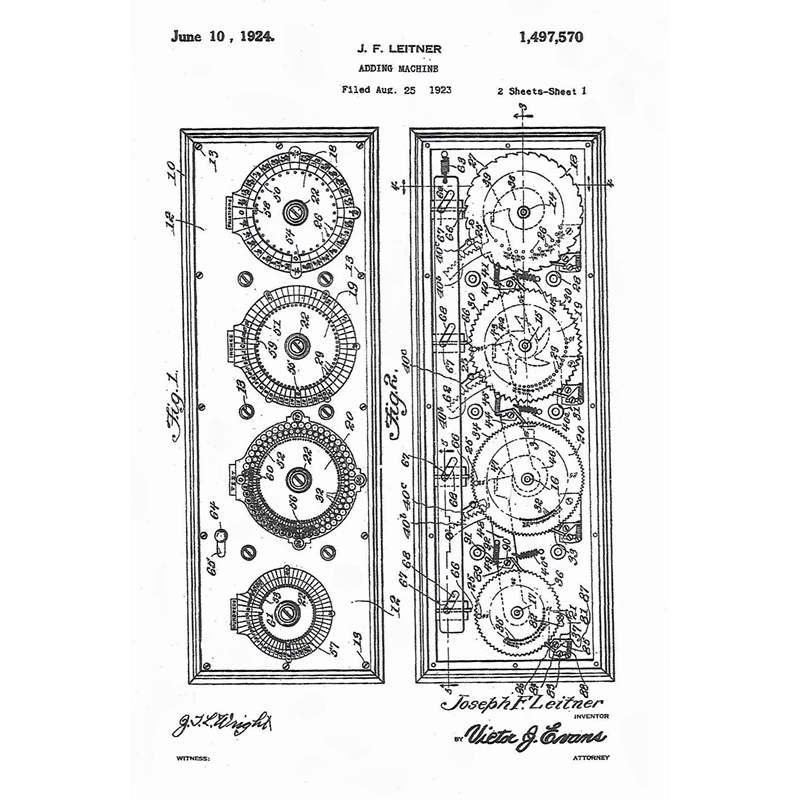
Adding machine patent drawing, J. F. Leither, June 10, 1924
See it in the 3D museum · Curt’s page


Museum Banners
These custom designed banner were created for the museum in place of wall art. They were sent to a print shop and each made into a 4'x4' banner. all are my creations.
See this gallery in the 3D museum · Curt’s page for Museum Banners
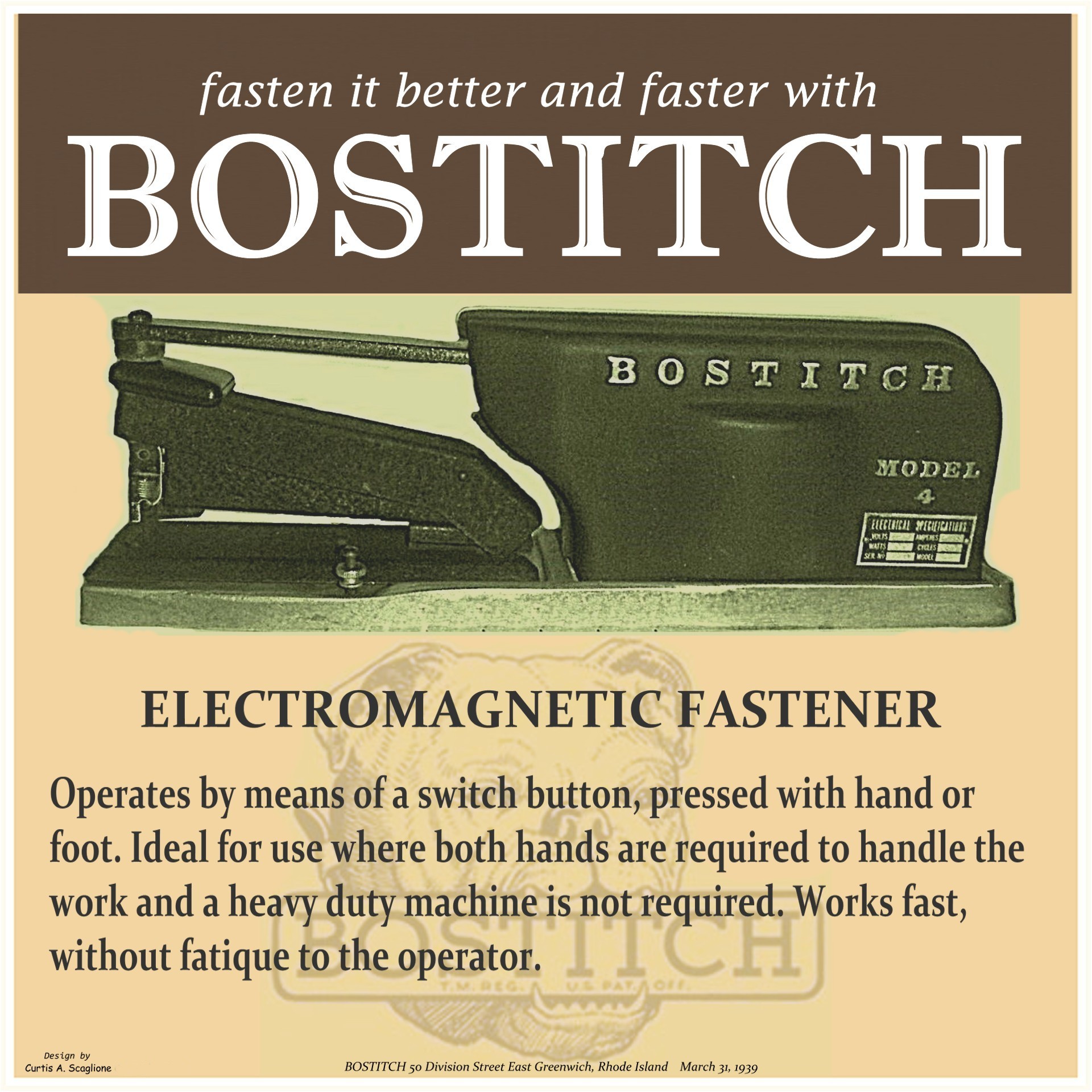
Museum banner 1, designed by Curt Scaglione
See it in the 3D museum · Curt’s page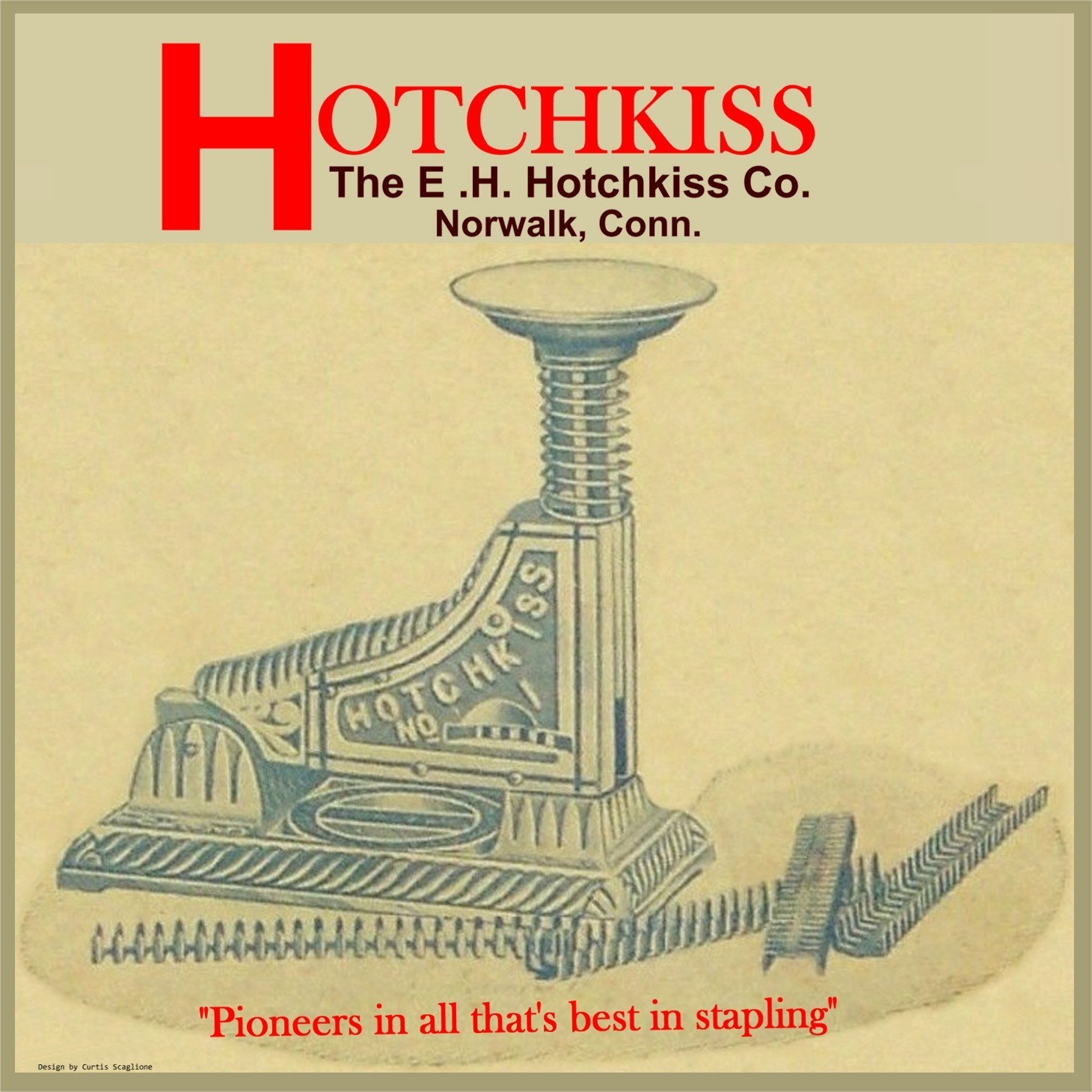
Museum banner 2, designed by Curt Scaglione
See it in the 3D museum · Curt’s page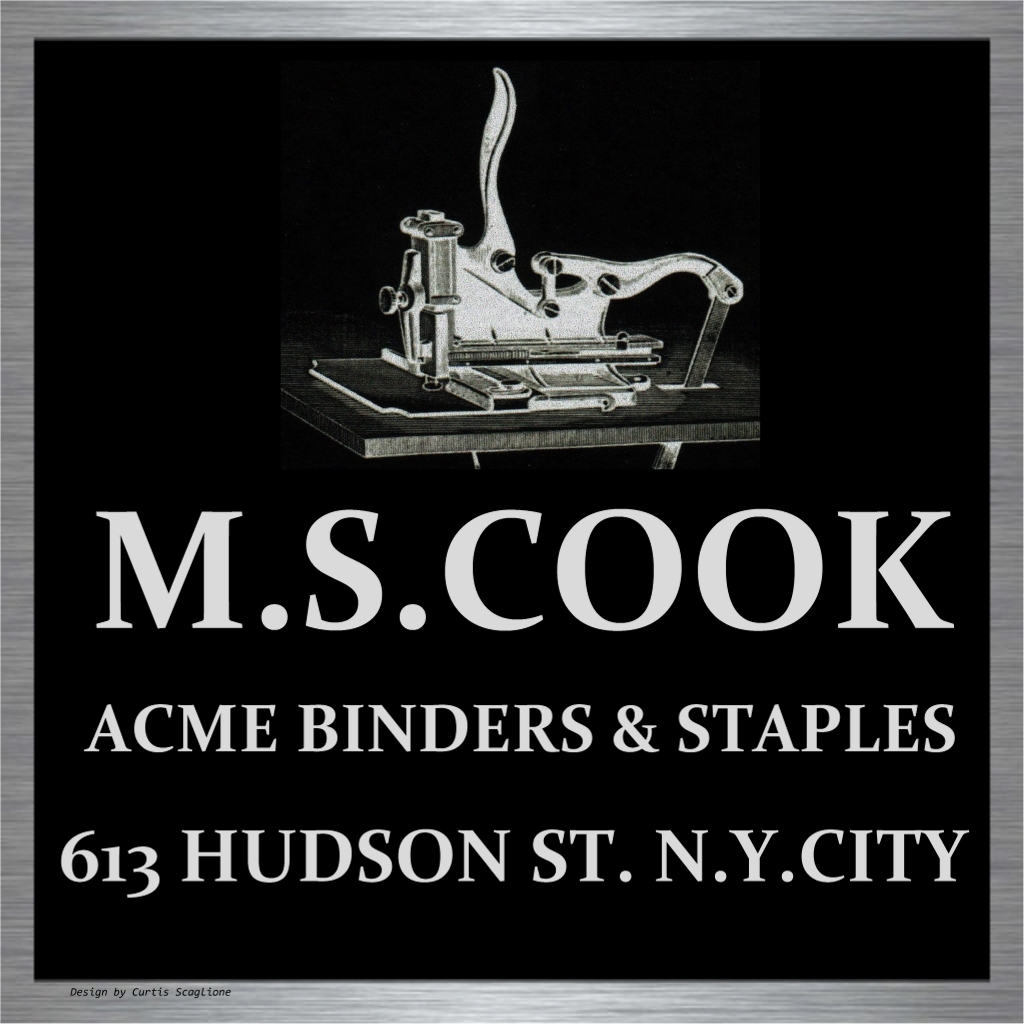
Museum banner 3, designed by Curt Scaglione
See it in the 3D museum · Curt’s page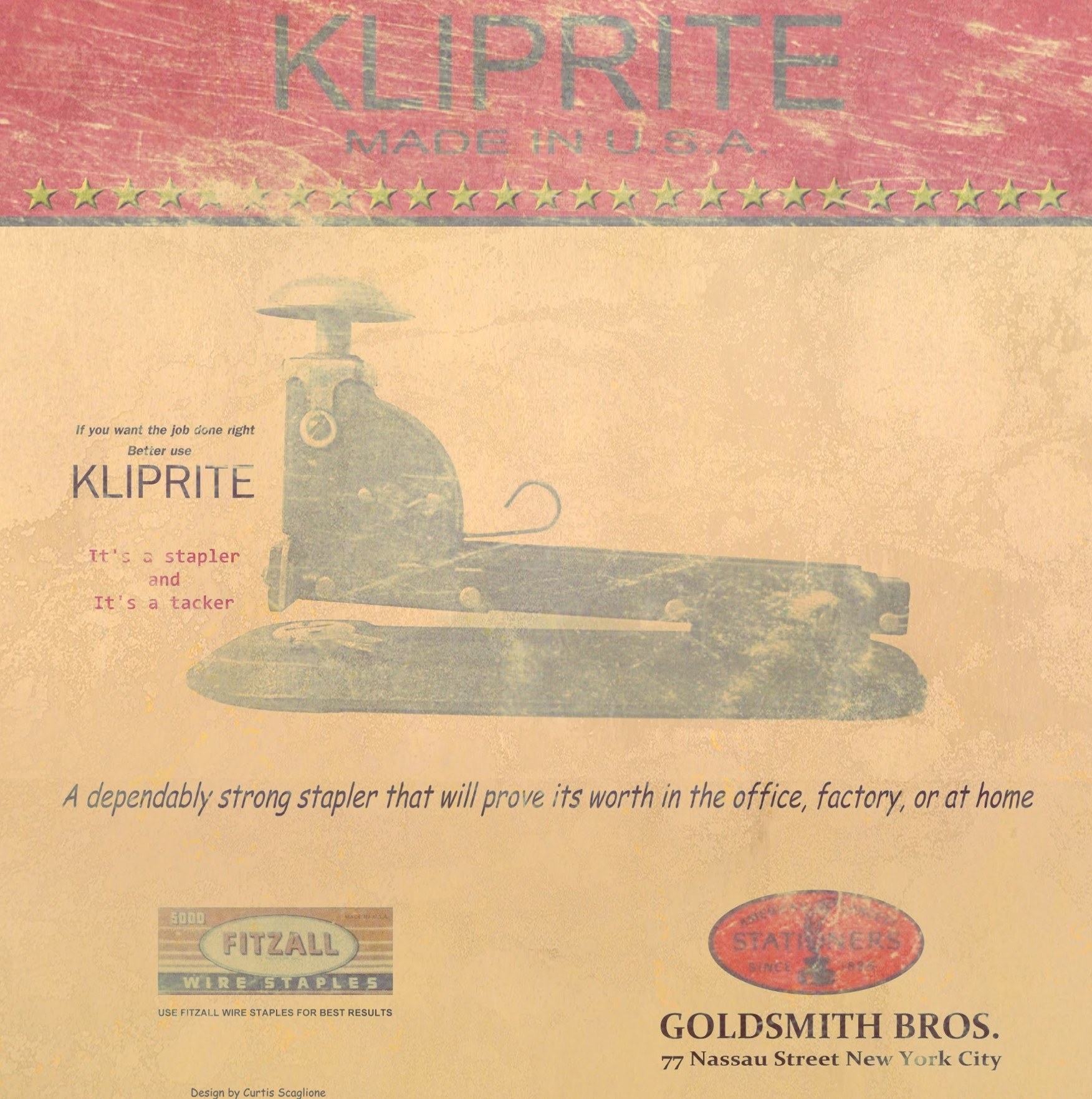
Museum banner 4, designed by Curt Scaglione
See it in the 3D museum · Curt’s page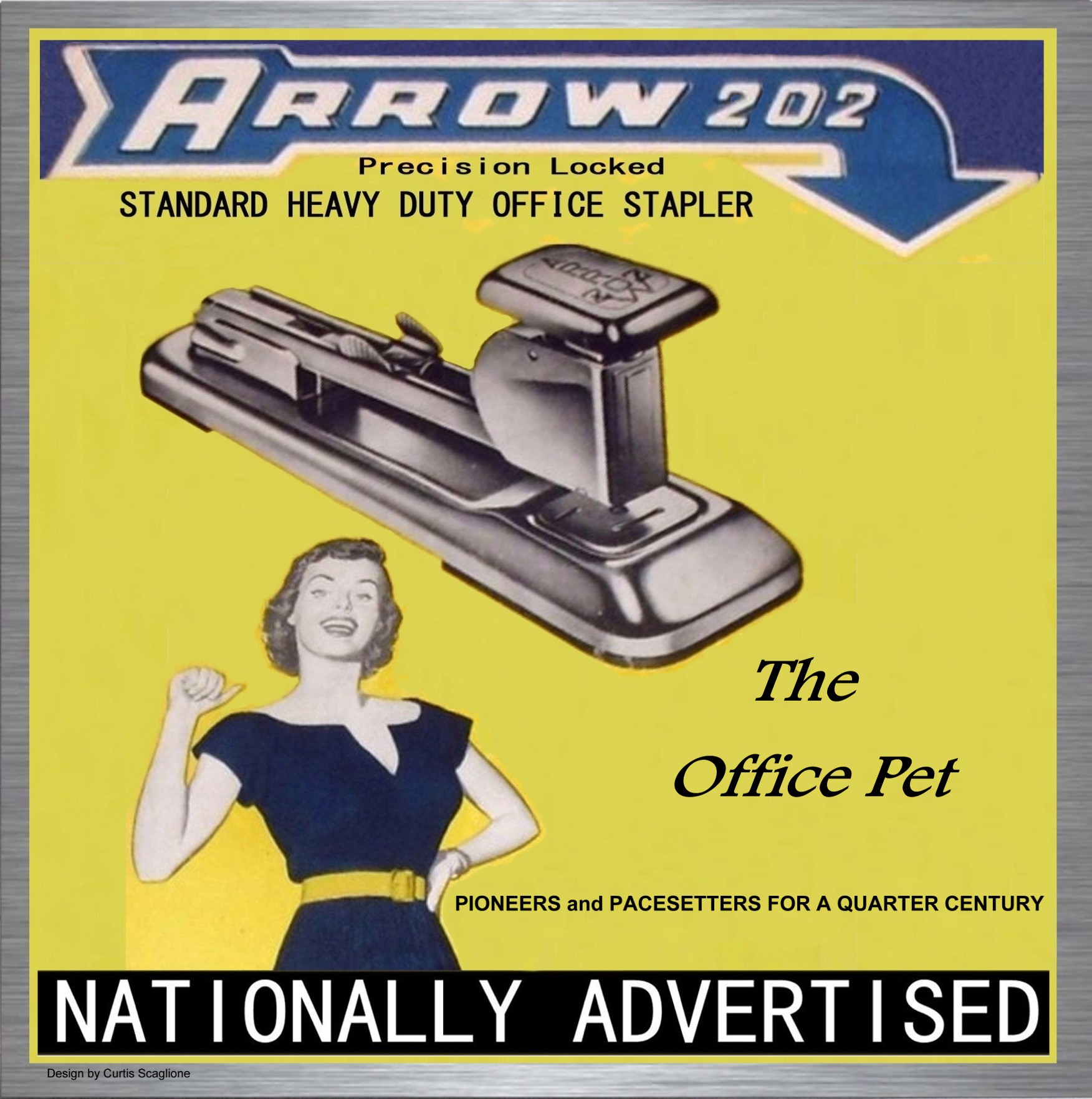
Museum banner 5, designed by Curt Scaglione
See it in the 3D museum · Curt’s page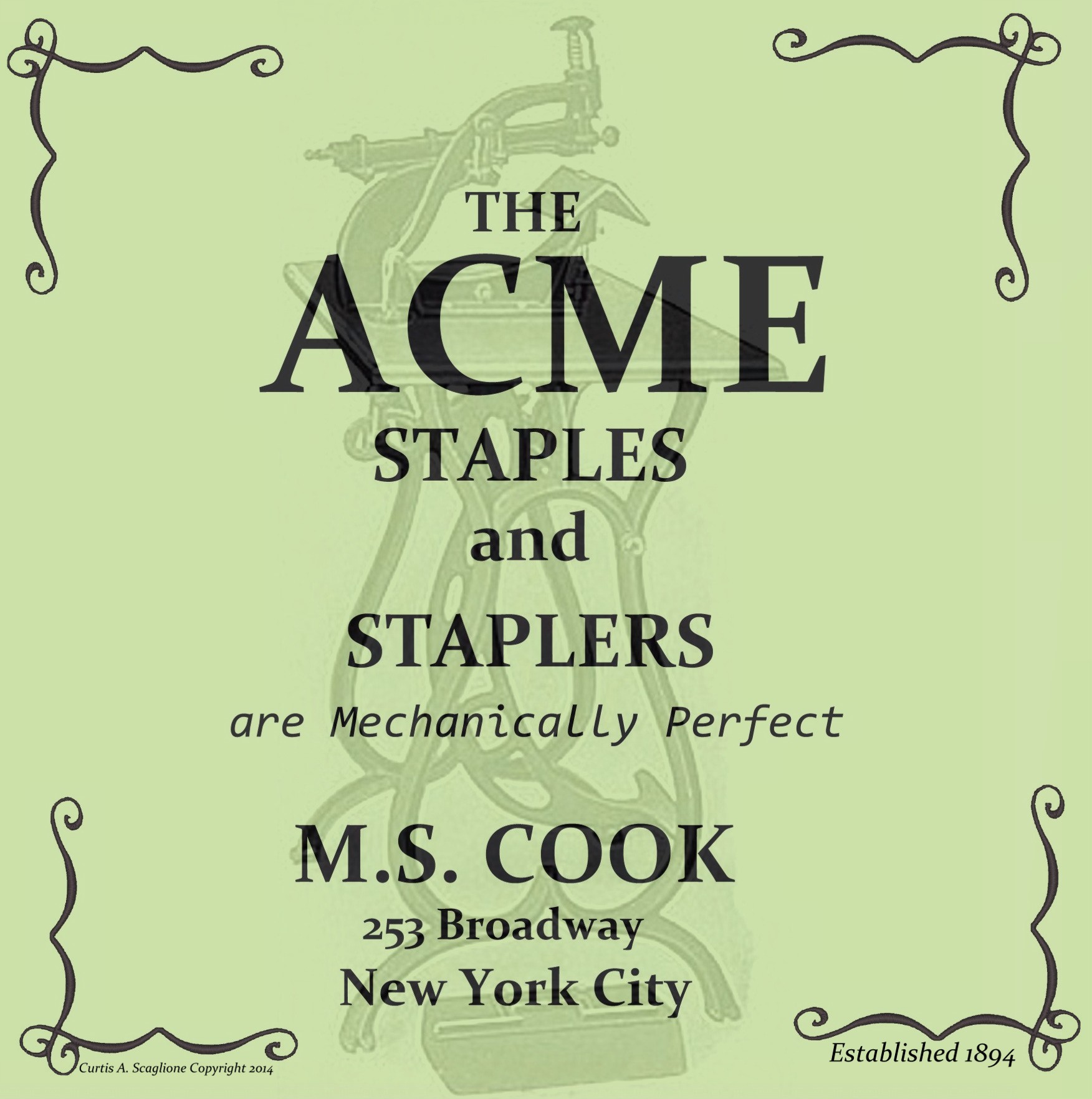
Museum banner 6, designed by Curt Scaglione
See it in the 3D museum · Curt’s page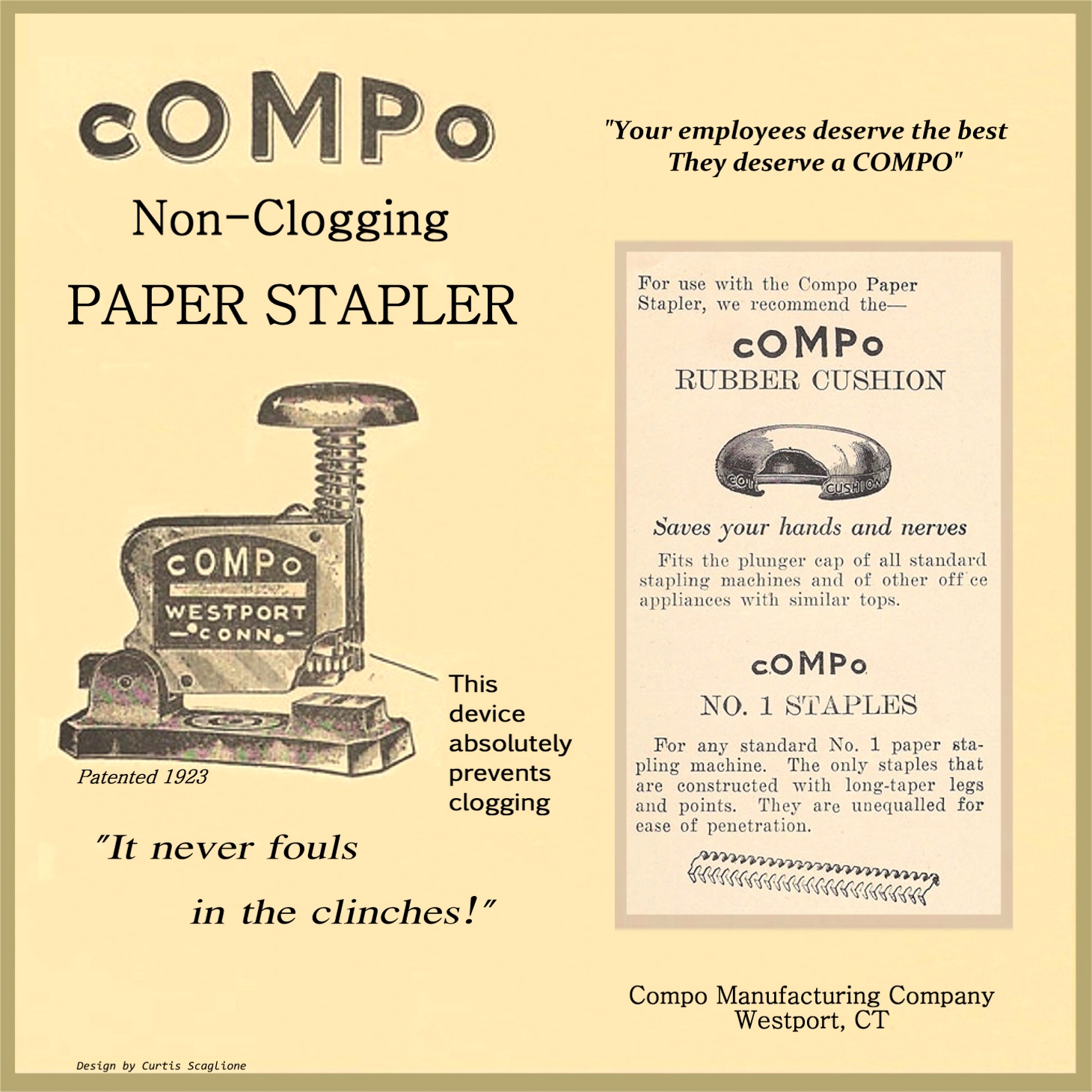
Museum banner 7, designed by Curt Scaglione
See it in the 3D museum · Curt’s page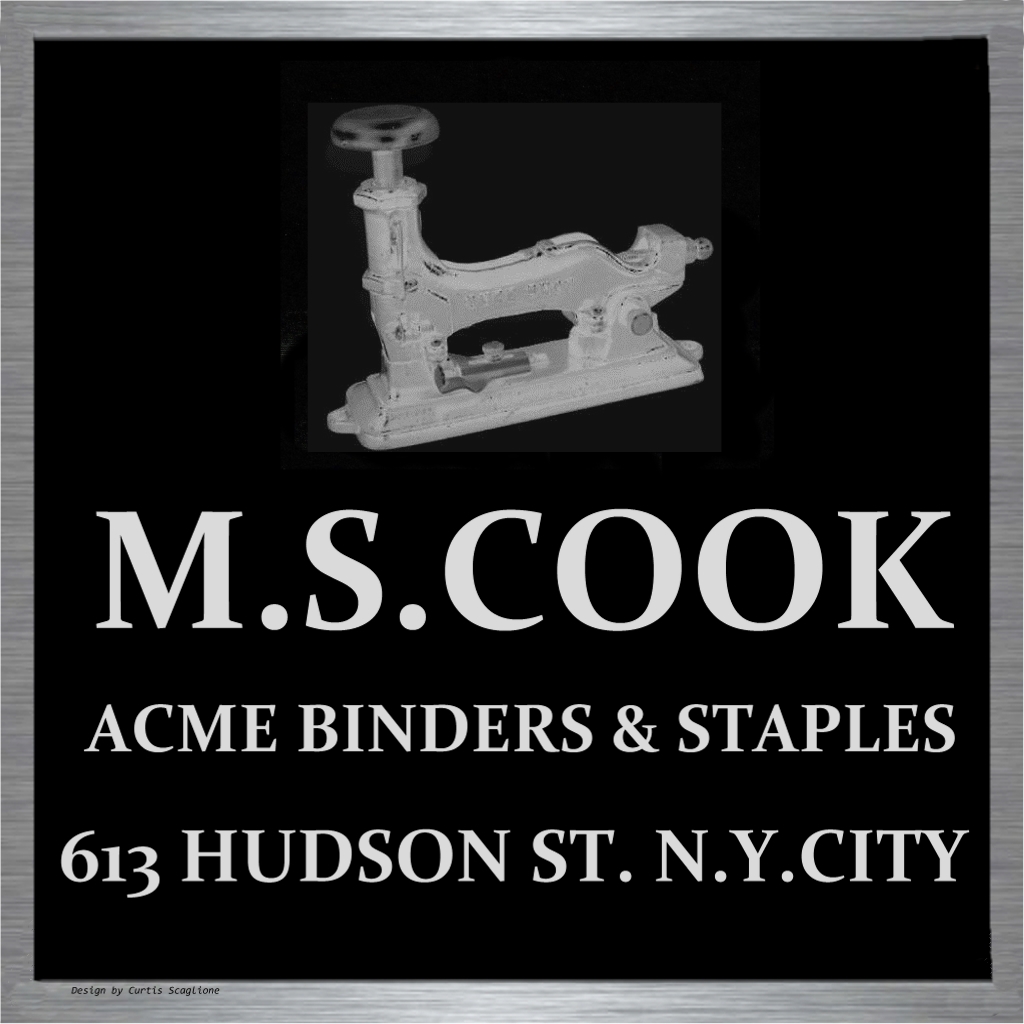
Museum banner 8, designed by Curt Scaglione
See it in the 3D museum · Curt’s page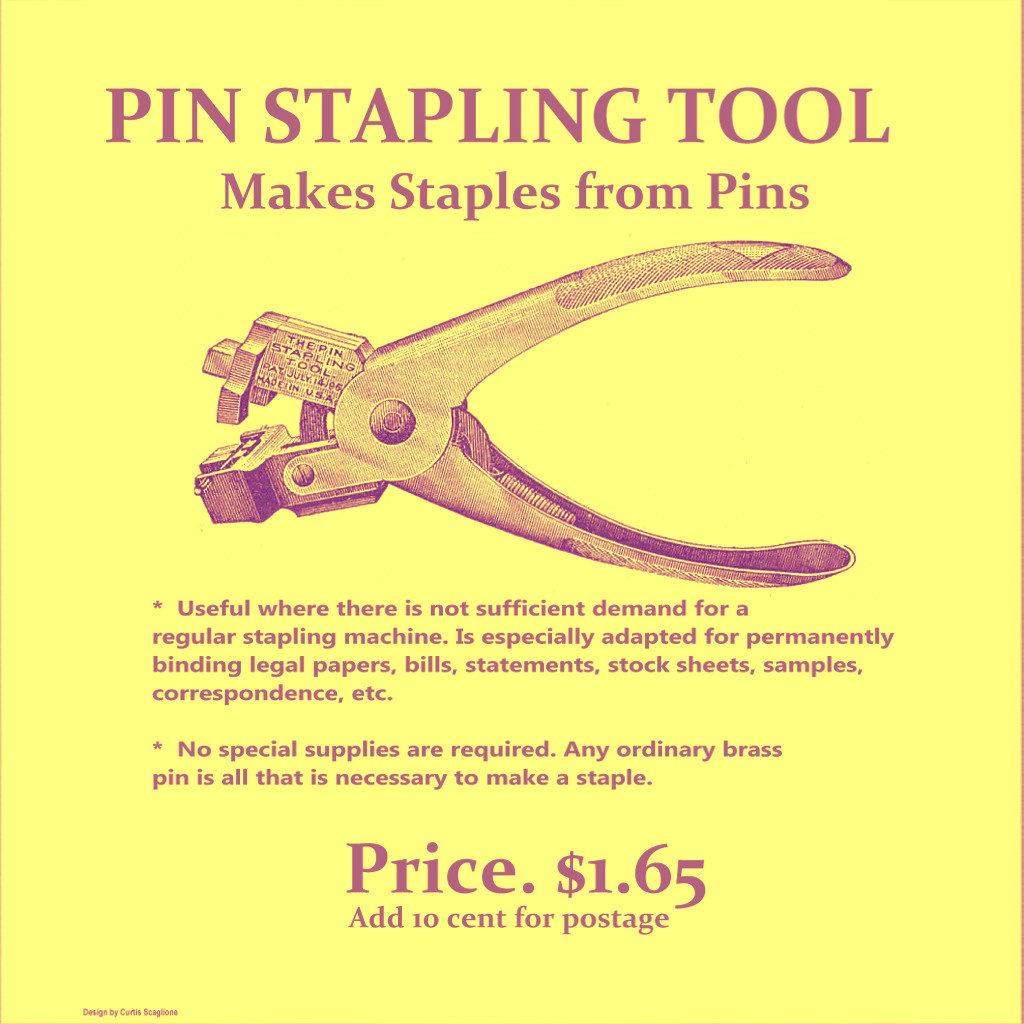
Museum banner 9, designed by Curt Scaglione
See it in the 3D museum · Curt’s page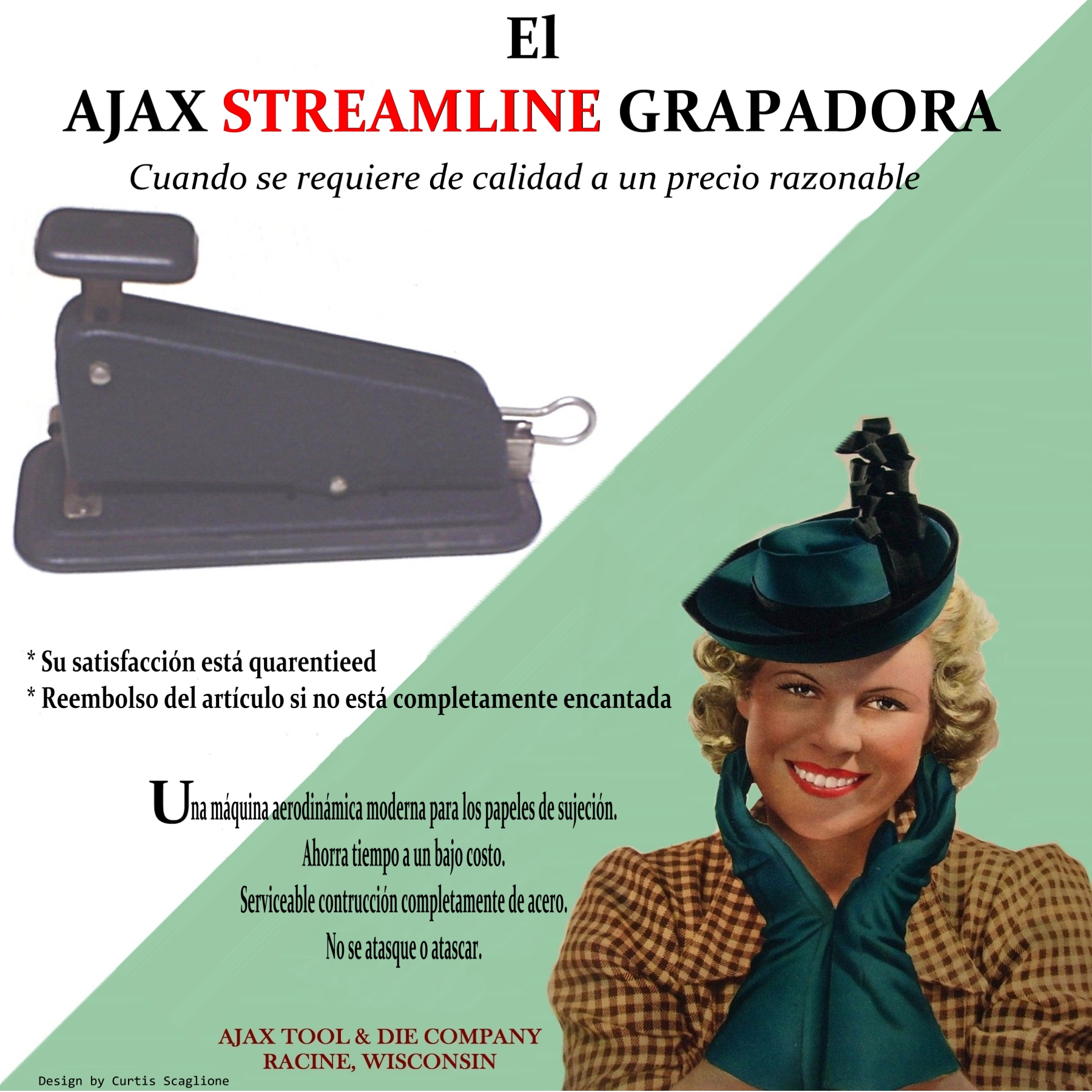
Museum banner 10, designed by Curt Scaglione
See it in the 3D museum · Curt’s page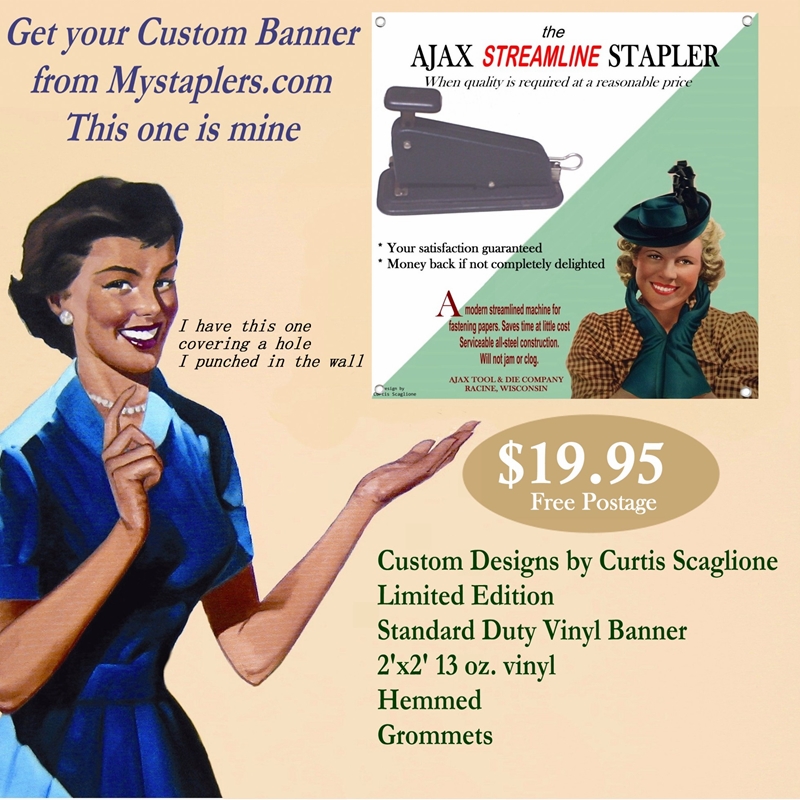
Museum banner 11, designed by Curt Scaglione
See it in the 3D museum · Curt’s page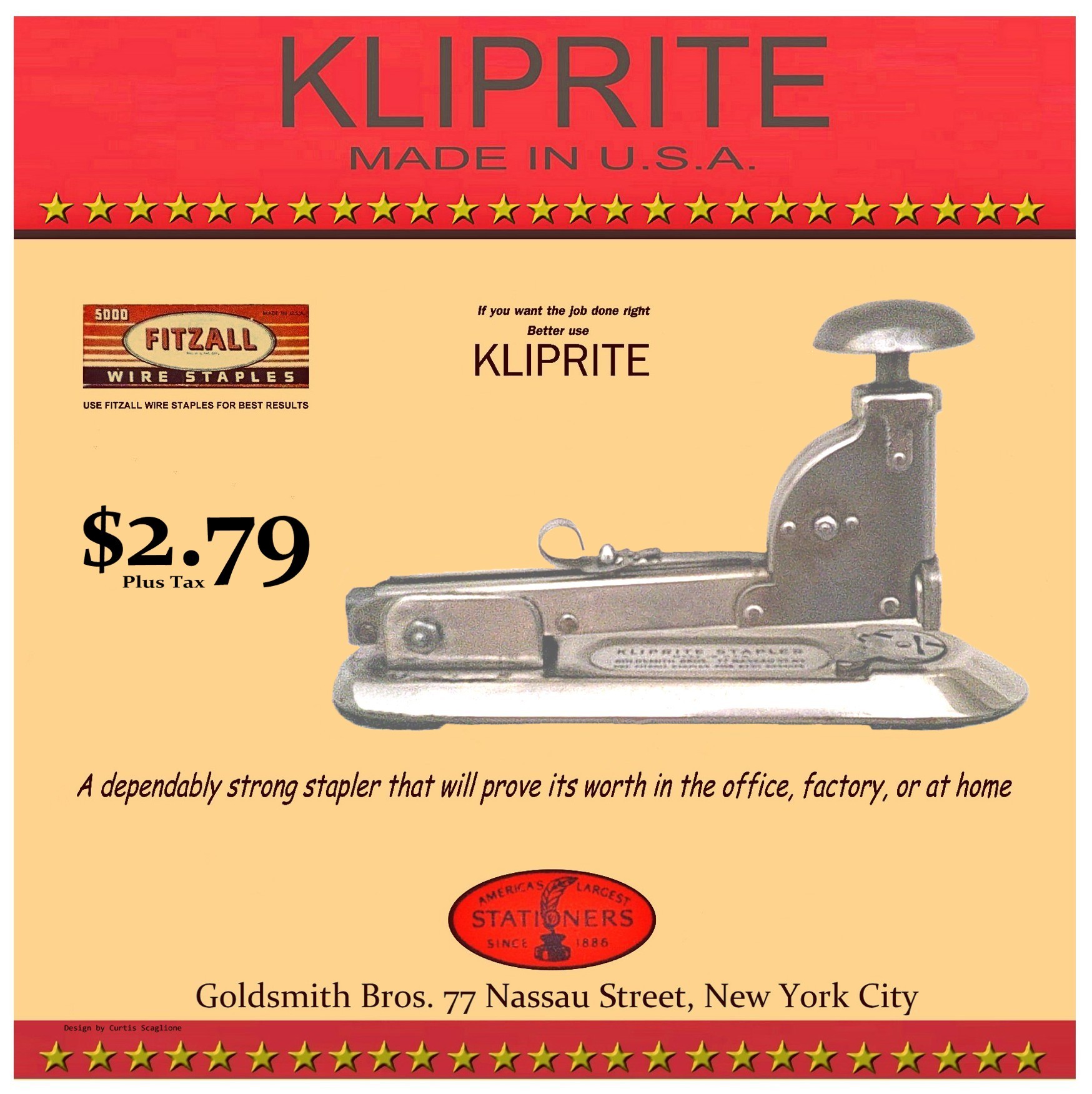
Museum banner 12, designed by Curt Scaglione
See it in the 3D museum · Curt’s page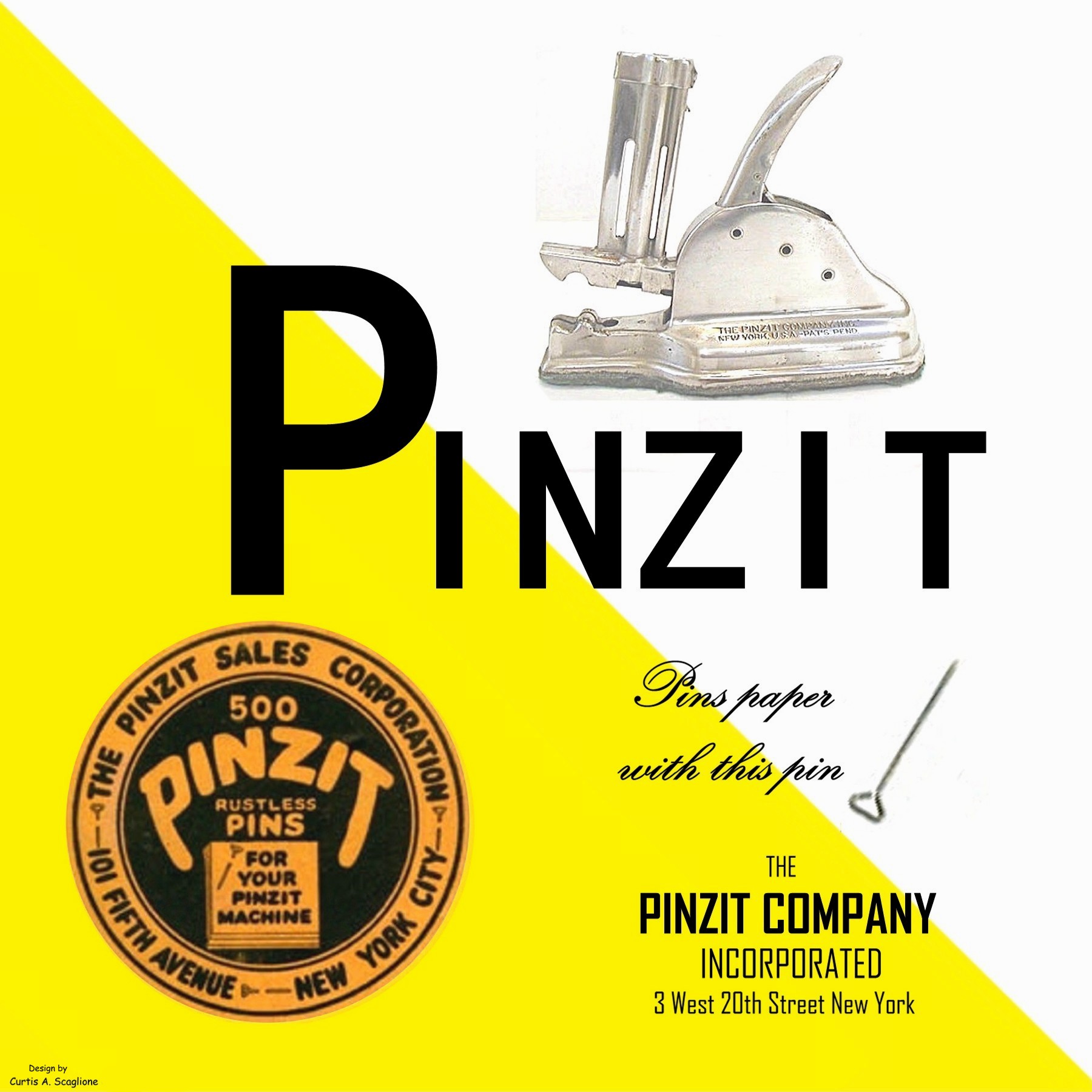
Museum banner 13, designed by Curt Scaglione
See it in the 3D museum · Curt’s page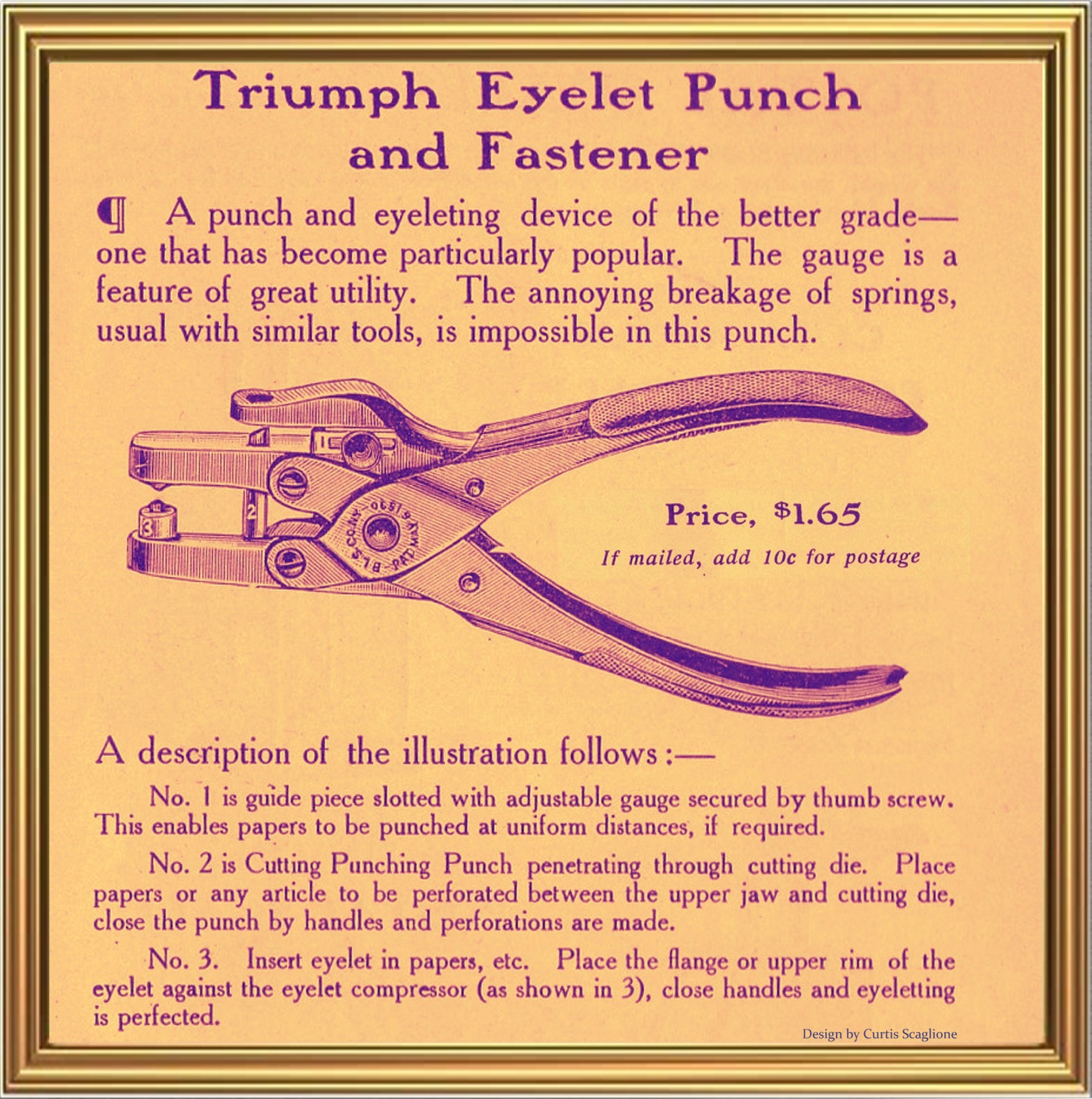
Museum banner 14, designed by Curt Scaglione
See it in the 3D museum · Curt’s page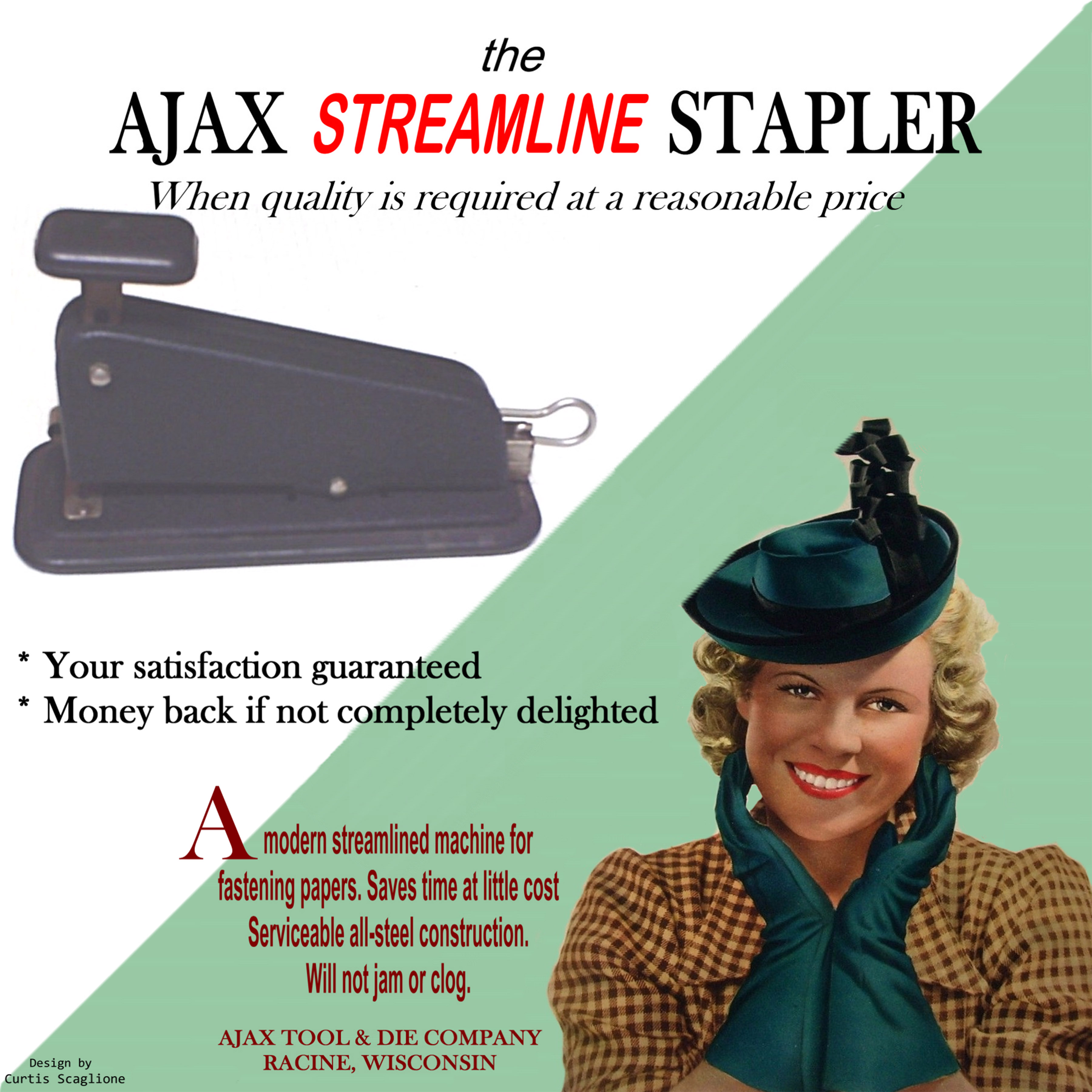
Museum banner 15, designed by Curt Scaglione
See it in the 3D museum · Curt’s page


The Exhibition Hall
See this gallery in the 3D museum · Curt’s page for The Exhibition Hall
Stapler (1925) Top Shelf
See it in the 3D museum · Curt’s page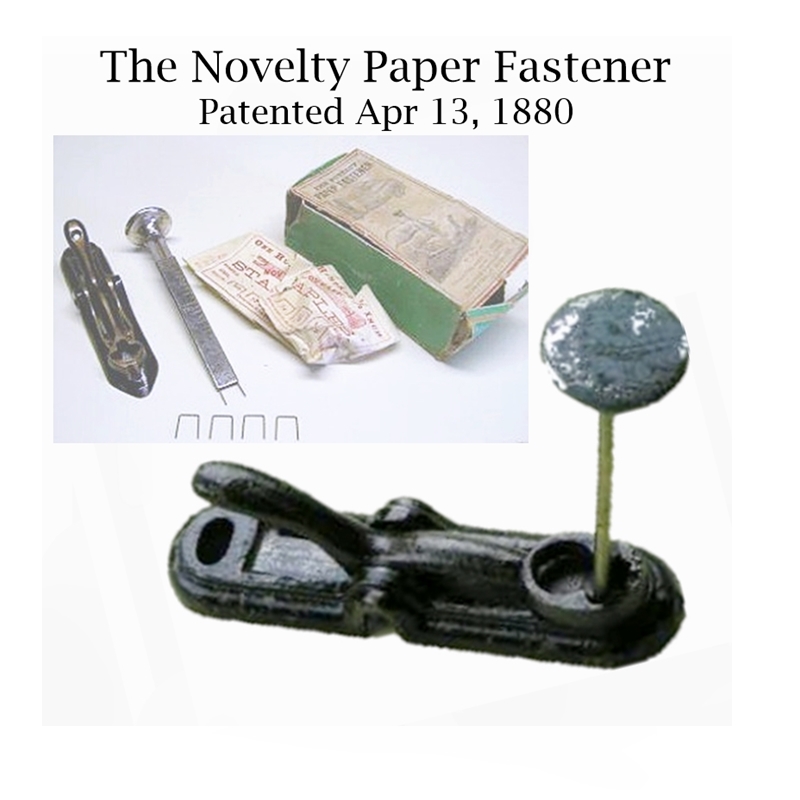
Novelty Stapler 1880
See it in the 3D museum · Curt’s pageHollerith Tabulating 1901 Machine Top Shelf
See it in the 3D museum · Curt’s pageHotchkiss No. 4 Stapler (1925) Top Shelf
See it in the 3D museum · Curt’s pageScrew-Driven Seal Press, Lorraine/Phalsbourg region, circa 1820 Top Shelf
See it in the 3D museum · Curt’s page

The Library
Curt’s books and catalogues, to read page by page in the museum’s Library or as PDFs.
- Fastener History: Fact, Fiction, and Folklore (PDF)
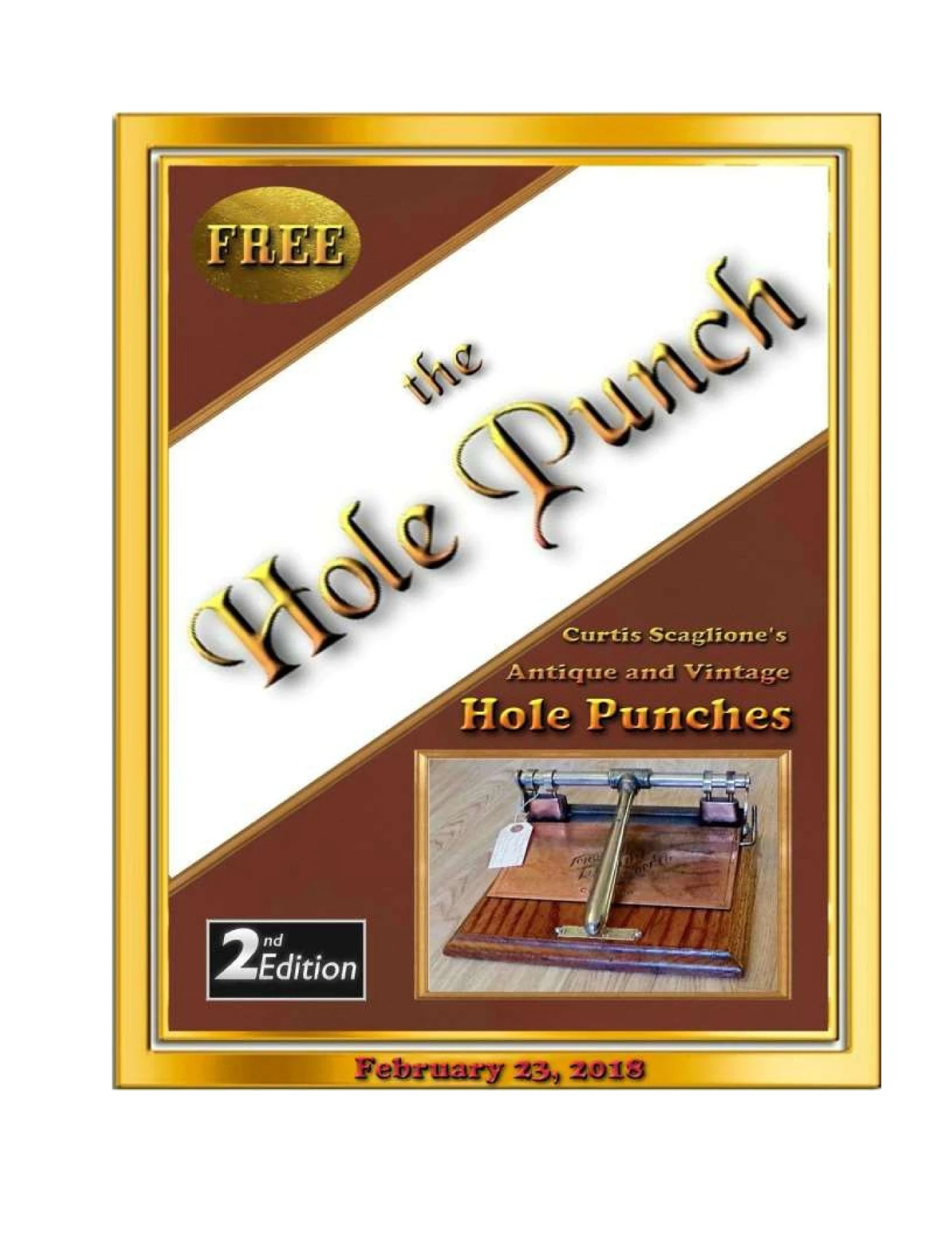
- The Hole Punch as a Collectible (PDF)
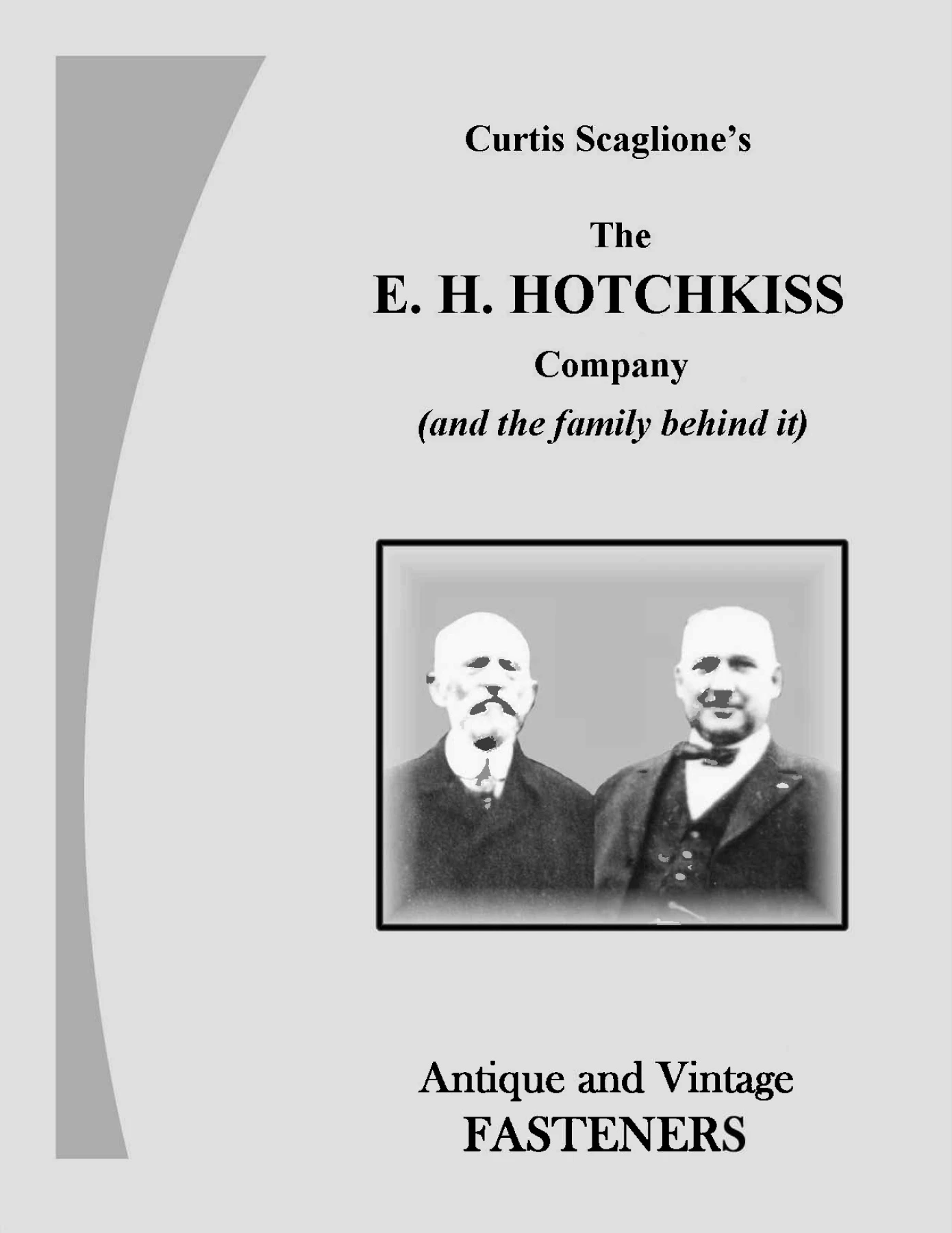
- The E. H. Hotchkiss Company (and the family behind it) (PDF)
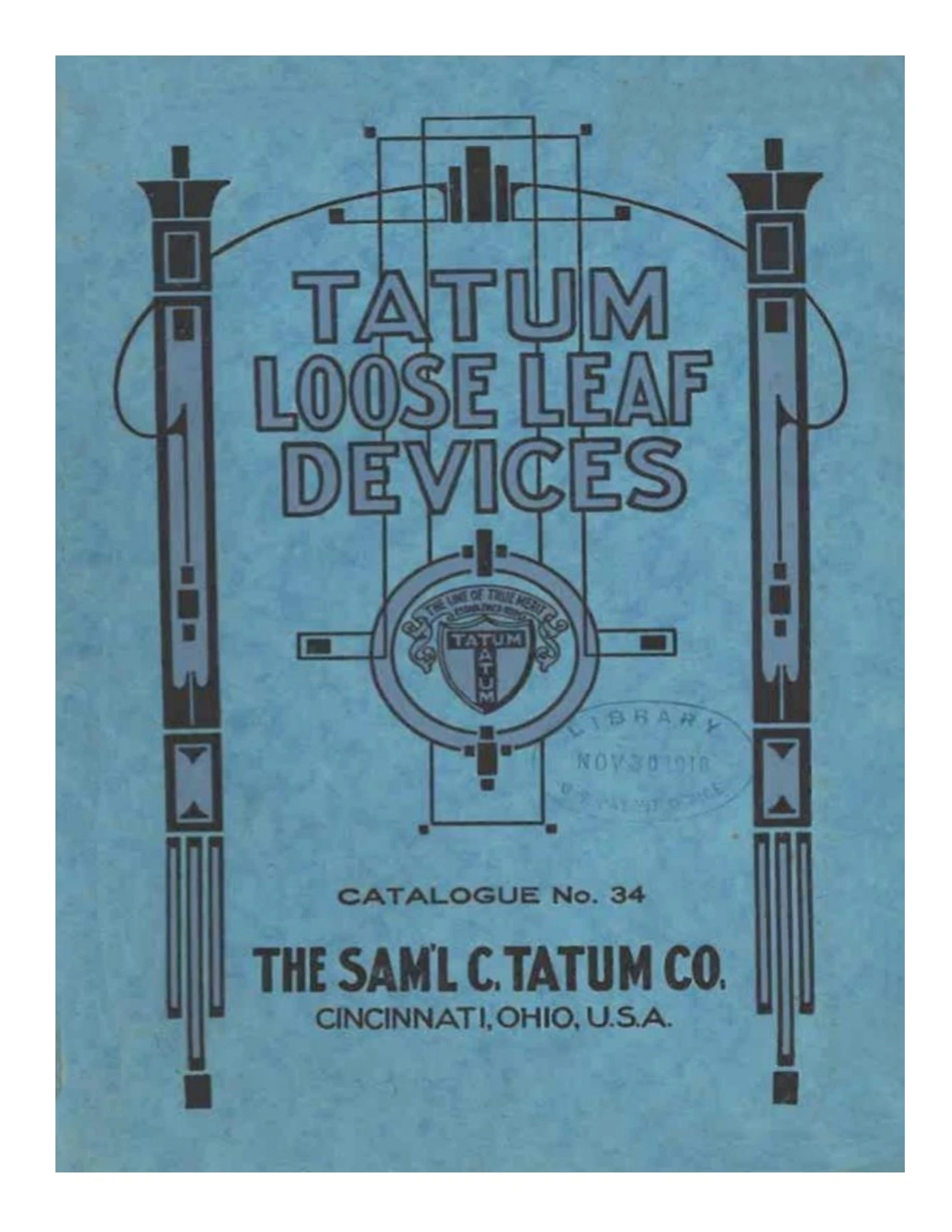
- The Sam'l C. Tatum Co., Catalog Number 27 (PDF)
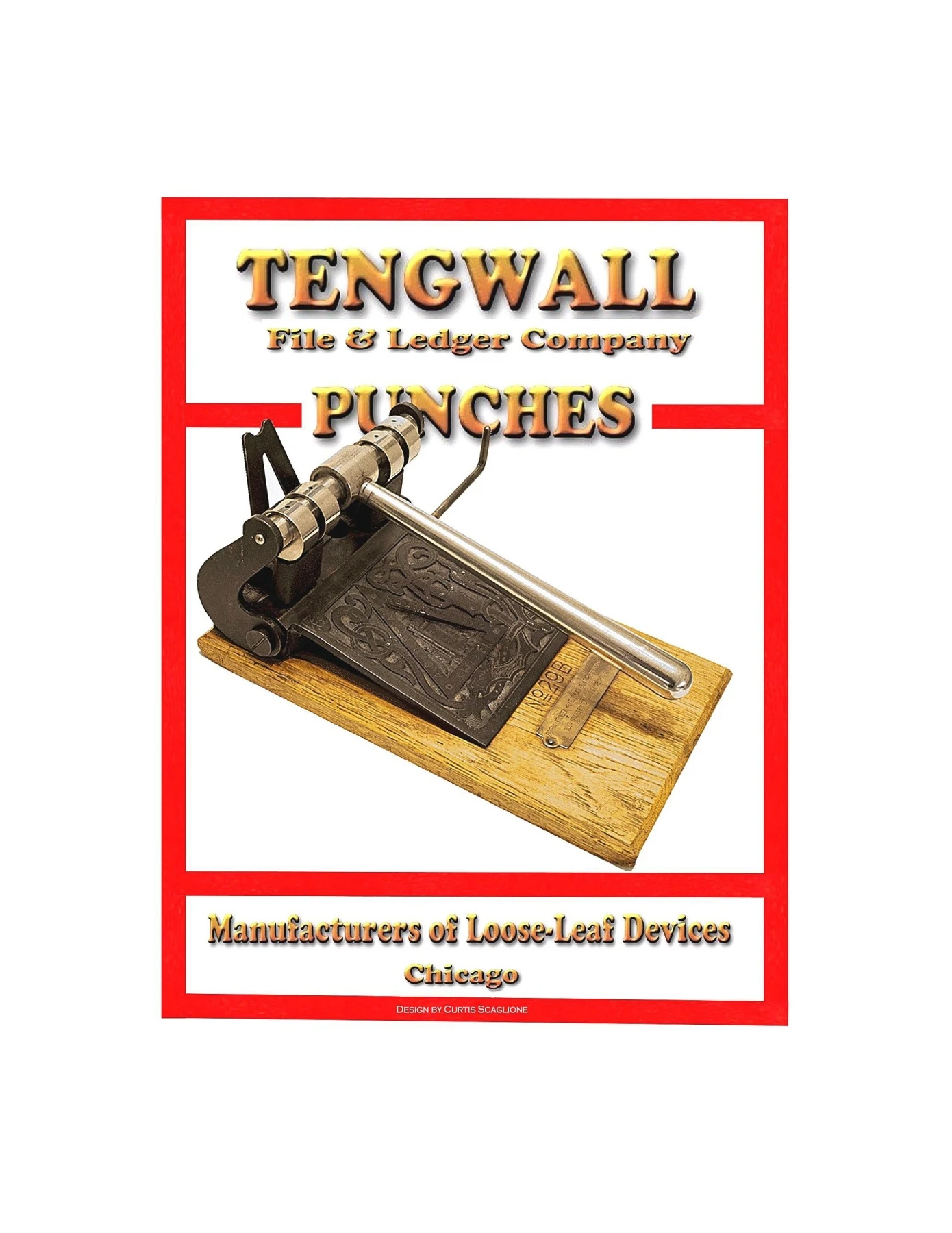
- Tengwall File & Ledger Company Punches (PDF)
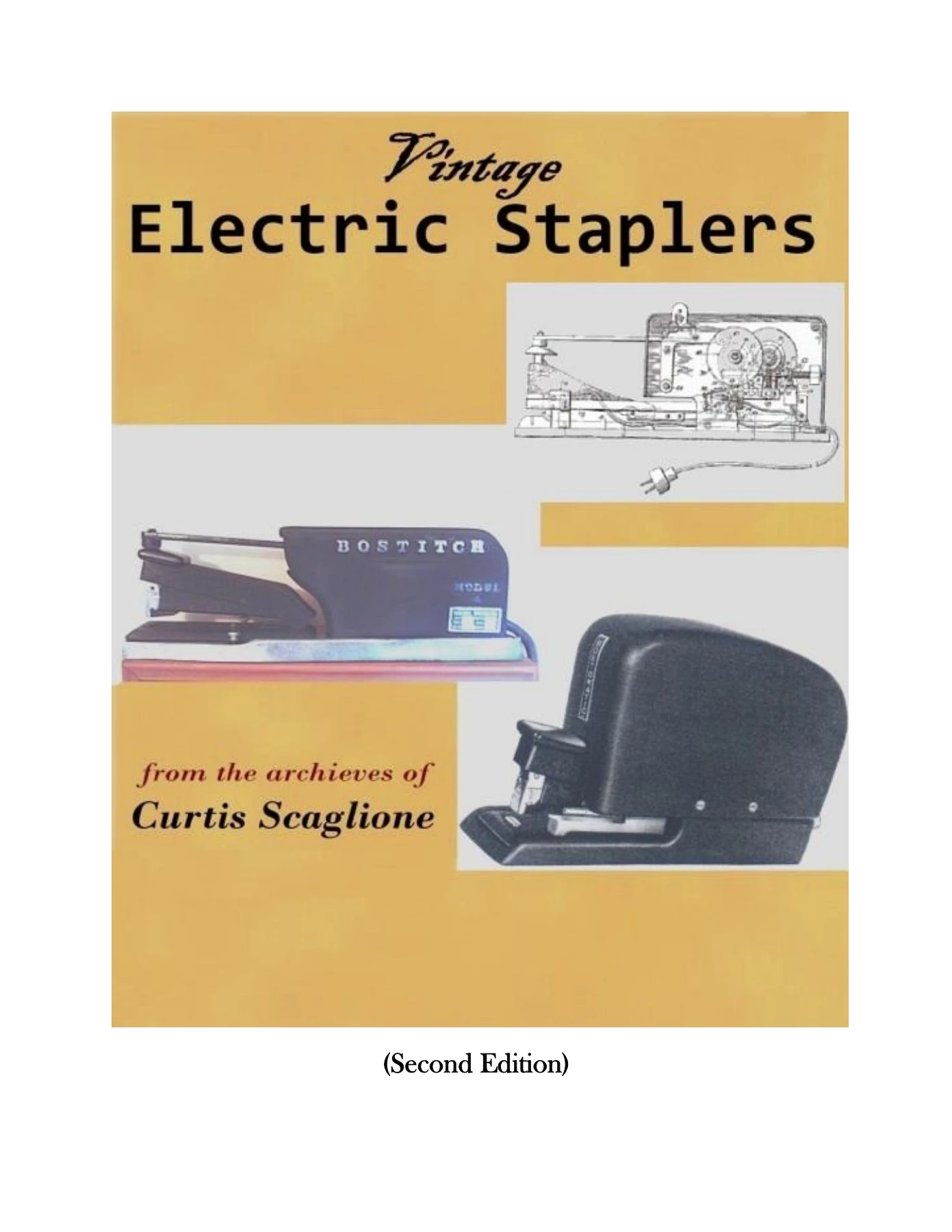
- Vintage Electric Staplers (Second Edition) (PDF)
Curt’s bookcase: 41 books, read in the museum
“Created to accent officemuseum.online, this selection of booklets represent a small portion of my work on the subject of antique and vintage office machines. Other catalogs have been selected and presented for the enjoyment of my fellow collectors.”
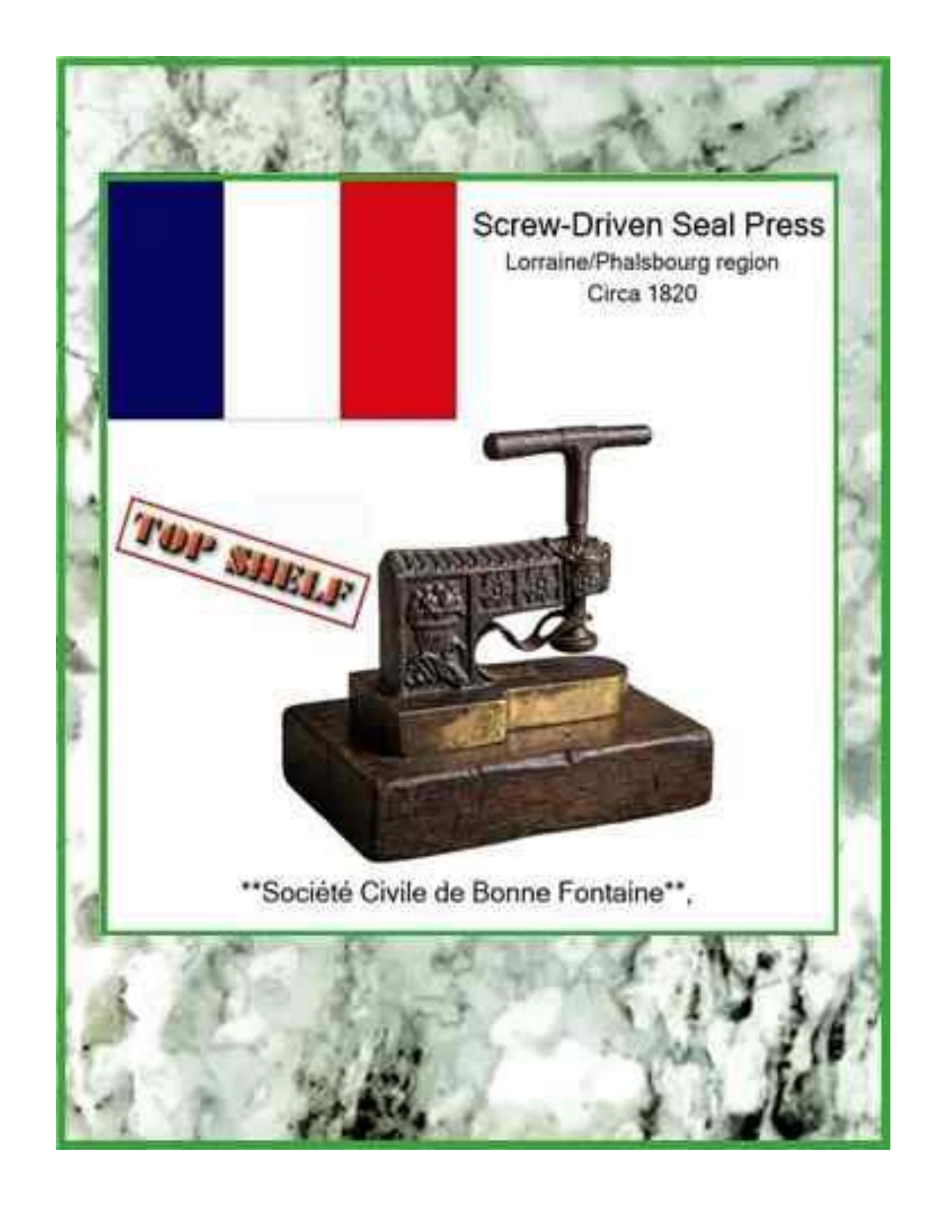
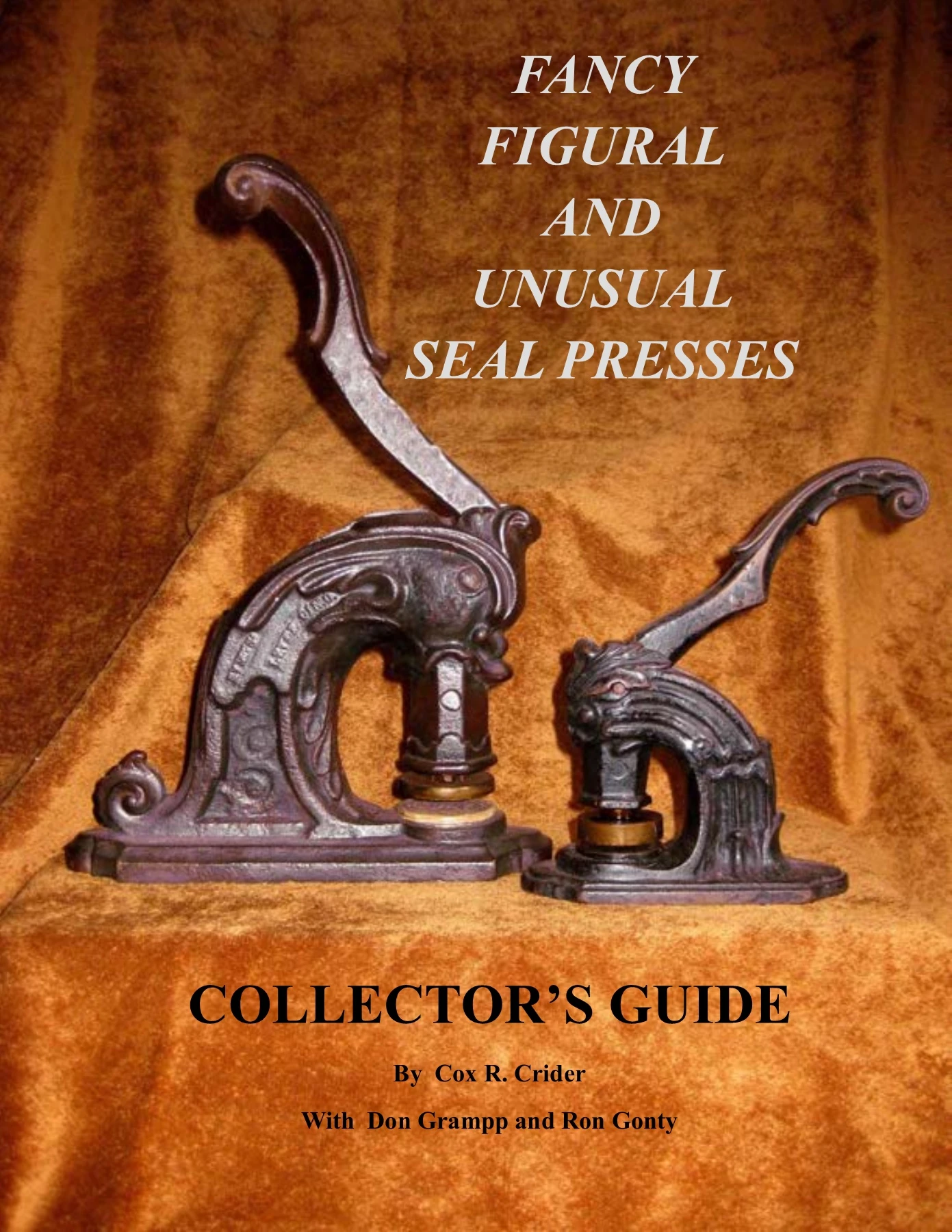
- Screw Driven Seal Preess (21 pages). This was made circa 1820 with the purpose of placing a wax seal on documents. first page
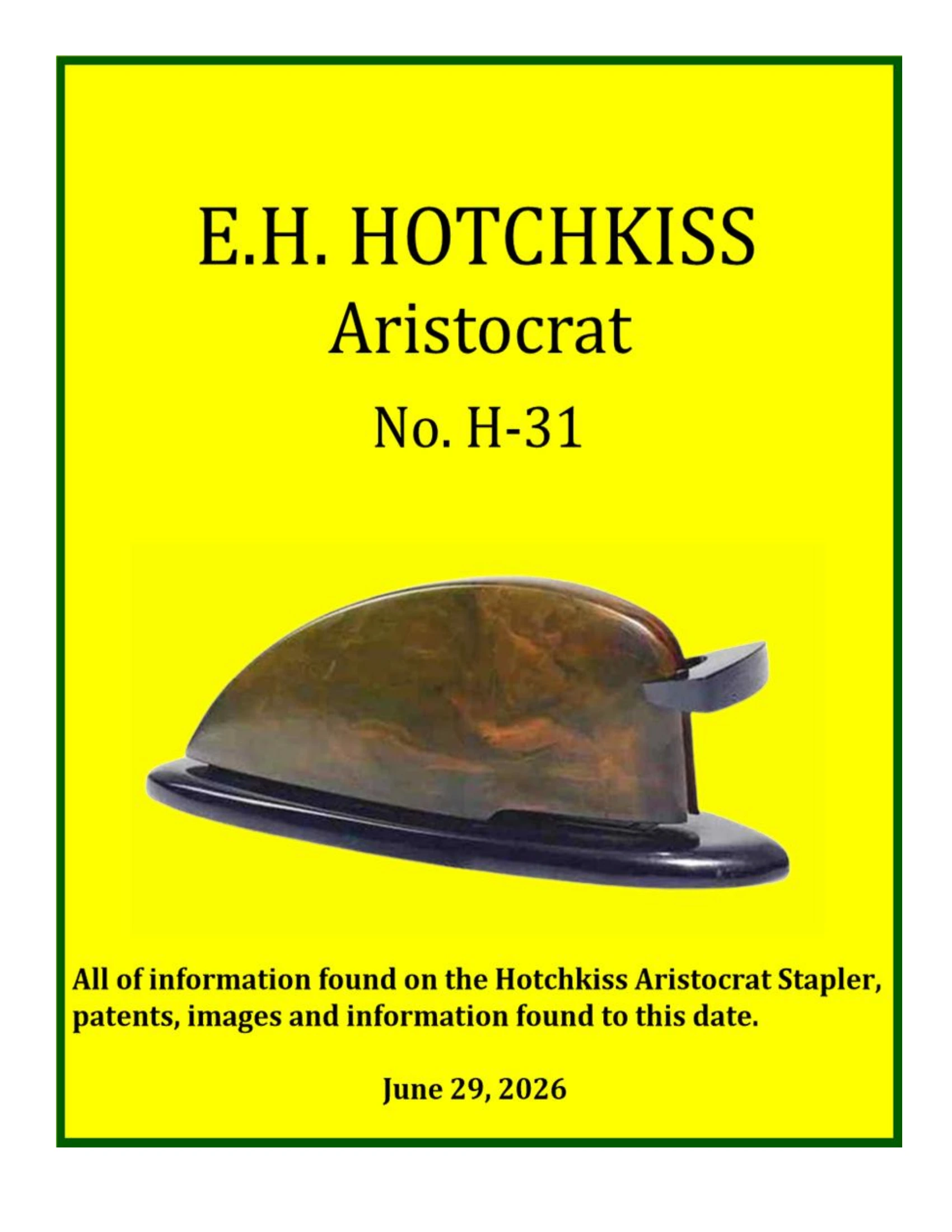
- Hotchkiss Aristocrat Stapler (16 pages). This is the story of the Hotchkiss Aristocrat Stapler. I attempted to tract the complete store as it is precented to us on line and with the help others. this information is helpful to all in learning the history. first page
- Sieber & Trussell Mfg. Co. (22 pages). With the help from AI we created catalog of all S&T Hole Punches that we were able to find. This data was extremely hard to find as it would appear most of this information has been lost to time. first page
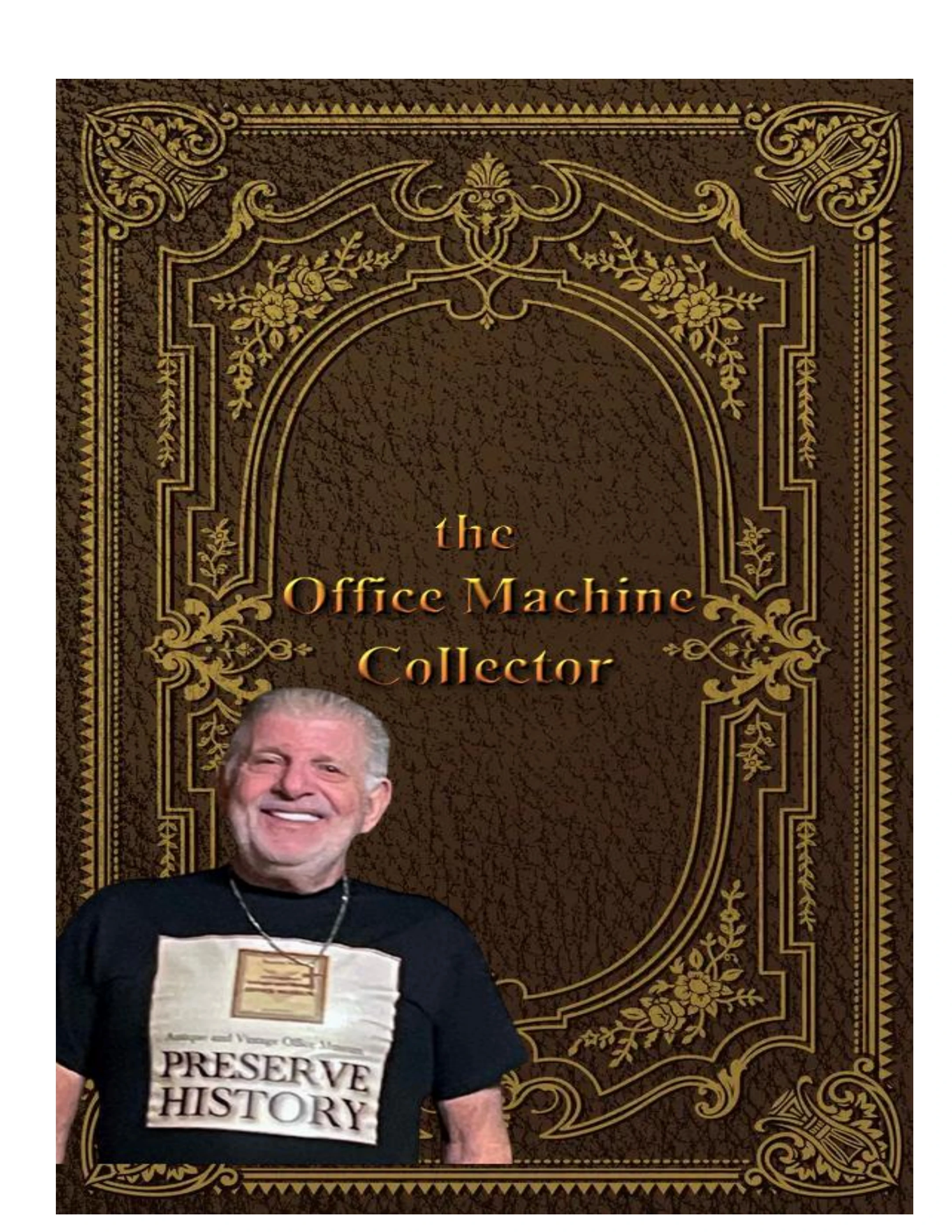
- The Office Machine Collector (21 pages). Who and why we collect first page
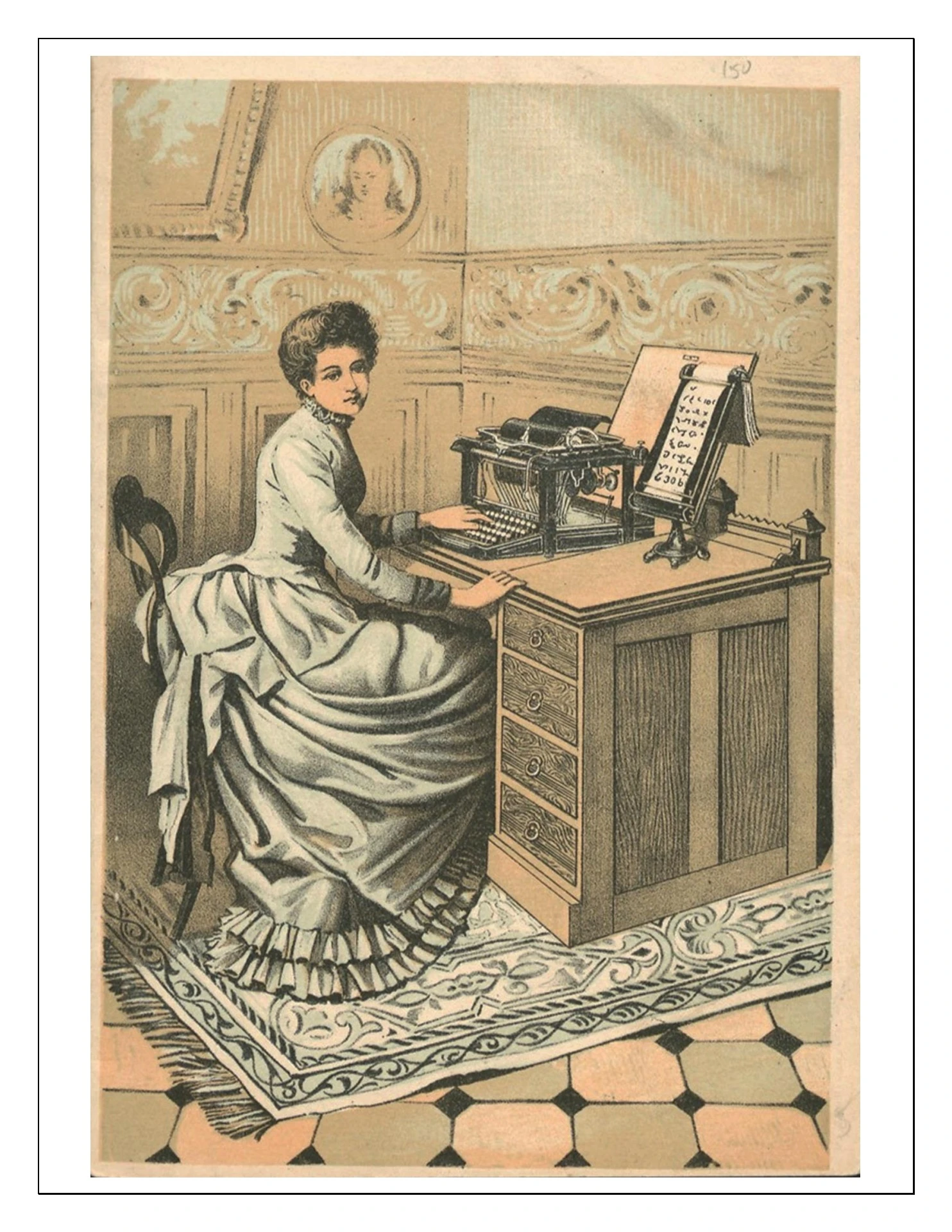
- The U.S. Army and the Typewriter (9 pages). After many hours of research this book came to be after good through countless documents. This research predates the internet. first page
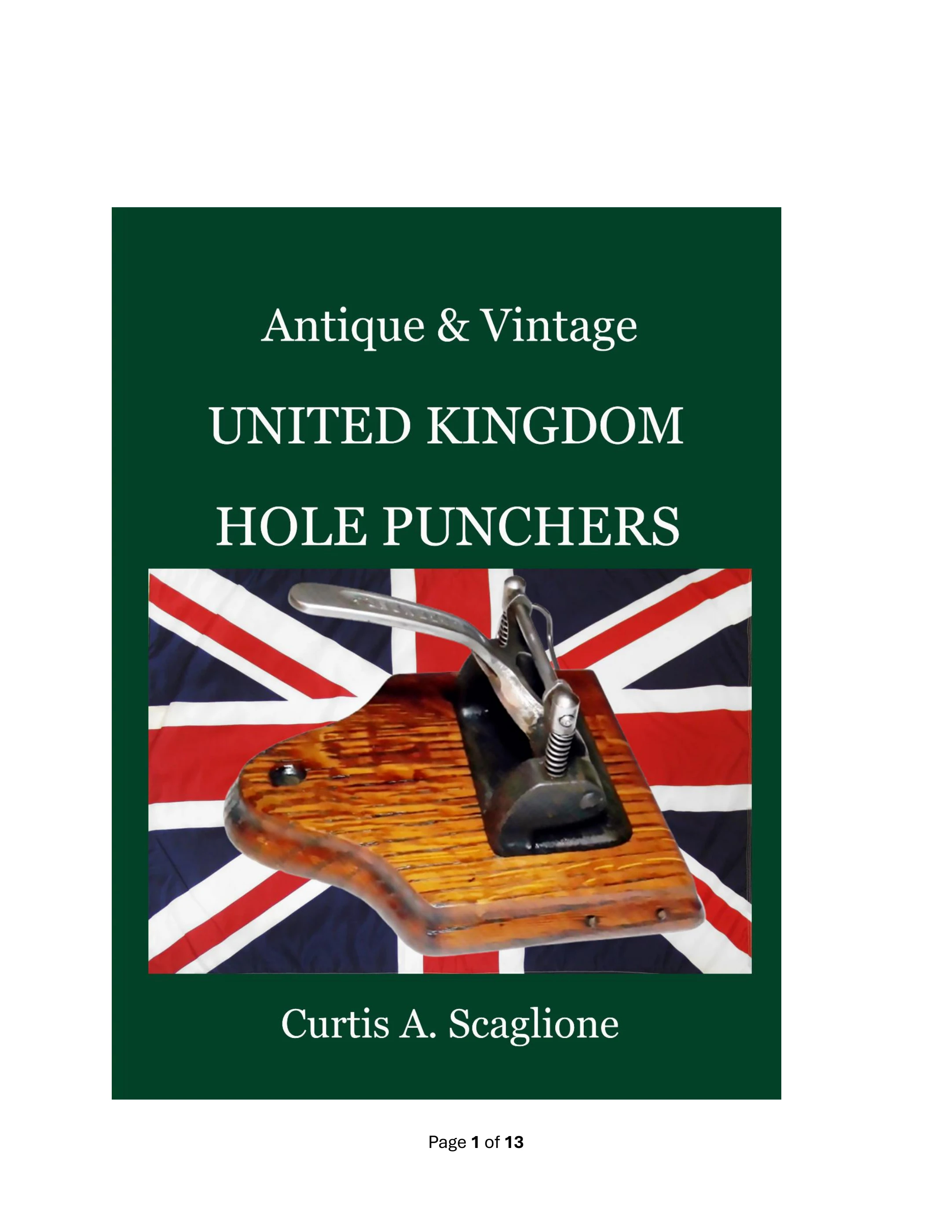
- Antique and Vintage United Kingdom Hole Punches (13 pages). Hole punches and perforators that were produced in the United Kingdom first page
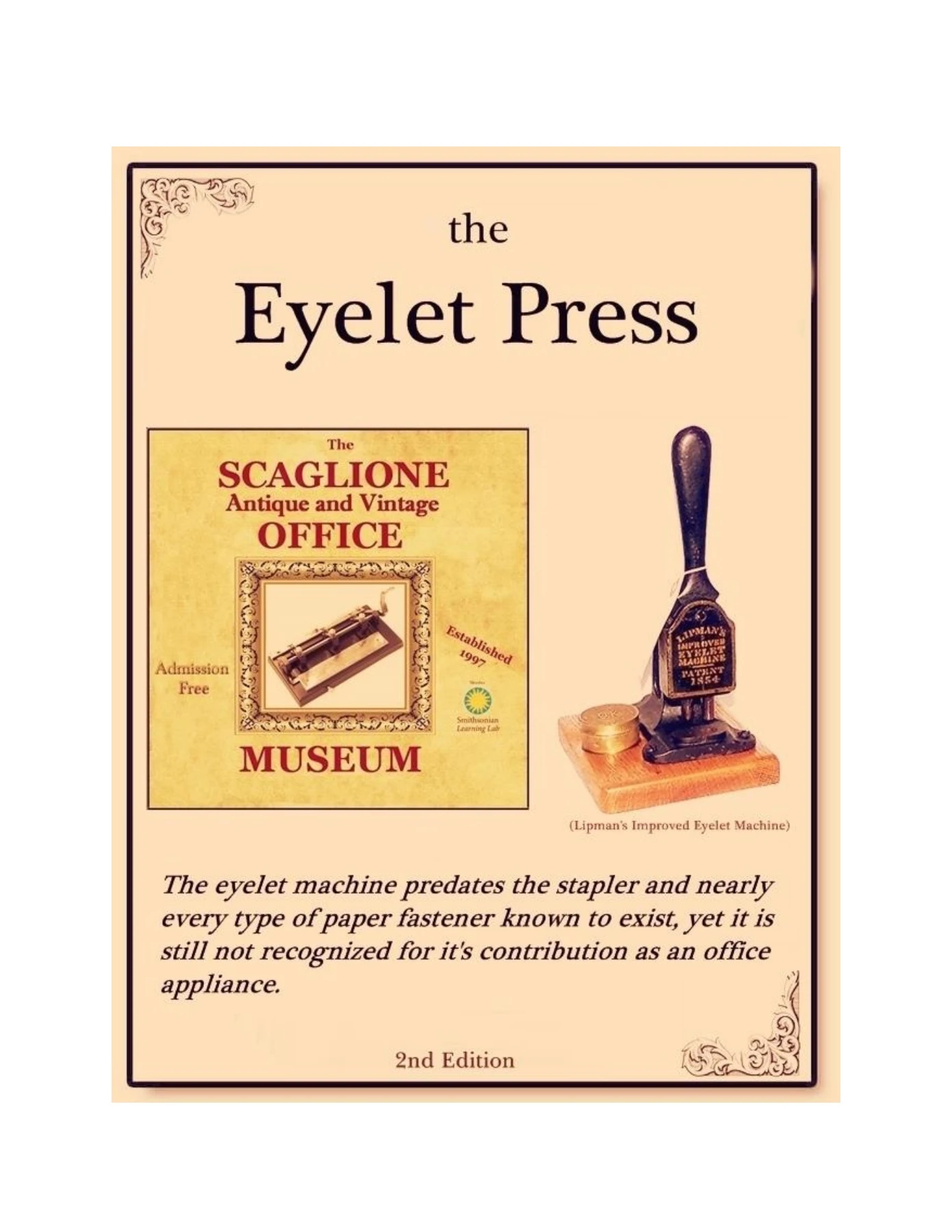
- The History of the Eyelet Machine (50 pages). Eyelet Machines from the 1854's. This indept reviews explains the Eyeleter. first page
- The Sam'l C. Tatum Company (32 pages). 2nd Edition. This edition has more information about the leaders of the company. first page
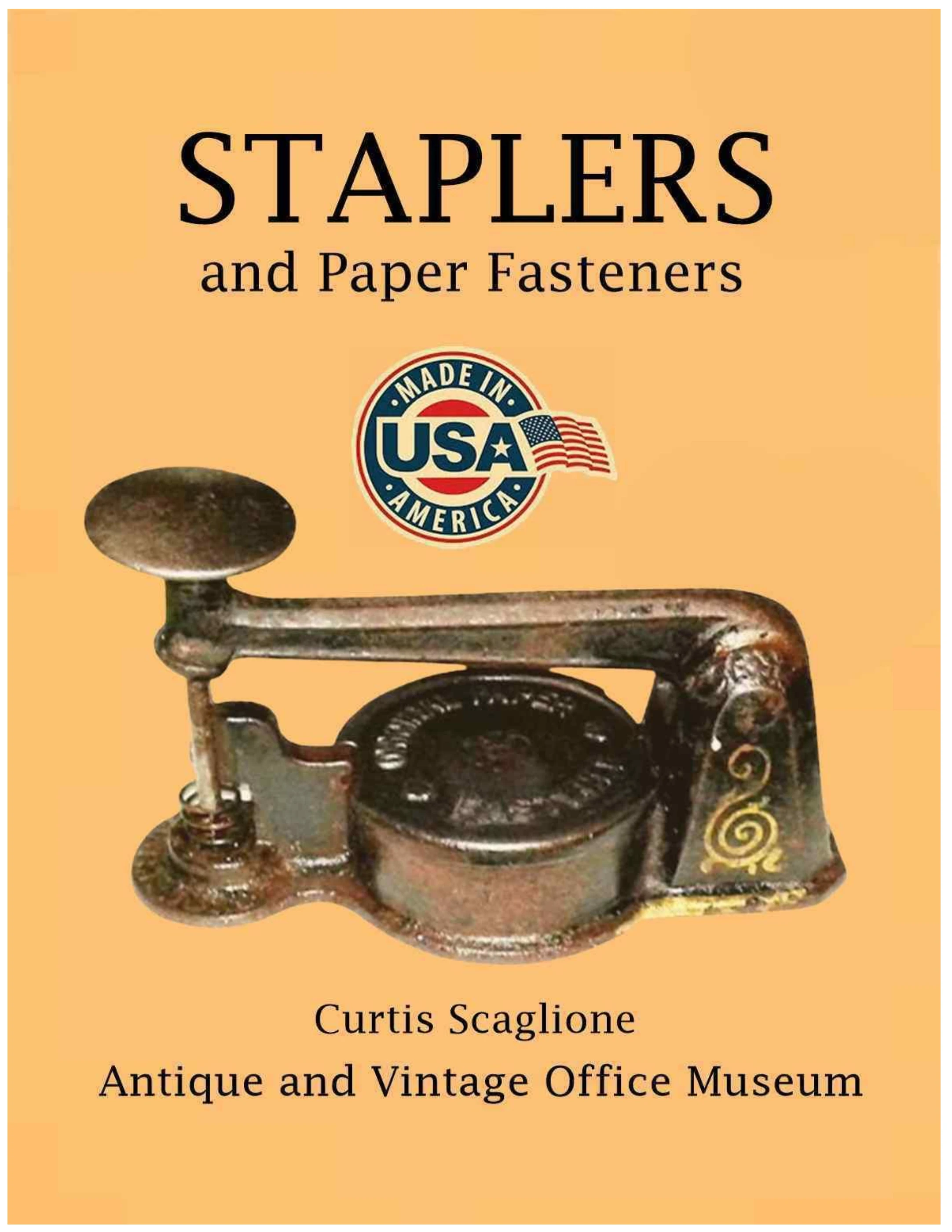
- Staplers and Paper Fasteners (132 pages). Antique and Vintage Staplers and Paper Fasteners dating from 1880's to the 1960's. first page
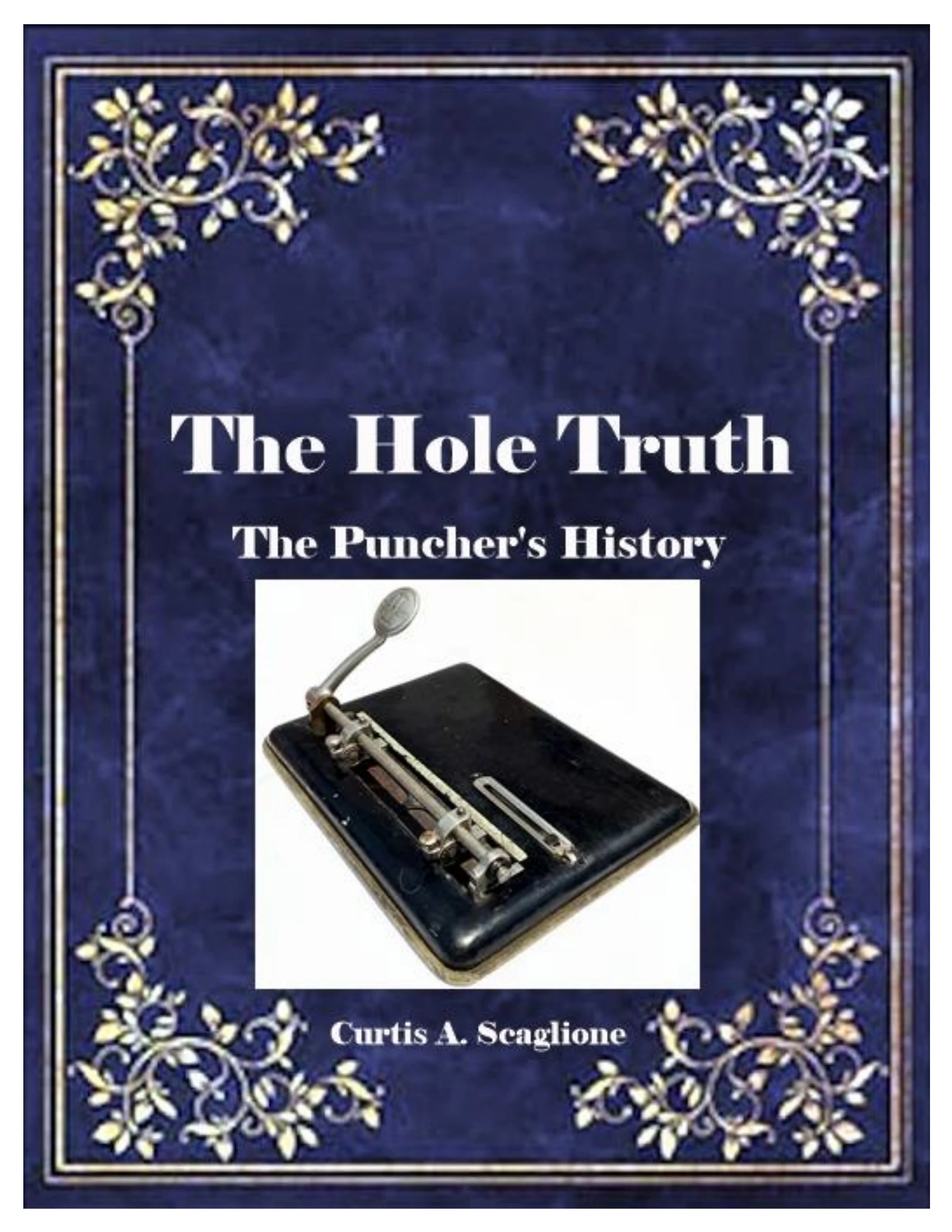
- The Hole Truth (128 pages). The history of the hole punch first page
- Perforator (68 pages). first page
- Eyelet Machines 2020 (34 pages). first page
- Antique and Vintage Eyelet Press (54 pages). A collection of antique and vintage eyelet presses first page
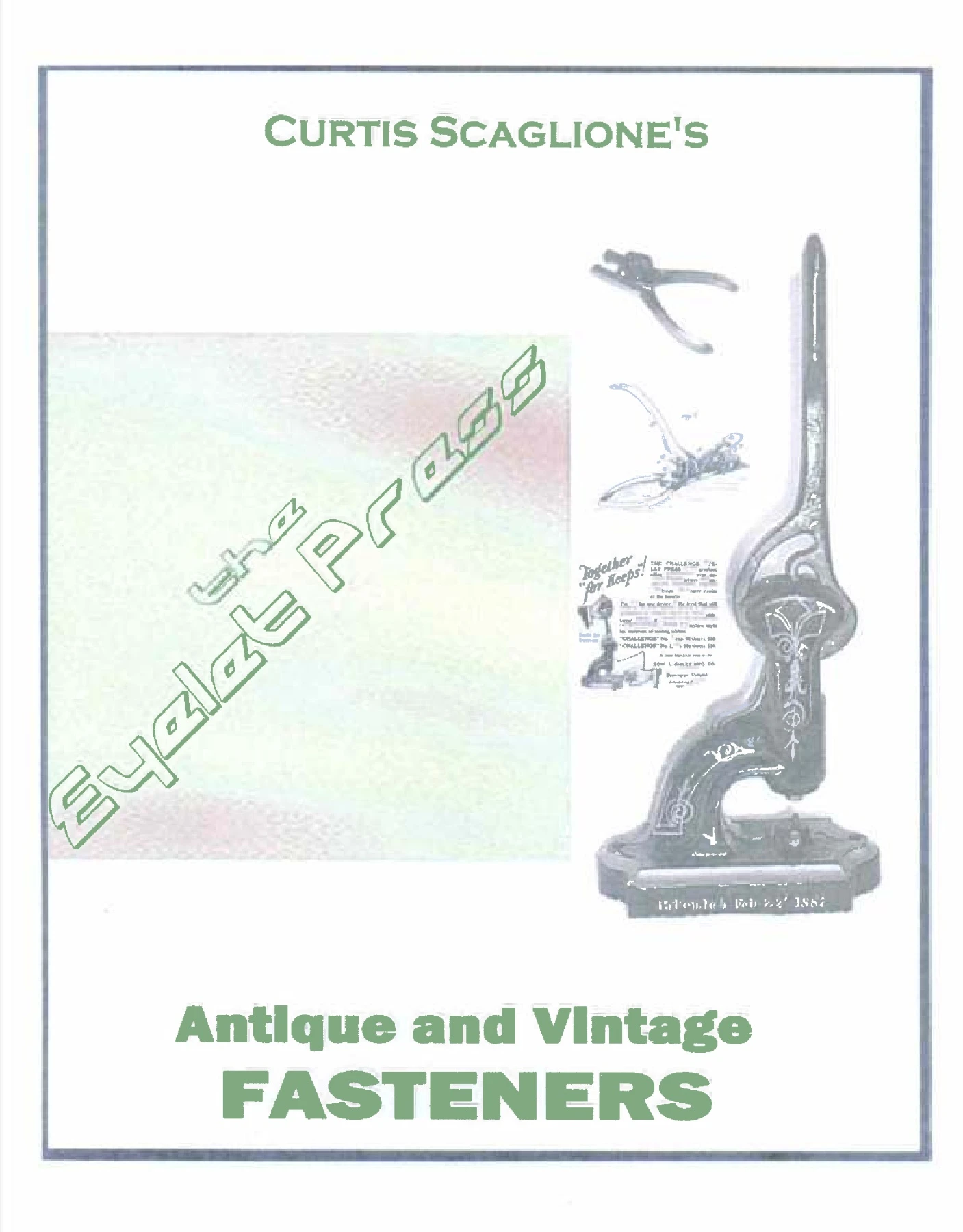
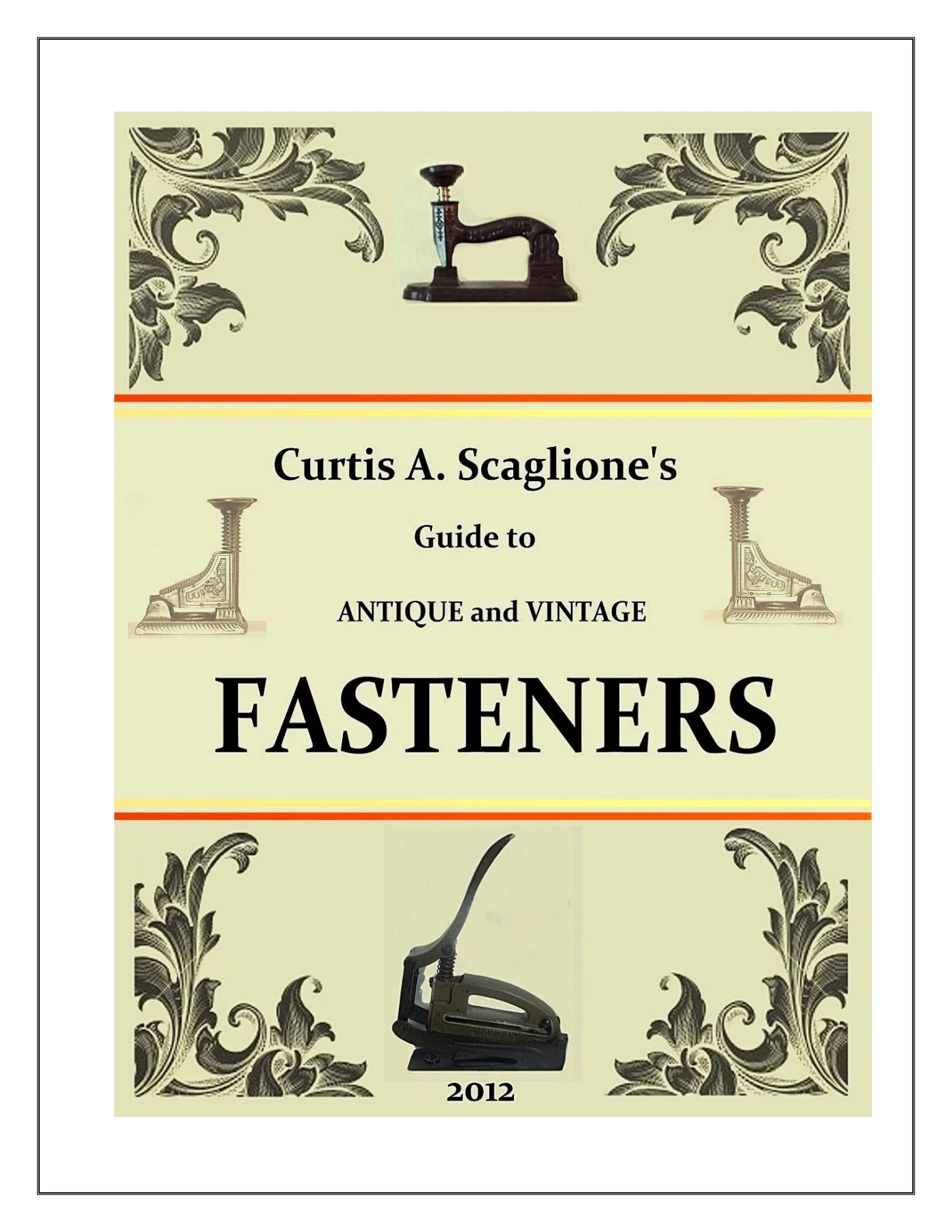
- Guide To Antique and Vintage Fasteners (112 pages). The first book about antique and vintage paper fasteners first page
- Vintage Electric Staplers (2d Edition) (26 pages). The first book about the invention and distribution of the electric stapler. first page
- Society (17 pages). The first book to bring attention to the men and women who brought the paper fasteners to the desk of every office and home, first page
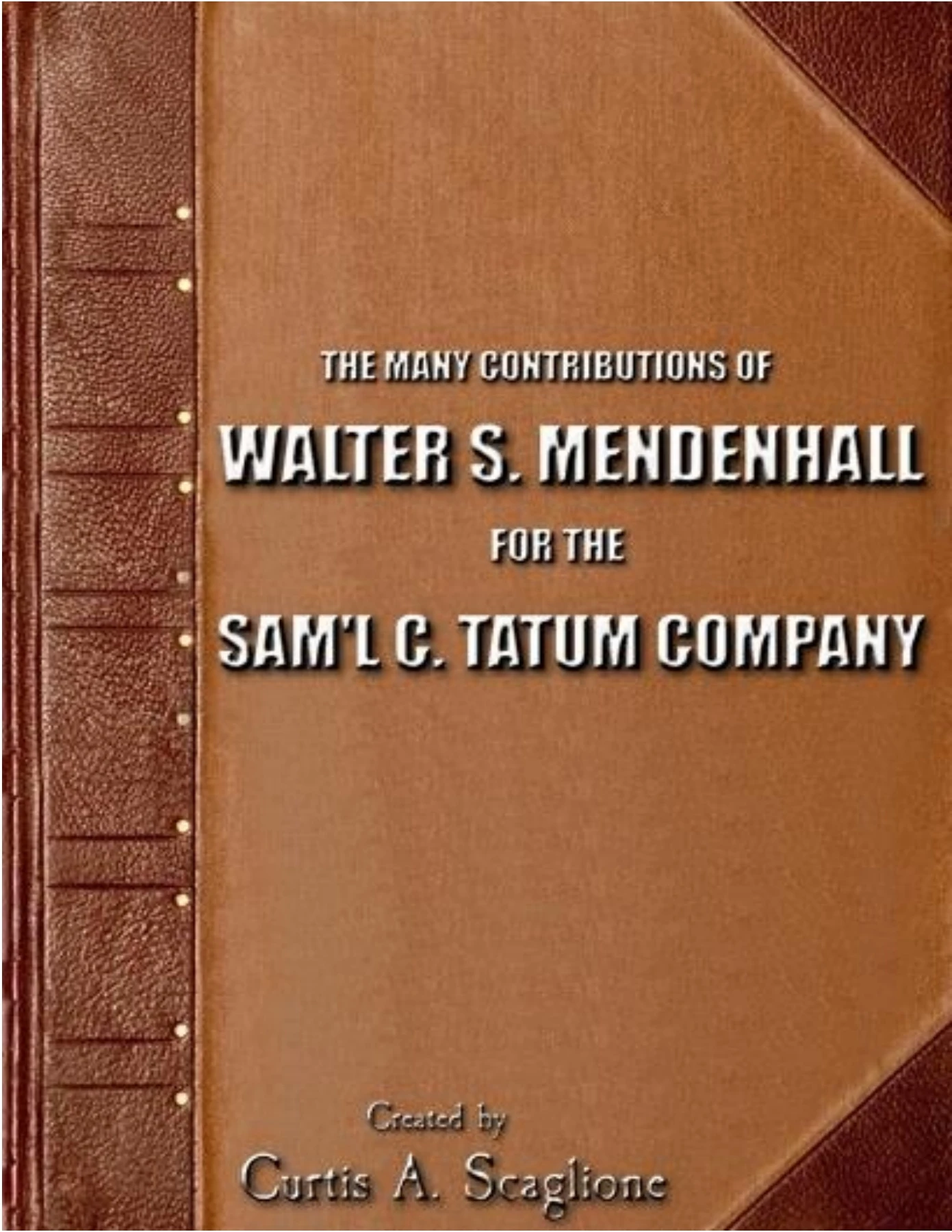
- The Many Contributions of Walter S. Mendenhall for the Sam'l C. Tatum Company (26 pages). Walter Mendenhall invented many tool and office appliances that the Tatum Company Produced. first page
- E.H. Hotchkiss (39 pages). first page
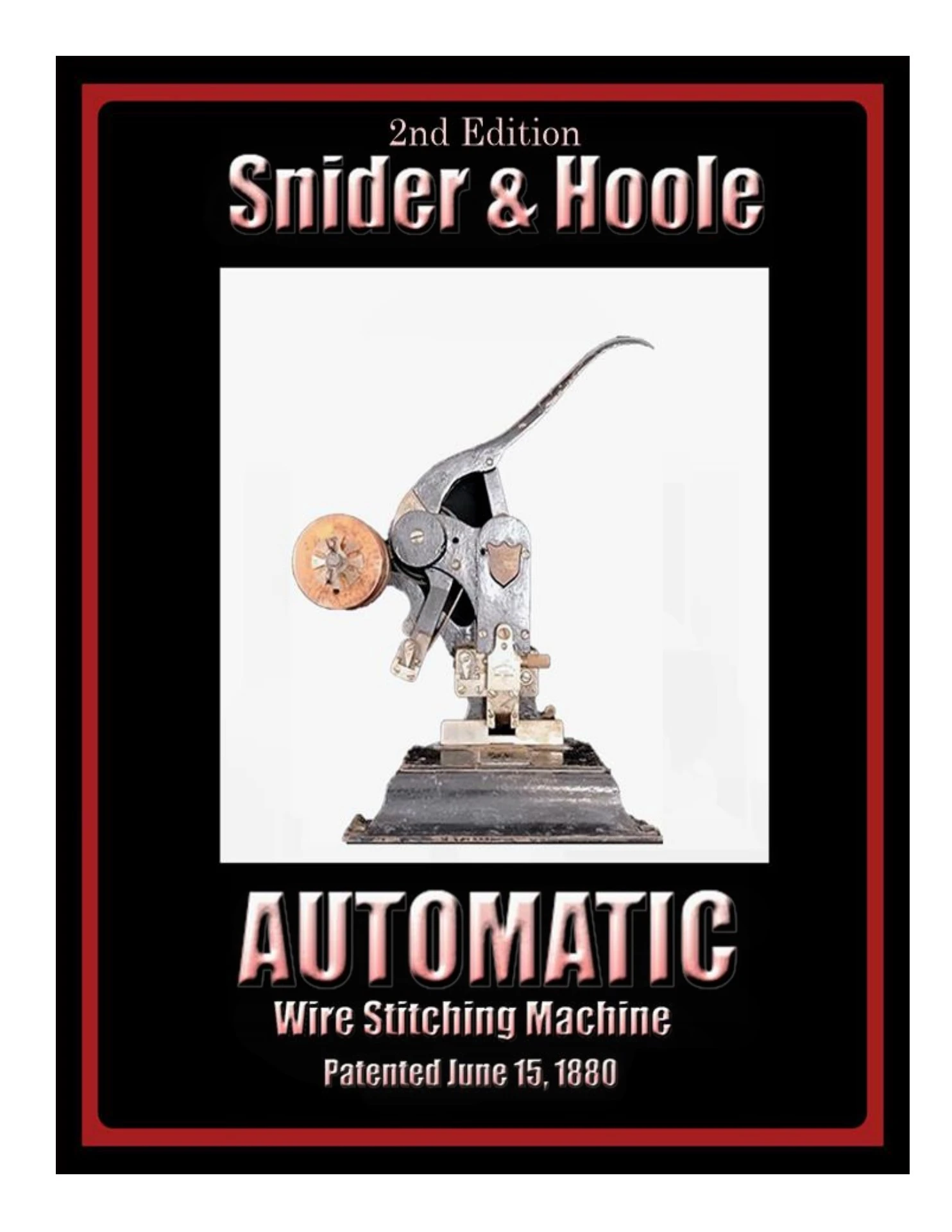
- Automatic Wire Stitching Machine (33 pages). One of the earliest staplers ever manufactured. This example dates to 1880 and has a serial number of 454. A beautiful example first page
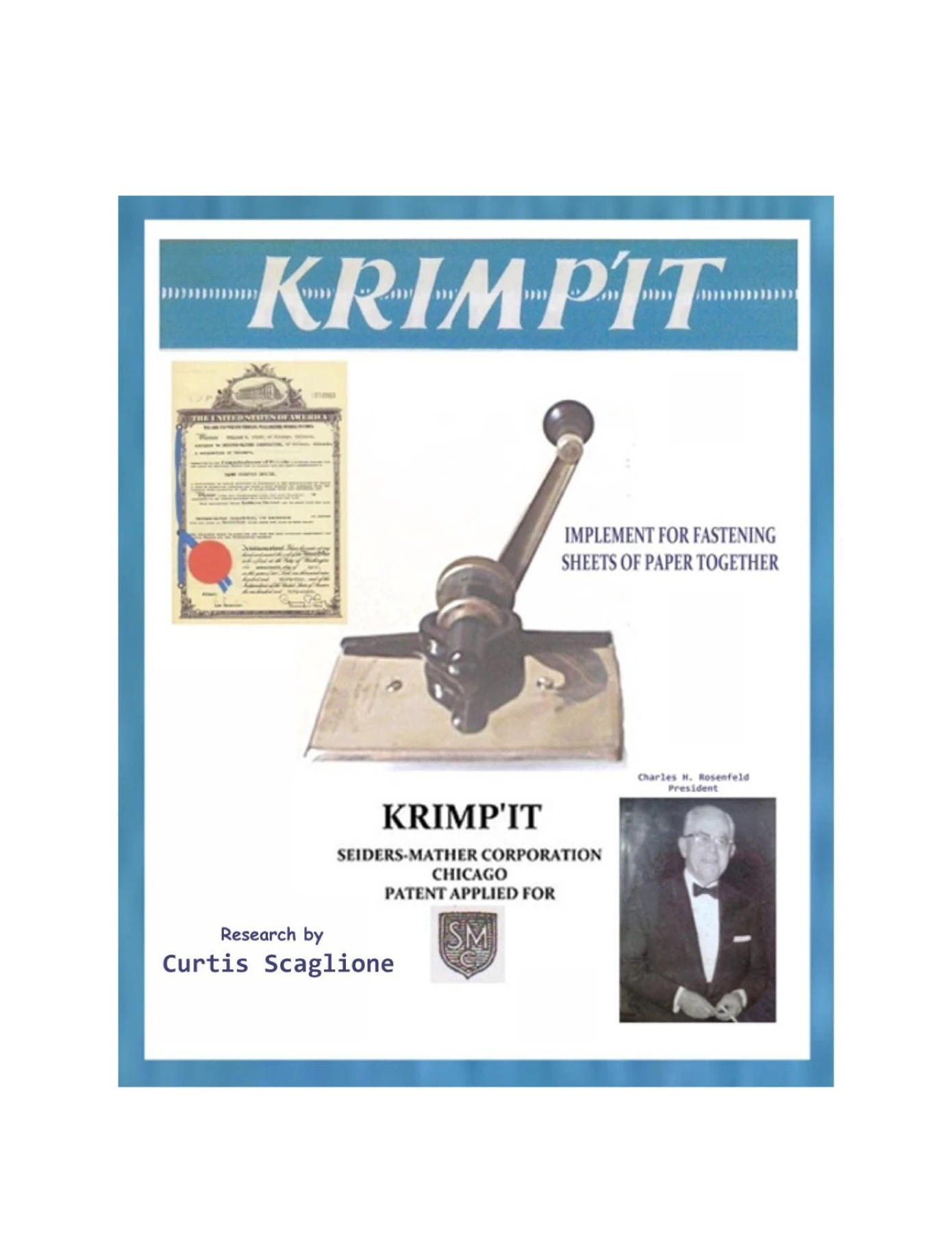
- Krimpit (24 pages). Krimpit, the early machine designed to crimp papers together rather than stapling. first page
- tengwall (12 pages). Tengwall Hole Punch first page
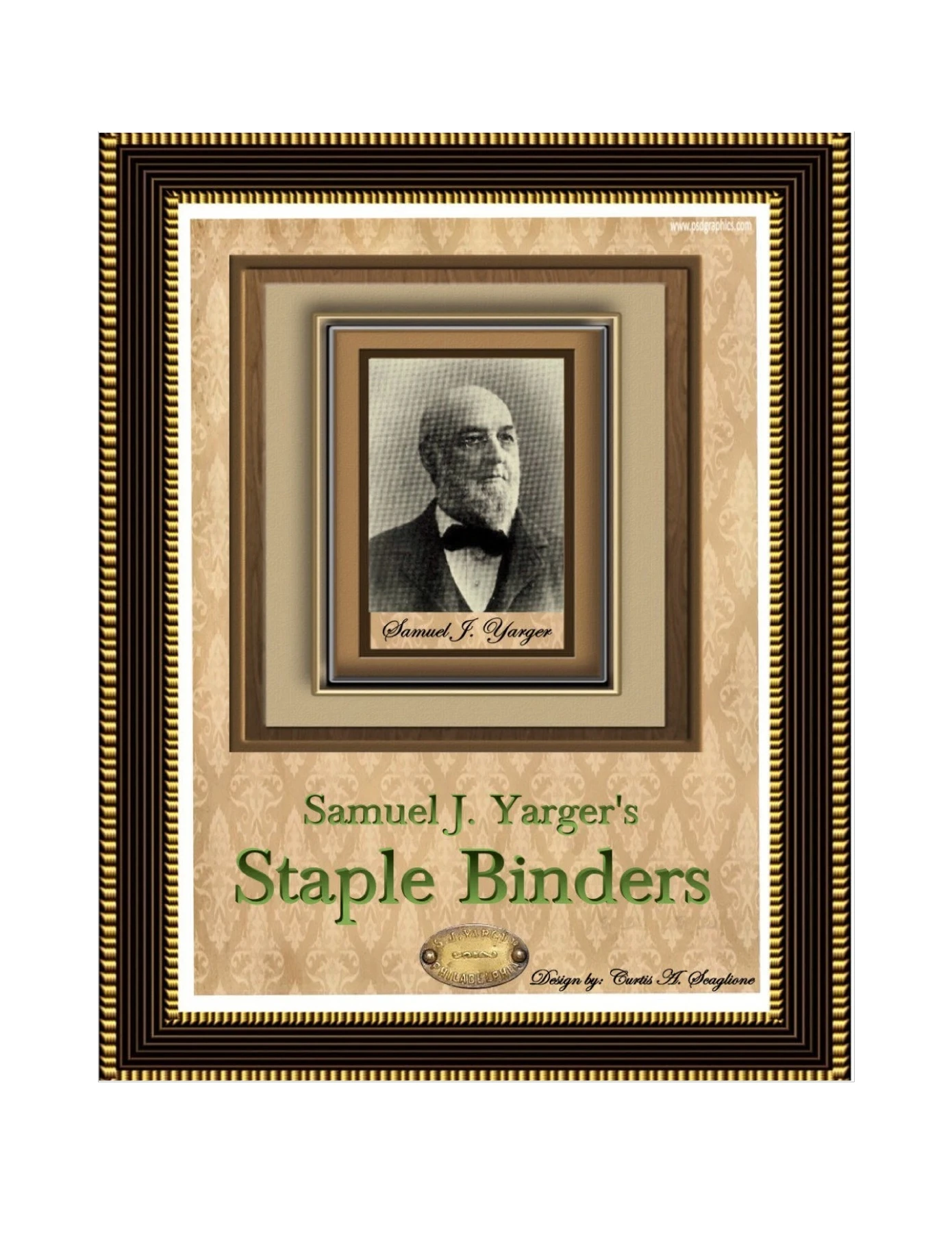
- Yarger (9 pages). Yarger Mfg Company and the Brown Staple Company first page
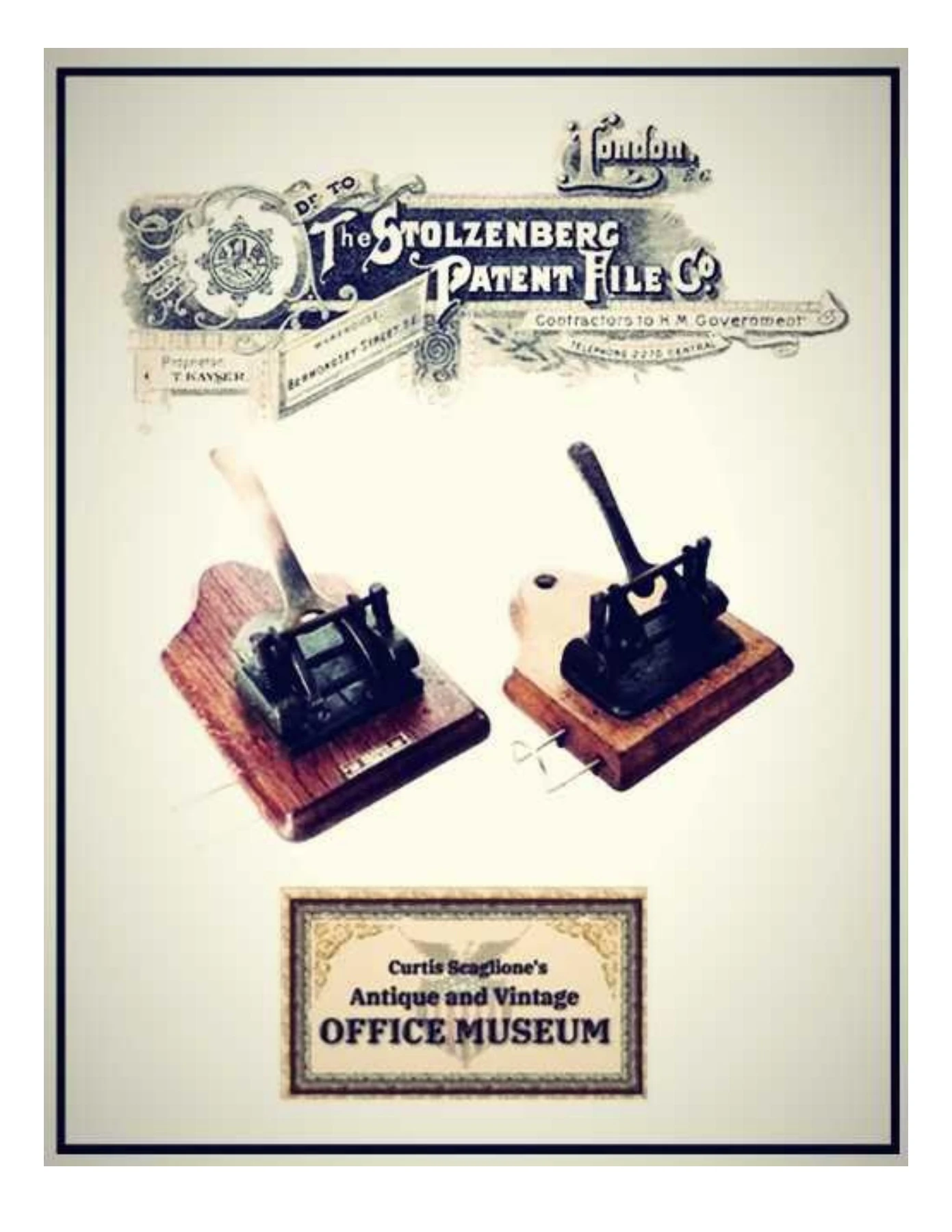
- STOLZENBERG (22 pages). The Stolzenberg Perforator is one of the finest perforators manufactured in the United Kingdom. Finding literature on this machine has been next to impossible so I created a catalog from the information found. first page
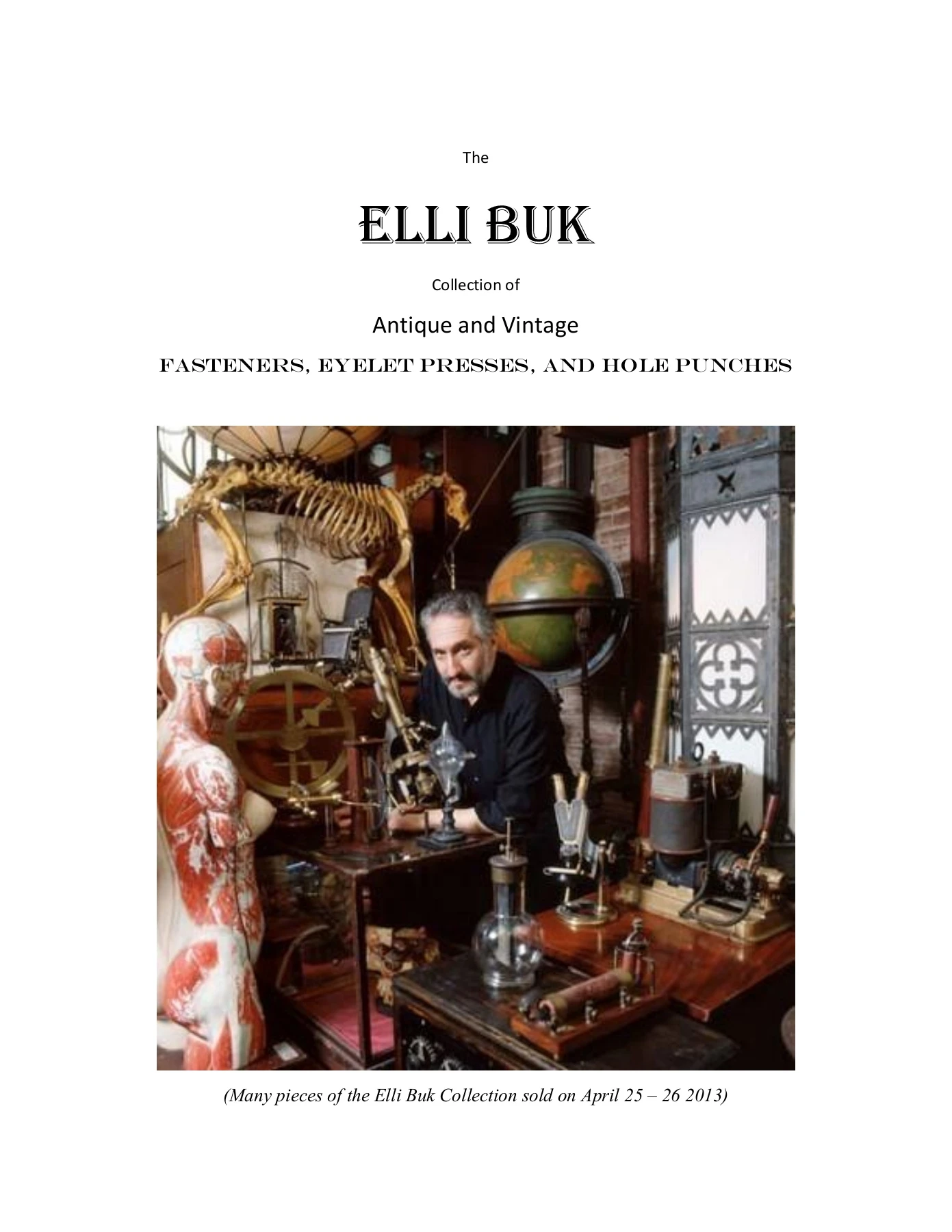
- Elli Buk Collection of Office Machines (12 pages). Ellie Buk's office appliances that were auctioned after is passing first page
- Seal Presses (117 pages). History of the Seal Press first page
- 1887 Remington Typewriter Catalog (53 pages). This a clean copy with all marks and blemishes removed. Staple hole have all been removed. Overall, this 1887 Remington Catalog looks very good. first page
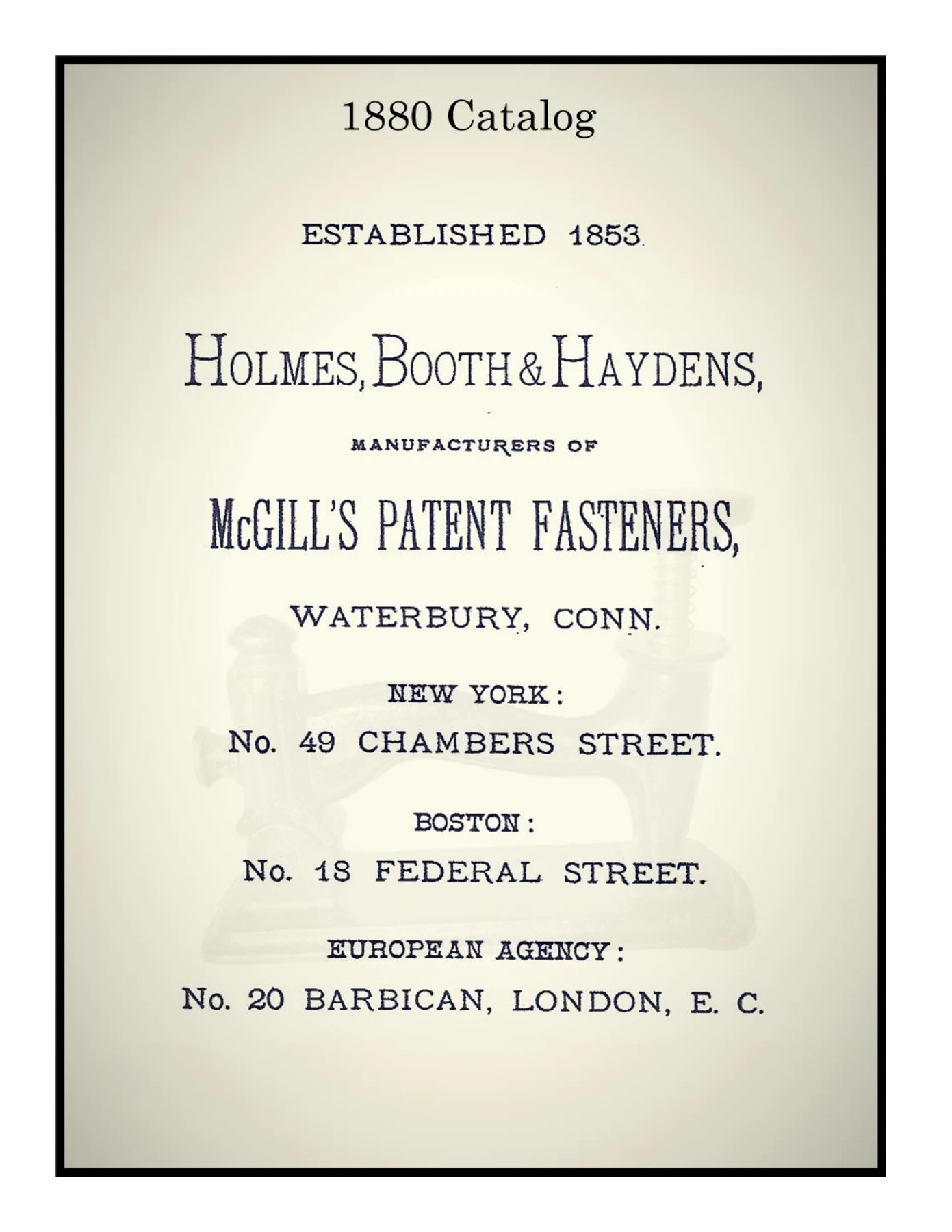
- McGill's Fastener 1880 Catalog (24 pages). Found in the pages of a lawsuit brought by George W. McGill against his manufactures of his office appliance, this catalog was extracted from the documents, cleans and organized into this pdf. first page
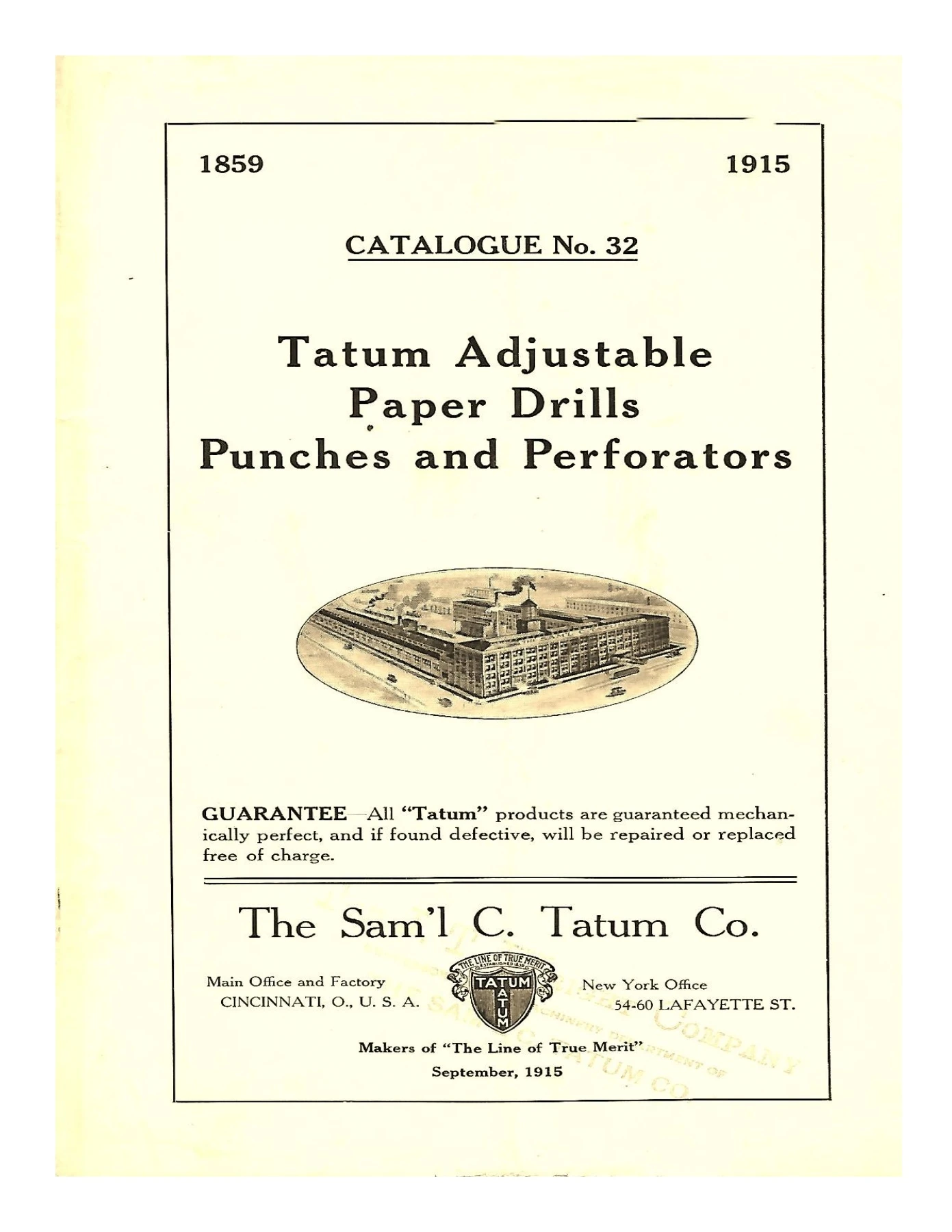
- Samuel C. Tatum Hole Punch Catalog No. 32 1915 (49 pages). Hole Punches, Paper Drills and Perforators. first page
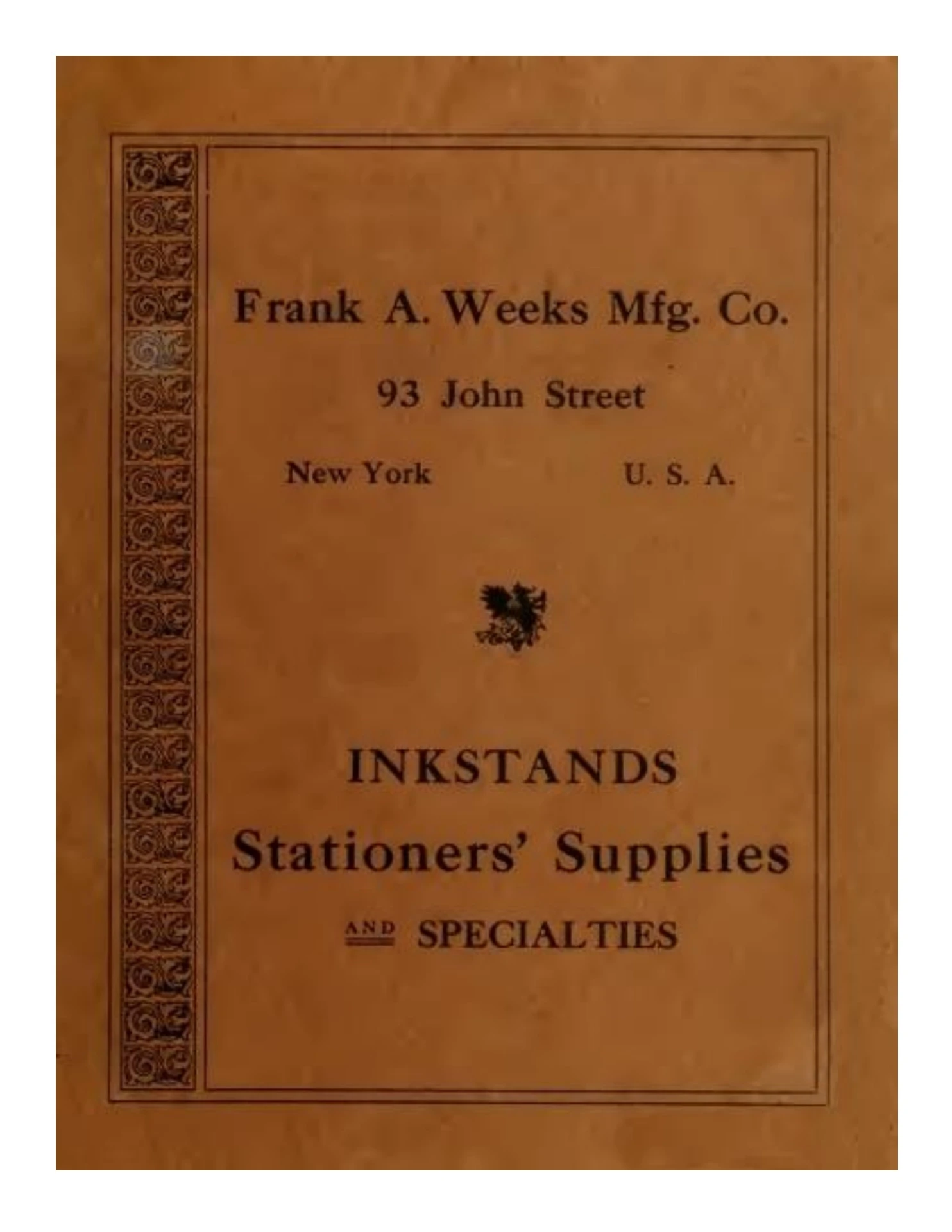
- Weeks Manufacturing Company (137 pages). Weeks Mfg. Co. 1912 Catalog first page
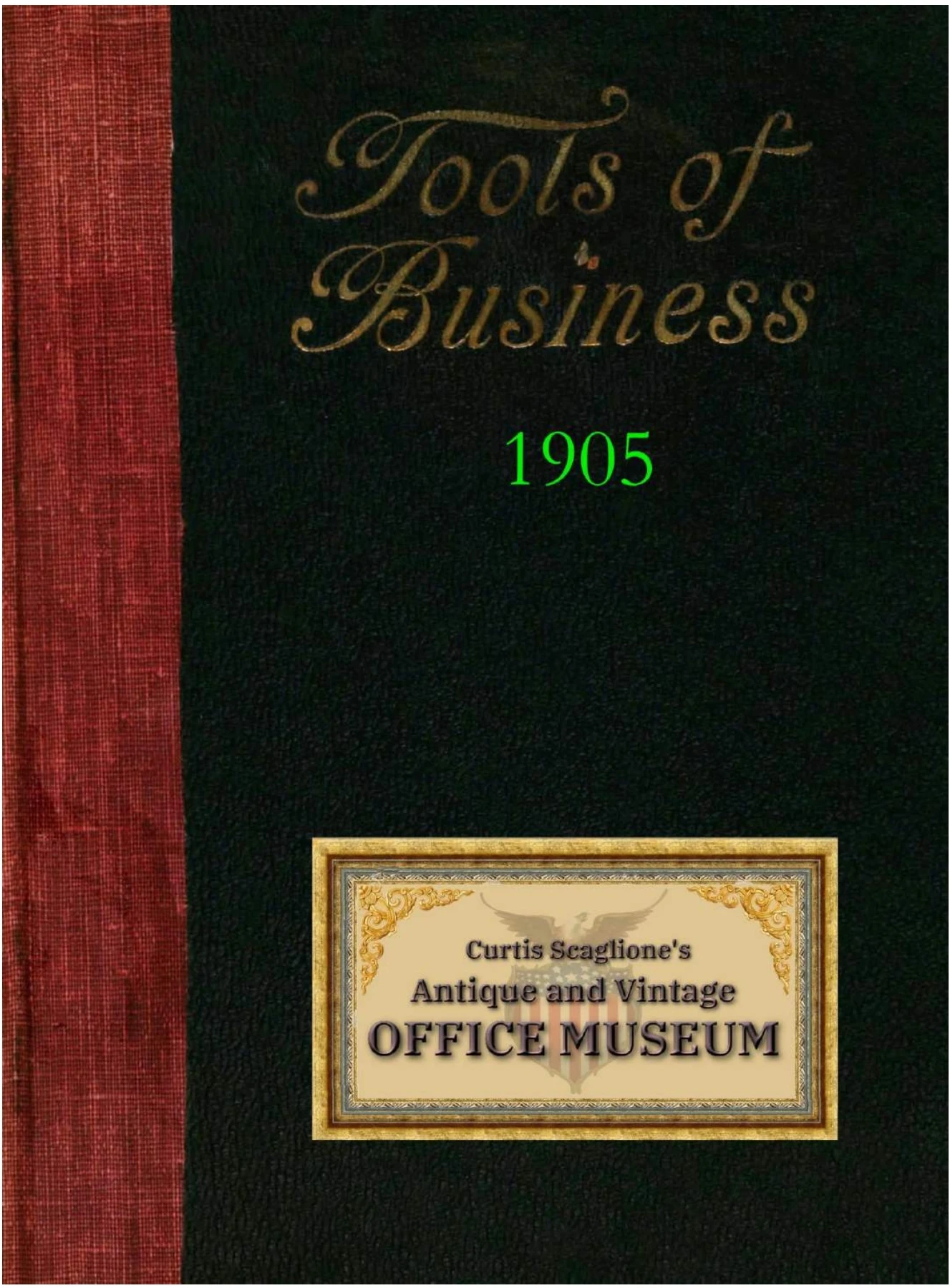
- Tools of Business 1905 (213 pages). first page
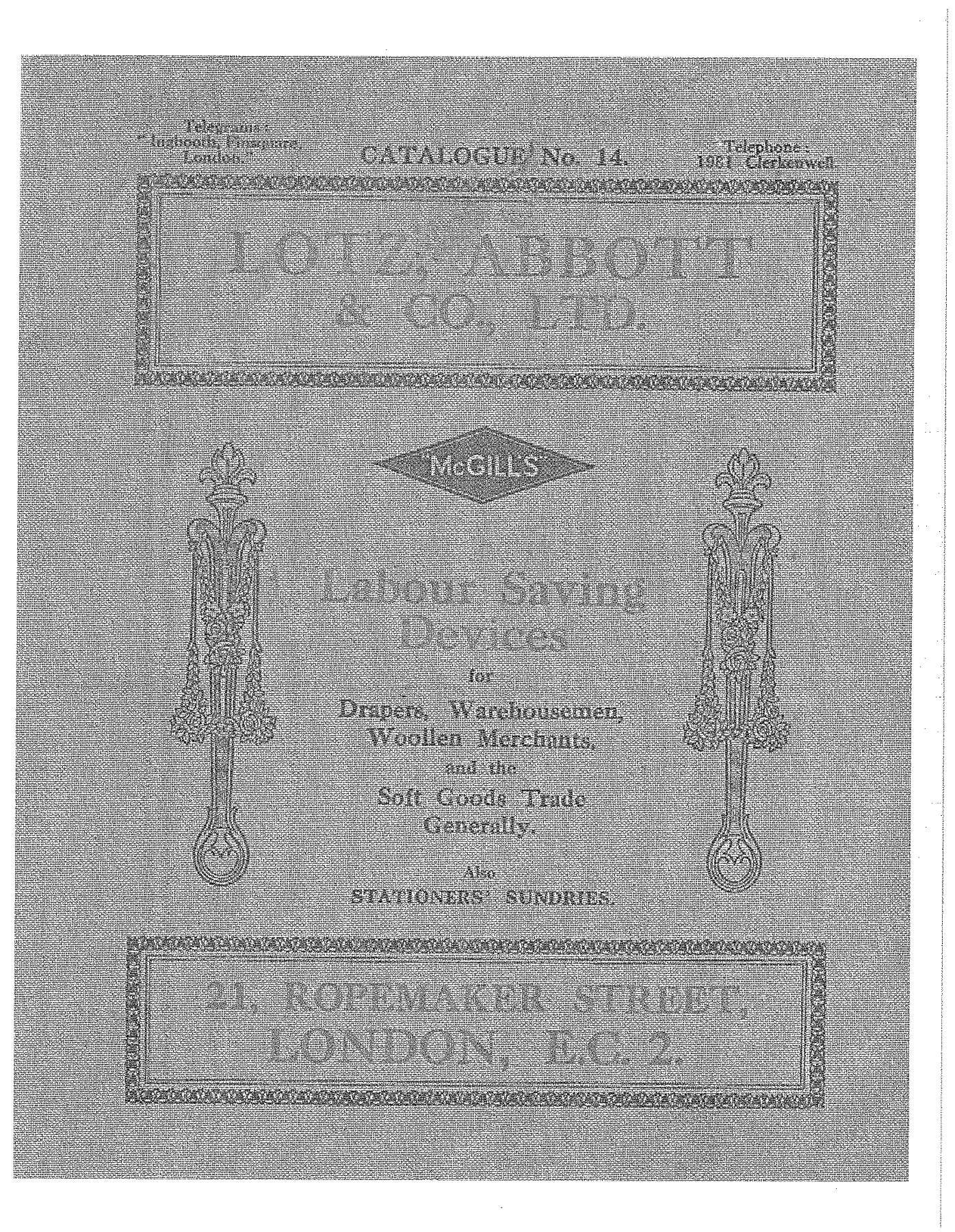
- Lotz, Abbott and Company, LTD Catalog (31 pages). McGills machines are the primary source first page
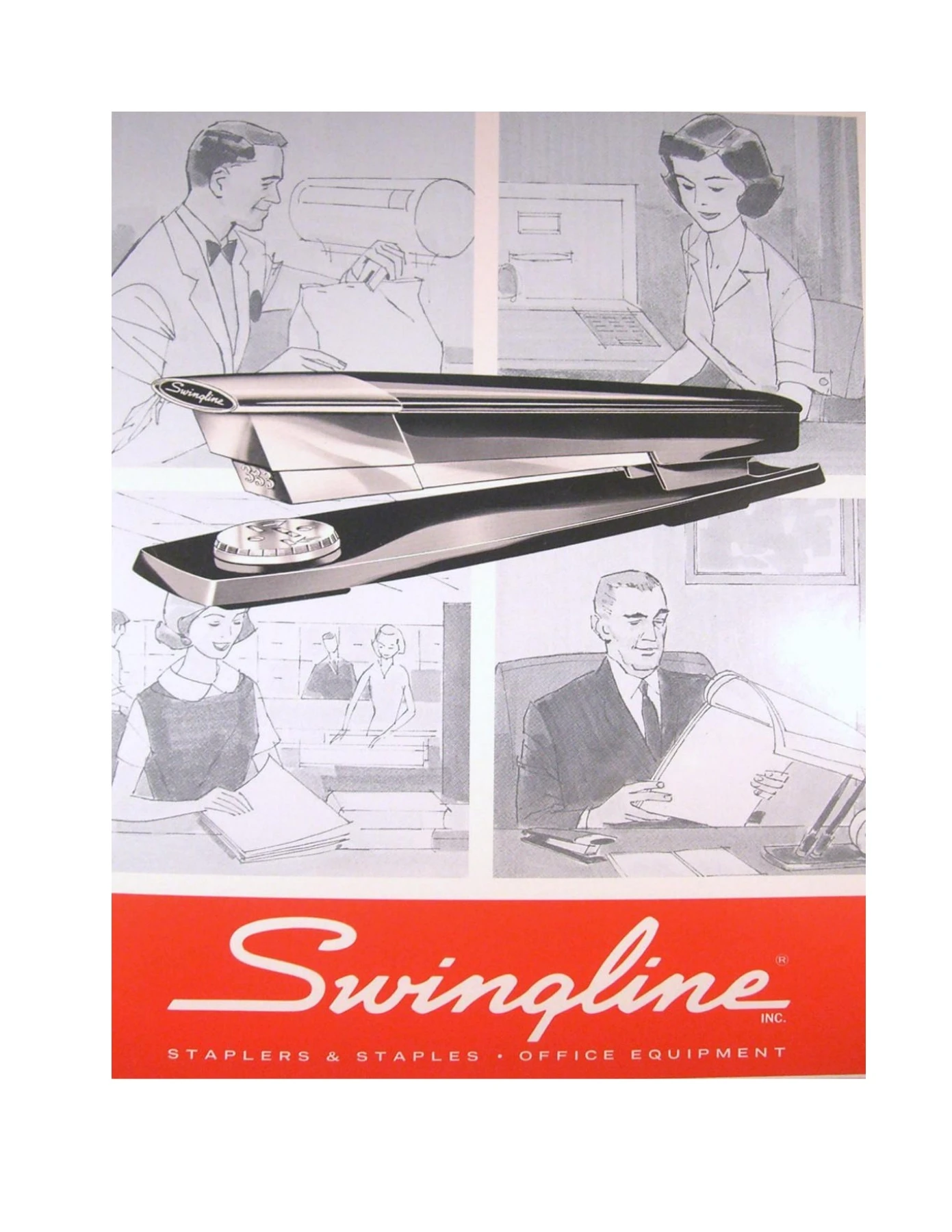
- Swingline Catalog (21 pages). A complete catalog of all model available in 1963-1964 first page
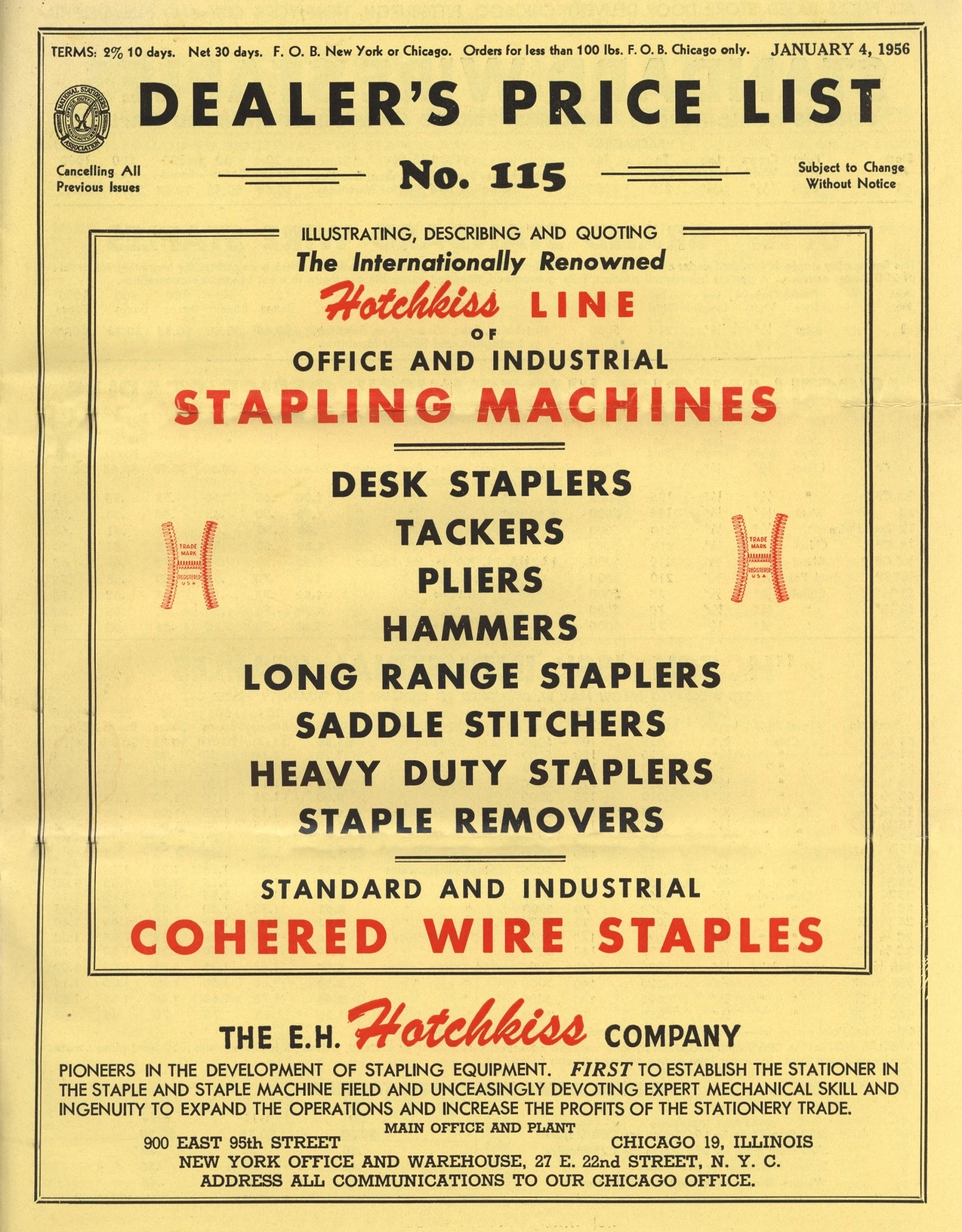
- E. H. Hotchkiss Company Catalog (8 pages). Dealer's Price List first page
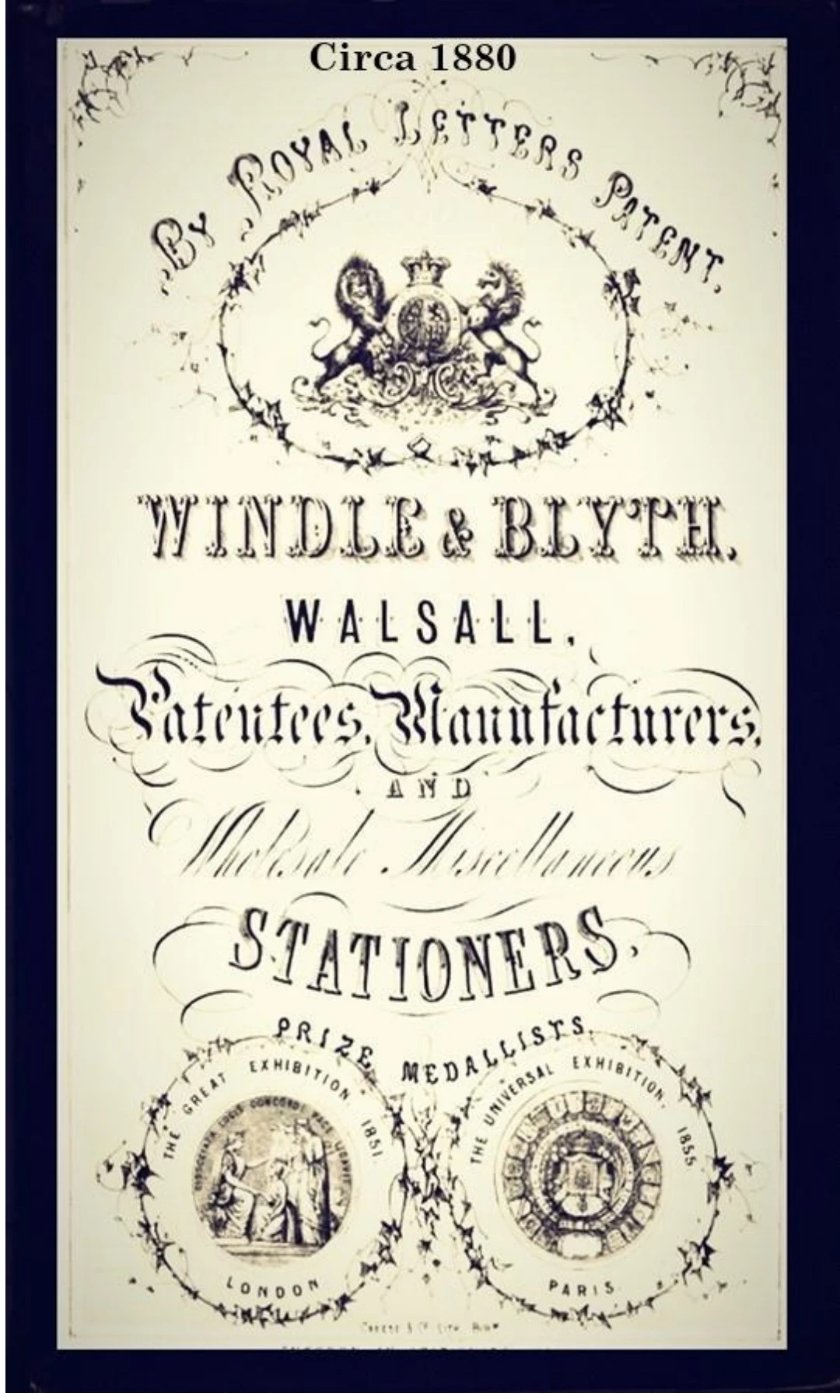
- Windle & Blyth (34 pages). Windle & Blyth Catalog Circa 1880 first page
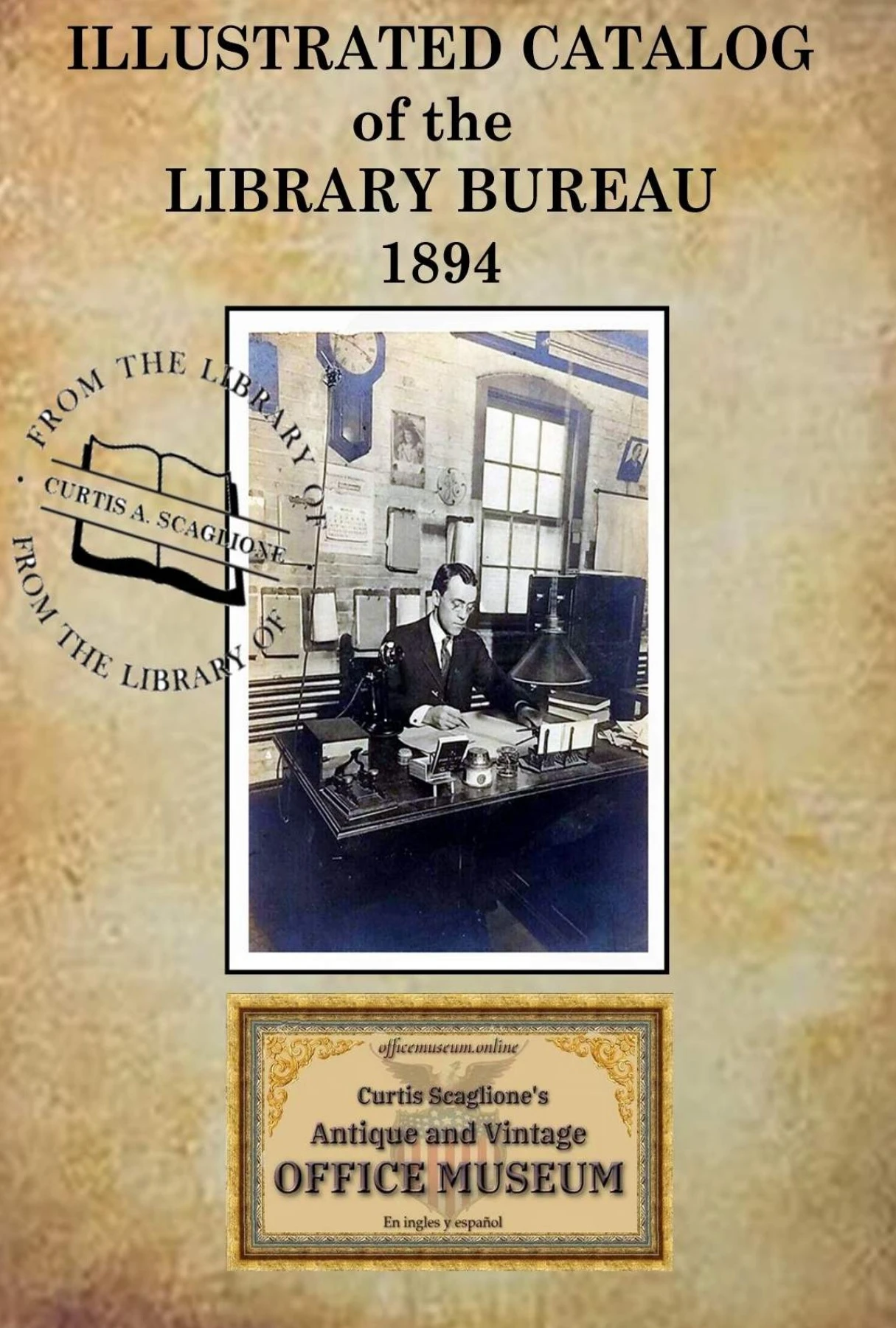
- Illustrated Catalog of the Library Bureau 1894 (184 pages). Catalog with illustrations first page
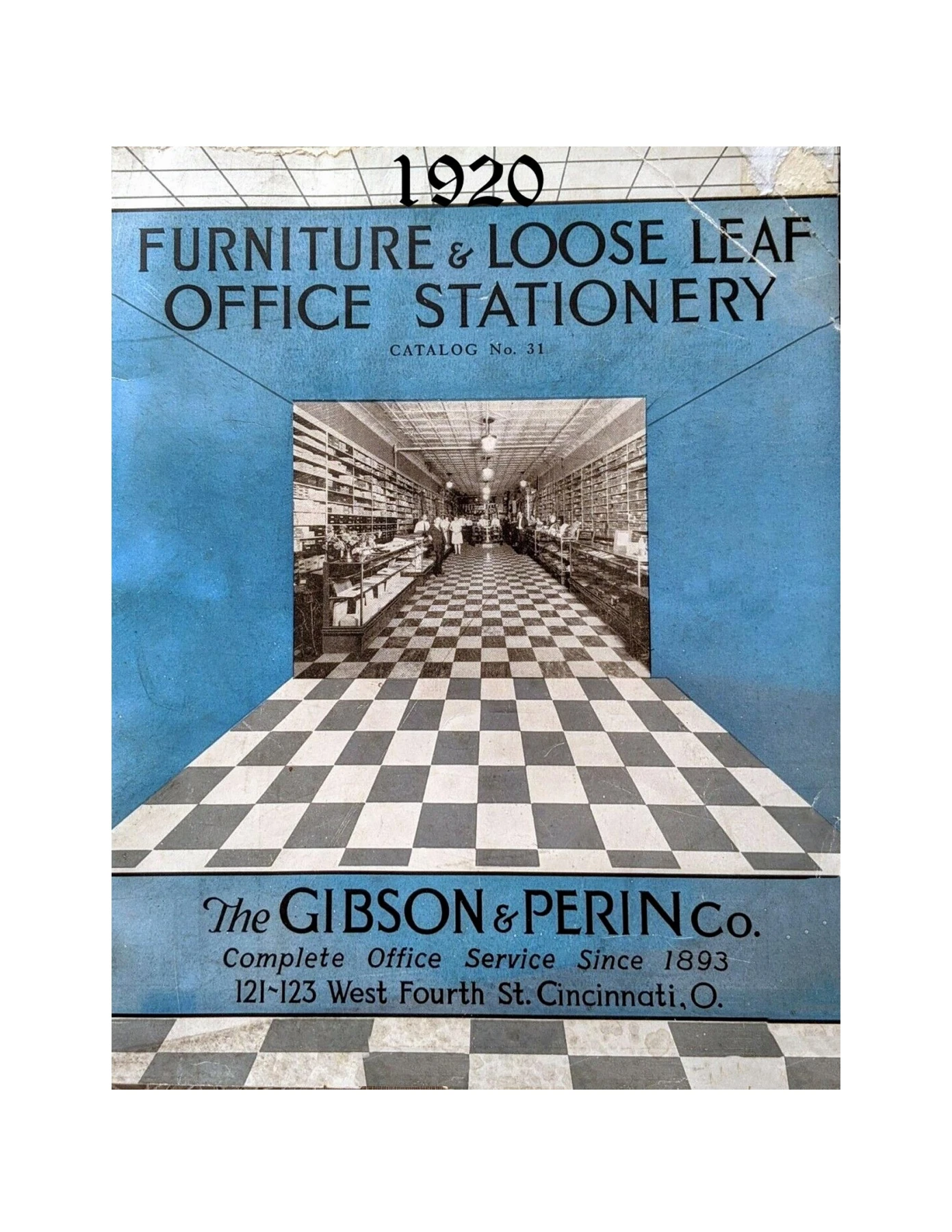
- Gibson & Perin Catalog (18 pages). first page
- Judd Catalog 1913 (24 pages). first page
- Y & E Filing Systems (111 pages). Complete catalog from 1910 in flip book format. first page
- Globe Catalog 1908 (103 pages). first page
- Globe-Wernicke Office Accessories (103 pages). 1921 Globe-Wernicke catalog for office supplies and accessories first page
- Sam'l C. Tatum Catalog No. 34 (55 pages). Nice example although not complete or in the exact order as the original. Unfortunately, this is the best I am able to obtain. Plenty of good information. first page